Executive Summary: The Market Landscape
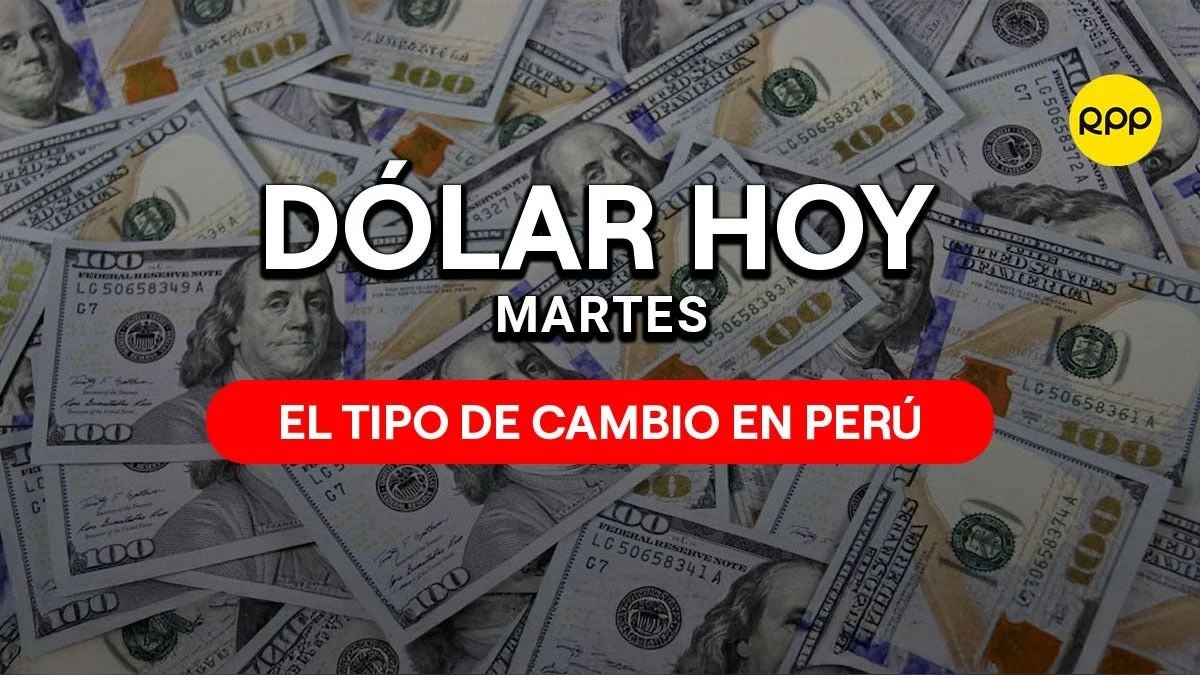
On Tuesday, October 6, the Peruvian foreign exchange market witnessed a slight but significant shift in the valuation of the U.S. dollar. According to the latest data provided by the Central Reserve Bank of Peru (BCRP), the dollar closed at S/3.44. This figure represents a marginal decline of 0.03% compared to the previous session. While a fraction of a percentage point may seem negligible to the casual observer, in the complex machinery of international trade and domestic monetary policy, such movements are critical indicators of the health and stability of the Peruvian economy.
The appreciation of the sol—the inverse of the dollar’s decline—reflects a complex interplay between local economic confidence and broader global financial currents. For the average Peruvian consumer and the robust business sector, this shift brings immediate, tangible benefits, particularly regarding purchasing power and the cost of imported goods.
The Chronology of Currency Fluctuations
To understand the current standing of the sol, one must view it within the broader temporal context of the global economic climate. Throughout the preceding weeks, the exchange rate had exhibited a level of volatility influenced by both local political discourse and international market trends.
- Early September: The exchange rate showed signs of upward pressure, driven by global risk aversion and a strengthening dollar index (DXY) in international markets.
- Late September: The BCRP intervened periodically to dampen excessive volatility, signaling to the market that it remained committed to maintaining macroeconomic stability.
- The First Week of October: Entering October, a consolidation phase began. Markets began to digest new data regarding the U.S. Federal Reserve’s interest rate trajectory, leading to a cooling effect on the dollar’s global dominance.
- October 6: The closing price of S/3.44 marks a continuation of the stabilization efforts, highlighting a market that is currently finding an equilibrium point after weeks of uncertainty.
Supporting Data: Understanding Market Mechanics
The exchange rate in Peru is determined by a "floating" regime, which means the price is fundamentally set by the intersection of supply and demand. However, the BCRP acts as a stabilizer, preventing abrupt shocks that could disrupt the national economy.
The Role of Supply and Demand
The demand for dollars is generally categorized into two segments: speculative demand and transactional demand.
- Transactional Demand: Driven by importers who need to pay for goods, corporations repatriating profits, and citizens planning international travel.
- Speculative Demand: Driven by investors who move capital based on perceived risks or interest rate differentials.
When the appetite for dollars wanes—as seen on October 6—it is often because investors perceive that the "risk premium" of holding Peruvian assets has decreased, or because the dollar has weakened globally against a basket of currencies.
Factors Influencing the Sol
Several macroeconomic variables act as the "engine room" for these fluctuations:
- Interest Rate Differentials: If U.S. Treasury yields rise, investors often pull capital from emerging markets like Peru to move into safer, higher-yielding U.S. assets. When these yields stabilize or fall, capital flows back into emerging markets, strengthening the local currency.
- Inflation Dynamics: Peru has historically maintained one of the most stable inflation environments in the region. When inflation is controlled, the sol maintains its real value, discouraging the "dollarization" of savings.
- Foreign Direct Investment (FDI): Large-scale investments in the mining and infrastructure sectors require the conversion of dollars into soles to pay for local labor and materials, providing a structural floor for the sol’s value.
Official Responses and Monetary Policy
The Central Reserve Bank of Peru, under the leadership of its governing board, maintains a rigorous stance on monetary policy. Their primary mandate is to ensure price stability.
In the wake of the October 6 results, financial analysts note that the BCRP’s policy of "managed floating" is a deliberate strategy. By intervening when the exchange rate crosses certain volatility thresholds, the Bank ensures that businesses—which often operate with dollar-denominated debt—are not blindsided by sudden currency devaluations.
The Bank’s communication strategy remains transparent: by consistently publishing daily closing rates and providing context on why fluctuations occur, they aim to lower the "uncertainty premium." When the public understands that movements are based on global trends rather than internal crises, panic buying of foreign currency is significantly reduced.
Implications: How a Stronger Sol Affects the Real Economy
1. The Consumer Perspective: Purchasing Power
When the sol gains ground against the dollar, the most immediate impact is on the consumer’s wallet. Peru is a significant importer of technology, fuel, and specific agricultural commodities.
- Electronics and Appliances: Retailers who purchase inventory in dollars can afford to lower prices or offer more competitive promotions when the dollar weakens.
- Medical Supplies: With a significant portion of pharmaceuticals and medical equipment imported, a stronger sol is a vital factor in keeping healthcare costs from spiraling.
- Food Security: While Peru produces much of its food, many processed goods and fertilizers are imported. A lower exchange rate helps in keeping the cost of living index (CPI) stable.
2. Corporate Strategy and Import/Export
For companies, the exchange rate is a double-edged sword.
- Importers: For those bringing in machinery or raw materials, the October 6 rate is a welcome relief. It allows for better margin management and the ability to plan future investments without the fear of currency-driven losses.
- Exporters: Conversely, exporters (particularly in the agricultural and mining sectors) receive their revenue in dollars. A weaker dollar means that, in local terms, their earnings decrease. However, these industries are often buffered by high global commodity prices, which can offset the negative impact of a stronger sol.
3. Savings and Investment
For the average citizen, the fluctuation of the dollar is a reminder of the importance of financial diversification. Financial advisors often suggest that in times of volatility, keeping a balanced portfolio—part in soles (for high-yield local accounts) and part in dollars (as a store of value)—is the most prudent strategy.
Expert Analysis: Looking Beyond the Daily Rate
Market experts argue that the S/3.44 mark should not be viewed in isolation. It is part of a broader "de-dollarization" trend that the Peruvian economy has undergone over the last two decades. While the economy remains sensitive to global shocks, the structural resilience of the Peruvian financial system is far greater today than it was in previous decades.
The global environment remains the primary driver of future trends. As the United States continues to navigate its own economic recovery and inflationary challenges, the global demand for the dollar will shift. If the U.S. Federal Reserve signals a pause in interest rate hikes, the sol is likely to maintain its strength. Conversely, any unexpected geopolitical tension or a spike in global energy prices could see the dollar climb again as a "safe haven" asset.
Conclusion: Strategic Preparedness
Understanding the mechanics behind the S/3.44 exchange rate is essential for everyone from the micro-entrepreneur to the corporate treasurer. The October 6 figures illustrate a market in a state of adjustment—one that favors the consumer and promotes a degree of domestic economic stability.
As we look toward the remainder of the year, stakeholders must remain vigilant. The currency market is a living entity, reacting to news, data, and sentiment in real-time. For those planning international ventures or managing significant debt in foreign currency, the key to navigating these waters is not to predict the exact movement of the dollar, but to build a financial strategy that is resilient to the inevitable ebb and flow of the global economy.
In conclusion, the current strength of the sol is a testament to the fundamental health of the Peruvian economy, yet it serves as a persistent reminder that in a globalized world, domestic prosperity is inextricably linked to the pulse of international markets. Monitoring these daily fluctuations is not just a task for economists; it is a vital practice for any individual seeking to protect their financial future in a changing world.