Executive Summary: A New Horizon for Lima’s Healthcare
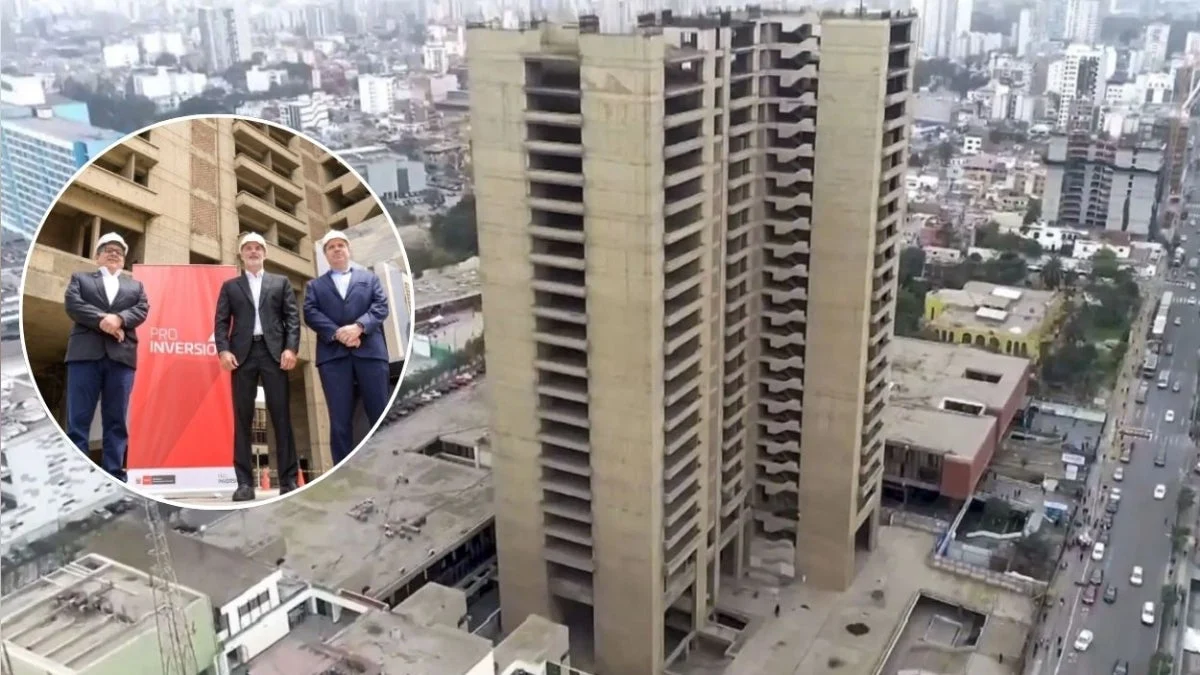
After nearly half a century of standing as a skeletal monument to bureaucratic gridlock, the "Torre Trecca" project has finally transitioned from a dormant urban eyesore into a vibrant construction site. Located in the heart of Jesús María, Lima, this ambitious infrastructure project is set to transform the landscape of public healthcare in Peru. By signing a definitive contract with HV Salfacorp—a subsidiary of the renowned SalfaCorp group—the concessionaire Consorcio Trecca S.A.C. has officially signaled the commencement of the transformation works that will turn this long-abandoned structure into a cutting-edge specialized outpatient complex for EsSalud (Peru’s Social Health Insurance).
The project is not merely a renovation; it is a fundamental shift in how the state addresses the critical shortage of medical facilities. With a commitment to modernizing over 59,000 square meters of infrastructure, the initiative promises to double EsSalud’s outpatient capacity in Lima, offering a lifeline to millions of insured citizens who have long struggled with wait times and overcrowded hospitals.
Chronology of a Stalemate: Overcoming 15 Years of Obstacles
The saga of the Torre Trecca is a testament to the complexities of public-private partnerships (PPPs) in Peru. Originally conceptualized decades ago, the building remained unfinished for nearly 50 years, serving as a symbol of institutional inertia.
The Road to the "Destrabe"
The path to this moment was fraught with technical, legal, and financial hurdles that paralyzed progress for over 15 years. The breakthrough arrived in February of this year, when EsSalud and the Consorcio Trecca S.A.C. signed "Adenda N° 2" to their existing PPP contract. This critical legal instrument served as the key to unlocking the project, harmonizing the conflicting interests and contractual ambiguities that had kept the site in a state of suspended animation.
ProInversión, the state agency responsible for promoting private investment, played a pivotal role in this "destrabe" (unblocking). Through intensive technical support and mediation, the agency managed to navigate the regulatory maze, ensuring that the project remained viable while upholding the institutional integrity of EsSalud as the granting entity.
The "White Coat" Model: A New Paradigm for Public Services
One of the most innovative aspects of the Torre Trecca project is the delivery model. The concession is managed under the "White Coat" (bata blanca) modality. Unlike traditional infrastructure projects where the private sector builds and hands over the facility, the "White Coat" model implies a deeper, more integrated commitment.
Under this agreement, Consorcio Trecca S.A.C.—now a subsidiary of Auna—is responsible for more than just the bricks and mortar. The scope of their contract includes:
- Complete Infrastructure Refurbishment: Including structural reinforcement and architectural adaptation.
- Advanced Medical Equipping: Provision and maintenance of state-of-the-art diagnostic and treatment technology.
- Administrative and Clinical Management: The concessionaire will handle the operational and clinical support services, ensuring that the facility functions at high international standards.
Critically, the project ensures that the financial burden does not fall on the patients. As highlighted by Luis Del Carpio, Executive Director of ProInversión, the services provided within the new tower will be fully integrated into the existing EsSalud coverage. Patients will not incur any out-of-pocket expenses for the specialized care received, reinforcing the project’s mission as a truly public benefit.
Engineering and Medical Infrastructure: What to Expect
The project’s scale is massive. The plan involves the rehabilitation of 26 levels, including three subterranean floors, covering a total area of 59,140 square meters. The scope of work is comprehensive:
Technical Specifications
- Structural Rehabilitation: Partial demolition of obsolete elements, followed by a full seismic retrofitting and structural reinforcement to meet modern safety codes.
- Expansion: Architectural redesign to optimize patient flow and clinical efficiency.
- Technology Integration: The facility will be outfitted with over 300 pieces of high-tech biomedical equipment. This includes:
- 3 Magnetic Resonance Imaging (MRI) machines.
- 4 CT scanners.
- 5 Mammography units.
Medical Specializations
The tower is designed to function as a high-density outpatient hub, housing over 145 medical offices. The service portfolio will include, but is not limited to:
- Cardiology, Gastroenterology, and Neurology.
- Gynecology and Pediatrics.
- Comprehensive Oncology prevention and screening.
- Urgent care and surgical risk assessment.
- Advanced Diagnostic Imaging and interventional procedures.
Strategic Implications: Solving the Capacity Crisis
The primary objective of the Torre Trecca is to alleviate the systemic pressure on Lima’s major healthcare networks. Currently, the Rebagliati, Almenara, and Sabogal hospitals—the three pillars of the EsSalud network in the capital—are operating well beyond their intended capacity.
Doubling Outpatient Capacity
By centralizing specialized outpatient consultations in a dedicated, high-tech tower, EsSalud aims to shift the burden away from its main emergency hospitals. This "decongestion" strategy is expected to yield several measurable benefits:
- Reduction in Wait Times: Patients will have access to diagnostic and consultation appointments within a more efficient timeframe.
- Specialization: By separating outpatient services from acute care, both settings can optimize their resources, leading to better patient outcomes.
- Efficiency: The integration of modern diagnostic tools will allow for faster diagnosis, enabling earlier medical intervention.
Official Perspectives and the Future of PPPs
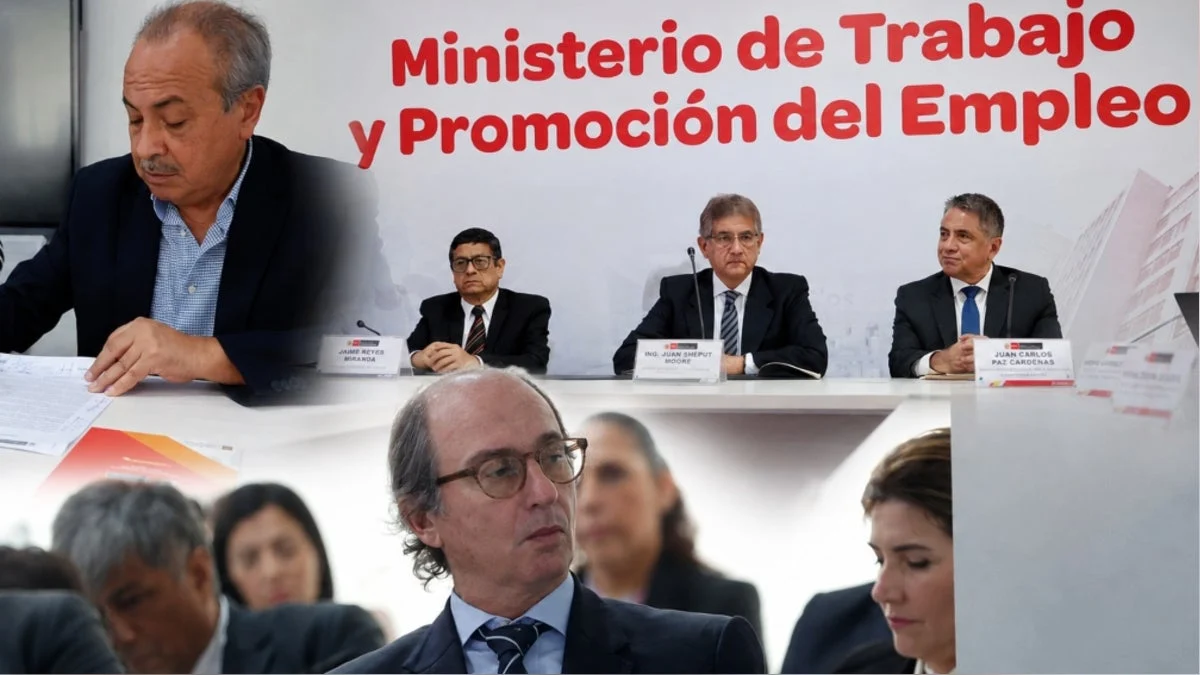
The signing of the execution contract represents a significant victory for the collaborative model between the Government and the private sector. The coordination between the Ministry of Economy and Finance (MEF), the Ministry of Labor and Employment Promotion, EsSalud, and ProInversión has been described by officials as a model for future infrastructure development.
A Message from Leadership
Luis Del Carpio, representing ProInversión, emphasized the broader impact of this success. "This is not just about a building; it is a clear example of the role that PPPs can play in closing the infrastructure gap in our country," he noted. "Our ultimate objective is to ensure that these partnerships translate into tangible improvements in the quality of life for millions of Peruvians."
The government views the Torre Trecca as a proof-of-concept for the "destrabe" strategy. If a project that was stalled for 50 years can be revived, the state believes it can replicate this success across other sectors, including education, transportation, and sanitation.
Challenges Ahead and the Path to Inauguration
While the start of construction is a historic milestone, the coming months will be critical. The transition from planning to active construction involves significant logistical challenges, particularly given the site’s location in a densely populated urban district. The management of construction traffic, noise mitigation, and the integration of the new facility into the existing city infrastructure will be key focus areas for the Consorcio Trecca S.A.C.
However, the mood remains optimistic. With the financing secured, the legal hurdles cleared, and a clear roadmap for execution, the Torre Trecca is no longer a ghost of the past. It is finally on its way to becoming a beacon of modern, specialized healthcare for the people of Peru. As the scaffolding begins to rise, so too does the expectation that the long wait for quality, accessible, and specialized public care is nearing its end.