Introduction: Living in Interesting Times
"May you live in interesting times." While often attributed to an ancient Chinese curse, the phrase is, in fact, a Western fabrication—a pseudo-orientalism that captures the essence of a situation that is complex, chaotic, and inherently unstable. For Peru, these are indeed "interesting times." As the present ferments and the future remains shrouded in clouds of political uncertainty, observers are reminded of Mario Vargas Llosa’s "hard times" (tiempos recios). However, the current reality in Peru is less about strength and more about the systematic dismantling of democratic safeguards.
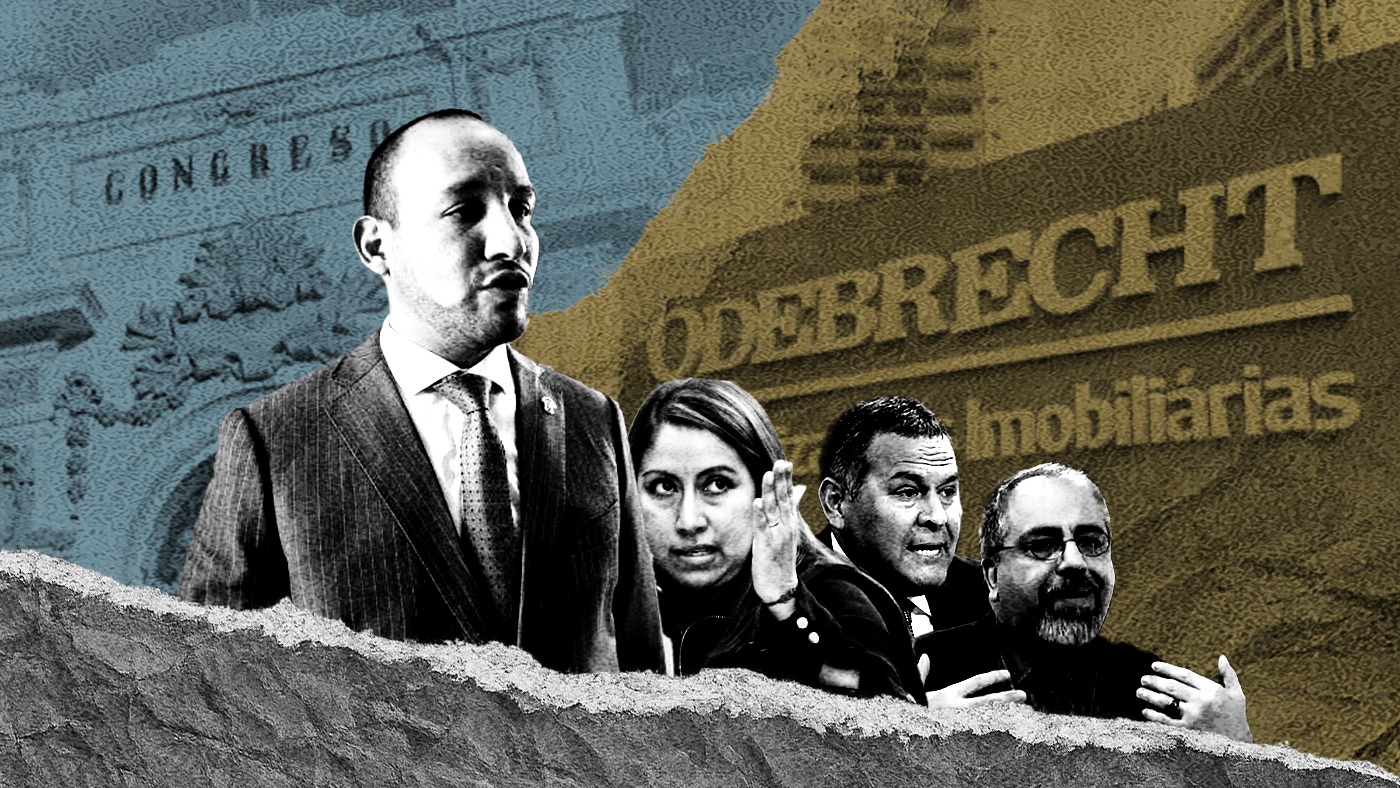
The center of gravity in Peruvian politics has shifted decisively. Following the collapse of the Castillo administration and the subsequent power vacuum, a coalition anchored by Keiko Fujimori’s Fuerza Popular has consolidated control. By seizing the Executive branch and intimidating or capturing the remaining oversight institutions, this coalition has set its sights on a primary objective: the total destruction of anti-corruption investigations, most notably the Cuellos Blancos (White Collars) and the expansive Lava Jato (Car Wash) probes. The vehicle for this demolition is the so-called "Muñante Commission."
The Anatomy of a Conflict of Interest
The Muñante Commission, led by Alejandro Muñante, purports to be an investigative body seeking truth. In reality, a cursory examination of its structure reveals a series of egregious conflicts of interest that render its findings fundamentally compromised.
The Advisory Fiasco
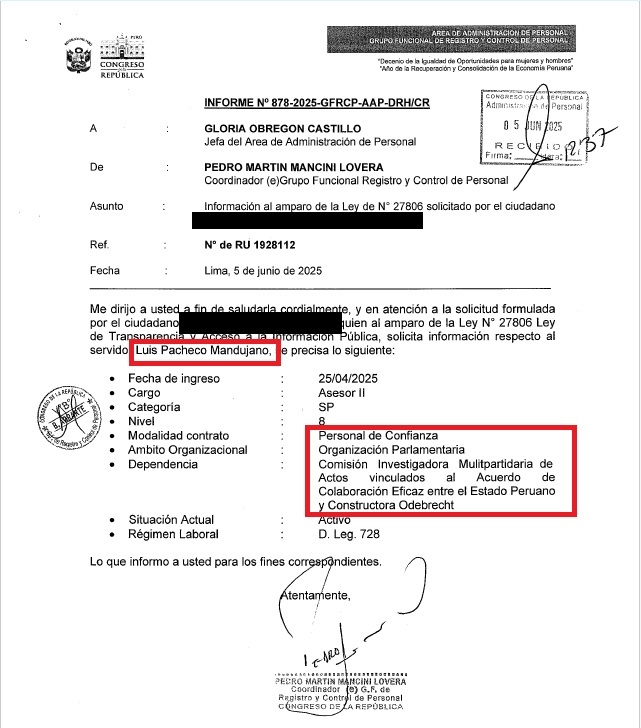
The commission’s integrity was dealt a fatal blow early on through the hiring of Luis Pacheco Mandujano as an advisor. Pacheco Mandujano is not an impartial legal mind; he is the defense attorney for Gonzalo Monteverde, a central figure in the Lava Jato money laundering network currently in hiding. Pacheco Mandujano’s involvement went beyond legal defense, manifesting as a campaign of disinformation against the very investigations he was supposedly helping to "audit." Though his appointment was revoked following public outcry, the stain on the commission’s legitimacy remains.
The "Expert" Witnesses
The commission’s reliance on "independent experts" is equally problematic:
- Alejandro Muñante: As the commission president and a member of Renovación Popular, he oversees an investigation that directly benefits his own party, which is currently under scrutiny for corrupt dealings dating back to its previous iteration as Solidaridad Nacional.
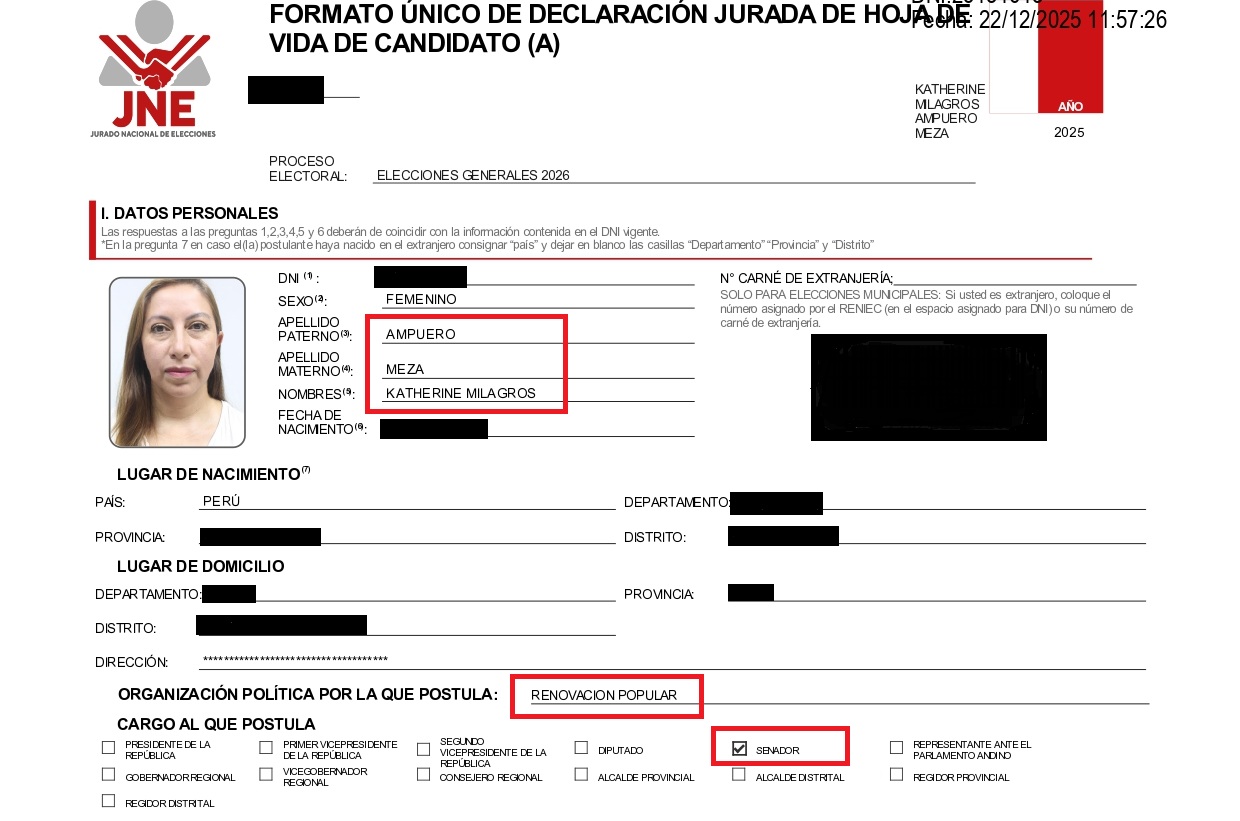
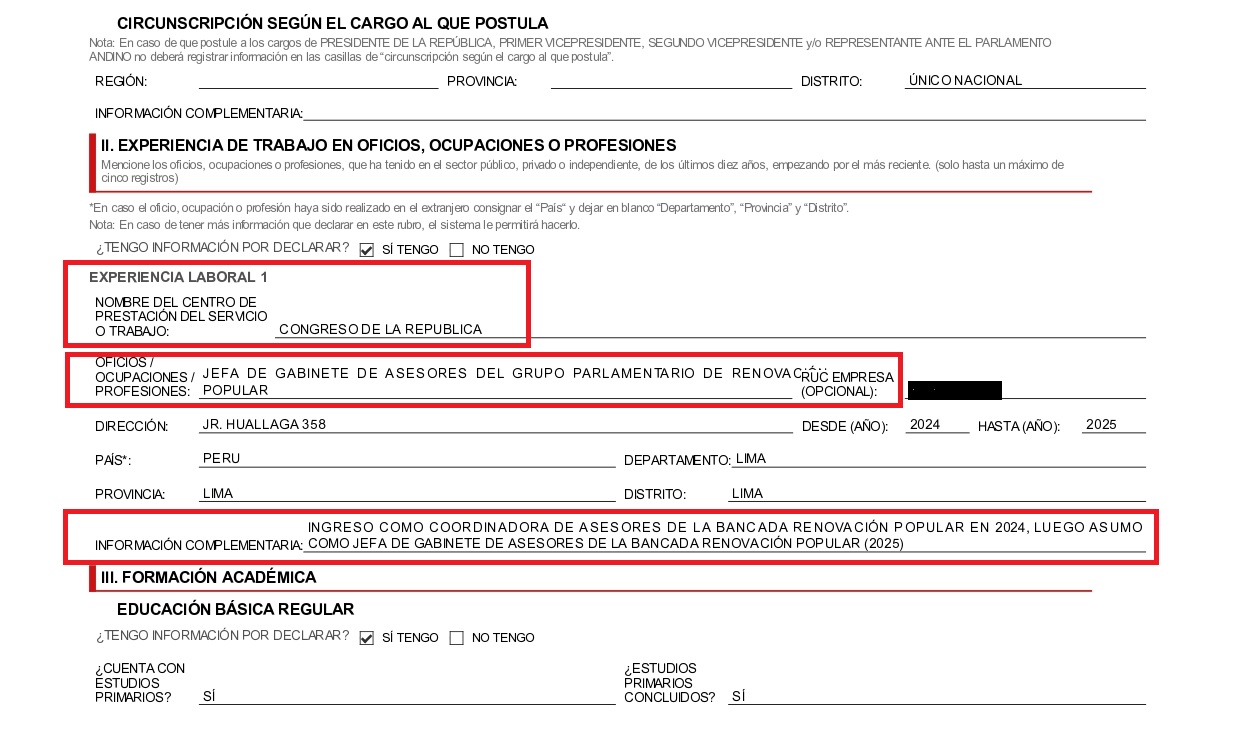
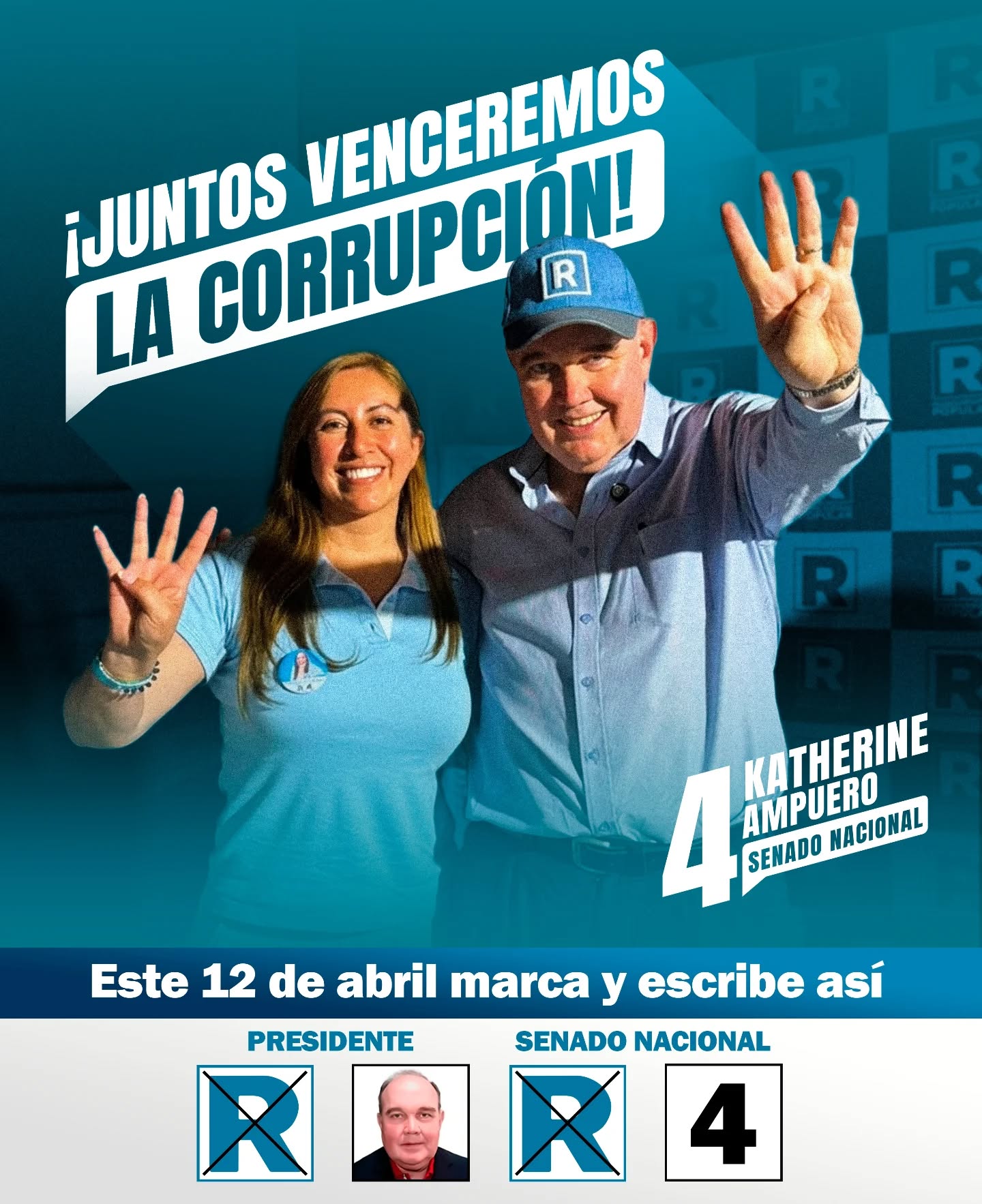
- Katherine Ampuero: Presented as an objective legal expert, her resume is marked by her controversial tenure as an ad-hoc prosecutor in the Lava Jato case, from which she was dismissed due to a loss of institutional trust. Crucially, at the time of her testimony, she served as the head of the cabinet of advisors for the Renovación Popular parliamentary group. She later successfully ran for the Senate under the same party banner.
- Wilber Medina: A long-time lawyer for Alan García and currently legal counsel for Lima Mayor Rafael López Aliaga, Medina is presented as an independent voice despite his deep-seated ties to the political actors he is ostensibly investigating.
Chronology of Hostility: The War Against the Prosecutors
The commission’s mandate was never to find facts, but to execute a pre-determined political agenda: the neutralization of those who hold the corrupt accountable.
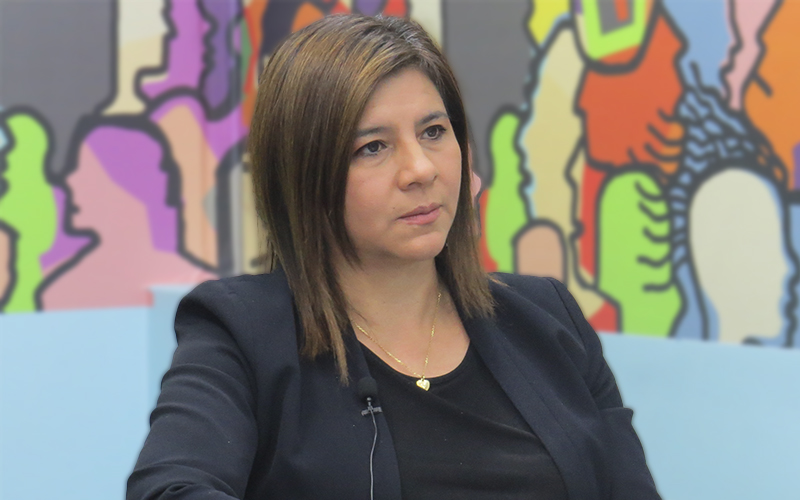
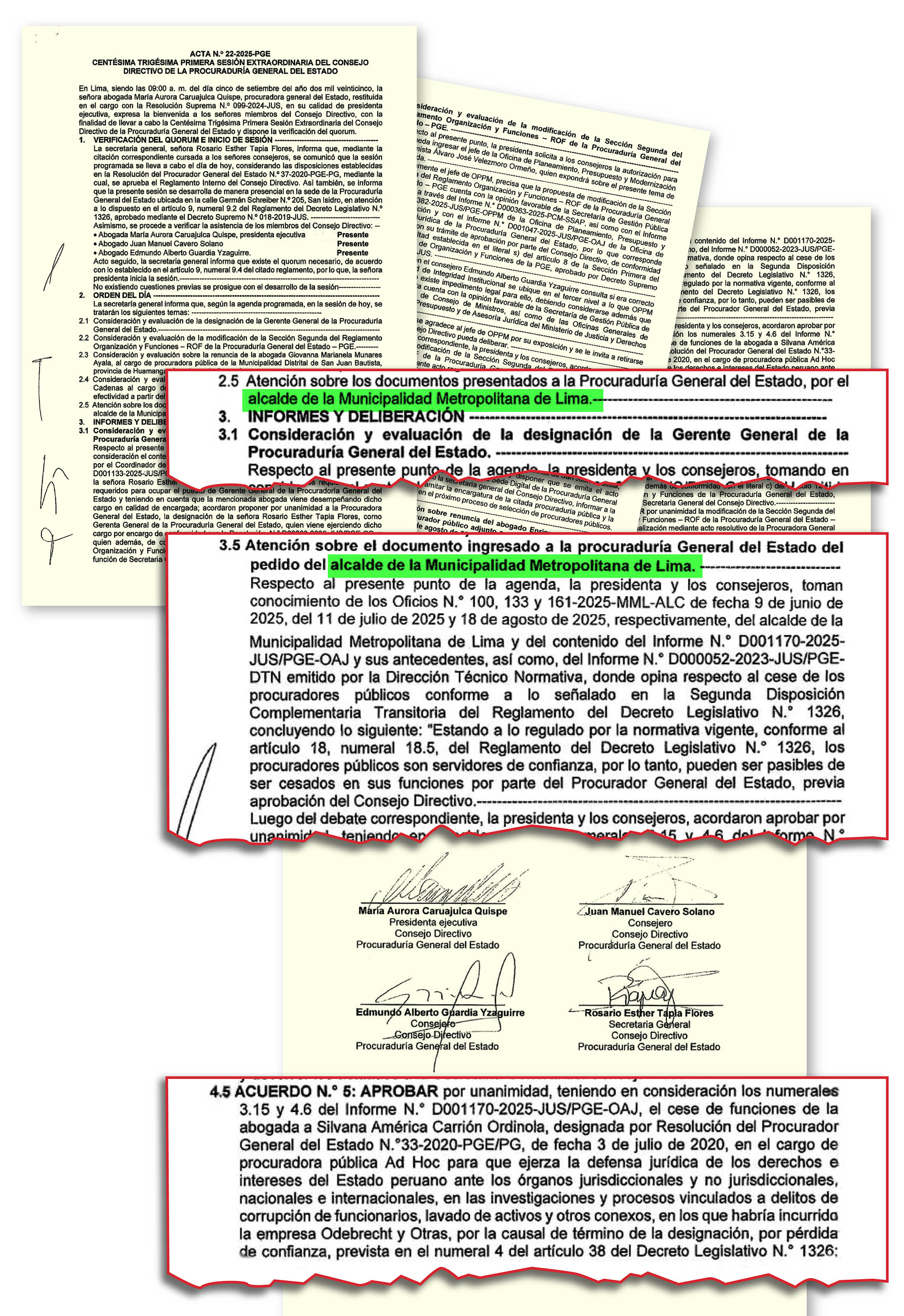
The Targeted Removal of Silvana Carrión
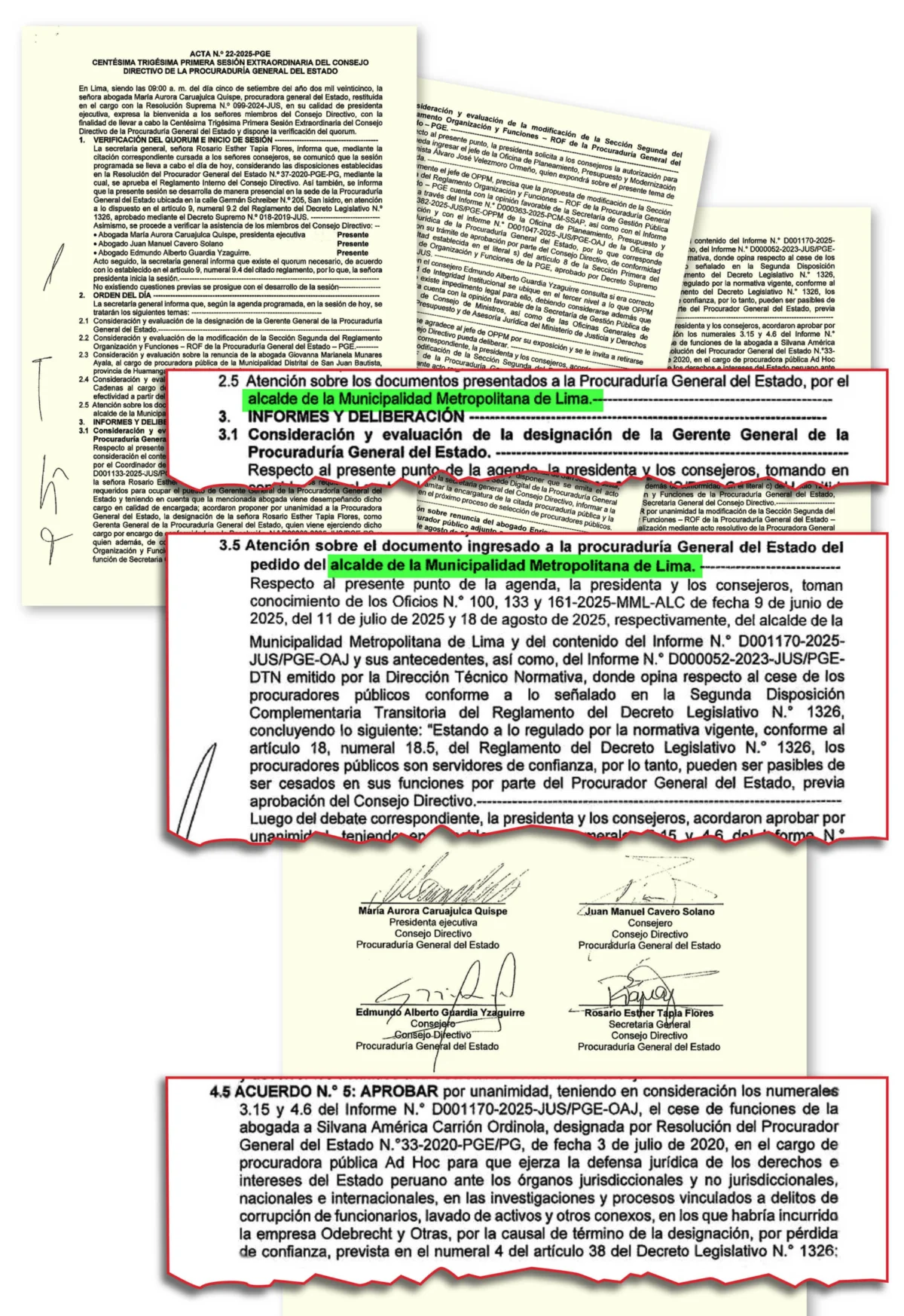
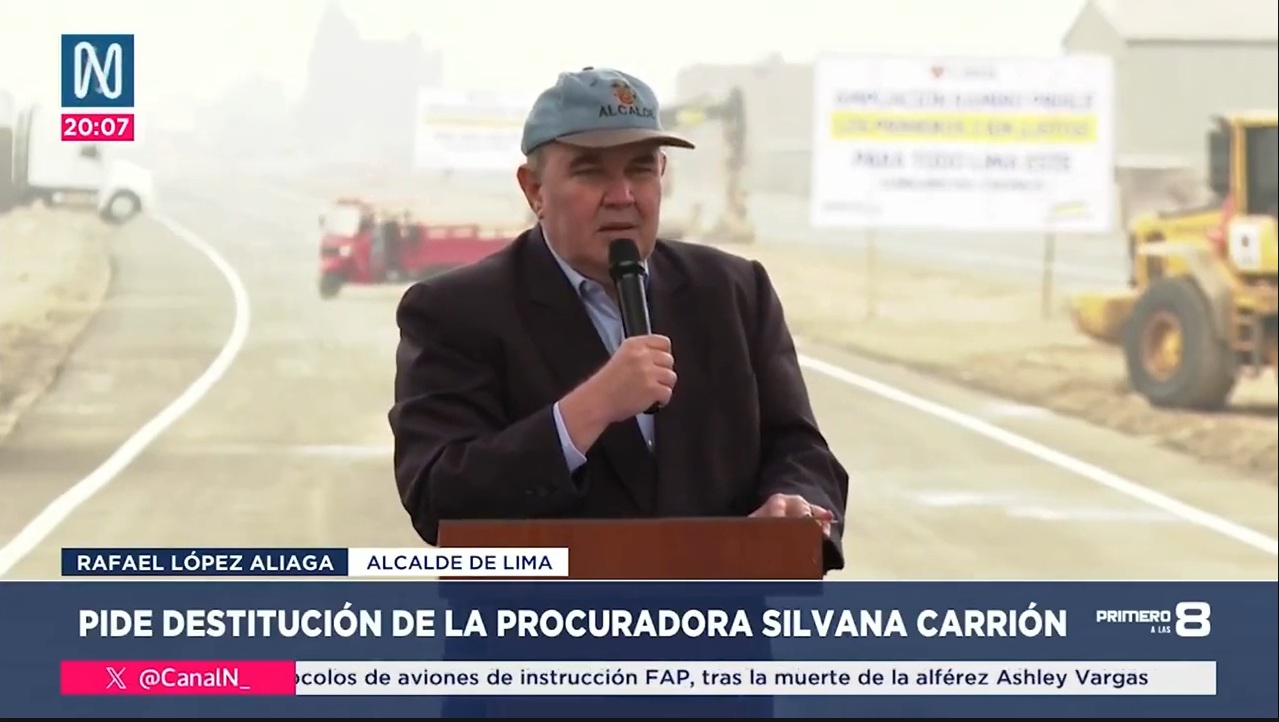
In April 2025, ad-hoc prosecutor Silvana Carrión requested that the Judiciary include Renovación Popular as a civilly liable third party in the Lava Jato case, seeking 238 million soles in reparations. The response from the political class was swift and retaliatory. Under intense pressure from Mayor Rafael López Aliaga—who had been struggling with legal setbacks in the United States—the coalition moved to dismantle the prosecutor’s office.
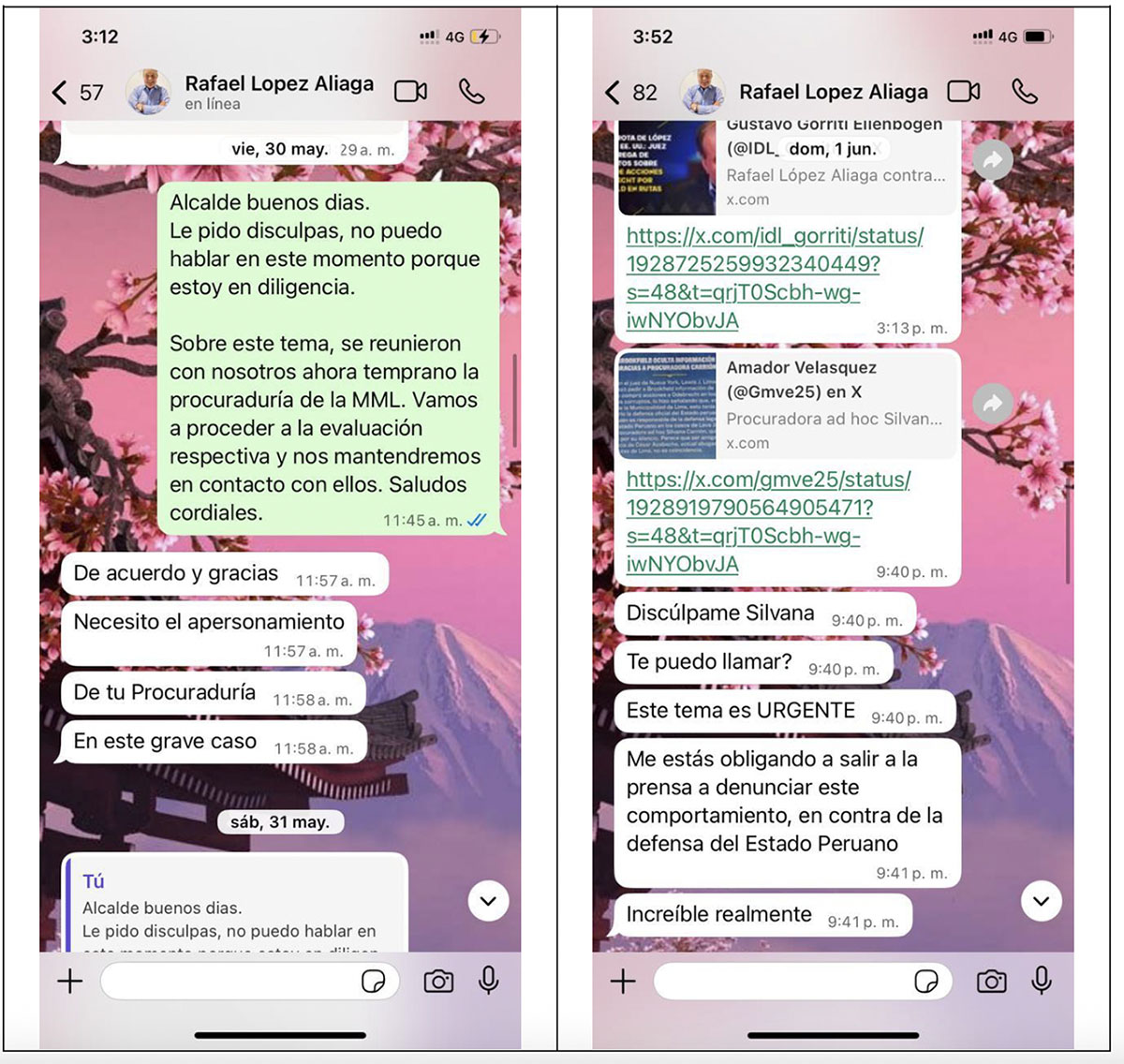
In June 2025, four congressmen from Renovación Popular, led by Alejandro Muñante, met with the Prosecutor General to demand Carrión’s removal. Their success in this endeavor signaled the effective decapitation of the most successful anti-corruption legal team in Latin America.
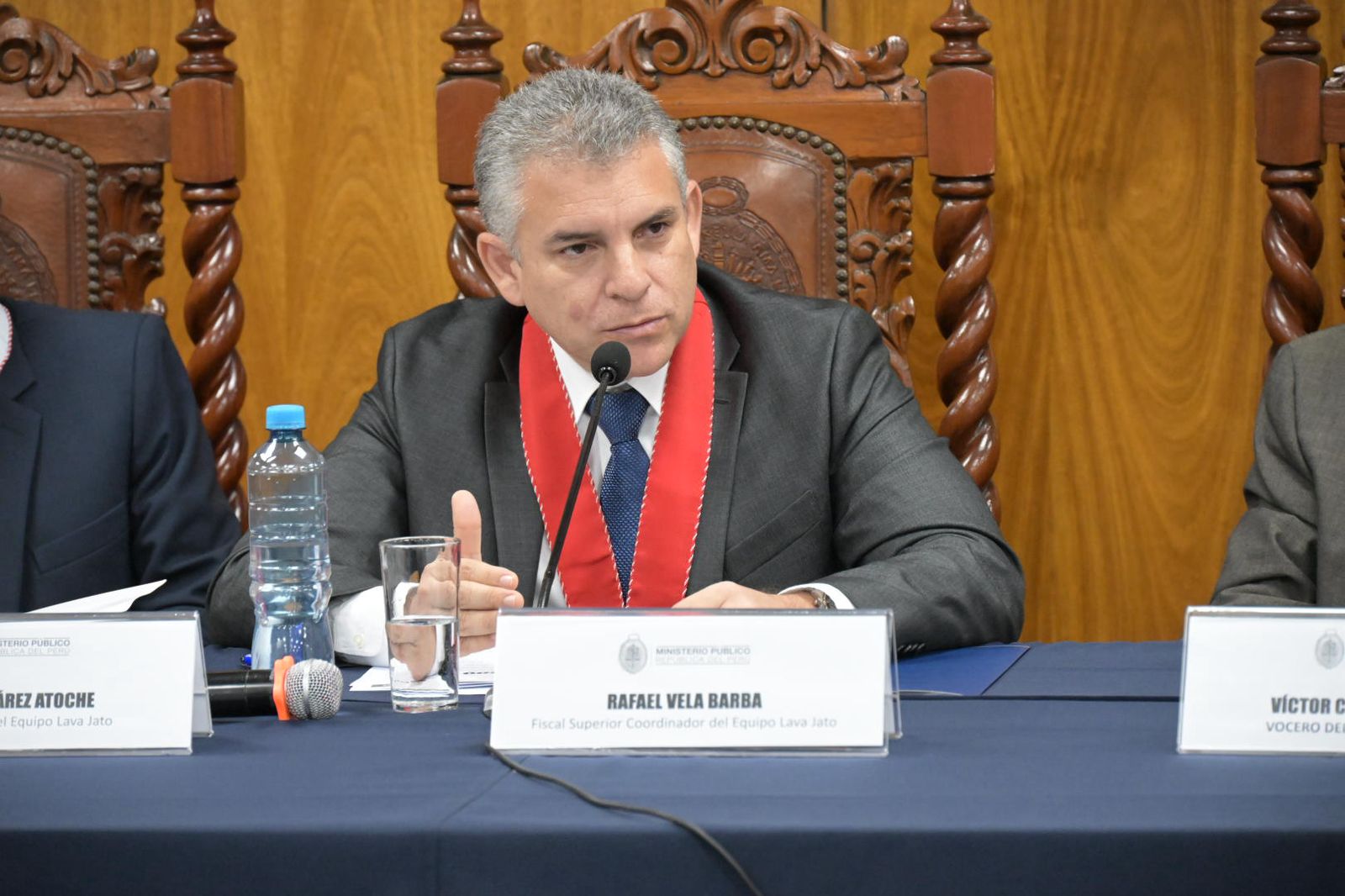
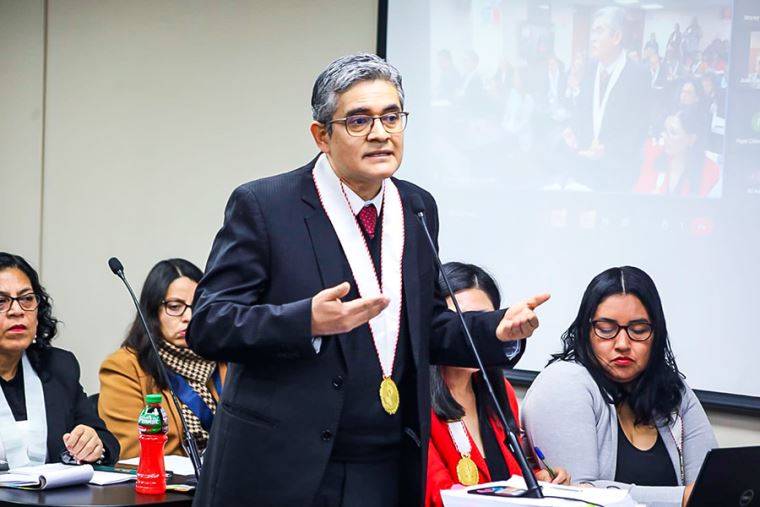
The Persecution of Rafael Vela and José Domingo Pérez
The commission’s hostility toward Fiscal Superior Rafael Vela and lead investigator José Domingo Pérez follows the same pattern. When Vela attempted to defend the legality of the collaboration agreements with Odebrecht, he was met with a campaign of administrative harassment. The commission sought to criminalize standard legal procedures—such as the "progressive" nature of the collaboration agreement—ignoring the fact that these procedures were validated by the Supreme Court. By targeting not only the prosecutors but also the judges who homologated these agreements, the commission has created a climate of fear designed to ensure that no magistrate dares to challenge the current status quo.
Supporting Data: The International Consensus
While the Peruvian political apparatus claims to be conducting a "cleansing" of the judicial system, international observers have sounded the alarm.
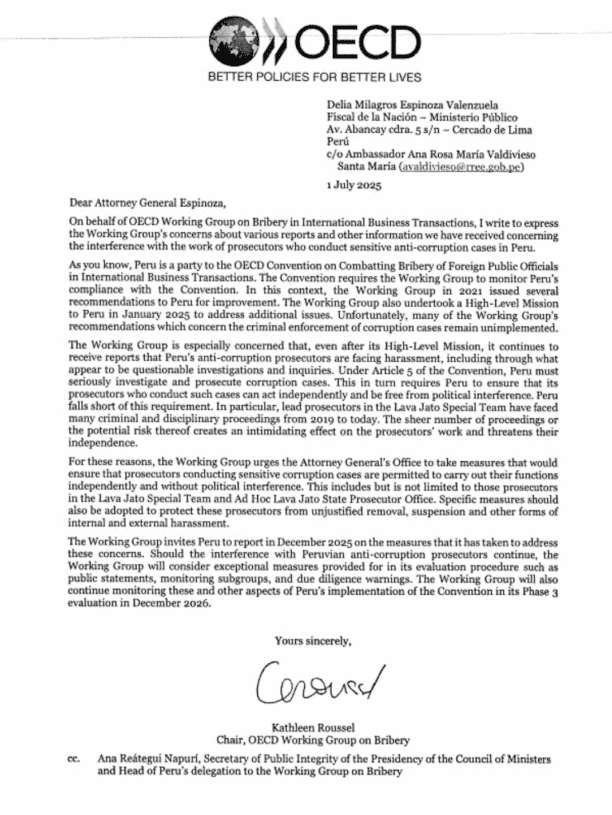
In January 2025, a high-level mission from the OECD, led by Kathleen Roussel, visited Lima. Their communication was unequivocal: the independence of the Peruvian fiscal and judicial systems is under severe threat. The OECD noted that while Peru had made significant strides in combating corruption, the current "proactive" measures against prosecutors represent a dangerous slide into political interference.

By October 2025, Margaret Satterthwaite, the UN Special Rapporteur on the independence of judges and lawyers, expressed grave concern over the harassment, stigmatization, and intimidation of Pérez, Vela, and investigative journalist Gustavo Gorriti. Despite these warnings, the coalition has doubled down, treating the OECD’s requirements as mere obstacles to be bypassed.
The "Villanueva" Narrative: A Case Built on Sand
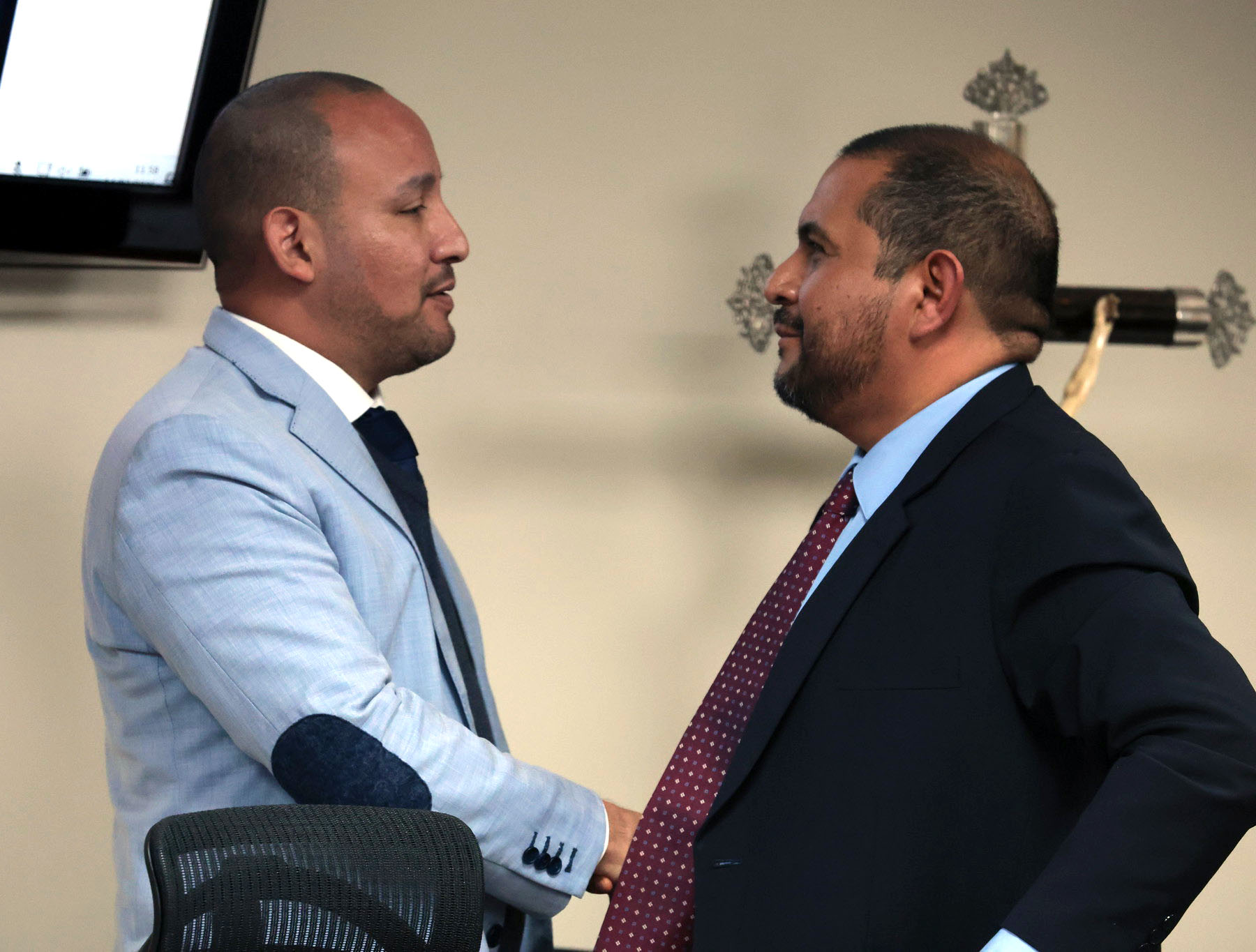
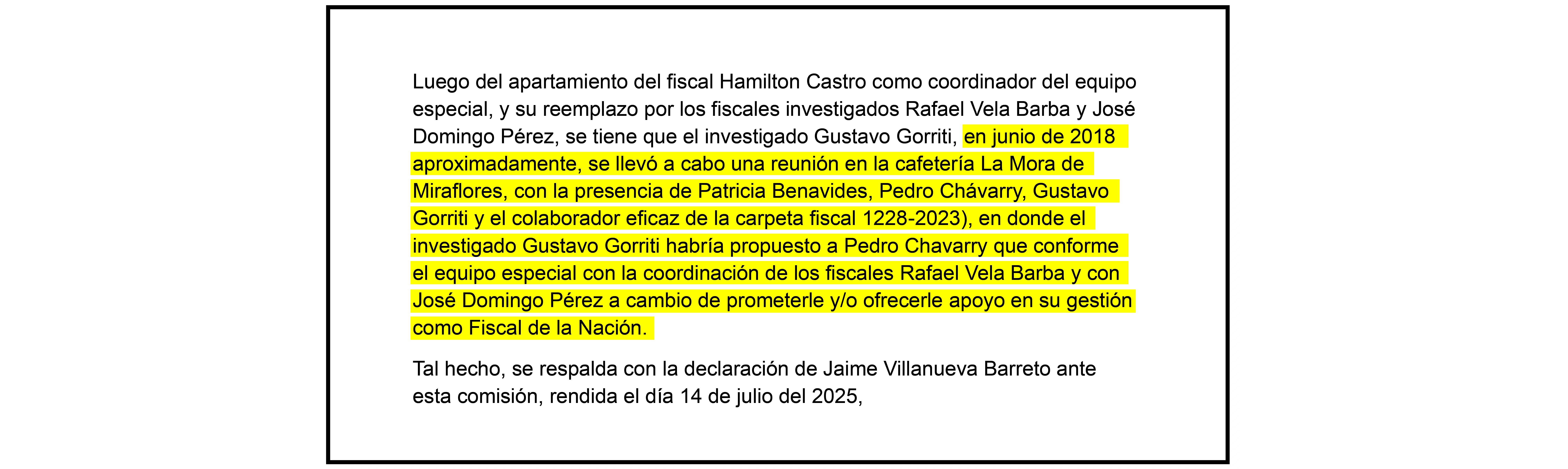
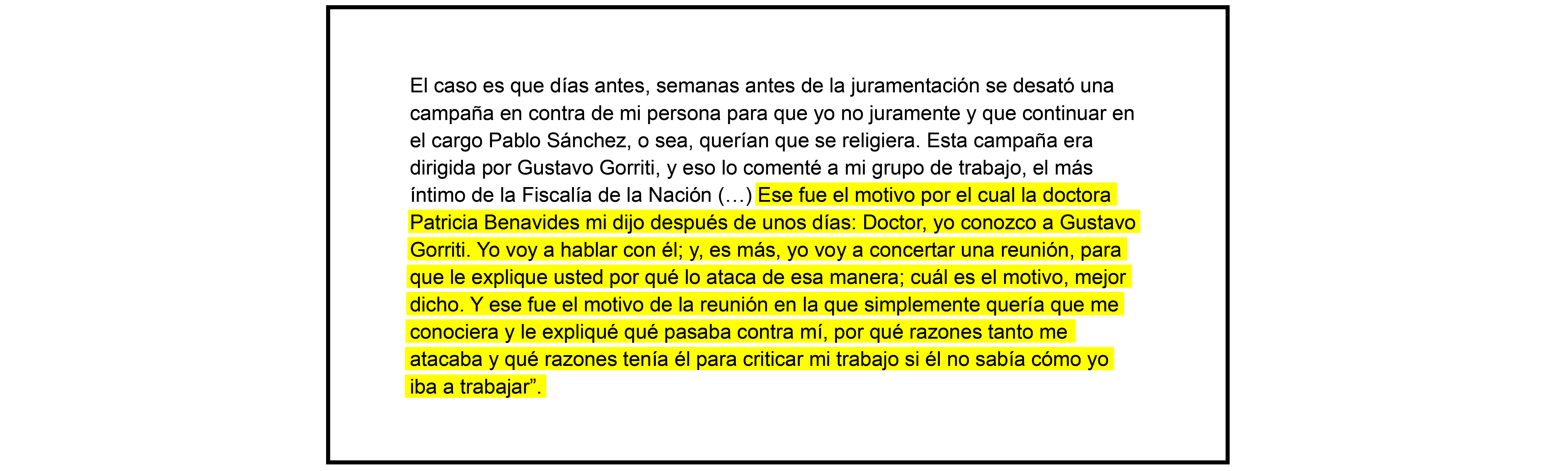
The most absurd aspect of the Muñante Commission’s report is its reliance on the testimony of Jaime Villanueva. Villanueva, a former high-ranking official turned "collaborator," has become a multi-purpose witness for the coalition.
However, Villanueva’s credibility is non-existent. His testimony has been systematically dismantled by multiple legal authorities, including the current Prosecutor General, Tomás Aladino Gálvez. In a 279-page document, Gálvez—himself no stranger to controversy—noted that Villanueva’s testimony is characterized by contradictions, lack of peripheral evidence, and a clear motivation by personal resentment.
The commission, in its desperation to frame its political opponents, has attempted to treat Villanueva’s claims as gospel. Yet, even within their own ranks, there is an implicit understanding that Villanueva’s word is "less reliable than a thirteen-sol bill." When even those accused of being Cuellos Blancos find a witness’s testimony too unreliable to support a case, the entire legal edifice of the Muñante Commission collapses.
Implications: The Death of Accountability
The implications of this coordinated assault on the rule of law are profound. By weaponizing the legislative and administrative processes, the current coalition has achieved two goals:
- Impunity: They have successfully shielded themselves from the consequences of their involvement in the Lava Jato and Lava Juez scandals.
- Normalization of Corruption: By defining standard investigative work as "cohecho" (bribery) or "conspiracy," they have inverted the moral landscape of the country.
The Muñante Commission’s report is not a legal document; it is a political manifesto designed to provide a veneer of legitimacy to an authoritarian purge. As the commission’s toxic findings move toward full integration into the judicial system, the prospect of a fair trial for any political actor in Peru becomes increasingly remote.

Conclusion: The Future of the "Interesting"
As we approach the end of 2026, the evaluation by international bodies like the OECD will likely confirm what is already apparent to any objective observer: the Peruvian state is in a state of institutional regression. The purge of the Special Team, the intimidation of the Judiciary, and the capture of the Public Ministry are not merely "interesting" developments—they are the hallmarks of a regime that has prioritized self-preservation over the integrity of the republic.
If the minimum standards of logic and law were to prevail, the Muñante Commission’s report would be discarded as a farcical affront to justice. Yet, given the current concentration of power, the only conclusion one can draw is that, in this new, grim era of Peruvian politics, "anything is possible." The machinery of impunity is now fully operational, and the dismantling of the truth is, for the time being, complete.