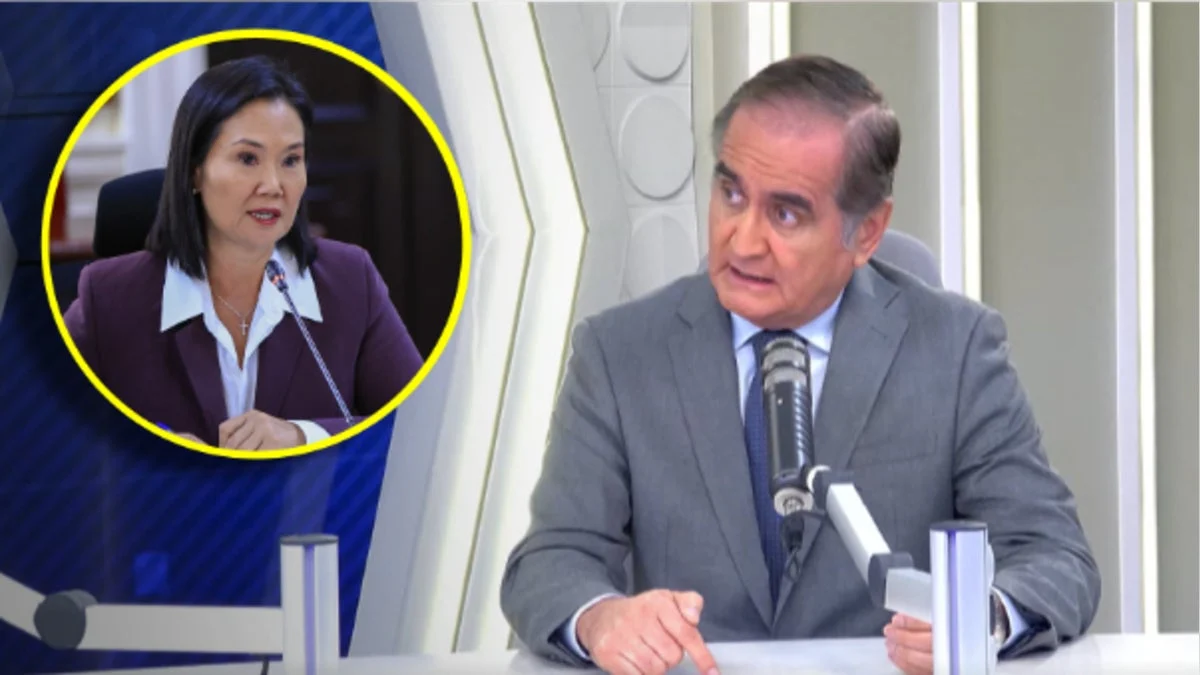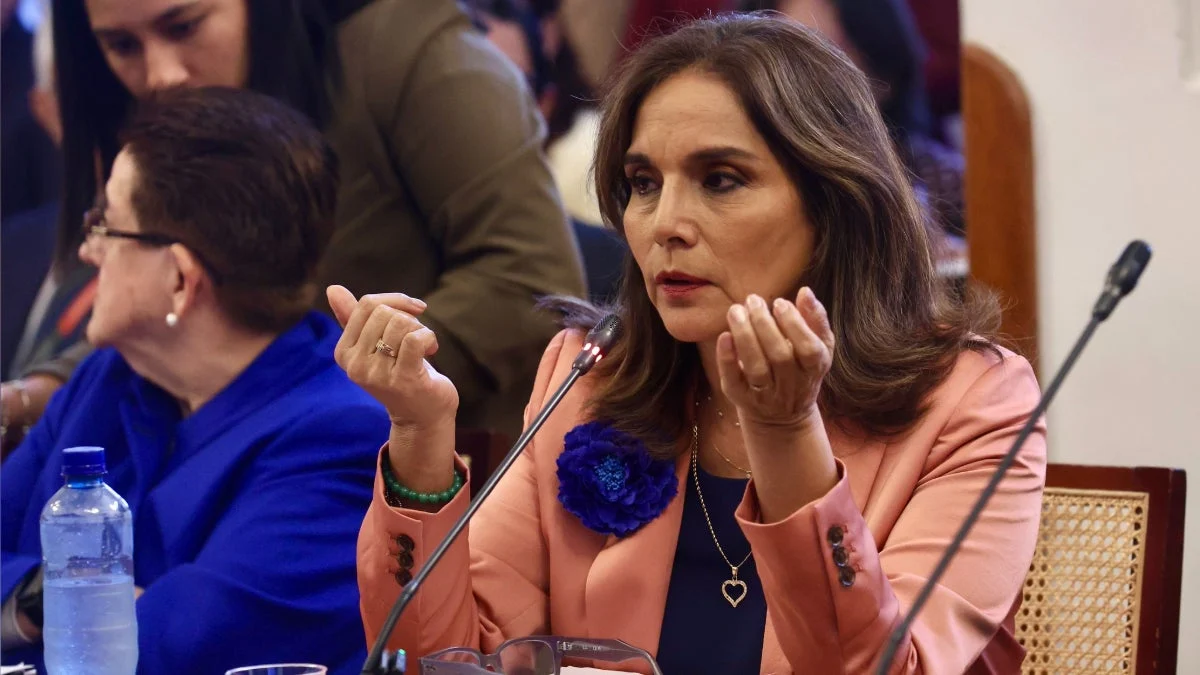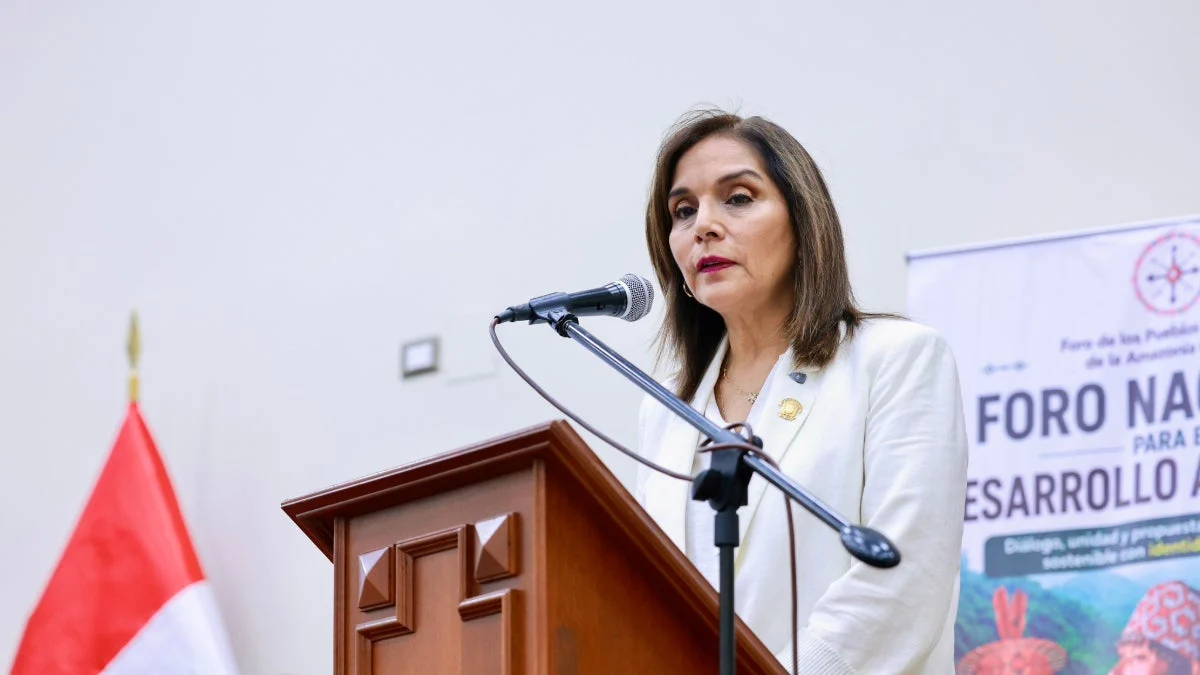
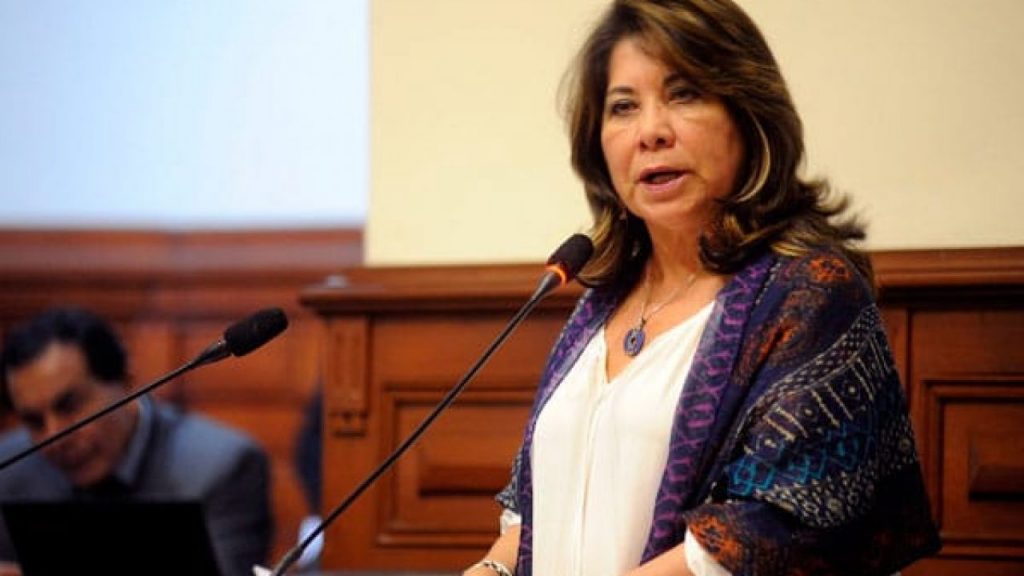
In a recent televised interview that has reignited debates over Peru’s political past, Martha Chávez, a prominent figure and elected senator for the Fuerza Popular party, mounted a staunch defense of former President Alberto Fujimori. Addressing long-standing allegations of corruption that plagued his decade-long administration (1990–2000), Chávez asserted: "Acts of corruption were highly localized, but they never touched President Fujimori."
This statement, intended to sanitize the historical record of the Fujimori era, stands in stark contradiction to the established judicial reality. A rigorous investigation by the AmaLlulla fact-checking network, supported by judicial documentation, confirms that the claim is demonstrably false. The reality is that Alberto Fujimori was not merely a passive observer of his government’s inner workings; he was a central actor in a systemic structure of corruption that resulted in multiple criminal convictions.
The Weight of Judicial Sentences
The assertion that corruption did not "touch" the former president collapses under the scrutiny of the Peruvian judiciary. Alberto Fujimori has been sentenced on multiple occasions for crimes against the public administration—crimes specifically categorized under the Peruvian Penal Code as acts of corruption. These include, but are not limited to, the illicit purchase of media editorial lines, the illegal interception of private communications, the bribery of opposition congressmen, and the misappropriation of state funds to provide a "severance payment" (CTS) to his former intelligence chief, Vladimiro Montesinos.
In these legal proceedings, the judicial authorities did not find Fujimori to be an oblivious leader, but rather a mastermind who utilized the highest office in the land to consolidate power, silence dissent, and enrich his inner circle.
Chronology of Corruption: Key Judicial Milestones
To understand the scope of the criminal activity during the Fujimori administration, one must look at the specific cases that led to his convictions.
The Case of the $15 Million "Severance Payment" (2009)
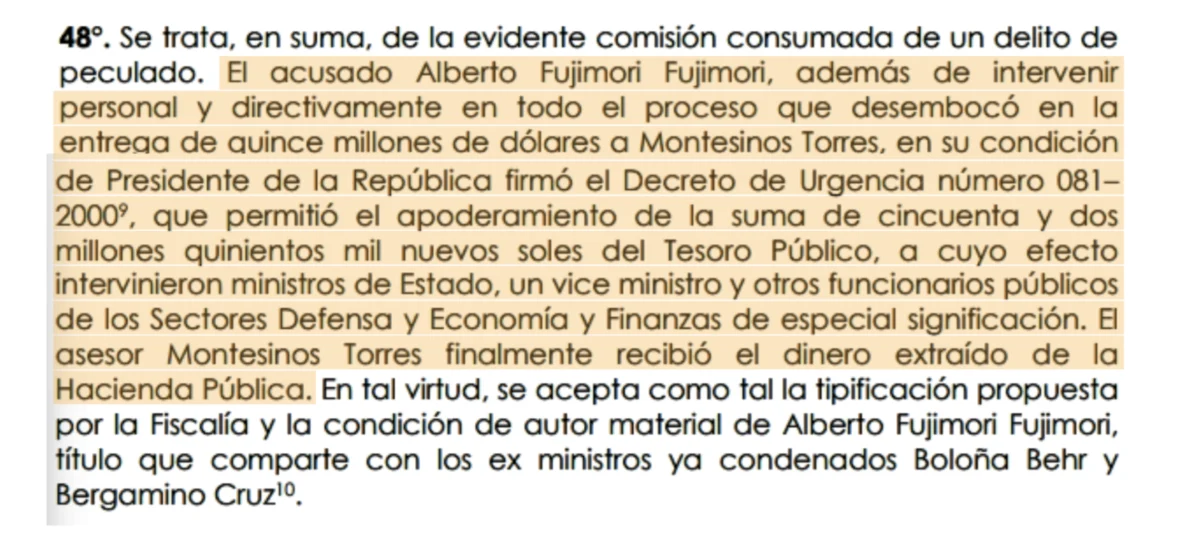
On July 20, 2009, the Special Criminal Chamber of the Supreme Court sentenced Alberto Fujimori to seven years and six months in prison for the crimes of embezzlement (peculado doloso) and ideological falsehood.
The court determined that in September 2000, Fujimori, acting in concert with his Ministers of Economy (Carlos Boloña), Defense (Alberto Bergamino), and the Prime Minister (Luis Federico Salas), issued an emergency decree (DU 081-2000). The pretext was a fabricated national security threat involving the Revolutionary Armed Forces of Colombia (FARC), which supposedly necessitated an urgent $15 million allocation. In reality, the funds were siphoned directly into the hands of Vladimiro Montesinos under the guise of a "compensation for time of service" (CTS). The decree was never vetted by the Council of Ministers nor reported to Congress, revealing a clandestine effort to loot the public treasury for the personal benefit of the president’s right-hand man.
The "Plan of Recruitment" and Media Control (2009)
Barely two months later, on September 30, 2009, the Supreme Court handed down another conviction against Fujimori, this time for crimes including embezzlement, active bribery, and illegal wiretapping. The sentence carried a six-year prison term and a massive civil reparation payment.
In this instance, the evidence presented by the prosecution—and ultimately accepted by Fujimori through a process of "anticipatory conclusion" (a legal mechanism where the accused admits the facts to expedite sentencing)—painted a picture of a regime built on the subversion of democratic institutions:
- The Bribery of Congressmen: Fujimori admitted to orchestrating a "Recruitment Plan" designed to bribe 13 opposition congressmen. These legislators received monthly payments from the National Intelligence Service (SIN) and diverted funds from the Ministry of Defense to switch their political allegiances, ensuring the government maintained a legislative majority.
- The Media Monopoly: The former president admitted to ordering the purchase of "Cable Canal de Noticias" and controlling the editorial line of the newspaper Expreso. These actions were funded by public resources, aimed specifically at promoting his controversial re-election campaign in 2000.
- The "Plan Emilio" (Illegal Wiretapping): Perhaps the most chilling admission involved the systematic surveillance of political opponents, journalists, and private citizens. The Supreme Court found that a clandestine wiretapping center, dubbed "Casablanca," was installed within the National Intelligence Service and the Government Palace itself. Fujimori was identified as the "principal beneficiary" of these activities, using the intercepted information to neutralize political rivals.
The Legal Mechanics of Accountability
It is essential to address the legal strategy employed by the former president during these trials. Fujimori frequently utilized the conformidad procesal (procedural conformity). By accepting the charges, he avoided a prolonged trial. While his defenders often argue that this was a strategic move rather than a genuine admission of guilt, the judicial record remains unchanged: the courts formally recognized his direct involvement and responsibility for these crimes.
These acts are classified under Title XVIII of the Peruvian Penal Code as "Crimes Against the Public Administration." As defined by the Public Ministry of Peru, these offenses represent the most severe breach of trust between a public servant and the state. They do not represent "isolated" incidents, but rather a coherent policy of governance that prioritized personal power over constitutional integrity.
Official Responses and the Pattern of Denial
The attempt by Martha Chávez to shield the former president from his judicial history is not an isolated incident. It is part of a broader political narrative consistently pushed by Fuerza Popular. In June 2023, the AmaLlulla network verified similar claims made by then-congressman Hernando Guerra García, who also falsely asserted that Fujimori had never been convicted of corruption.
When approached for comment on the current controversy, neither Senator Chávez nor the press office of Fuerza Popular provided a response to the evidence presented. This silence is indicative of a strategy that relies on political rhetoric to override judicial facts, creating a "post-truth" environment regarding the 1990s in Peru.
The Broader Implications for Peruvian Democracy
The persistence of the argument that Alberto Fujimori was "untouched" by corruption—despite overwhelming judicial evidence—has profound implications for the health of Peruvian democracy.
- Erosion of Institutional Memory: By reframing criminal convictions as political persecution, proponents of this narrative undermine the legitimacy of the judicial system. If a former head of state can be proven to have orchestrated the bribery of congress and the illegal surveillance of citizens, yet his supporters insist he is "clean," the public’s ability to demand accountability from current and future leaders is severely weakened.
- Normalization of Corruption: When corruption is dismissed as "highly localized" or "incidental," it creates a culture where the misuse of public funds is viewed as a minor administrative oversight rather than a fundamental assault on the state.
- The Challenge of Historical Reconciliation: Peru remains deeply divided over the legacy of the 1990s. The economic stabilization achieved during that era is often used as a shield to deflect scrutiny from the human rights abuses and the institutional rot that accompanied it. A mature democracy requires the acknowledgment of both; it cannot afford to trade the rule of law for a curated version of history.
Conclusion
The evidence is unequivocal: Alberto Fujimori was not a bystander to the corruption of his administration. The judicial sentences, the admissions of his own defense, and the documented use of state resources to bribe, surveil, and control the media tell a definitive story.
Martha Chávez’s recent claims are not merely a difference of opinion; they are a direct challenge to the historical and legal truth of the Peruvian Republic. As the country continues to grapple with the long shadow of the Fujimori years, the role of investigative journalism and rigorous fact-checking remains essential. The integrity of the present depends, in large part, on an honest reckoning with the past. For now, the verdict of the courts remains the final word: the corruption did not just "touch" the president—it was led by him.