Introduction: A Vital Artery for Central Peru
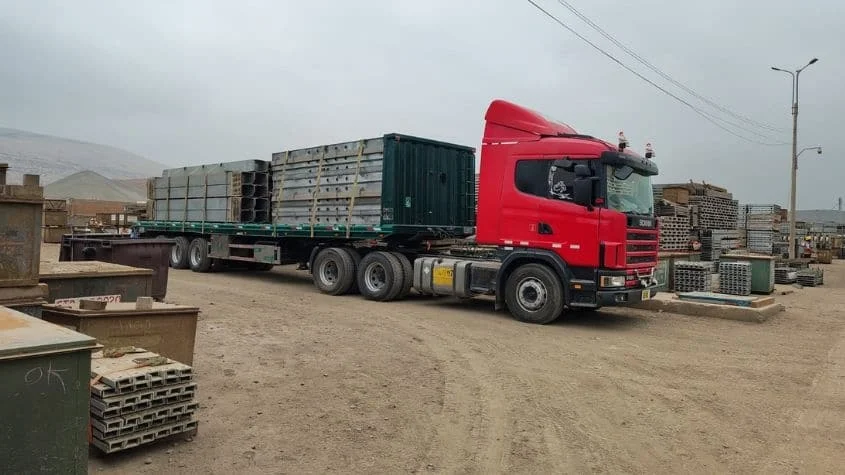
In a significant move to bolster the infrastructure of the Huánuco region, the Peruvian Ministry of Transport and Communications (MTC), through Provías Nacional, has initiated the large-scale logistical operation of transporting 600 tons of metallic components to the province of Leoncio Prado. This ambitious project aims to construct the "La Muyuna" bridge, a 130-meter-long infrastructure designed to serve as a critical bypass for the existing Corpac bridge over the Huallaga River.
This project represents more than just steel and concrete; it is a strategic response to the perennial challenges posed by the region’s geography and climate. By providing an alternative route, the MTC seeks to guarantee the permanent flow of goods and people between Tingo María and Monzón, ensuring that the economic and social heart of the region continues to beat even during the most severe weather events.
Main Facts: The Scope of the Project
The La Muyuna bridge is a sophisticated engineering endeavor designed to withstand the high-intensity demands of the Andean-Amazonian transition zone. Key specifications of the project include:
- Physical Dimensions: A total span of 130 meters, engineered for durability and load-bearing capacity.
- Infrastructure Design: The bridge will feature dual carriageways, allowing for simultaneous two-way traffic, complemented by dedicated pedestrian walkways to ensure the safety of local commuters.
- Logistical Weight: The project requires the transport of approximately 600 tons of specialized metallic bridge components from central storage facilities in Lima to the remote site in Huánuco.
- Primary Objective: To provide a redundant route for the Corpac bridge, preventing the isolation of districts during seasonal flooding or maintenance periods.
- Beneficiaries: Over 100,000 residents across the Luyando and Castillo Grande districts, alongside countless travelers and freight operators.
Chronology of Development
The realization of the La Muyuna bridge is the culmination of careful inter-institutional planning and phased execution.
Phase 1: Planning and Agreement (Q1–Q3 2026)
The groundwork for the project was laid through a formal inter-institutional agreement between the Regional Government of Huánuco and the central government’s Provías Nacional. This phase defined the division of labor, with the regional government taking the lead on local geotechnical studies, the drafting of the technical file, and the critical task of preparing the access roads and the supporting foundation pillars.
Phase 2: Logistical Mobilization (Current Status)
As of October 2026, the project has entered its most visible phase: the transport of the metallic superstructures. To date, six heavy-duty trailers carrying approximately 180 tons of material have successfully reached the site. The remaining 420 tons are currently in transit, representing a continuous logistical chain moving across the challenging topography of the Peruvian Andes.

Phase 3: Assembly and Launch (Anticipated)
Once the Regional Government of Huánuco completes the construction of the structural pillars and the approach roads, Provías Nacional will assume control of the site. This phase will involve the assembly of the modular metallic sections and the precision "launching" of the bridge over the Huallaga River, a technical process requiring specialized engineering teams.
Supporting Data: Economic and Social Impact
The economic landscape of Leoncio Prado is heavily dependent on agricultural exports and regional trade. Currently, the vulnerability of the Corpac bridge acts as a bottleneck for the local economy.
Agricultural Resilience
The Tingo María-Monzón corridor is a hub for high-value agricultural products, including coffee, cocoa, and tropical fruits. During the rainy season, the Huallaga River often swells, causing potential structural risks that force the closure of existing bridges. By establishing the La Muyuna route, producers can rest assured that their perishables will reach markets in Lima and other regions without the risk of being stranded, thereby protecting the livelihoods of thousands of smallholder farmers.
Transit Efficiency and Safety
The inclusion of pedestrian walkways in the design of the La Muyuna bridge is a major upgrade in safety. Historically, rural infrastructure in this area focused solely on vehicular traffic, often leaving pedestrians exposed to high-speed transit. By segregating pedestrian and vehicular traffic, the project adheres to modern international standards of road safety, reducing the probability of accidents and improving the quality of life for the local population.
Official Responses and Institutional Synergy
The success of this infrastructure project relies on the synergy between the Regional Government of Huánuco and the Ministry of Transport and Communications.
According to officials at Provías Nacional, the project is a testament to the effectiveness of decentralized governance. While the MTC provides the specialized technical expertise and the heavy components required for the bridge, the local government provides the granular, site-specific knowledge necessary to prepare the terrain.

"This is a shared responsibility," an MTC representative noted. "By allowing the regional government to handle the preparatory civil works, we ensure that the infrastructure is integrated seamlessly into the existing local road network, while the central government handles the heavy lifting of the bridge’s metallic heart."
Implications: Building for the Future
The construction of the La Muyuna bridge is a cornerstone of the MTC’s broader initiative to modernize the non-conceded National Road Network.
Climate Adaptation
Climate change has made weather patterns in the Huánuco region increasingly unpredictable, with the Huallaga River exhibiting higher peak flow volumes during the rainy season. The La Muyuna bridge is designed with these new climate realities in mind, utilizing high-grade steel and robust structural foundations to ensure it remains operational even under extreme hydraulic pressure.
Connectivity as a Catalyst
Beyond the immediate benefits of transit, the project is expected to act as a catalyst for further investment in the region. Improved road reliability often leads to lower transportation costs, which in turn makes the region more attractive to commercial ventures and tourism. As the "gateway to the Amazon," the improved connectivity in Tingo María will facilitate a more robust integration between the Peruvian coast and the eastern jungle provinces.
Conclusion: A Milestone for Huánuco
The installation of the La Muyuna bridge stands as a clear indicator of the Peruvian government’s commitment to closing the infrastructure gap in its interior provinces. By prioritizing redundant, climate-resilient, and safe infrastructure, the state is moving away from reactive maintenance toward a proactive model of development.
As the remaining 420 tons of steel arrive in Huánuco over the coming days, the local population watches with anticipation. The completion of this 130-meter bridge will not merely connect two banks of the Huallaga River; it will bridge the gap between isolation and integration, safety and risk, and stagnation and progress for the 100,000 residents of Leoncio Prado. As the project enters its final phases, it serves as a beacon of what can be achieved through collaborative planning and a steadfast commitment to national infrastructure.