Lima, Peru & Quito, Ecuador – In the high-stakes world of heavy industry and large-scale mining, operational continuity isn’t just a goal; it’s the lifeblood of productivity and profitability. Every minute of downtime carries a significant financial burden, and for the mining sector, a single hour of electrical interruption can translate into staggering losses ranging from US$1 million to US$5 million. Beyond the economic repercussions, electrical incidents pose a severe threat to personnel safety, capable of bringing entire operations to a standstill. Similarly, in electrical substations (SET) and utility services, a complete system collapse signifies not only lost revenue from unbilled energy but also the specter of hefty penalties, third-party compensation claims, and a critical erosion of customer trust.
This stark reality is underscored by industry studies, which reveal that a significant portion of industrial accidents, between 25% and 40%, originate from electrical failures or substandard equipment. This data elevates electrical safety and continuous monitoring from mere operational considerations to strategic business imperatives. In response to these pressing challenges, the adoption of cutting-edge technologies such as Artificial Intelligence (AI) and Digital Twins is emerging as the primary pathway towards achieving unparalleled operational efficiency and maximizing reliability.
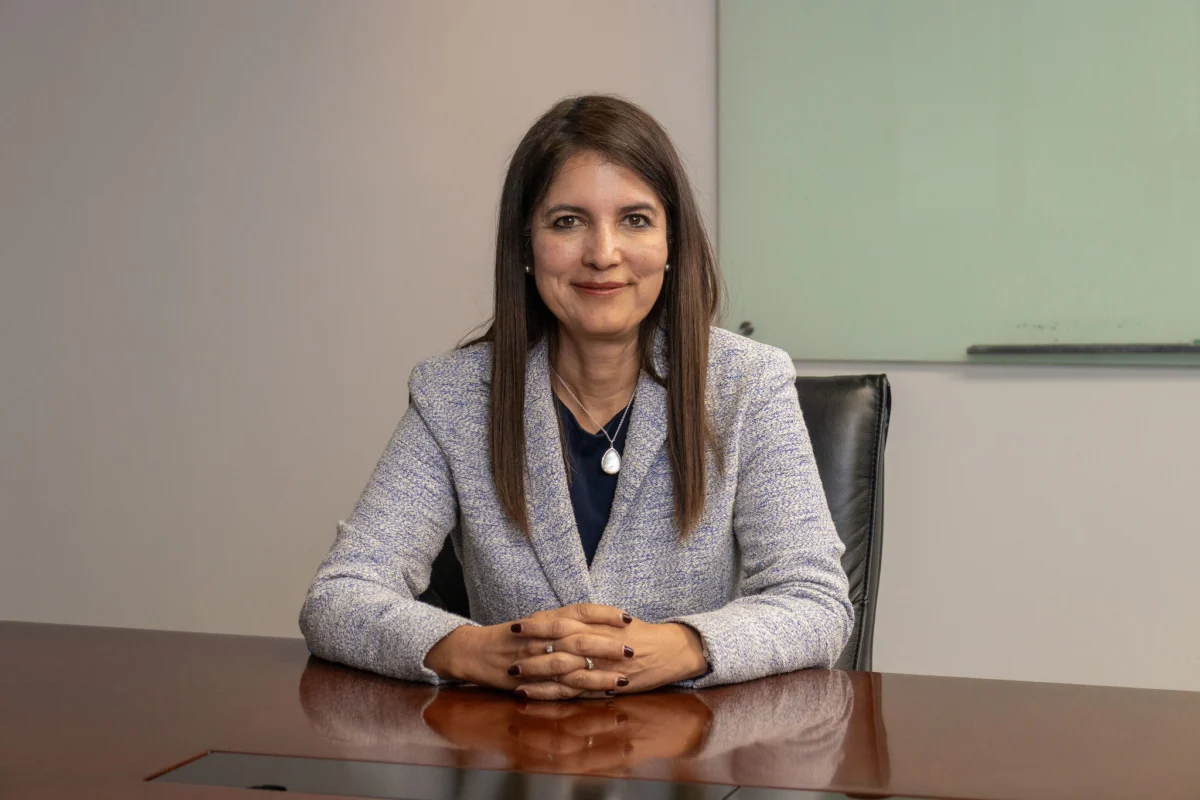
Arturo Salas, Vertical Power Utilities Manager at Siemens Peru, emphasized the transformative potential of these advancements. "Currently, the implementation of predictive maintenance powered by AI allows us to reduce unplanned stops or interruptions by 20% to 50%, decrease maintenance costs by 10% to 30%, and increase the availability of critical assets by 5% to 15%," he stated. This significant impact highlights the tangible benefits of integrating intelligent solutions into the core of industrial operations.
The Imperative for Enhanced Electrical Safety in High-Risk Industries
The inherent risks associated with electrical systems in demanding industrial environments cannot be overstated. In sectors like mining, where operations often extend to remote and challenging locations, the reliability of power infrastructure is paramount. A failure in the electrical grid, whether it’s a localized fault or a widespread outage, can have cascading effects. This includes the immediate cessation of extraction processes, damage to sensitive machinery, and, most critically, putting workers at risk during evacuation or emergency response efforts.
The financial implications of such disruptions are immense. For mining companies, the cost of lost production due to electrical failures is not a minor inconvenience but a substantial drain on resources. The figures provided by industry analysis – US$1 million to US$5 million per hour – paint a clear picture of the economic stakes involved. This highlights the urgent need for robust preventative measures and rapid response capabilities.
Beyond the mining sector, electrical substations and utility providers face their own unique set of challenges. These entities are responsible for the reliable distribution of electricity to a wide range of consumers, from residential areas to other industrial complexes. Any disruption in their service can lead to a domino effect of economic losses and public dissatisfaction. The penalties associated with failing to meet contractual obligations for energy supply can be severe, further compounding the financial strain. Moreover, the loss of customer confidence, once earned, is exceedingly difficult to regain.
The statistics pointing to electrical failures as the root cause of a quarter to over a third of industrial accidents are a sobering reminder of the importance of proactive safety measures. This underscores the fact that simply having equipment in place is insufficient; it must be maintained to the highest standards, continuously monitored, and protected against potential threats. This shift in perspective from reactive problem-solving to proactive risk mitigation is a fundamental change driven by the increasing complexity and interconnectedness of modern industrial systems.
Embracing the Future: AI and Digital Twins as Pillars of Operational Excellence
The integration of Artificial Intelligence (AI) and Digital Twins represents a paradigm shift in how industries approach electrical safety and operational reliability. These technologies are not merely incremental improvements; they offer a comprehensive suite of tools that enable a more predictive, proactive, and efficient operational environment.
Artificial Intelligence (AI), in the context of industrial operations, is revolutionizing maintenance strategies. By analyzing vast amounts of data generated by sensors embedded in electrical equipment – such as temperature, vibration, current, and voltage readings – AI algorithms can identify subtle anomalies and predict potential failures long before they occur. This moves beyond traditional time-based or reactive maintenance schedules to a truly predictive model, where interventions are made only when and where they are needed. This intelligent approach not only minimizes unnecessary maintenance activities but also optimizes the allocation of resources and reduces the likelihood of unexpected breakdowns.
The benefits of AI-powered predictive maintenance are manifold, as articulated by Arturo Salas of Siemens:
- Reduced Unplanned Interruptions: By forecasting potential failures, AI enables companies to schedule maintenance during planned downtime, thereby significantly reducing unexpected stoppages that disrupt production. The reported reduction of 20% to 50% in unplanned interruptions is a testament to this capability.
- Lowered Maintenance Costs: Proactive maintenance, guided by AI insights, prevents minor issues from escalating into costly repairs. It also allows for more efficient use of spare parts and labor, leading to overall cost savings of 10% to 30%.
- Increased Critical Asset Availability: By ensuring that critical electrical components are consistently operating within optimal parameters, AI contributes to a higher availability of these essential assets, directly impacting productivity and output. The reported increase of 5% to 15% in asset availability is a crucial metric for operational success.
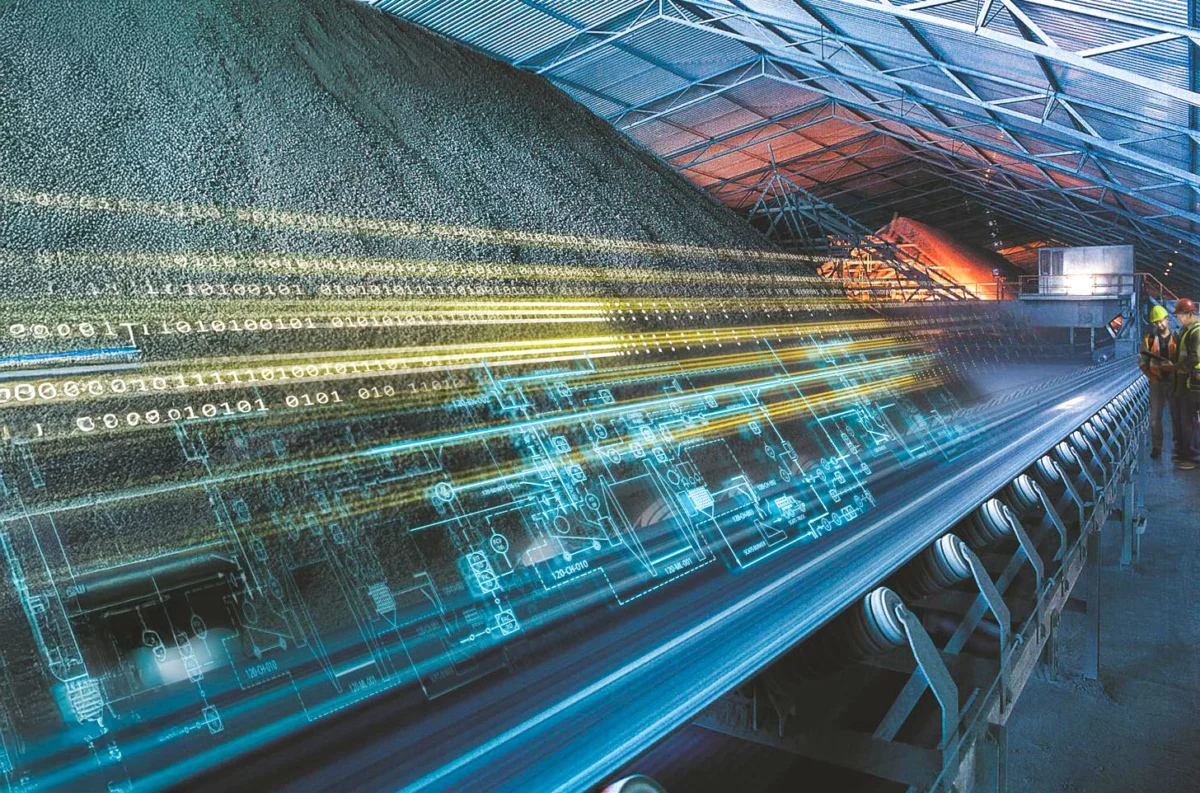
Complementing the power of AI are Digital Twins. A Digital Twin is a virtual replica of a physical asset, process, or system. In the context of electrical infrastructure, a Digital Twin can be a detailed, real-time model of a substation, a generator, or even an entire power grid. This virtual representation is fed with data from its physical counterpart, allowing for comprehensive monitoring, simulation, and analysis.
The synergy between AI and Digital Twins creates a powerful feedback loop. The Digital Twin provides the platform for AI algorithms to analyze and interpret data in a highly contextualized manner. This allows for more accurate predictions, more effective scenario planning, and a deeper understanding of system behavior under various conditions.
Digital Twins: Enhancing Day-to-Day Maintenance and Project Lifecycle
The impact of Digital Twins extends beyond just predictive maintenance; they play a crucial role throughout the entire lifecycle of an electrical asset or system.
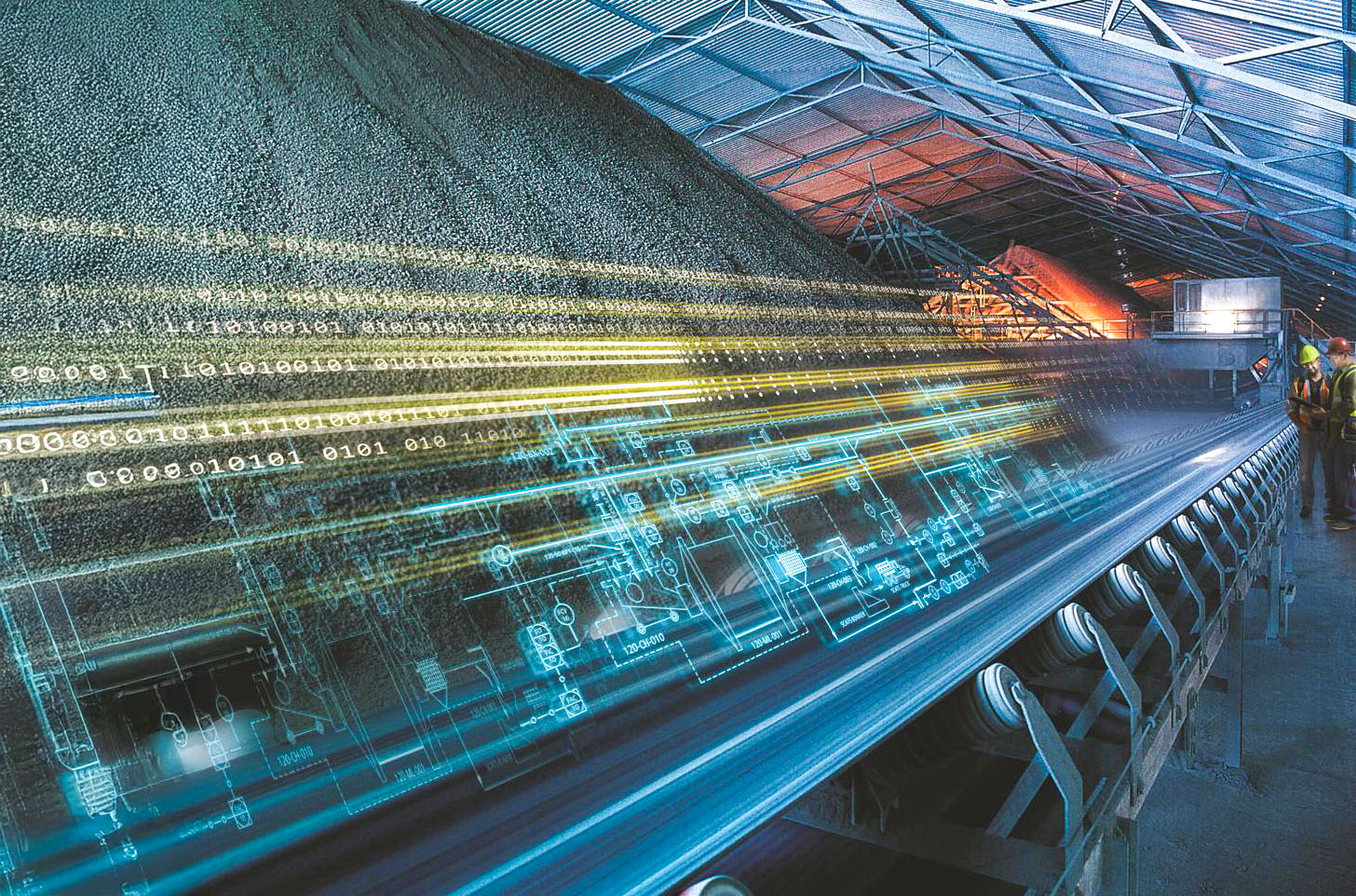
Enhanced Day-to-Day Maintenance: With a Digital Twin, maintenance teams can gain unprecedented visibility into the operational status of their equipment. They can remotely monitor performance, diagnose issues, and even simulate potential repair scenarios in the virtual environment before implementing them on the physical asset. This significantly reduces the risk of errors during maintenance and speeds up the resolution process.
Facilitating Design and Commissioning: During the design phase of new electrical infrastructure, Digital Twins allow engineers to simulate different configurations and performance characteristics. This helps in optimizing designs for efficiency, reliability, and safety before any physical construction begins. Similarly, during the commissioning of new equipment or systems, the Digital Twin can be used to test and validate performance in a virtual setting, ensuring a smoother and more successful transition to operational status.
Beyond Seals and Certificates: A New Standard for Electrical Safety
The traditional approach to electrical safety often relied heavily on certifications and physical seals of approval for equipment. While these are still important, the advent of advanced digital technologies introduces a new dimension to ensuring safety and reliability.
With Digital Twins and AI, electrical safety is no longer solely dependent on the intrinsic qualities of a piece of equipment, as indicated by a seal or certificate. Instead, it is augmented by:
- High International Standards: Ensuring that equipment meets and exceeds stringent international safety and performance standards remains fundamental.
- Transparent Component Control: Digital Twins can provide a granular view of all components within a system, allowing for precise tracking, quality control, and identification of potential vulnerabilities.
- Proactive Fault Detection: The ability of AI and Digital Twins to detect anomalies and predict failures before they occur represents a significant leap forward in preventing accidents and ensuring continuous operation. This proactive approach shifts the focus from mitigating damage to preventing it altogether.
Future Outlook: Accelerated Adoption in Peru and Ecuador
The trajectory for the adoption of intelligent technologies in the industrial sector of Peru and Ecuador is one of accelerated growth. Experts at Siemens anticipate a significant increase in the implementation of AI and Digital Twins within the next two to three years.
Arturo Salas, Vertical Power Utilities Manager at Siemens Peru, shared his insights on this projected trend:
- Increased Demand for Smart Grid Solutions: As energy demands continue to rise and the need for grid stability becomes more critical, utilities will increasingly invest in smart grid technologies that leverage AI for real-time monitoring, load balancing, and fault detection.
- Wider Application of Predictive Maintenance: Industries across the board, from manufacturing to mining, will recognize the cost savings and operational benefits of predictive maintenance and will increasingly integrate AI-powered solutions into their maintenance strategies.
- Growth in Digital Twin Adoption for Infrastructure Projects: The complexity and scale of infrastructure projects in the region will drive the adoption of Digital Twins for better planning, simulation, and execution, leading to more efficient and reliable outcomes.
- Emphasis on Cybersecurity in Industrial Control Systems: As industrial systems become more connected and reliant on digital technologies, the importance of robust cybersecurity measures to protect against cyber threats will be paramount, with AI playing a role in threat detection and prevention.
José Mazuelos Posada, EHS Manager of Siemens Peru and Ecuador, further elaborated on the evolving landscape, emphasizing the crucial interplay between human expertise and technological advancement. "With the evolution of these technologies, the combination of professional technical judgment and predictive digital models will be the decisive factor in maximizing productivity and ensuring safe and uninterrupted operations," he stated. This highlights that while technology is a powerful enabler, it serves to augment, not replace, the critical role of skilled human professionals.
The Post-Commercialization Era: Vigilance and Continuous Monitoring
The increasing reliance on advanced digital solutions and the inherent benefits of streamlined pre-commercialization checks also bring to the forefront the critical importance of post-commercialization activities. The shift towards more intelligent and potentially self-optimizing systems means that the focus of oversight needs to adapt.
The reduced burden of extensive pre-verification, which is partly addressed by the predictive capabilities of AI and Digital Twins, increases the relevance of what happens after a product or system is in operation. This includes:
- Rigorous Audits: Regular and comprehensive audits remain essential to ensure ongoing compliance with standards and best practices.
- Market Surveillance: Continuous monitoring of the market for emerging threats, substandard products, or potential vulnerabilities is crucial for maintaining a secure operational environment.
- Operational Controls: Implementing robust operational controls and procedures is vital to manage the ongoing performance and safety of systems.
- Continuous Monitoring: The real-time data streams provided by AI and Digital Twins enable continuous monitoring of system performance and early detection of deviations from optimal operating parameters.
Detecting deviations and anomalies in real-time is as important as preventing the initial entry of non-conforming products or systems. This proactive approach to post-commercialization oversight, powered by intelligent technologies, ensures that the benefits of advanced solutions are sustained throughout their operational life.
In conclusion, Siemens is at the forefront of a technological revolution in industrial operations, championing the integration of AI and Digital Twins to address critical challenges in electrical safety and operational reliability. As these technologies mature and become more accessible, their adoption will undoubtedly accelerate, ushering in an era of unprecedented efficiency, safety, and productivity for industries in Peru, Ecuador, and beyond. The future of industrial operations is intelligent, predictive, and undeniably digital.