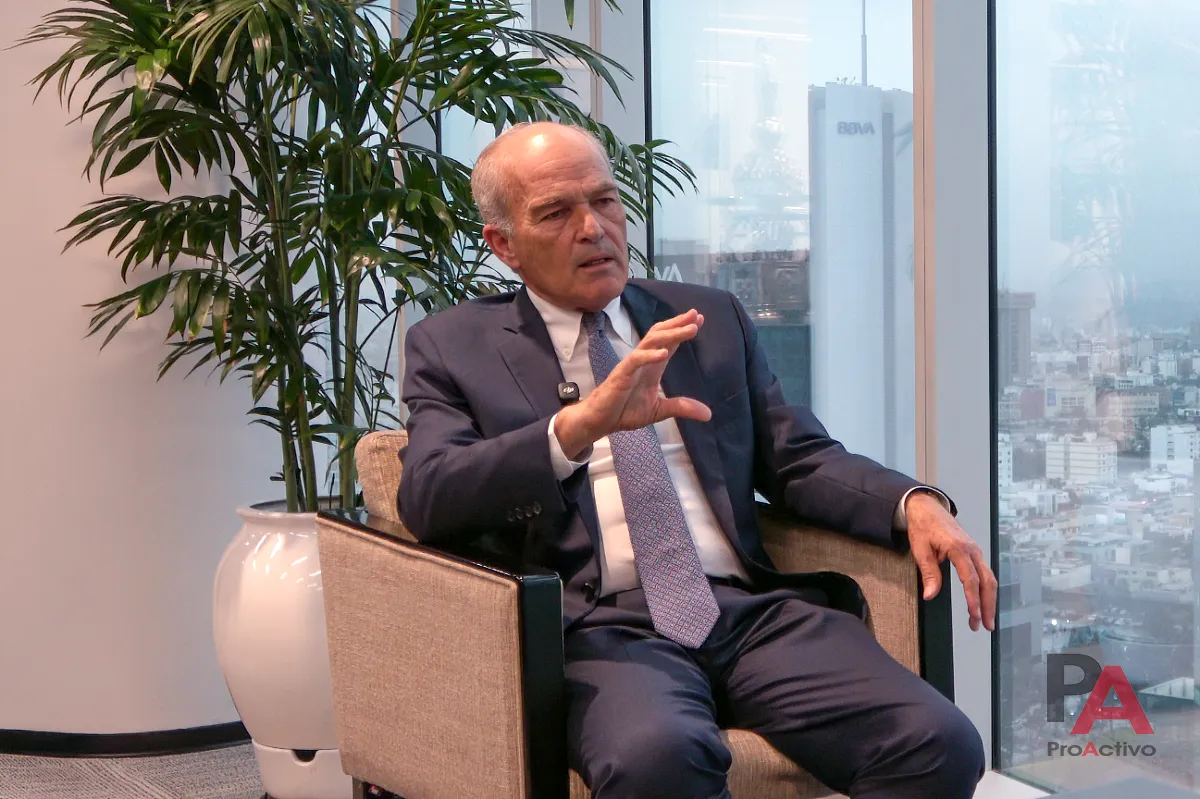
Lima, Peru – January 25, 2024 – Peru’s formidable position as a global mining powerhouse is at a critical juncture. While the nation boasts vast mineral wealth, the true challenge lies not merely in extracting more, but in effectively translating this production into tangible development opportunities for its populace. This sentiment was powerfully articulated by Julia Torreblanca, President of the National Society of Mining, Petroleum, and Energy (SNMPE) and Vice President of Corporate Affairs at Cerro Verde, during a recent "Jueves Minero Descentralizado" event organized by the Institute of Mining Engineers of Peru (IIMP).
The conference, themed "The Future of Mining and Copper in Peru: Potential of the Southern Macro-region," served as a vital platform for Torreblanca to outline a compelling vision for Peru’s mining sector. She emphasized the urgent need to bolster the capabilities of regional and local governments, enabling them to effectively channel the substantial revenues generated by mining into genuine, sustainable progress.
"We need our authorities to possess a clear development plan," Torreblanca stated, "a plan that prioritizes essential areas such as water and sanitation, education, healthcare, robust road infrastructure, and crucially, the fostering of productive economic activities." This call to action underscores a growing recognition that the benefits of mining must extend far beyond the immediate economic contributions, permeating the very fabric of society and improving the quality of life for all Peruvians.
The Magnitude of Mining’s Contribution: A Call for Accountability
Torreblanca’s address highlighted the sheer scale of financial resources that the mining industry contributes to the Peruvian state. She provided a striking example from her own company, Cerro Verde, revealing that between 2005 and 2025, the company paid approximately US$9,045 million to the Peruvian government. Furthermore, she pointed to the significant direct impact on regional economies, citing Arequipa alone, which received S/ 1,488 million in mining transfers in 2026.
However, this impressive financial inflow was juxtaposed with a pointed question regarding its tangible impact on infrastructure and public services. "In what infrastructure have we seen this manifested?" Torreblanca challenged the audience. "Let us inquire into what these funds are being spent on. How many bridges, schools, hospitals, and other essential projects have been constructed?" This rhetorical question served as a potent reminder of the accountability expected from those entrusted with managing these resources and the public’s right to see a clear return on investment from the nation’s natural wealth.
The SNMPE President stressed the importance of continuity and strategic planning, asserting that the nation should not be forced to "reinvent the wheel every time a mayor or regional governor changes." Instead, she advocated for a sustained commitment to ongoing development projects, building upon existing progress rather than starting anew with each political transition. This approach, she suggested, would ensure more efficient and impactful utilization of mining revenues.

Fueling Future Production: The Critical Role of Exploration
Beyond the immediate concern of resource allocation, Torreblanca also placed a significant emphasis on a fundamental prerequisite for the sustained generation of mining revenue: the imperative to increase mineral exploration. Her message was unequivocal: "Without exploration, there is no production."
Peru possesses an undeniable wealth of geological resources. However, the transformation of this geological potential into new, operational mining ventures hinges on significantly elevated levels of exploration activity. Torreblanca articulated a clear strategy to achieve this: making exploration more dynamic and streamlining the permitting processes. Crucially, she underscored that this acceleration should not come at the expense of environmental and safety standards, emphasizing that "mining of class A" requires rigorous adherence to best practices.
"Let us explore so that concessions can be developed, formalized, and that we all together engage in class A mining, making Peru a destination for international investment," Torreblanca urged. This vision encapsulates a forward-looking approach, recognizing that attracting foreign capital and fostering domestic growth in the mining sector are intrinsically linked to proactive exploration and efficient, responsible regulatory frameworks.
A Deeper Dive into Peru’s Mining Landscape
Peru’s mining sector is a cornerstone of its economy, consistently ranking among the world’s leading producers of copper, gold, silver, zinc, and other vital minerals. The industry is a significant contributor to the nation’s Gross Domestic Product (GDP), export earnings, and employment. The Southern Macro-region, in particular, is a hub of mining activity, home to some of the country’s most significant copper deposits.
Chronology of Development and Challenges:
- Historical Context: Peru has a long and rich history of mining, dating back to pre-Inca civilizations. The modern mining industry began to take shape in the late 19th and early 20th centuries with the establishment of large-scale operations, primarily focused on silver and copper.
- Post-War Expansion: The mid-20th century saw a significant expansion of the mining sector, driven by global demand and technological advancements. State-owned enterprises played a considerable role during this period.
- Privatization and Foreign Investment: In the latter half of the 20th century, Peru underwent a period of economic reforms, including the privatization of state-owned mining assets and the promotion of foreign investment. This era marked a significant shift, attracting major international mining companies and revitalizing exploration and production.
- The 2000s and Beyond: The 21st century has witnessed a boom in commodity prices, further solidifying Peru’s position as a mining powerhouse. Companies like Cerro Verde, Freeport-McMoRan’s Peruvian subsidiary, have invested heavily in expanding their operations, contributing significantly to national and regional economies.
- Current Challenges: Despite its successes, the Peruvian mining sector faces ongoing challenges. These include social conflicts with local communities, environmental concerns, regulatory hurdles, and the need to ensure that the benefits of mining are equitably distributed. The call by Julia Torreblanca for improved governance and development planning directly addresses these complex issues.
Supporting Data and Economic Impact:

The economic impact of mining in Peru is multifaceted and substantial. Beyond direct tax revenues and royalties, the sector generates significant employment, both directly within mining companies and indirectly through supply chains and related industries.
- Copper Production: Peru is consistently among the top three global copper producers, with significant reserves located in the southern regions. Copper is a critical metal for the global transition to renewable energy, used extensively in electric vehicles, wind turbines, and solar panels.
- Royalties and Canon Minero: The "Canon Minero" is a system of direct transfers of mining revenues to local governments, intended to fund regional development projects. The efficient and transparent management of these funds is a perennial challenge.
- Foreign Direct Investment (FDI): The mining sector is a major recipient of FDI in Peru, highlighting the country’s attractiveness for international capital. However, attracting and retaining this investment requires a stable regulatory environment and a clear commitment to sustainable development.
Official Responses and Industry Perspectives:
Julia Torreblanca’s statements reflect a broader sentiment within the Peruvian mining industry and among its stakeholders. The SNMPE, as the leading industry association, consistently advocates for policies that promote responsible mining, attract investment, and ensure that the sector contributes positively to national development.
- Governmental Role: The Peruvian government, through ministries such as the Ministry of Energy and Mines (MINEM), plays a crucial role in regulating the mining sector, issuing permits, and overseeing environmental and social compliance. The effectiveness of these governmental bodies in facilitating responsible development and ensuring transparency is paramount.
- Community Engagement: Increasingly, mining companies are recognizing the importance of robust community engagement and social license to operate. This involves building trust, addressing local concerns, and collaborating on development initiatives that benefit surrounding communities.
- Technological Advancements: The industry is also embracing technological advancements to improve efficiency, reduce environmental impact, and enhance safety. This includes innovations in exploration, extraction, processing, and environmental monitoring.
Implications for Peru’s Future:
The message from Julia Torreblanca carries significant implications for Peru’s economic and social trajectory. The nation’s ability to harness its mineral wealth for sustained development hinges on several key factors:
- Strengthened Governance and Transparency: Effective and transparent governance at regional and local levels is crucial for the proper allocation and utilization of mining revenues. This requires robust oversight mechanisms, accountability frameworks, and a commitment to fighting corruption.
- Strategic Development Planning: The need for comprehensive, long-term development plans that are integrated with mining revenues cannot be overstated. These plans should prioritize critical sectors like education, healthcare, and infrastructure, ensuring that the benefits of mining translate into lasting improvements in the quality of life for all Peruvians.
- Fostering a Pro-Exploration Environment: To ensure the long-term viability of the mining sector and its continued contribution to the economy, Peru must actively encourage exploration. This involves streamlining permitting processes while maintaining high environmental and safety standards, thereby attracting the investment necessary to discover and develop new mineral deposits.
- Diversification of Economic Activities: While mining is a vital engine of growth, Peru must also focus on diversifying its economy to reduce its reliance on commodity exports. This involves fostering other sectors such as agriculture, tourism, manufacturing, and technology, creating a more resilient and balanced economic landscape.
In conclusion, Peru stands at a pivotal moment. The nation’s abundant mineral resources offer a powerful engine for progress, but realizing this potential requires more than just extraction. It demands strategic vision, effective governance, and a steadfast commitment to ensuring that the wealth generated by its mines translates into tangible, sustainable development that benefits every Peruvian. Julia Torreblanca’s insights provide a clear roadmap for navigating this complex but ultimately rewarding path forward.