In a proactive response to the looming threat posed by the El Niño phenomenon, the Peruvian private sector has formally organized a specialized task force to support the national government. Spearheaded by Carlos Neuhaus, the seasoned executive who gained national acclaim for his flawless delivery of the Lima 2019 Pan American Games, this initiative aims to create a seamless bridge between private resources and state requirements. The objective is clear: to prevent the catastrophic impacts of potential floods, landslides, and infrastructure damage through unified, rapid-response logistics.
Main Facts: A Unified Front Against Climate Risk
The establishment of the "Private El Niño Command" marks a significant shift in how Peru approaches disaster risk management. Recognizing the potential for severe weather disruptions, the government and the business community are mirroring the collaborative spirit seen during the height of the COVID-19 pandemic.
Carlos Neuhaus, currently at the helm of this initiative, has been tasked with organizing the logistical capacity, heavy machinery, and administrative expertise of Peru’s leading business associations. The core mission is to provide the state with the tools necessary to protect vulnerable regions, particularly those in the north that are historically prone to severe environmental devastation during El Niño events.
The collaboration is not merely symbolic; it is operational. By mapping out the availability of private-sector resources—ranging from large-scale mining equipment to supply chain expertise—the command aims to ensure that when the rains hit, there is no ambiguity regarding who provides aid, where resources are allocated, or how they are deployed.
Chronology of the Initiative
The mobilization of this task force has been a multi-stage process, evolving from initial high-level talks to the current implementation phase:
- Phase 1: Diagnosis and Reconnaissance (Recent Months): Carlos Neuhaus conducted on-the-ground assessments in the regions of Piura and Trujillo. These areas, identified as high-risk, served as the testing ground for evaluating the state’s current readiness and the gaps that private enterprise could fill.
- Phase 2: Consolidation of Support: Following the reconnaissance missions, major industrial, mining, and agricultural gremios (associations) were brought under a single organizational umbrella. This involved aligning the interests of entities such as the SNI, Confiep, AGAP, and the SNMPE.
- Phase 3: Formal Integration with the Executive: Minister of Economy and Finance Elmer Cuba publicly confirmed the government’s endorsement of the command. This transition from informal discussion to official coordination sets the stage for rapid mobilization as the weather forecast becomes more precise.
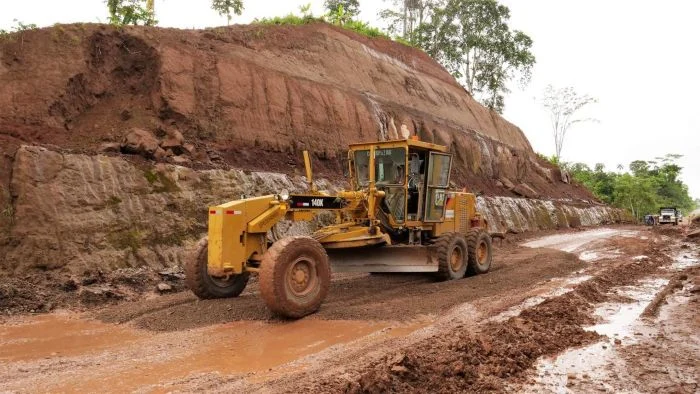
- Phase 4: Operational Readiness (Current): The command is currently finalizing an inventory of heavy machinery, such as retro-excavators and high-capacity mining trucks, which are essential for desilting rivers and clearing debris from critical infrastructure.
Supporting Data and Collaborative Structures
The strength of this task force lies in its diverse, multi-sector composition. By incorporating the specific strengths of various industries, the command ensures a comprehensive approach to disaster mitigation.
The Role of Industry Leaders
The task force draws from the most critical sectors of the Peruvian economy:

- Sociedad Nacional de Industrias (SNI): Provides manufacturing and supply chain coordination.
- Confederación Nacional de Instituciones Empresariales Privadas (Confiep): Facilitates high-level coordination and resource mobilization across all sectors.
- Asociación de Gremios Productores Agrarios del Perú (AGAP): Focuses on protecting vital agricultural output and infrastructure in northern valleys.
- Sociedad Nacional de Minería, Petróleo y Energía (SNMPE): Provides the heavy machinery—the backbone of the civil defense strategy—to handle river desilting and earth-moving operations.
Technical Expertise
Beyond the business sector, the command has sought the counsel of experts like renowned meteorologist Abraham Levy. His data-driven insights are being used to predict specific hotspots where the damage is most likely to occur, allowing for a preemptive rather than reactive strategy. Furthermore, local Chambers of Commerce in Lambayeque, La Libertad, and Piura are providing ground-level intelligence, ensuring that the command is not just a centralized entity but one that understands regional nuances.
Official Responses and Strategic Coordination
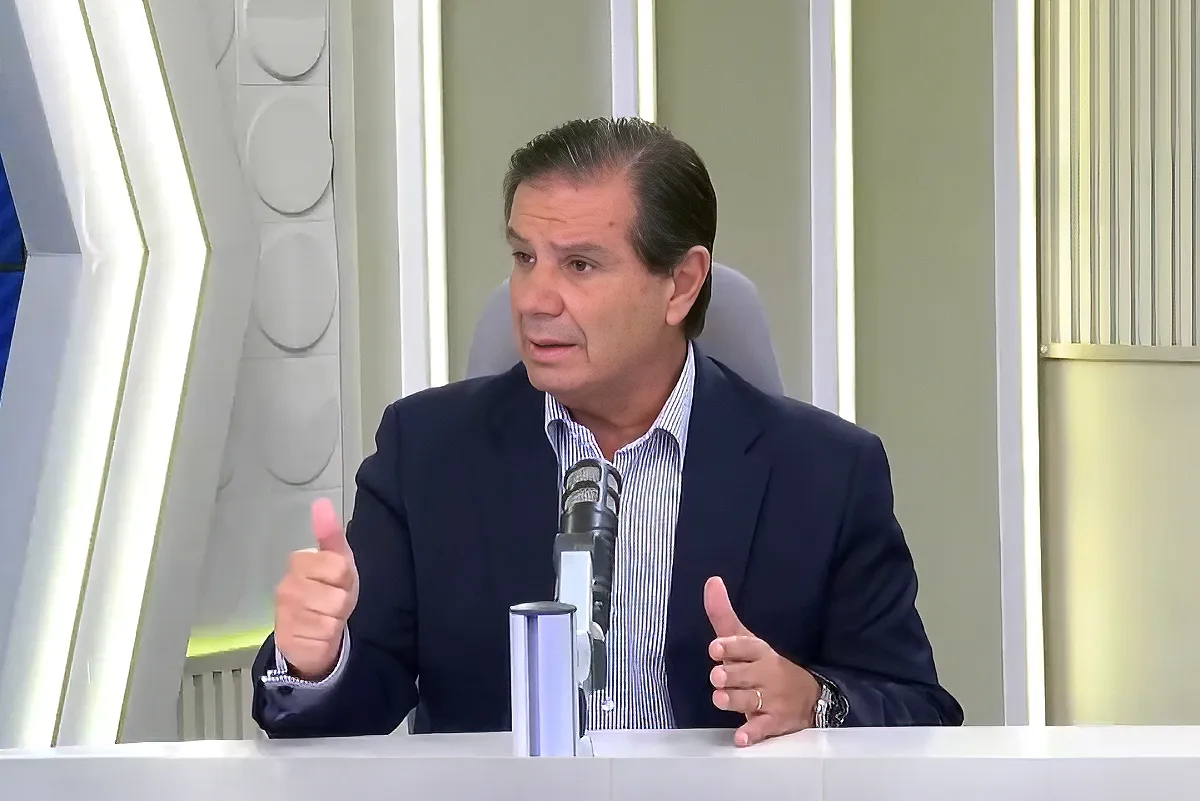
The government’s response to this private sector initiative has been overwhelmingly positive. Minister of Economy and Finance Elmer Cuba has emphasized that the "Private El Niño Command" will act as a unified body, preventing the "crossover" and confusion that often plagues multi-agency responses to disasters.
"The goal is to have a single, coherent response mechanism," Minister Cuba stated. "We are identifying where the state can intervene with its own budget and where we require the private sector to fill the gaps. We want to ensure that no effort is duplicated and that every piece of machinery is working where it is most needed."
The Minister further underscored that the collaboration is driven by a non-negotiable moral imperative: "No one should lose their life to El Niño. That is our North Star. We will be working closely with Carlos Neuhaus to finalize the master plan, ensuring that all logistical and financial resources are prepared for deployment the moment they are required."
Implications for Disaster Management and Governance
The formation of this command carries profound implications for the future of public-private partnerships in Peru. It signals a move toward a more resilient, agile model of governance, where the state acts as the strategic director and the private sector acts as the primary operational force.
Transparency and Oversight
One of the most critical aspects of this collaboration is the explicit request for transparency. Carlos Neuhaus has been vocal about the need for rigorous oversight, particularly regarding government spending during states of emergency. By requesting that the Comptroller General (Contraloría) supervise all acquisitions, the private sector is insulating the initiative against corruption.
"We have seen in the past how states of emergency can be exploited by those who look for ‘fishing in troubled waters,’" Neuhaus remarked. "By inviting the Comptroller to oversee these processes, we ensure that the focus remains entirely on the humanitarian objective—saving lives—and not on procurement irregularities."

The "Save Lives, Save the Economy" Paradigm
Neuhaus’s strategy is built on a two-tiered priority list. The first is humanitarian: the preservation of human life and the protection of essential services. The second is economic: maintaining the continuity of supply chains and transportation routes.
By keeping roads open and preventing the isolation of rural communities, the task force aims to prevent the total paralysis of regional economies. The philosophy here is that if you protect the infrastructure, you protect the livelihoods of millions, which in turn ensures a faster recovery once the weather event subsides.
A Legacy of Effective Management
The choice of Carlos Neuhaus as the leader of this effort is a strategic one. His success with the 2019 Pan American Games—a project that was once considered behind schedule and under-resourced before his appointment—proves his ability to cut through bureaucratic red tape and deliver results. His presence provides the public with a level of confidence that the resources provided by the private sector will be managed with the same rigor and efficiency that transformed Lima’s sporting infrastructure.
Conclusion: A Blueprint for Future Challenges
As Peru prepares for the uncertainties of the upcoming climate cycle, the "Private El Niño Command" serves as a powerful testament to what can be achieved when the private sector aligns with the state for the common good. By formalizing this relationship, Peru is not only preparing for the immediate threat of El Niño but is also developing a blueprint for how to handle future national emergencies.
The integration of private-sector agility with public-sector planning represents a maturation of the Peruvian institutional landscape. As the command prepares for its first major operational tests, the focus remains steadfast on the objective stated by both Neuhaus and the Ministry: to act before the disaster occurs, to save lives, and to ensure that when the clouds clear, the nation remains standing and ready to rebuild.
Through this alliance, Peru is demonstrating that while it cannot control the weather, it can control its response—and in doing so, it may set a new standard for crisis management in the region.