Executive Summary: The $2 Billion Injection
In a significant development for Peru’s state-owned oil enterprise, Petroperú is set to receive a critical financial lifeline. Luis Del Carpio, Executive Director of the Private Investment Promotion Agency (ProInversión), confirmed to RPP that the first tranche of a comprehensive financing package—totaling $475 million—will be disbursed this Tuesday, September 8. This operation marks the beginning of a broader strategic plan to secure up to $2 billion in private financing, a move intended to stabilize the company’s precarious balance sheet and reduce its dependence on the Ministry of Economy and Finance (MEF).
The operation will be facilitated through "Petroperú Invest," a specialized vehicle designed to channel international capital into the state entity. By leveraging the participation of global financial institutions, the government aims to restore the company’s creditworthiness and operational independence.
Chronology: From Crisis to Restructuring
The journey toward this financing deal has been marked by mounting fiscal pressure and public debate over the role of the state in the energy sector.
- Mid-2024: Faced with severe liquidity constraints and the heavy debt burden associated with the Talara Refinery modernization project, the Peruvian government initiated high-level talks regarding the restructuring of Petroperú.
- Late August 2024: ProInversión accelerated negotiations with international creditors to structure a "bridge loan" model that would satisfy market risk assessments while providing immediate relief to the company.
- Early September 2024: Final terms were drafted, involving legal and notarial formalities required to finalize the $475 million injection.
- September 8, 2024: The scheduled date for the official disbursement, involving two top-tier international banking institutions.
- Q4 2024 (Projected): The government aims to complete the total $2 billion financing cycle, contingent upon the successful implementation of governance reforms.
Supporting Data: The Anatomy of the Financial Rescue
The $475 million initial disbursement is merely the first step in a larger architecture. ProInversión’s strategy involves diversifying the source of funds to avoid overburdening the national treasury.
The Phased Approach
- The Bridge Phase ($475 Million): This immediate liquidity is intended to cover pressing operational costs and debt servicing. It involves two international banks and acts as a "proof of concept" for international investors.
- The Scale-up Phase ($1.525 Billion): The remaining balance to reach the $2 billion target is expected to involve a syndicate of up to four global banks. The timing for this stage is estimated at two to three months, provided that the company demonstrates progress in its internal restructuring.
The Role of Petroperú Invest
Petroperú Invest was established as a ring-fenced mechanism to provide investors with confidence. By insulating these funds from the general operations of the state entity, ProInversión creates a clearer pathway for debt repayment and accountability, which is essential for attracting conservative international lenders.
Official Responses and Strategic Vision
Luis Del Carpio has been vocal about the necessity of this pivot. During the Economía para Todos program, he emphasized that the current model of relying on the MEF for emergency cash injections is unsustainable and detrimental to the national budget.
Clarifying the "Privatization" Narrative
One of the most contentious points in the public discourse surrounding Petroperú is the fear of privatization. Del Carpio was categorical in his rebuttal:
- No Asset Sales: He explicitly denied that the government is selling off "patrimonial blocks," such as the Talara Refinery.
- Private Management, Public Ownership: The goal is to integrate private sector management expertise and capital. "We want Petroperú to stop requiring resources from the MEF," Del Carpio stated. This vision suggests a "hybrid" model where the state retains ownership, but the governance structure is professionalized by private stakeholders who have a vested interest in the company’s profitability.
The Call for Structural Reform
The government is positioning this financing not just as a handout, but as a condition-based agreement. The expectation is that by opening the door to private oversight, Petroperú will be forced to adhere to higher standards of corporate governance, fiscal discipline, and operational efficiency.
Implications: A New Era for State Enterprises?
The implications of this $2 billion strategy extend far beyond the energy sector.
Impact on National Fiscal Health
The Peruvian government has been under intense pressure to maintain fiscal discipline. By moving Petroperú toward self-sufficiency, the MEF can reallocate potential emergency funds toward public infrastructure and social programs. If successful, this could be the blueprint for managing other state-owned enterprises that have historically functioned as a drain on the national treasury.
Energy Security and Market Confidence
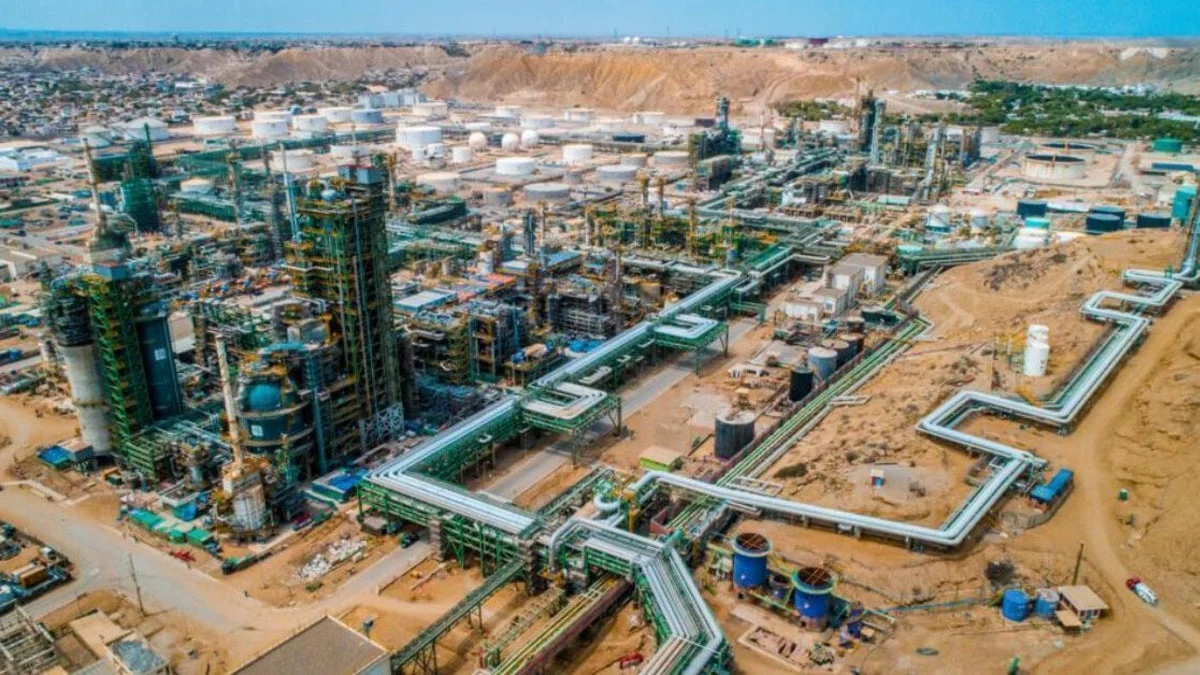
For the energy sector, the stability of Petroperú is paramount. The Talara Refinery is a critical piece of national infrastructure. A failure to finance its operations would have led to supply chain disruptions and potentially higher fuel prices for consumers. By securing international financing, the government has sent a signal to the markets that it is committed to keeping the refinery operational while embracing private-sector financial standards.
Challenges Ahead
Despite the optimism surrounding the Tuesday disbursement, the road ahead is fraught with risks:
- Governance Resistance: Transforming the management culture of a deeply entrenched state entity is historically difficult. Success depends on the willingness of political actors to relinquish control over administrative decisions.
- Market Volatility: While four banks are being courted for the second phase, international credit conditions remain tight. Any geopolitical or macro-financial shock could increase the cost of capital or delay the remaining $1.5 billion.
- Public Perception: The government must navigate a delicate political climate. Any perception that "private management" is synonymous with "corporate interests over public welfare" could trigger social unrest, complicating the implementation of the restructuring plan.
Conclusion: A Delicate Balance
The announcement by ProInversión represents a watershed moment for Petroperú. The transition from a state-subsidized model to a private-financed, professionally managed enterprise is a complex endeavor that will test the resolve of the current administration.
The immediate $475 million is a reprieve, not a cure. The long-term viability of the company hinges on the successful execution of the $2 billion financing plan and, more importantly, the genuine adoption of private-sector efficiencies. As Luis Del Carpio noted, the goal is to decouple the company from the state’s pockets—a transition that, if managed with transparency and technical rigor, could redefine the role of the state in Peru’s modern economy.
As stakeholders watch the wires for the confirmation of Tuesday’s transaction, the broader eyes of the financial world will be on whether this "first step" successfully sets the stage for a sustainable, market-integrated future for one of Peru’s most vital, yet troubled, institutions.