Executive Summary: A Solid Trajectory Amidst Challenges
The Peruvian economy has demonstrated a robust capacity for recovery and sustained expansion as it concludes the first half of 2026. According to the latest data released by the National Institute of Statistics and Informatics (INEI), the country’s national production has maintained a consistent upward trend.
In the period spanning July 2025 to June 2026, Peru’s annualized economic activity reflected a commendable growth of 3.33%. This figure reinforces the narrative of a maturing economic landscape that, despite external pressures and localized setbacks, continues to generate value across multiple sectors. During the first six months of 2026 alone, the national production recorded a cumulative increase of 3.05%, signaling that the momentum generated at the start of the year has successfully carried through to the midpoint.
Chronology of Economic Performance (June 2026)
While the year-to-date performance remains positive, the month of June specifically serves as a microcosm of the current economic environment in Peru. In June 2026, the national production increased by 1.75%. This growth was not uniform; rather, it was a tale of two halves.
The primary drivers of this expansion were the Construction and Services sectors, which provided the necessary lift to offset contractions in other areas. Conversely, traditional pillars of the economy—including Agriculture, Fisheries, Manufacturing, Mining, and Hydrocarbons—experienced a deceleration. Analysts attribute this cooling effect to a combination of climatic instability and reduced production capacity in specific regional hubs, highlighting the ongoing vulnerability of commodity-dependent sectors to environmental and logistical shocks.
Detailed Sectoral Performance: The Engines of Growth
The Construction Boom: Infrastructure and Urban Expansion
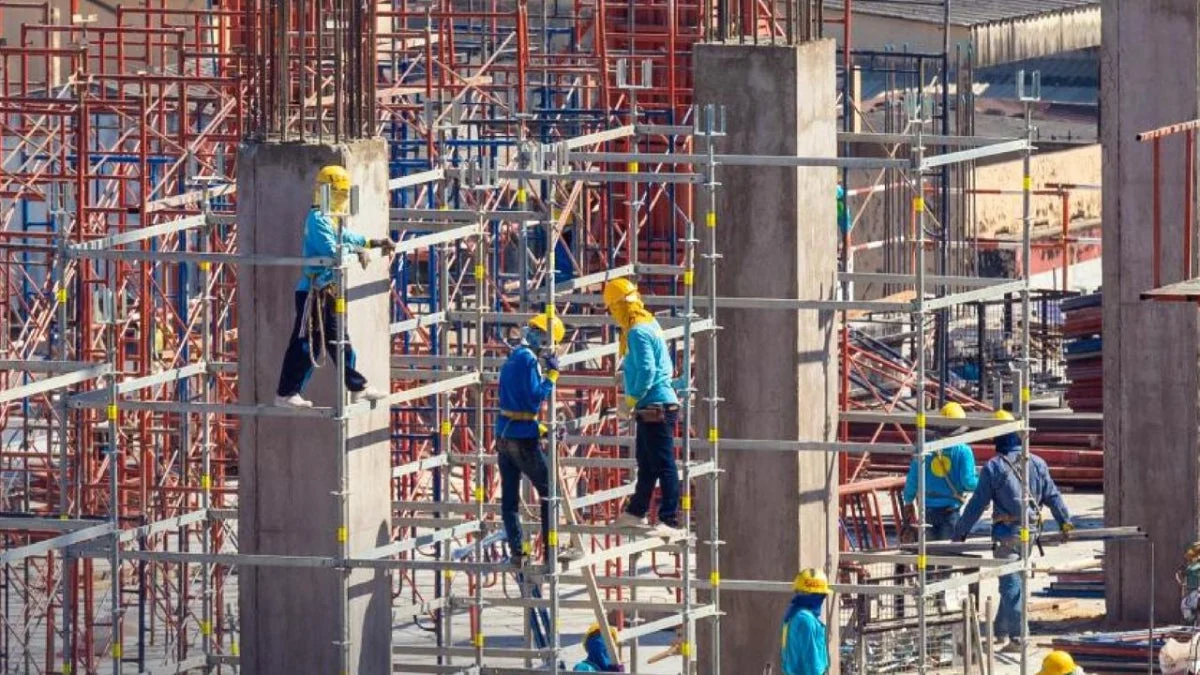
The construction sector emerged as the undisputed leader in June, surging by 9.04%. This double-digit momentum is largely tied to a massive 12.54% spike in the domestic consumption of cement. This phenomenon is indicative of a "double-track" recovery:
- Large-Scale Private Investment: Significant capital expenditure has been directed toward the expansion of manufacturing plants, critical electrification projects, mining infrastructure, and high-density multifamiliar housing projects.
- Autoconstrucción (Self-Construction): The persistent trend of households investing in their own residential projects continues to provide a stable floor for the sector, ensuring that construction activity remains decentralized and resilient.
Commercial Vitality: The Automotive and Retail Surge
The Commerce sector mirrored the dynamism of construction, posting a 7.81% gain. The standout sub-sector was automotive commerce, which recorded a historic expansion of 30.97%. This record-breaking figure is attributed to the sustained demand for light and heavy vehicles, as well as a growing appetite for motorcycles, which have become essential tools for the logistics and delivery gig-economy.
Retail trade also showed robust health, growing by 7.24%. This was underpinned by the expansion of supermarket chains, convenience stores, and a heightened demand for pharmaceutical products. Wholesale trade, meanwhile, rose by 5.02%, largely driven by the distribution of industrial machinery and construction materials, effectively creating a feedback loop with the booming construction industry.
Logistics, Transport, and Connectivity
The Transport, Storage, and Messaging sector grew by 2.48% in June. This sector is a critical barometer of national connectivity. The sub-sector of transport (2.25%) was bolstered by a 2.90% increase in road and pipeline transport. Road transport, in particular, saw a 2.92% increase, split between a 4.9% surge in passenger travel and a 0.1% uptick in cargo movement.
Furthermore, pipeline transport increased by 4.9%, reflecting higher output in natural gas and gas liquids—a vital component of Peru’s energy matrix. The maritime and aerial sub-sectors also contributed positively, with inland waterway transport growing by 1.64% due to increased cargo and passenger movement in the Amazonian regions, while air transport grew by 0.5%, primarily on the back of specialized cargo services.
Tourism and Gastronomy: A Cultural Catalyst
The Alojamiento (Accommodation) and Restaurants sector grew by 5.04% in June. This sector acts as the "soft power" of the economy, heavily influenced by the cultural calendar. The growth was driven by a 5.07% increase in restaurant activity, fueled by strategic marketing efforts and national festivities.
Specific highlights included:
- Festive Demand: Promotions tied to the National Ceviche Day, Father’s Day, the Inti Raymi festival in Cusco, and the San Juan festival in the Amazon region drove significant foot traffic.
- Diversification: The sector saw a 23.74% spike in catering and food delivery services for businesses, reflecting a professionalization of the industry.
- Varied Offerings: Cevicherías, sandwich shops, and quick-service chicken restaurants (pollerías) remain the backbone of the urban dining experience, while beverage services surged by 8.22%.
Financial Stability and Credit Expansion
The Financial and Insurance sector posted a 1.52% increase in June, marking the third consecutive month of positive results. This reflects a period of restored confidence in the banking system. Total credits within the system rose by 2.92%, while deposits saw a substantial increase of 7.69%.
The credit expansion was driven primarily by non-bank financial entities such as EDPYMES (6.2%) and Municipal Savings Banks (6.1%), which have been more aggressive in capturing small and medium enterprise (SME) clients. The growth in deposits, particularly within the multiple banking sector (8.8%), suggests that households and businesses are shifting toward higher liquidity and savings, providing banks with a larger pool of capital for future lending.
Official Perspectives and Data Context
The INEI data serves as the official compass for government policy and private sector strategy. By analyzing the 3.05% cumulative growth for the first half of the year, government economists suggest that the Peruvian economy is on a path of stabilization.
However, officials acknowledge that the contraction in the primary sectors (Agriculture, Mining, and Fisheries) represents a structural challenge. The influence of climate-related disruptions—likely linked to cyclical oceanic phenomena—continues to demand a shift toward more resilient agricultural practices and improved irrigation infrastructure. The Ministry of Economy is reportedly evaluating targeted tax incentives to stimulate investment in these lagging sectors, aiming to bridge the gap between service-led growth and commodity-led output.
Implications for the Future
The current economic landscape holds several implications for the remainder of 2026:
1. The Multiplier Effect of Construction
The surge in construction is likely to have a "multiplier effect" on the economy. As new plants, buildings, and infrastructure projects near completion, they will create jobs and increase operational capacity in the manufacturing and retail sectors. This suggests that the construction boom is not a fleeting trend but a foundation for long-term production increases.
2. Consumer Confidence and the Service Sector
The strength in the restaurant, hotel, and automotive sectors indicates that domestic consumer confidence is high. If inflation remains within the Central Bank’s target range, this consumer-led growth could potentially offset any global volatility in commodity prices.
3. Challenges in the Primary Sector
The decline in Agriculture and Mining remains the primary risk factor. These sectors are the largest generators of foreign currency. The government must focus on climate-proofing these industries, potentially through public-private partnerships that focus on water management and high-tech mineral extraction, to ensure that the 3.33% annualized growth rate is not threatened by supply-side shocks.
4. Monetary Policy Outlook
With credit and deposits both rising, the financial sector appears well-positioned to support further expansion. The Central Bank will likely maintain a vigilant stance on interest rates to balance the need for continued credit growth with the imperative to keep the currency stable and inflation under control.
Conclusion: A Balanced Outlook
As Peru transitions into the second half of 2026, the data provided by the INEI paints a picture of a nation that is successfully diversifying its growth drivers. While traditional sectors face the hurdles of climate and shifting market demand, the emergence of a robust construction, retail, and hospitality sector provides a safety net that has kept the economy on a growth trajectory.
The 3.33% annualized growth rate is a testament to the resilience of the Peruvian entrepreneur and the stability of the domestic financial system. Moving forward, the focus must remain on sustaining this momentum while simultaneously investing in the modernization of the agricultural and extractive industries. By doing so, Peru can ensure that its economic narrative remains one of consistent, inclusive, and sustainable development.