Executive Summary: A Robust Performance
The Peruvian economy has demonstrated remarkable vitality throughout the first half of 2026, with the commercial sector serving as a primary engine for national growth. According to the latest data released by the National Institute of Statistics and Informatics (INEI), the country’s commercial activity not only maintained a positive trajectory but accelerated during the month of June.
Gaspar Morán Flores, Chief of the INEI, confirmed that the commercial sector recorded a significant expansion of 7.81% in June 2026 compared to the same period in the previous year. This growth is not an isolated event but rather the culmination of a consistent trend observed throughout the first half of the year, which saw a cumulative growth rate of 6.17% compared to the first six months of 2025. This multifaceted expansion was driven by a robust synergy between wholesale trade, retail operations, and a historic surge in the automotive industry.
Chronology of Growth: The First Half of 2026
The first six months of 2026 have been characterized by a steady climb in consumer and industrial confidence. While the global economic climate remained volatile, Peru’s internal market displayed resilience.
- Q1 Momentum: The year began with cautious optimism, as supply chain adjustments from the previous year settled. Wholesale distribution began to stabilize, providing a foundation for retail growth.
- April–May Acceleration: As seasonal demand shifted and infrastructure projects gained traction, the demand for industrial materials and consumer goods began to climb, setting the stage for the peak performance seen in June.
- The June Surge: The 7.81% jump in June stands as the highest growth point of the semester. This surge was characterized by a broad-based recovery that touched almost every sub-sector of the economy, from essential retail to heavy industrial procurement.
Wholesale Trade: The Industrial Backbone
The wholesale sector, often a leading indicator for the broader economy, posted a 5.02% increase in June 2026. This growth was not merely a matter of price inflation but a reflection of increased physical volume and procurement activity.
Industrial and Infrastructure Demand
The primary driver behind this wholesale expansion was the sustained demand for energy and capital goods. Distributors of domestic gas and minor retailers reported a significant uptick in the demand for solid, liquid, and gaseous fuels. This reflects a wider economic activation, where businesses are consuming more energy to power expanded production lines and logistics networks.
Simultaneously, the machinery sector saw a surge in the acquisition of heavy equipment. The movement of construction materials—specifically hardware and supplies—continues to be a major beneficiary of both public and private infrastructure projects currently underway across the country. The demand for heavy-duty transport vehicles, such as cargo trucks, and sophisticated refrigeration systems underscores a shift toward modernized logistics and cold-chain management, which is essential for Peru’s export-oriented agriculture and food processing industries.
Commodity Dynamics
While the trade of copper and high-end information technology equipment saw notable gains, the sector faced headwinds in the agricultural machinery and raw material segments. This contraction in agricultural inputs suggests a potential shift in planting cycles or a cautious approach by farmers regarding large-scale capital investments, an area that policymakers will likely monitor closely in the coming months.
Retail Resilience: Consumer Habits in Flux
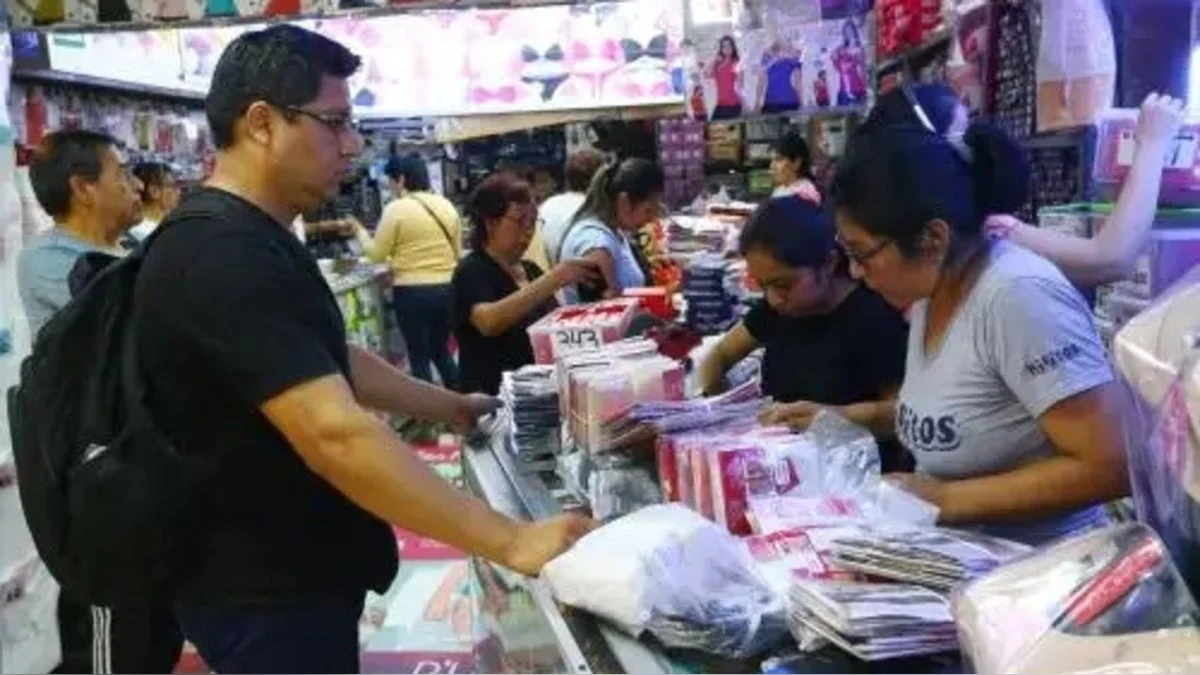
Retail trade experienced a dynamic expansion of 7.24% in June, driven by shifting consumer preferences and the aggressive digital transformation of local businesses.
The Rise of Essential Consumption
Supermarkets, minimarkets, and convenience stores saw consistent growth as they pushed into new geographic markets. The consumption of basic food and beverage categories remains the bedrock of this growth, supported by the ongoing expansion of national retail chains into suburban and secondary urban centers.
Specialized Retail and Pharmaceuticals
The pharmaceutical and cosmetics sector leveraged sophisticated marketing strategies to maintain its growth trajectory. By focusing on seasonal medication and high-demand dermocosmetics, these retailers successfully captured consumer interest. Furthermore, the increase in road traffic, evidenced by higher fuel consumption, directly correlated with the growth of roadside retail and service stations.
The Digital Shift and Modernized Payments
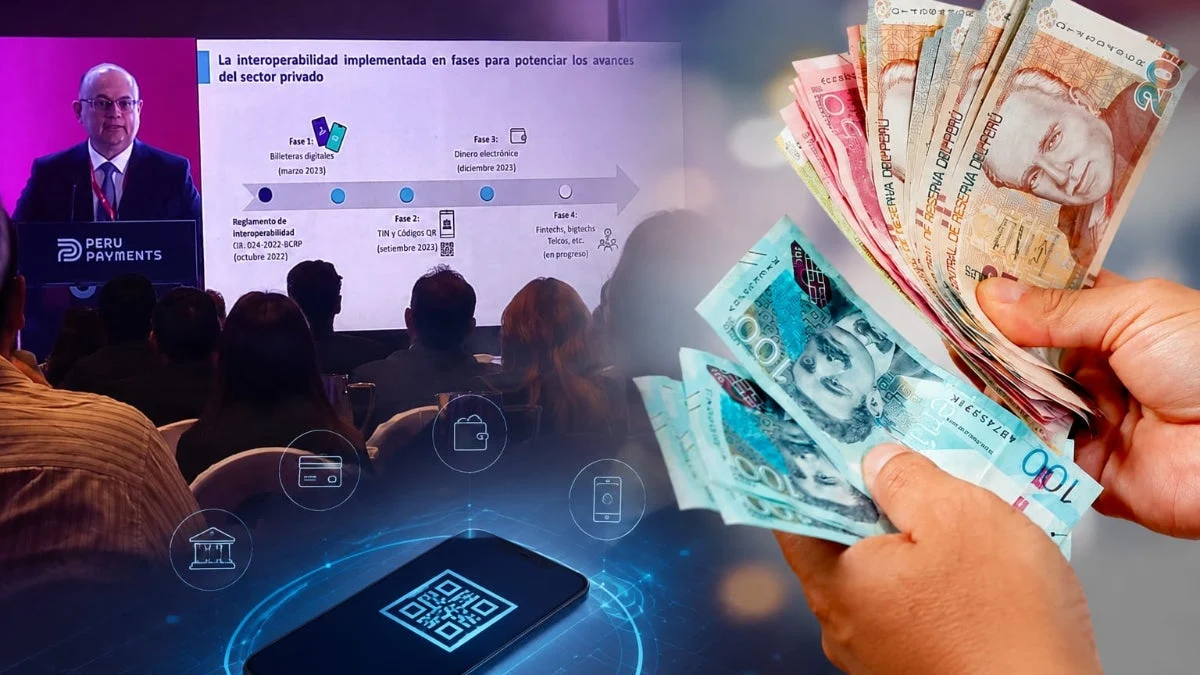
One of the most profound changes in the Peruvian retail landscape is the rapid adoption of digital commerce. Transactions via email and internet platforms have surged, aided by a broader national integration of digital payment systems. This transition is not only convenient for consumers but provides retailers with more data to manage inventories and offer personalized discounts.
However, the retail sector is not uniform in its success. While textiles, footwear, and consumer electronics thrived through social media-driven promotions, the specialized home goods market—specifically the trade of tapestries and carpets—suffered a contraction, reflecting a potential shift in household spending toward technology and apparel rather than home furnishings.
The Automotive Phenomenon: A Record-Breaking 30.97%
Perhaps the most striking statistic in the June report is the performance of the automotive sector, which registered a staggering 30.97% growth compared to June 2025. This record-breaking figure is indicative of several factors:
- Renewed Fleet Investment: Companies are actively upgrading their commercial vehicle fleets to improve fuel efficiency and reliability.
- Consumer Financing: Competitive interest rates and flexible credit options have made vehicle ownership more accessible to the burgeoning middle class.
- Logistics Necessity: As the retail and wholesale sectors expand, the need for efficient last-mile delivery vehicles has skyrocketed, forcing businesses to add vans and light trucks to their operational assets.
Official Responses and Economic Implications
The INEI’s report has been met with guarded optimism by market analysts and government officials. Gaspar Morán Flores highlighted that the consistency of these figures suggests a structural improvement in the Peruvian commercial ecosystem.
Implications for Fiscal Policy
The growth in construction-related wholesale trade indicates that private and public investment in infrastructure remains a critical pillar of the economy. For the government, this validates current budget allocations toward public works, as these projects have a clear "multiplier effect" on the trade of hardware, steel, and logistical services.
Challenges Ahead
Despite the positive trajectory, the contraction in agricultural machinery and specialized home goods warns that the recovery is not uniform. Inflationary pressures on imported goods, fluctuating currency values, and global geopolitical tensions remain risks that could dampen the second half of the year.
The increase in digital transactions is a positive sign for the formalization of the Peruvian economy. As more businesses move away from cash-only transactions toward digital payments, the government will likely see an improvement in tax collection efficiency, which can be reinvested into further social and economic infrastructure.
Conclusion: A Pathway for Sustainable Growth
The first half of 2026 has established a strong foundation for Peru. With a 6.17% cumulative growth in the commercial sector, the country has demonstrated its ability to adapt to modern logistical needs and evolving consumer habits. The synergy between the automotive surge, the expansion of retail chains, and the continued investment in national infrastructure creates a roadmap for continued economic development.
Looking ahead, the focus for the remainder of the year will be to sustain this momentum while addressing the gaps in the agricultural and home goods sectors. If the current pace of investment in digital infrastructure and transportation continues, Peru is well-positioned to close 2026 as one of the most resilient and dynamic economies in the region. The task for the upcoming months will be to convert these short-term gains into long-term productivity, ensuring that the commercial sector remains a catalyst for broader national prosperity.