Overview: A Brief Interruption in the Heart of Lima
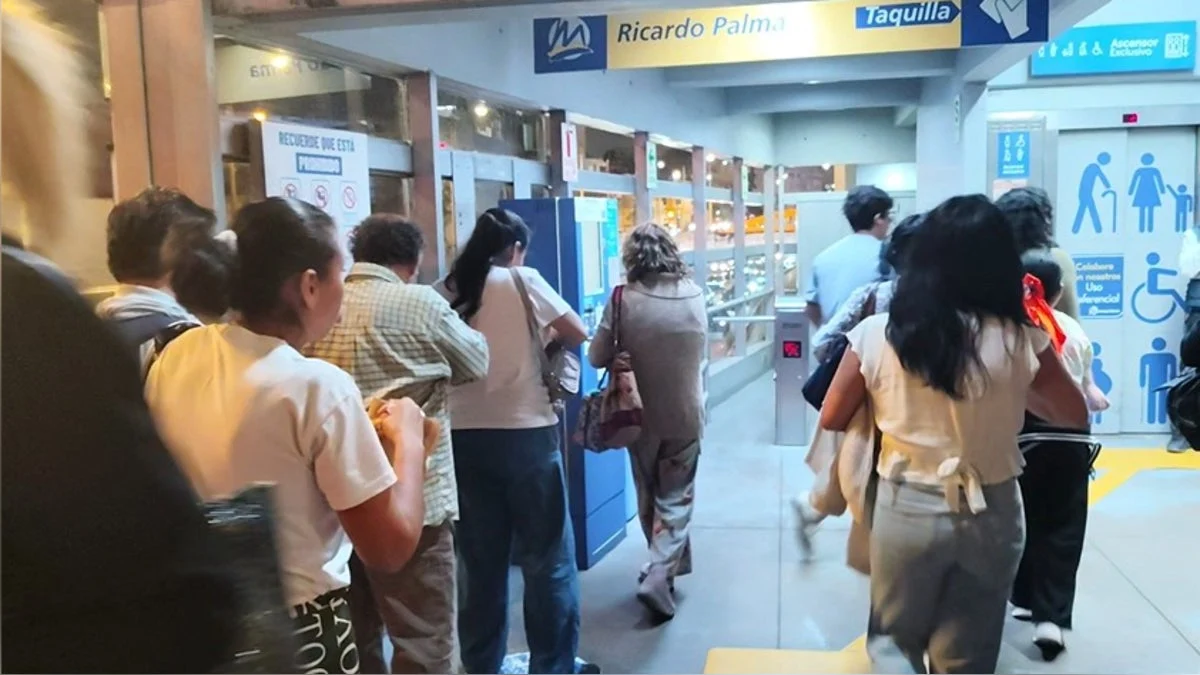
The Ricardo Palma station, a critical transit hub for the Metropolitano bus rapid transit system situated on the border of the Miraflores and Surquillo districts, has officially resumed operations. The station, which serves thousands of commuters daily, had been forced into a temporary shutdown earlier this weekend following the alarming discovery of a large bee colony within its infrastructure.
The incident, while brief, served as a stark reminder of the complexities involved in maintaining urban transit systems in a sprawling, densely populated metropolis like Lima. After a coordinated effort by specialists and transit authorities, the station was cleared of the swarm, ensuring the safety of passengers and staff alike. As of Saturday evening, transit flow through the station has returned to full operational capacity, with no lingering threats reported.
Chronology: From Discovery to Resolution
The Initial Alarm
The disruption began when transit authorities and commuters identified a significant presence of bees within the station’s premises. Given the high volume of foot traffic at the Ricardo Palma station—a major connection point for those traversing the north-south axis of Lima—the presence of an active, potentially aggressive swarm posed an immediate public safety risk. Recognizing the danger of stings and the potential for panic, the Autoridad de Transporte Urbano para Lima y Callao (ATU) made the swift decision to suspend operations at this specific station.
The Containment Phase
The closure was implemented as a strictly preventive measure. By cordoning off the station, authorities were able to prevent any member of the public from inadvertently provoking the colony. During this period, buses bypassed the station, and passengers were advised to seek alternate boarding points, such as the nearby Benavides or Angamos stations. This period of isolation was critical, allowing the technical team to assess the scale of the nest and plan an extraction strategy that would not harm the ecosystem while ensuring the safety of the human population in the vicinity.
The Intervention
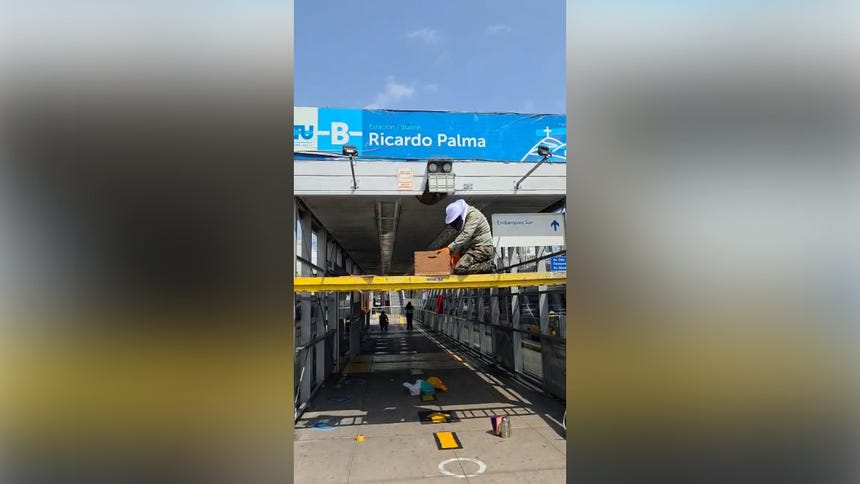
The responsibility for the removal fell upon experts from the Ministry of Agrarian Development and Irrigation (MIDAGRI). These specialists, trained in the delicate art of apiculture and pest control, conducted a controlled extraction of the colony. The procedure required precise timing and protective equipment to ensure that the bees were relocated without being agitated, which could have led to a mass flight or localized attacks. According to official reports, the operation was executed with surgical efficiency.
Restoration of Service
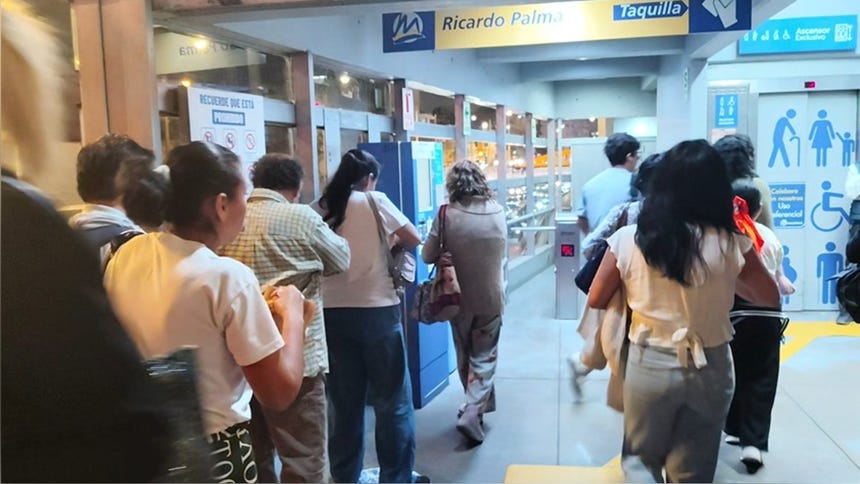
Following the successful removal of the colony and a thorough inspection of the site to ensure no stragglers remained, the ATU gave the green light for the station to reopen. A field team from RPP confirmed that, by Saturday night, commuters were moving through the turnstiles and onto the platforms without restriction. The station, which was previously a scene of quiet caution, quickly returned to its typical bustling state.
Supporting Data and Context
The Importance of the Ricardo Palma Station
The Ricardo Palma station is not merely a stop; it is a vital node in the Metropolitano system. Connecting the upscale commercial hubs of Miraflores with the residential and transitional zones of Surquillo, it facilitates the daily commute of thousands of workers, students, and tourists. Its strategic location makes it one of the most frequently used stations in the southern sector of the system.
When a station of this magnitude is closed, it causes a ripple effect across the entire network, leading to platform congestion at neighboring stops and delays in the scheduling of articulated buses. Consequently, the rapid response by the authorities was not just a safety decision but a logistical necessity to prevent a wider disruption of the city’s transit pulse.
Understanding the Phenomenon: Why Urban Bees?
The appearance of bee swarms in urban centers like Lima is not an isolated event. Urban areas often provide unexpected micro-climates and protected structures that mimic the cavities of trees, which bees naturally seek out for nesting. As Lima experiences shifts in climate and expansion of urban green spaces, interactions between the local fauna and human infrastructure become increasingly common.
However, professional entomologists emphasize that honeybees are generally not aggressive unless they perceive a direct threat to their queen or their stores of honey. The decision to close the station was the correct course of action, as the vibrations from the heavy buses and the movement of crowds could have inadvertently triggered a defensive response from the swarm.
Official Responses and Safety Protocols
The Role of the ATU
The Autoridad de Transporte Urbano (ATU) has been praised for its proactive communication. Throughout the incident, the agency utilized its digital platforms to keep passengers informed, providing real-time updates on the status of the station and suggesting alternative transit options. This transparency is vital in maintaining public trust during unexpected service disruptions.
In a follow-up statement, the ATU confirmed:
- Zero Casualties: There were no reports of commuters or staff suffering from stings or allergic reactions during the time the colony was present.
- Collaboration: The success of the mission was attributed to the seamless collaboration between the transit authority and the agricultural experts from MIDAGRI.
- Preventive Measures: The ATU indicated that they would be increasing the frequency of inspections at other stations to identify and relocate any similar nests before they become a public hazard.
The Role of MIDAGRI
The Ministry of Agrarian Development and Irrigation played a pivotal role. Their expertise ensured that the bees were treated as a biological resource rather than a nuisance to be exterminated. By relocating the colony, the Ministry adheres to ecological standards that recognize the importance of pollinators in the urban environment, even when they choose to settle in high-traffic human zones.
Implications: Lessons Learned for Urban Transit
Enhancing Surveillance and Maintenance
The "bee incident" has prompted a conversation regarding the maintenance protocols of the Metropolitano. While structural integrity and mechanical safety are primary concerns, the biological safety of the stations is clearly a factor that requires more attention. Future protocols may include:
- Bi-weekly inspections of structural gaps, ventilation shafts, and high-ceiling corners where insects are prone to nest.
- Installation of specialized mesh or non-toxic deterrents in vulnerable areas to discourage hive formation.
- Training for station personnel to recognize the early signs of colony formation, allowing for removal when the swarm is small and less likely to cause panic.
The Intersection of Public Safety and Wildlife
This event highlights a broader reality: as cities grow, they become complex ecosystems where the line between nature and urban life is constantly shifting. The incident at Ricardo Palma serves as a case study in how public institutions can manage these natural occurrences with minimal disruption. It demonstrates that when agencies act in tandem—using science-based interventions and transparent communication—the city can absorb these minor shocks without compromising the safety or convenience of its citizens.
Looking Forward
As Lima continues to modernize its transit infrastructure, the lessons learned from this weekend will likely be integrated into the standard operating procedures of the Metropolitano and other public transit systems. For now, commuters can breathe a sigh of relief. The Ricardo Palma station is once again fully operational, the bees have been safely relocated to a more suitable habitat, and the rhythm of the city remains undisturbed.
The incident is now considered closed, but it leaves behind a blueprint for how to handle similar environmental interactions in the future, proving that safety, efficiency, and respect for the natural world can coexist even in the heart of a bustling metropolis.