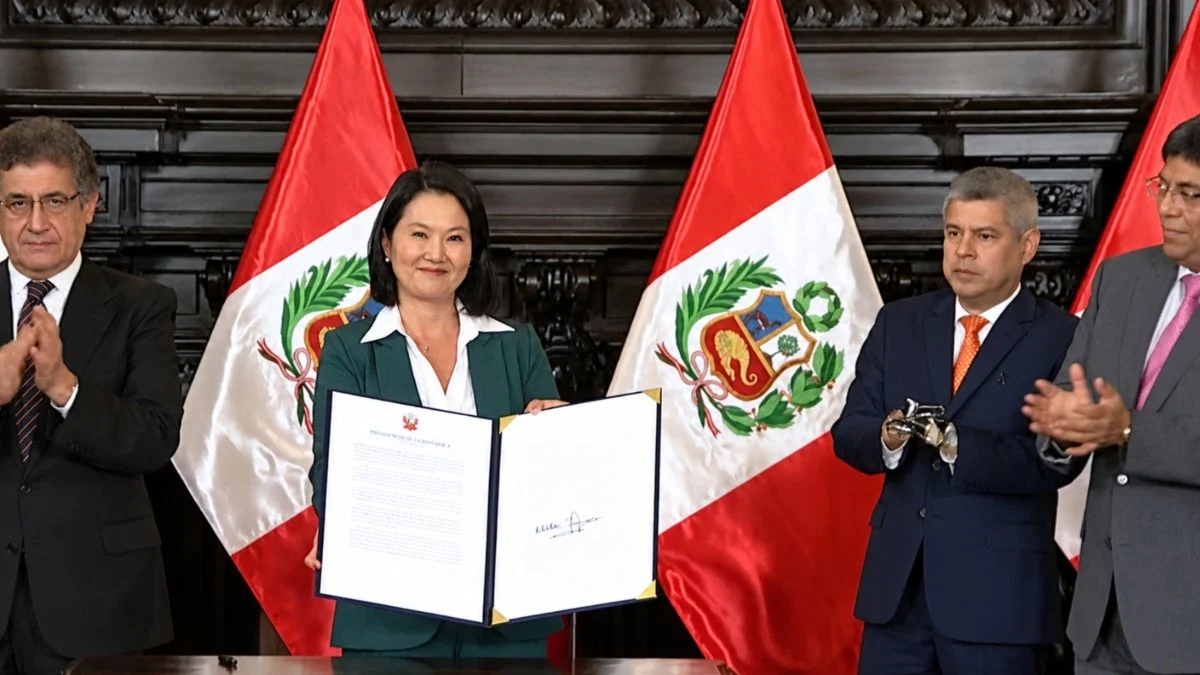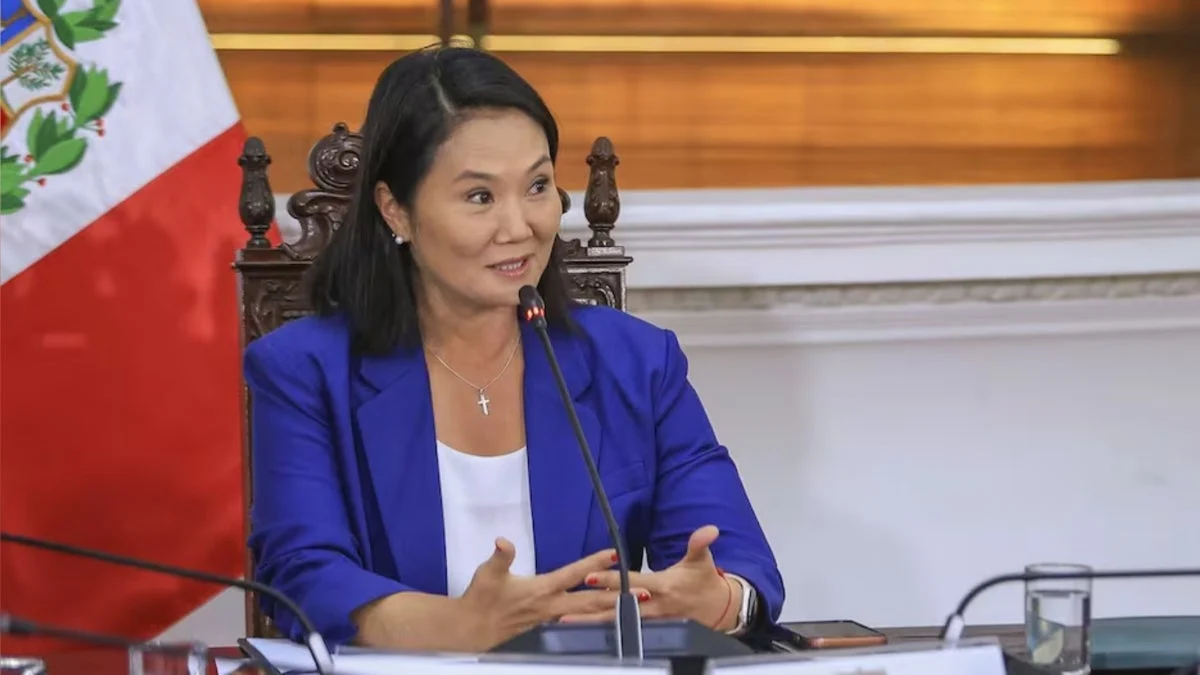
In a move aimed at balancing economic recovery with the rising cost of living, the Peruvian government has confirmed the upcoming implementation of a two-phase increase to the Remuneración Mínima Vital (RMV), or minimum wage. Minister of Labor and Employment Promotion, Juan Sheput, announced that President Keiko Fujimori will officially formalize the first stage of this adjustment—a S/100 increase—in the coming weeks. This adjustment will raise the national minimum wage from the current S/1,130 to S/1,230, marking a significant milestone in the administration’s economic agenda.
The Roadmap to a Higher Minimum Wage
The government’s plan, which was initially outlined by President Fujimori during her July 28 national address, envisions a total increase of S/170, ultimately bringing the minimum wage to S/1,300. The strategy is designed to be phased, allowing the economy and the private sector to absorb the costs of increased payroll liabilities without triggering sudden inflationary shocks or labor market instability.
According to Minister Sheput, the first installment of S/100 is slated to take effect between October and November of this year. "The first tranche of S/100 will be announced by the President as soon as possible," Sheput stated following a session of the National Labor Council (CNT). "There is nothing improvised about this measure; it is the result of rigorous analysis and consultation."
Chronology of the Adjustment
- July 28: President Fujimori announces a total RMV increase of S/170 during the national holiday address.
- Early September: The National Labor Council (CNT) holds formal discussions, confirming consensus on the final target of S/1,300.
- October/November (Expected): Implementation of the first S/100 increase, raising the RMV to S/1,230.
- First Half of 2026: Projected implementation of the final S/70 increase, reaching the S/1,300 target.
Balancing Economic Variables and External Risks
The secondary phase of the increase—the remaining S/70—is currently undergoing intensive evaluation. Minister Sheput clarified that the government intends to roll out this final stage within the first semester of 2026. However, the timeline remains contingent on macroeconomic indicators and, crucially, the climatic impact of the El Niño phenomenon.
"The specific timing for the second tranche will depend on the evolution of El Niño and its subsequent impact on national economic activity and employment levels," Sheput explained. By tethering the second phase to environmental and fiscal variables, the Ministry of Labor is attempting to maintain a "safety valve" that protects both the workers’ purchasing power and the resilience of micro and small enterprises (mypes).
To mitigate the pressure on smaller businesses, the administration is considering a compensatory bonus for mypes. While the Ministry of Economy and Finance (MEF) is still finalizing the specific amounts and disbursement timelines for this support, it reflects a broader government effort to ensure that the wage hike does not inadvertently lead to layoffs or a shift toward the informal economy.
Official Responses and Consensus Building
The path toward this agreement has not been without debate. During the recent sessions of the National Labor Council, the government sought to bridge the gap between labor unions, who have long advocated for a significant wage increase, and business associations, which have historically been cautious regarding the timing and magnitude of such hikes.
Minister Sheput noted that the fundamental agreement to reach S/1,300 was met with consensus from both employers and workers. The primary friction point during negotiations was not the total amount, but rather the speed at which the increase should be applied.
"The agreement reached in the CNT is a victory for social dialogue," Sheput remarked. "While there were divergent views on the timing, both sides eventually acknowledged the necessity of adjusting the minimum wage to reflect the current economic reality."
Implications for the Peruvian Labor Market
The Shift Toward a Technical Formula
Perhaps the most significant long-term development from the recent CNT sessions is the decision to move away from ad-hoc, politically motivated wage adjustments. The Council has committed to designing a technical, objective formula for future updates to the minimum wage. This mechanism is expected to incorporate variables such as labor productivity, consumer price indices, and broader economic context.
By establishing a predictable, formula-based framework, the government hopes to depoliticize future wage adjustments, providing businesses with the stability they need for long-term planning and ensuring that workers receive consistent, data-driven raises.
Impact on the Informal Sector
The challenge remains that a significant portion of Peru’s workforce operates in the informal sector, where the RMV does not apply. Economists warn that aggressive increases in the minimum wage could potentially widen the gap between the formal and informal markets. However, the government’s plan to pair the increase with MYPE-focused incentives suggests a strategy aimed at incentivizing formalization rather than penalizing employers.
Macroeconomic Stability
The decision to spread the S/170 increase across two distinct periods is a calculated risk. By choosing to implement the first tranche in late 2024 and the second in early 2026, the administration is effectively spacing out the inflationary pressure. This "staggered approach" is designed to allow the private sector to adjust prices and operational costs gradually, thereby curbing the potential for a wage-price spiral.
Addressing the MYPE Sector
Small and micro-enterprises are the backbone of the Peruvian economy, accounting for a vast majority of the nation’s employment. Recognizing their vulnerability, the Ministry of Labor is working closely with the Ministry of Economy to design a support package. This package is expected to include:
- Tax incentives or credits for businesses that formalize employees following the wage hike.
- Direct financial assistance or bonuses aimed at offsetting the increased payroll burden during the transition phase.
- Technical assistance programs designed to boost productivity, enabling these businesses to sustain higher wages over the long term.
The Broader Economic Context
Peru’s economy has faced a series of headwinds in recent years, ranging from global supply chain disruptions to the volatile climate patterns that have affected key export sectors like agriculture and fishing. The decision to increase the RMV is being framed by the administration as a tool for economic stimulation. By increasing the disposable income of the lowest-earning workers, the government hopes to boost domestic consumption, which remains a key pillar of the country’s GDP growth.
However, critics remain wary. Some business leaders have expressed concern that if the economy does not show signs of robust recovery, the increased labor costs could lead to reduced hiring, particularly in labor-intensive sectors. The government’s emphasis on the "first semester of 2026" for the second phase gives policymakers the flexibility to pause if the economic climate turns unfavorable.
Conclusion: A New Chapter for Labor Policy
The announcement by Minister Juan Sheput marks a pivot point in Peruvian labor policy. By successfully navigating the National Labor Council to reach a consensus, the Fujimori administration has demonstrated a commitment to structured, predictable policy-making.
As the country prepares for the upcoming S/100 increase in October or November, all eyes will be on the Ministry of Labor to see how effectively they manage the implementation. If successful, the move will not only provide much-needed relief to thousands of Peruvian families but also establish a new standard for how the country handles its labor relations—moving from the volatile, confrontational politics of the past toward a model based on technical consensus and economic realism.
The focus will now shift to the specific details of the second tranche and the design of the long-term, formula-based update mechanism. These will be the true tests of the government’s commitment to sustainable, inclusive growth in an increasingly complex global economic landscape.