As the global community prepares for the 17th Conference of the Parties (COP17) to the Convention on Biological Diversity (CBD), scheduled to take place in Yerevan, Armenia, from October 19 to 30, Peru is positioning itself as a vanguard of conservation and sustainable development. With its status as one of the world’s few "megadiverse" nations, Peru’s participation in this international forum is not merely symbolic; it represents a strategic effort to showcase a scalable model of environmental stewardship that balances economic growth with the preservation of critical ecosystems.
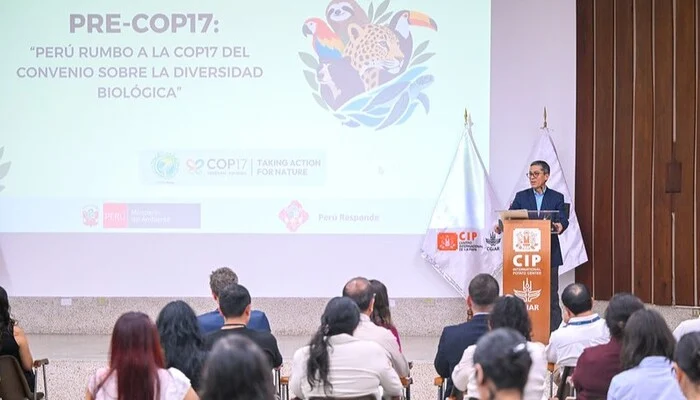
The roadmap for this international engagement was recently cemented during the national Pre-COP17, a high-level summit held in Lima that brought together government officials, international cooperation agencies, and a vibrant contingent of youth leaders. This collaborative environment served as a crucible for defining the narrative Peru will present on the global stage: a narrative rooted in the National Strategy for Biological Diversity 2050 and the associated Action Plan 2030.
Main Facts: Peru’s Biodiversity Agenda
The core of Peru’s mission at COP17 is to demonstrate that the protection of nature is not an obstacle to development but a prerequisite for it. Fernando León Morales, the Vice Minister of Strategic Development of Natural Resources at the Ministry of the Environment (Minam), underscored that the country has reached critical milestones in the management of Protected Natural Areas (ANPs), the restoration of degraded ecosystems, and the integration of traditional knowledge into modern conservation policy.
Key pillars of the Peruvian presentation include:
- The 2050 Vision: Implementation of the National Strategy for Biological Diversity, which aligns with the global Kunming-Montreal Global Biodiversity Framework.
- Sustainable Economic Models: A significant shift in how the Amazonian basin is utilized, moving away from extractive models toward bio-business and sustainable harvesting.
- Agrobiodiversity Stewardship: Leveraging Peru’s status as a global center of origin for essential food crops—such as potatoes, corn, and quinoa—to address global food security challenges.
- Youth Engagement: Institutionalizing the role of younger generations in policy-making, specifically through initiatives like "Eco Centinelas."
Chronology of Preparations
The journey to the Yerevan summit has been a deliberate, multi-stakeholder process designed to ensure that the Peruvian voice is both unified and evidence-based.
- Q1–Q2 2026: Initial drafting of the National Action Plan 2030, incorporating input from regional governments and indigenous communities.
- August 2026: Launch of the "Eco Centinelas" initiative by the Global Youth Biodiversity Network (GYBN) Peru, setting the stage for youth-led advocacy.
- September 2026: The Pre-COP17 summit in Lima, acting as the final coordination hub for the Peruvian delegation. This event served to synthesize academic research, state policy, and grassroots perspectives into a cohesive national stance.
- October 19–30, 2026: The COP17 event in Yerevan, where the results of these preparations will be presented to global stakeholders, including potential investors and international climate funds.
Supporting Data and Financial Commitments
A primary critique of international biodiversity summits is the lack of tangible investment in the regions that harbor the most life. Peru is addressing this through direct, targeted funding. According to Vice Minister León Morales, Minam has earmarked more than S/ 40 million to catalyze sustainable economic activities within the Amazon.
These funds are not merely subsidies; they are investments in local value chains. By supporting the sustainable harvesting of non-timber forest products—such as fruits, nuts, and medicinal plants—the government aims to provide viable economic alternatives for local populations who might otherwise turn to illicit logging or gold mining.
Expanding the Scope
The success of these Amazonian pilot programs is now being evaluated for replication in two distinct, high-priority areas:
- The Andean Region: Focusing on the protection of high-altitude wetlands (bofedales) and the preservation of native crop varieties that are resilient to climate change.
- The Marine Domain: Strengthening the management of coastal ecosystems and artisanal fishing zones to ensure long-term ocean health and food security.
Furthermore, the "Eco Centinelas" program represents a financial success story in itself, having secured funding from the NBSAP Accelerator Partnership. This international backing validates Peru’s approach of linking government policy with youth-led, on-the-ground monitoring and advocacy.
Official Responses and Strategic Vision
The official perspective from the Peruvian government, as articulated by the Ministry of the Environment, emphasizes a departure from "command and control" conservation. Instead, the focus is on collaborative governance.
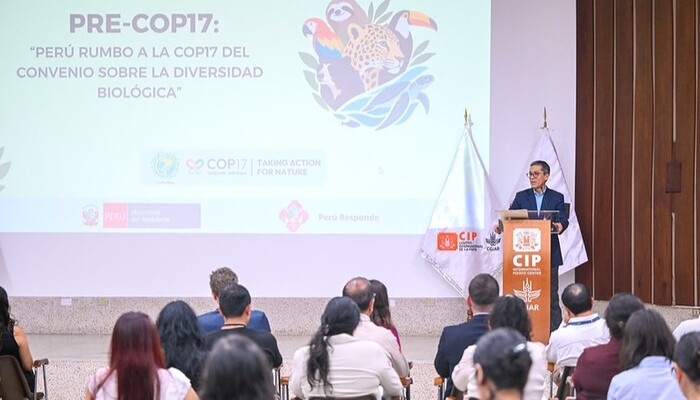
"We are not just protecting hectares of land; we are protecting the future of global nutrition," noted Vice Minister León Morales during the Pre-COP17. He emphasized that Peru’s indigenous peoples are the primary guardians of the nation’s genetic wealth. Their traditional knowledge, combined with modern scientific monitoring, is the cornerstone of the country’s success in managing species and preventing the spread of invasive exotic species.
The government maintains that by aligning with the Kunming-Montreal Global Biodiversity Framework, Peru is not only fulfilling international obligations but is also insulating its economy against the risks of environmental collapse. This proactive stance is designed to attract further international cooperation, as Peru seeks to position itself as a "safe and smart" destination for global biodiversity investment.
Implications: What to Expect at COP17
As the delegation prepares to depart for Armenia, the implications of their mission are far-reaching:
1. Influence on Global Policy
By showcasing the results of the National Action Plan 2030, Peru aims to influence the global debate on how to finance biodiversity protection in developing nations. The "Peru Model" of combining public funding with youth-led monitoring offers a blueprint for other megadiverse nations in Africa and Southeast Asia.
2. Strengthening International Alliances
COP17 serves as a marketplace for environmental policy. Peru will seek to solidify partnerships with the European Union and other development agencies to scale up the S/ 40 million Amazon investment. The goal is to move toward a more integrated, cross-border approach to biodiversity that considers the migratory patterns of species and the interconnectedness of climate-resilient landscapes.
3. The Role of the Youth
The inclusion of GYBN Peru in the official delegation is a strategic move to ensure continuity. By integrating youth into the diplomatic process, Peru ensures that the commitments made in 2026 will be held to account by the generation that will inherit the consequences. The "Eco Centinelas" project will be presented as a flagship for how the state can effectively partner with civil society to fill the gaps in remote environmental monitoring.
4. A Template for Agrobiodiversity
Perhaps most importantly, Peru will champion the importance of agrobiodiversity. In a world facing increasing food insecurity, the genetic heritage preserved by Andean farmers is a global asset. By emphasizing this, Peru is elevating its domestic agricultural policy to a top-tier international security issue.
Conclusion
The road to Yerevan represents a defining moment for Peru. With a clear strategy, significant internal investment, and a unified front that spans from government officials to the youth, the country is ready to demonstrate its leadership.
As the world watches the discussions at COP17, Peru’s message will be clear: biodiversity is not a static resource to be guarded, but a dynamic system to be managed through innovation, indigenous partnership, and sustainable economic policy. If successful, the initiatives presented in Armenia will not only bolster Peru’s environmental standing but will provide a vital, working model for the rest of the world to emulate in the race to preserve our planet’s life-sustaining systems before the 2030 targets slip out of reach.