Executive Summary: A Race Against Time
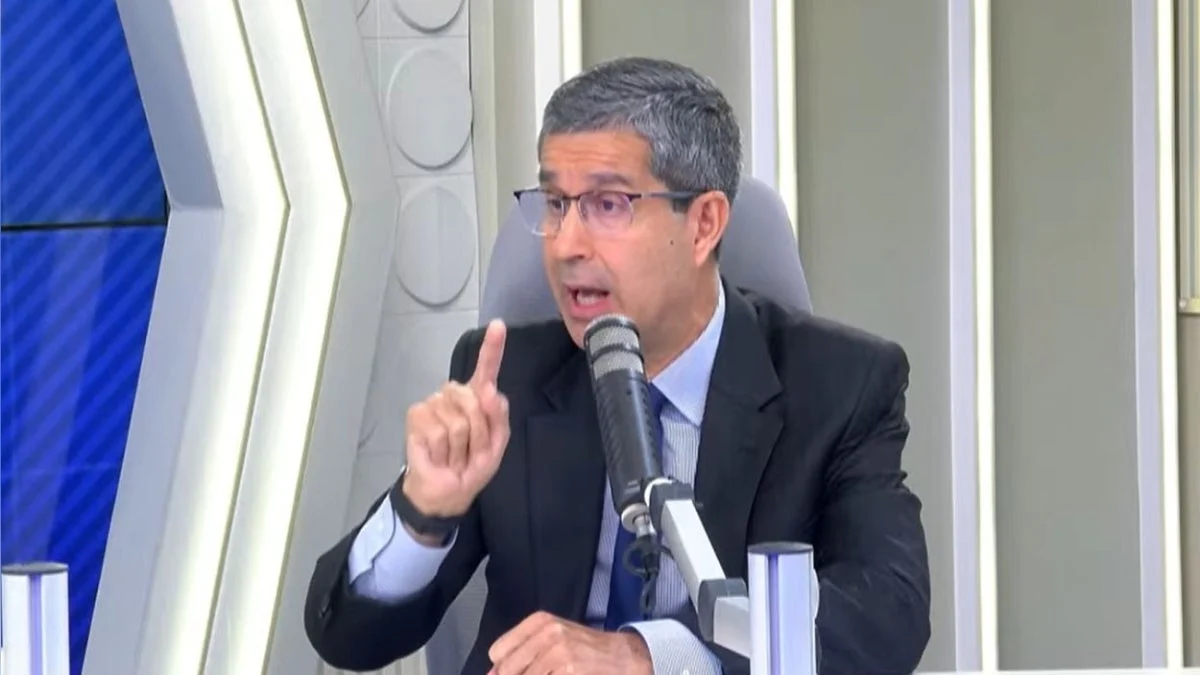
In a decisive move to fortify national infrastructure against the looming threat of the El Niño phenomenon, the Peruvian government is preparing a high-priority emergency decree designed to unlock S/ 1.5 billion in stagnant funds. Marco Vinelli, Minister of Agrarian Development and Irrigation (Midagri), announced that this legislative intervention will grant regional and municipal governments the unprecedented flexibility to reallocate existing budgets toward urgent disaster prevention and mitigation strategies.
As the country braces for the peak of the rainy season—expected between December and the first quarter of next year—the administration is shifting its strategy from reactive emergency management to proactive structural fortification. With 536 critical points identified across the coastal regions from Tumbes to Arequipa, the government is racing to clear riverbeds, reinforce embankments, and secure logistical support before the climatic shift reaches its zenith.
The Budgetary Bottleneck: Unlocking S/ 1.5 Billion
The core of the current crisis lies in the underutilization of the "068" budget line, a specific financial vehicle dedicated exclusively to emergency and disaster response. According to Minister Vinelli, this fund holds a total of approximately S/ 3.2 billion. However, as of the most recent audit, less than 50% of these resources have been deployed.
Why the Funds Remain Trapped
Bureaucratic inertia and rigid fiscal regulations have historically prevented local governments from shifting funds from non-essential areas to urgent infrastructure repair. The forthcoming emergency decree aims to dismantle these administrative roadblocks. By providing a clear legal pathway for regional and municipal authorities to modify their budgets, the central government intends to ensure that the remaining S/ 1.5 billion is immediately accessible for:
- Descolmatación: The mechanical cleaning and removal of sediment from riverbeds to increase drainage capacity.
- Infrastructure Defense: The rapid installation of temporary and permanent flood defenses.
- Supply Procurement: The bulk purchase of emergency aid, including food, water, and shelter materials.
"We are currently in a state of declared emergency, which provides the necessary legal framework for action," Vinelli stated. "This new decree will act as the final catalyst, allowing local mayors and governors to pivot their resources directly into the front lines of El Niño prevention without fear of legal or fiscal repercussions."
Chronology of the Strategic Response
The government’s plan to mitigate El Niño is structured in two distinct, overlapping phases. The strategy reflects a shift in lessons learned from previous climate events, emphasizing both engineering solutions and humanitarian readiness.
Phase I: Preventive Engineering (August – November)
The current focus is on the "preventive window." Between now and the onset of the heavy rains in December, the government is prioritizing the intervention of 536 critical points.
- Early Operations: Work commenced in the northern regions of Piura, Lambayeque, and Tumbes, which are historically the most vulnerable to oceanic warming.
- Expansion: Operations are scheduled to scale rapidly into the regions of La Libertad, Ancash, and Lima throughout the coming weeks.
- The Role of ANA: The National Water Authority (ANA) has been designated as the technical secretariat of the National Commission for El Niño Risk Management. Their mandate is to conduct site assessments, define the scope of technical engineering required, and oversee the execution of the cleaning of rivers and ravines.
Phase II: The Emergency Response (December – April)
Starting in December, the focus shifts from prevention to active response. While the engineering works will continue to function as the first line of defense, the Instituto Nacional de Defensa Civil (INDECI) is tasked with managing the second line: humanitarian readiness. This includes the strategic pre-positioning of tents, mobile shelters, and emergency food rations in high-risk zones, ensuring that if infrastructure fails, the population remains protected.
Supporting Data: The Scale of the Challenge
The magnitude of the risk facing Peru is immense. While the current 536 identified critical points are the government’s immediate priority, they represent only a fraction of the total danger zones.
- Total Critical Points: 1,900 identified across the national territory.
- The Coverage Gap: The government is currently addressing approximately one-third of these points. The remaining two-thirds, categorized as "medium to low" risk, remain a significant concern for future planning.
- Economic Impact: The cost of inaction is estimated to be exponentially higher than the current preventive investment, as past El Niño events have historically decimated regional agricultural outputs and shattered vital transport corridors.
Official Responses and Ministerial Coordination
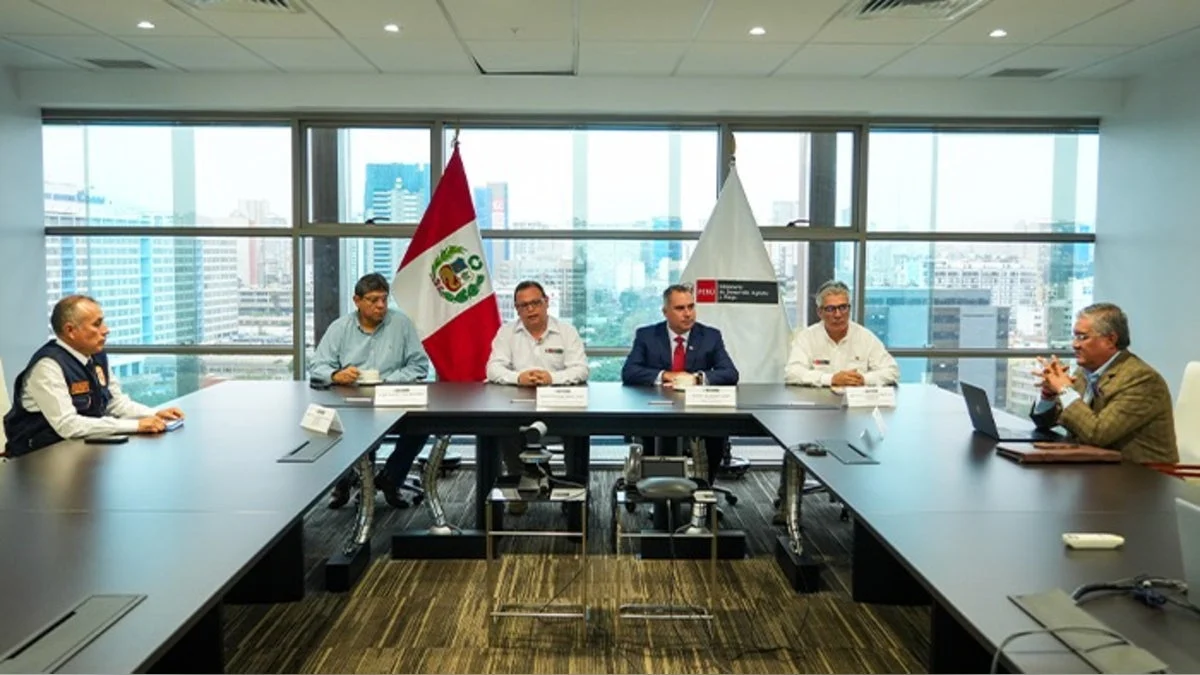
The National Commission for Risk Management is a multidisciplinary body designed to prevent the silos that often plague government operations. The committee is comprised of the following key pillars:
- Midagri (Agriculture): Leads the technical field operations for irrigation and river cleaning.
- Ministry of Defense: Provides logistical support, heavy machinery, and security.
- Ministry of Economy and Finance (MEF): Manages the release of funds and oversight of the new emergency decree.
- Ministry of Housing: Focuses on the structural integrity of residential areas and water management.
Minister Vinelli highlighted that this committee is not just a desk-based entity; it is a field-oriented operation. "We are walking these sites with local leaders to ensure that the money we unlock through the decree is spent efficiently and transparently," he noted.
Implications for the Private Sector
In an effort to bridge the gap between the 536 primary sites and the remaining 1,364 critical locations, the government is explicitly calling for private sector engagement.
A Call for Corporate Social Responsibility
The government is inviting private enterprises to contribute to disaster risk reduction. This is not merely an appeal for charity but a strategic request for resource-sharing. The proposed collaboration involves:
- Technical Assistance: Companies with engineering capabilities are encouraged to adopt specific medium-risk sites.
- Logistical Support: Businesses are asked to provide critical supplies such as water, high-calorie non-perishable food, and transportation to assist in evacuation procedures.
- Shared Responsibility: Recognizing that private infrastructure, such as pipelines and agro-industrial plants, is also at risk, the government is creating frameworks where private investment in infrastructure protection can be aligned with public safety goals.
Long-term Outlook and Conclusion
The urgency of the current situation cannot be overstated. With climate models indicating a strengthening of the El Niño oscillation, the Peruvian government has moved beyond rhetoric into a phase of intense fiscal and operational mobilization.
The success of these initiatives will depend heavily on the velocity at which the MEF releases the promised decrees and the speed with which local governments can pivot their administrative machinery to handle the influx of newly unlocked capital.
The government’s message to the public is one of measured urgency. By front-loading the expenditure, simplifying the legal framework, and coordinating across all levels of the state—from the National Water Authority down to municipal public works offices—Peru is attempting to transform a cycle of inevitable disaster into a manageable, albeit difficult, seasonal event.
As the clock ticks toward the year’s end, the effectiveness of these 536 critical interventions will serve as the true litmus test for the administration’s disaster risk management capabilities. The coming months will determine not only the safety of thousands of citizens living in high-risk zones but also the resilience of the nation’s agricultural sector and its long-term economic stability. The path forward is clear: integrate, act, and prepare before the rains arrive.