Executive Summary: A Procedural Deadlock
The Ministry of Justice and Human Rights, through the Directorate of Presidential Pardons, has officially rejected a request for a presidential pardon submitted on behalf of former President Pedro Castillo Terrones. The petition, filed on July 14 by Congressman Elías Varas, was dismissed on the grounds that it failed to meet the rigorous administrative and legal requirements mandated by the Commission of Presidential Pardons.
The decision, formalized in a report dated July 20 and signed by Jhoner Quispe Romani, head of the Directorate of Presidential Pardons, highlights a significant disconnect between the petitioner’s submission and the procedural standards governing executive clemency in Peru. According to the document, the primary failure lay in the petitioner’s inability to specify the nature of the pardon sought, rendering the application legally insufficient for further evaluation.
Chronology of Events: From Palace to Prison
To understand the gravity of this rejection, one must look at the timeline that has defined Pedro Castillo’s post-presidential trajectory:
- December 7, 2022: Pedro Castillo attempts to dissolve Congress and intervene in the judiciary, an act widely classified as a failed coup d’état. He is detained shortly thereafter.
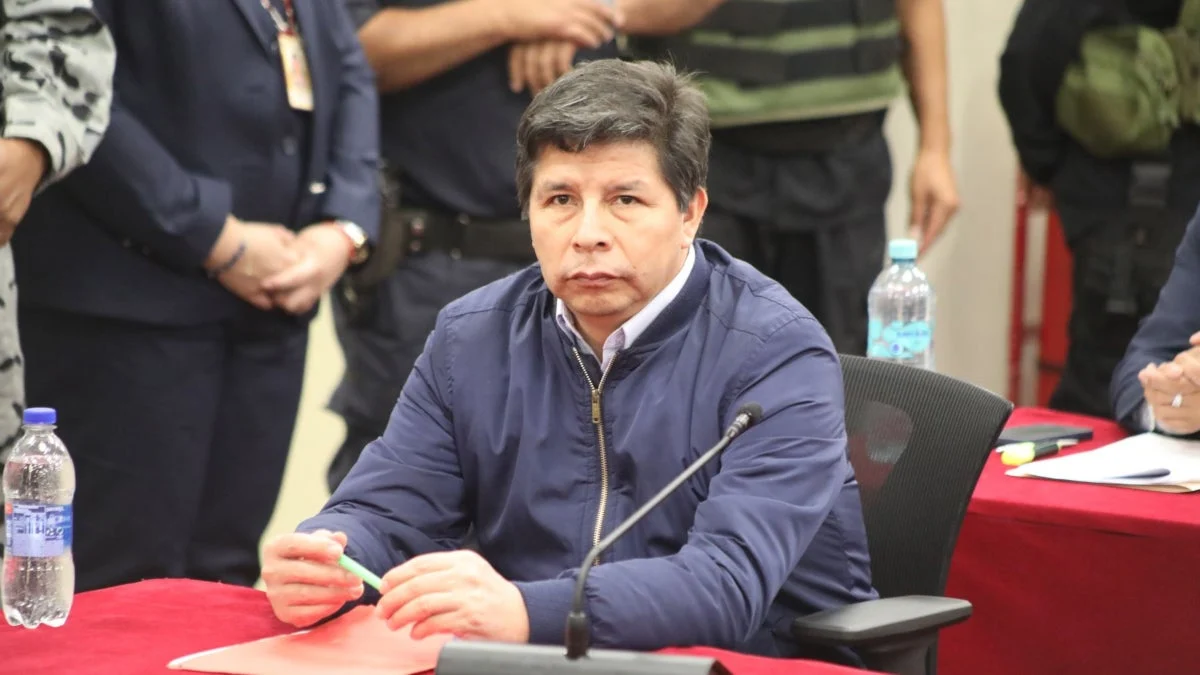
- December 2022 – Present: Castillo is remanded to the Barbadillo prison facility in the Ate district of Lima.
- December 4, 2023: The Special Criminal Chamber of the Supreme Court issues a landmark sentence, condemning the former president to 11 years, 5 months, and 15 days in prison for the crime of conspiracy to commit rebellion.
- July 14, 2024: Congressman Elías Varas submits a formal request for a presidential pardon, aiming to secure the release of the former head of state.
- July 20, 2024: The Directorate of Presidential Pardons issues a formal report rejecting the request due to a lack of technical and legal specificity.
Technical Deficiencies: Why the Request Failed
The rejection was not a commentary on the political merits of the case, but rather a cold assessment of administrative compliance. The report signed by Jhoner Quispe Romani is explicit regarding the failures of the application.
The Ambiguity of the Request
The Internal Regulations of the Commission of Presidential Pardons—outlined in Article 3—list several distinct types of clemency, ranging from standard pardons to commutations of sentence. The Directorate noted that Congressman Varas’s filing was generic, failing to clarify which specific legal mechanism was being invoked.
"In attention to this, it is necessary to clarify that there are different types of presidential pardons for the prison population," the report states. "The application must define which of these fits the specific situation of the inmate."
The Burden of Formalism
The document emphasizes that a presidential pardon is an extraordinary measure, not a routine administrative act. Therefore, the burden of proof and the strict adherence to formal requirements are heightened. By failing to categorize the request, the petitioner essentially prevented the Commission from conducting an assessment. The Ministry of Justice has indicated that it will now refer the matter to the Vice-Ministerial Office of Justice to formally communicate the rejection to the congressman.
Supporting Data: The Legal Landscape
Pedro Castillo remains one of the most legally compromised figures in modern Peruvian history. His current incarceration is the result of the conspiracy conviction, but it is only the tip of the iceberg.
Current Legal Status
The former president is currently subject to a preventive detention order related to ongoing investigations into corruption. Prosecutors have accused him of leading a criminal organization involving high-level government officials, with primary focus on the "PetroPerú," "Puente Tarata," and "Ministry of Housing" cases.
The complexity of these cases suggests that even if the conspiracy conviction were to be overturned or pardoned, the legal barriers to his release would remain insurmountable due to the active pretrial investigations. The Supreme Court has already confirmed that his detention in these corruption cases is slated to continue through at least March 2027.
Official Responses and Political Implications
The move by Congressman Elías Varas represents a broader, often polarized, effort by Castillo’s supporters to challenge the legitimacy of his incarceration. However, the rejection by the Executive branch—the very branch that holds the power of the pardon—signals a clear boundary.
The Role of the Executive
The administration of President Dina Boluarte has maintained a stance of strict adherence to judicial independence. By rejecting the petition on technical grounds, the Directorate of Presidential Pardons has effectively avoided a political firestorm, framing the issue as a matter of bureaucratic process rather than executive intent. This strategy serves to insulate the current government from accusations of bias while upholding the institutional integrity of the pardon process.
The Political Fallout
Congressman Varas, who has consistently campaigned for the "political prisoners" of the current administration, will likely view this rejection as a bureaucratic obstacle to be overcome. However, political analysts suggest that the technical failure of the application may serve as a convenient exit for the government. If the request had been complete, the government would have been forced to take a definitive political stance on a polarizing figure. By rejecting it for lack of compliance, they have shifted the burden back onto the legislative proponent.
Implications for Future Criminological and Legal Precedent
The rejection of this petition underscores the rigorous, almost rigid, nature of the Peruvian pardon system. In a country where the "Presidential Pardon" is often viewed through a populist lens, the Ministry of Justice’s refusal to bypass procedure is a significant indicator of the current administration’s commitment to administrative protocol.
Administrative Precedent
This case sets a precedent that high-profile political figures are subject to the same regulatory requirements as any other prisoner in the Peruvian penitentiary system. The "Internal Regulations of the Commission of Presidential Pardons" are not merely guidelines; they are barriers designed to ensure that the power of clemency is not abused or used in an arbitrary fashion.
The Future of Castillo’s Defense
For the legal defense team of Pedro Castillo, this development is a setback that highlights the necessity of a more sophisticated strategy. If the defense intends to seek clemency in the future, they must move beyond general appeals and engage with the specific, technical nuances of the penal code and the internal regulations of the Ministry of Justice.
As it stands, the former president remains in Barbadillo, and the pathway to a presidential pardon—a path already fraught with political difficulty—has become significantly narrower due to the failure to satisfy the most basic administrative prerequisites.
Conclusion: Institutional Stability vs. Political Agitation
The rejection of the pardon request for Pedro Castillo is, at its core, a victory for administrative procedure. While the political supporters of the former president continue to call for his release, the mechanisms of the Peruvian State have functioned to maintain the status quo.
The report from the Directorate of Presidential Pardons serves as a reminder that even the most powerful political actors are subject to the formalities of the rule of law. As Peru continues to navigate the complexities of its recent political history, the adherence to these protocols remains essential for the preservation of institutional legitimacy. The path forward for any potential pardon remains strictly governed by law, and as of late July, that path remains firmly closed to the former president.