TALARA, PIURA – In a significant move to uphold property rights and combat the illicit occupation of public assets, the Superintendencia Nacional de Bienes Estatales (SBN)—an entity under the jurisdiction of the Ministry of Housing, Construction, and Sanitation—successfully executed a mega-operation to reclaim two state-owned properties in the district of Los Órganos, Piura.
This strategic intervention, which saw the recovery of over 13,700 square meters of land, marks a decisive step in the government’s ongoing effort to curb land trafficking and ensure that state assets are managed within the strict confines of the law.
Main Facts: The Scope of the Operation
The reclamation process targeted two specific parcels of land situated northeast of the city of Los Órganos, strategically located at kilometer 1155 of the Pan-American North Highway. The total area reclaimed amounts to 13,797.97 square meters—comprising one plot of 8,188.19 square meters and a second of 5,609.78 square meters.
The operation was categorized as a "mega-operation" due to the scale of the deployment and the necessity for inter-institutional coordination. By removing illegal structures and restoring the state’s domain over these lands, the authorities have effectively neutralized a long-standing point of contention in the Talara province.
The SBN confirmed that the operation was conducted with a high degree of precision and professionalism, ensuring that no physical altercations occurred. This peaceful resolution was a result of meticulous planning and the presence of significant police support, which served as a deterrent against potential resistance.

Chronology of the Intervention
The recovery of these lands was not a spontaneous event but the culmination of a systematic administrative process.
- Identification and Verification: SBN technicians, utilizing satellite imagery and land registry documentation, identified the parcels as state property. Following reports of unauthorized occupation, the agency verified that these individuals held no legal title or government-authorized lease.
- Legal Notification: Before the intervention, the occupants were given due notice under the administrative framework, requesting them to vacate the premises voluntarily.
- Strategic Planning: Understanding the sensitivity of the location—a high-traffic area along the Pan-American North—the SBN coordinated with regional security forces to ensure the safety of the public and the personnel involved.
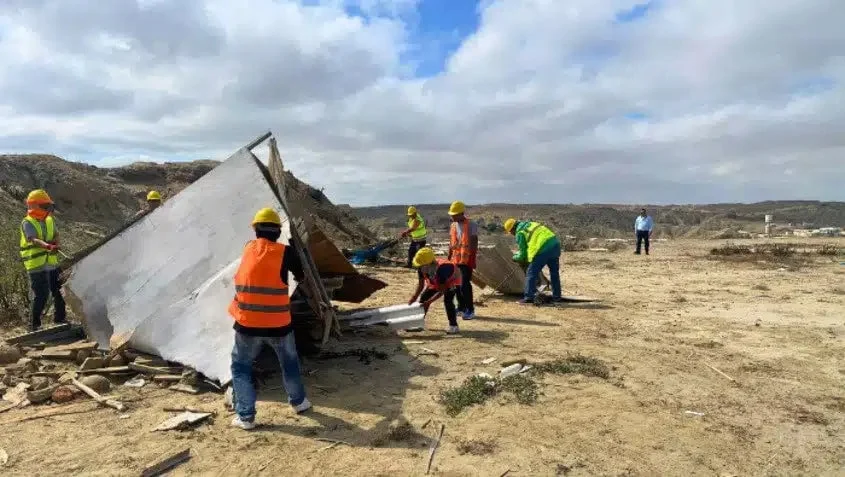
- The Execution: On the day of the operation, the SBN, supported by the Peruvian National Police (PNP)—specifically the Sullana Police Division, the Talara Sectorial Station, and the Los Órganos PNP Station—secured the perimeter. The process involved the dismantling of temporary structures and the formal reclamation of the site, which was completed without any significant disruption to local traffic or community peace.
Supporting Data and Legal Framework
The legal authority behind this operation is robust and clearly defined. The SBN operates under the mandates of Articles 65 and 66 of Law No. 30230, as well as the provisions of Legislative Decree No. 1726. These legislative tools are specifically designed to empower the Peruvian state to engage in the "direct recovery" of its properties.
The Legislative Backbone
- Law No. 30230: This law grants the state the power to recover possession of state-owned properties through administrative means when they are being occupied without title.
- Legislative Decree No. 1726: This decree reinforces the role of the SBN in protecting the public domain and provides the regulatory procedures for eviction in cases of illegal occupation.
These laws represent a clear warning to those involved in the "land trafficking" market. The government’s stance is firm: the illegal occupation of state property is not merely a civil matter but a criminal offense that carries severe consequences.
The Implications: Combating Land Trafficking
The recovery of these properties in Los Órganos serves as a microcosm of a much larger issue facing the Peruvian coast. Land trafficking—the act of illegally seizing, subdividing, and selling public lands to unsuspecting buyers—has become a plague in regions like Piura, where the value of land has risen due to tourism and infrastructure development.
Deterrence and Criminal Penalties
Under the current Peruvian Penal Code, individuals found guilty of the usurpation and illicit trafficking of state land face severe penalties, including up to twelve years of imprisonment. The SBN’s recent operation serves as a reminder that the judiciary and the executive branch are increasingly aligned in their pursuit of land traffickers.

The implication is twofold:
- For the Public: Citizens are warned against purchasing land that lacks proper registration or clear titles. Many victims of land trafficking find themselves evicted by the state after investing their life savings into illegal plots.
- For Land Traffickers: The state is signaling a "zero-tolerance" policy. The ability to perform these "mega-operations" indicates that the SBN has the resources and the political backing to pursue illegal occupants regardless of the size or location of the land.
Official Responses and Strategic Outlook
While the SBN led the operational charge, the success of the intervention relied heavily on the support of the regional police forces.
"The coordination between the SBN and the PNP was essential," noted a spokesperson for the regional security office. "By combining the technical oversight of the SBN with the tactical presence of the police, we were able to demonstrate that the state is the only entity with the authority to dictate how these public lands are used."
Moving forward, the SBN has indicated that this is part of a broader, ongoing campaign. The agency plans to monitor other high-risk areas in the Piura region to prevent future incursions. This proactive approach is designed to stop illegal settlements before they become permanent, thereby saving the state the time and resources required for later removal operations.
The Future of the Recovered Lands
Now that the land has been reclaimed, the SBN faces the next step in the process: evaluating the best use for these properties. Whether these lands will be designated for public infrastructure, conservation, or potential auction for development, the priority remains that the process must be transparent, legal, and beneficial to the citizens of Talara.

The reclamation of these 13,797.97 square meters sends a powerful message to the northern region of Peru: the rule of law is the foundation upon which orderly development must be built. The government’s ability to recover state assets is not just about real estate; it is about protecting the integrity of the public trust.
In conclusion, the mega-operation in Los Órganos is a testament to the effectiveness of inter-agency cooperation and the consistent application of laws designed to protect the state’s patrimony. As Peru continues to develop, the enforcement of these land laws will be crucial in ensuring that resources remain available for the common good, rather than being exploited for private, illegal gain.
For more information on state property regulations or to report illegal occupations, citizens are encouraged to visit the official SBN portal or contact their regional office. Stay updated on the latest infrastructure and regulatory news by joining our community channels.