Introduction: A Strategic Leap for Lima’s Connectivity
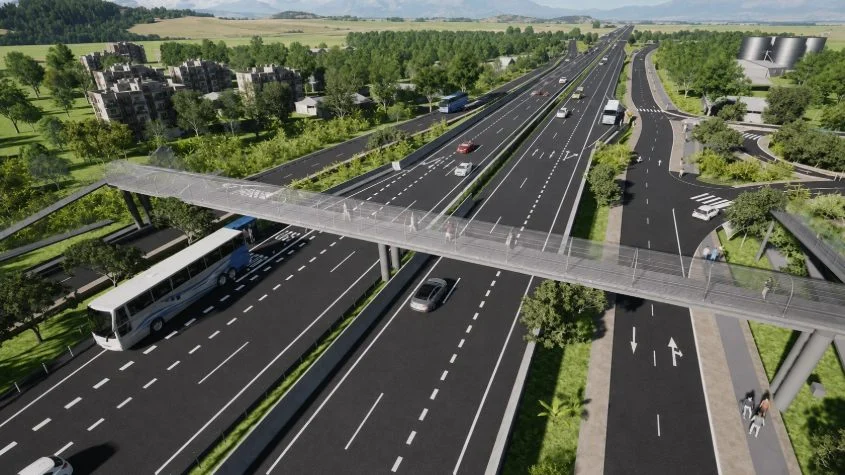
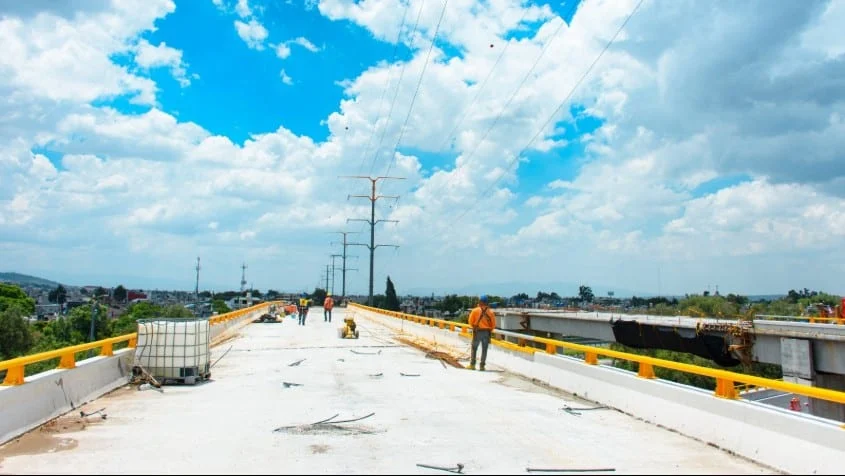
In a significant move to modernize the capital’s urban mobility, the Metropolitan Municipality of Lima has officially launched the construction of the new Canada Avenue Expressway. This ambitious engineering project, backed by a substantial investment of S/226 million, aims to fundamentally restructure one of the city’s most vital transit arteries. With a total intervention area spanning 3.71 kilometers, the project is not merely an asphalt upgrade; it represents a comprehensive overhaul of urban infrastructure designed to alleviate traffic congestion, enhance safety, and integrate modern transit solutions for more than one million residents.
The project, which officially commenced on the night of Tuesday, October 27, introduces complex traffic management plans that will reshape the daily commute for thousands of drivers. As the city transitions toward a more efficient transport network, the authorities are prioritizing long-term urban efficiency over short-term logistical challenges.
Main Facts: Scope and Technical Specifications
The Canada Avenue project is a multi-faceted engineering endeavor designed to improve traffic flow between key commercial and residential districts. The intervention is divided into three distinct structural axes:
- Axis One (1.9 kilometers): Stretching from a point approximately 300 meters from Circunvalación Avenue to Arqueología Avenue.
- Axis Two (1.1 kilometers): Connecting Arqueología Avenue to Celendín Street.
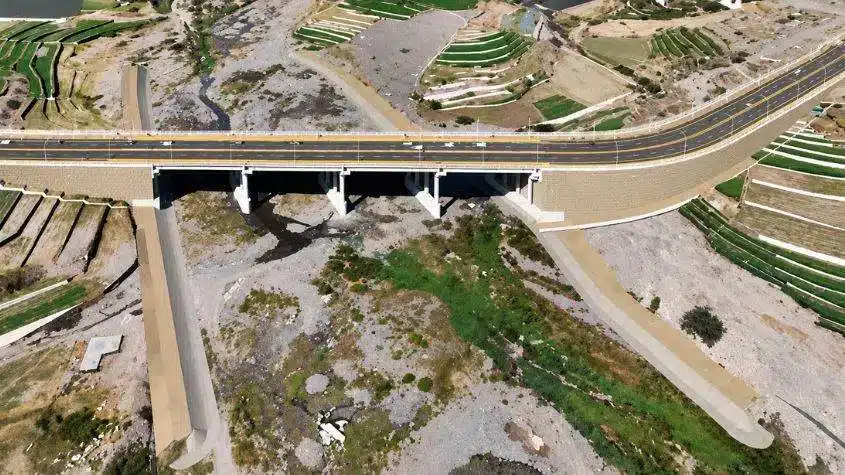
- Axis Three (Viaduct Infrastructure): A specialized "U-turn" viaduct located on Circunvalación Avenue, engineered specifically to optimize vehicle returns and eliminate bottlenecks caused by traditional intersection turnings.
Beyond the road surfaces, the project includes an extensive urban renewal program. This involves the complete replacement of the existing asphalt with high-durability pavement, the reconstruction of sidewalks to meet modern accessibility standards, and the renovation of public transport stops. Furthermore, the installation of a state-of-the-art intelligent traffic light system is expected to synchronize traffic flow, reducing waiting times and carbon emissions caused by idling vehicles.
Chronology of the Implementation and Traffic Restrictions
The transition to this new infrastructure requires a phased approach to minimize disruption. As of the evening of October 27, the following restrictions have been implemented:

- Initial Restriction: The segment of Canada Avenue between Arqueología and Circunvalación avenues is now closed to private vehicles. Additionally, a section of Circunvalación Avenue leading toward Javier Prado Avenue is under restricted access.
- The One-Month Transition: During the first 30 days of construction, the project will maintain two open lanes on Canada Avenue to allow for a gradual adjustment period for local traffic.
- Long-term Restriction: Following the first month, capacity will be further reduced to a single lane for the remainder of the 330-day construction period.
Exemptions: Recognizing the need to keep the city’s economic and public transit pulse beating, the authorities have confirmed that public transport buses and heavy-duty logistics vehicles will be permitted to continue circulating through the designated zones. Private vehicle operators are advised to utilize the established alternative routes: Julio Bailetti, Del Aire, and Nicolás Arriola avenues.
Official Responses and Administrative Oversight
Luis Felipe Gamarra, the General Manager of Invermet (the entity overseeing the project), emphasized the necessity of these measures during a recent press briefing. "The intervention is critical to the future of Lima’s road connectivity. While we acknowledge the inconvenience caused by detours, the long-term benefit of a high-speed, modern thoroughfare far outweighs the temporary disruption," Gamarra stated.
To address the concerns of local residents who live within the construction perimeter, the municipality has launched an official resident registration program. Homeowners and tenants in the immediate vicinity will be issued special transit passes, ensuring that they retain access to their properties despite the heavy machinery and construction activity. This proactive approach aims to maintain social harmony and logistical efficiency for the local population during the nearly year-long construction timeline.
Supporting Data: Economic and Social Impact
The S/226 million investment is part of a broader fiscal strategy by the Metropolitan Municipality of Lima to prioritize high-impact infrastructure projects. The 330-day timeline is a tightly managed schedule designed to ensure the project meets its deadlines without compromising structural integrity.
The scope of the project extends beyond basic road transit to include:

- Environmental Integration: Development of new green areas that act as natural buffers between high-traffic lanes and residential zones.
- Active Mobility: Inclusion of a dedicated, segregated bicycle path to encourage sustainable commuting.
- Urban Safety: Implementation of new, high-efficiency public lighting systems, which studies have shown significantly reduce crime rates and traffic accidents during nighttime hours.
- Visual Clarity: Installation of advanced horizontal and vertical signaling systems to improve driver awareness and pedestrian safety.
With over one million direct beneficiaries, the project addresses the "bottleneck" phenomenon that has plagued this sector of Lima for decades. By optimizing the flow of vehicles through the three new viaducts, the city expects a significant reduction in travel time for commuters traveling from the eastern districts toward the city center.
Implications: The Future of Urban Mobility in Lima
The Canada Avenue Expressway is a microcosm of Lima’s evolving approach to urban planning. Historically, city development often struggled to keep pace with the exponential growth of the vehicle fleet. By integrating viaducts—an elevated solution that separates transit streams—the city is moving toward "multi-level" urban mobility.
Economic Implications
The reduction in travel time has a direct correlation with economic productivity. Thousands of hours currently lost to traffic congestion will be reclaimed by the workforce. Furthermore, the construction phase itself serves as a job creator, providing employment for hundreds of engineers, architects, and construction workers over the 330-day term.
Urban Sustainability
The inclusion of a bike path and significant landscaping reflects a global trend in city planning: the "Human-Centric City." By designing roads that accommodate not just cars, but also pedestrians and cyclists, the project seeks to balance industrial efficiency with quality of life. The new lighting and signaling infrastructure will also serve to modernize the aesthetic of the district, potentially increasing property values and encouraging commercial investment in the surrounding areas.
Challenges Ahead
Despite the clear benefits, the next 11 months will be a test of endurance for the city’s traffic management systems. The success of the project hinges on the strict adherence to the detour routes and the effectiveness of the traffic police in managing the flow through the alternative arteries of Julio Bailetti and Del Aire. Residents and daily commuters are encouraged to stay informed via the municipality’s official channels, as traffic patterns may shift periodically as different stages of the viaduct construction advance.

Conclusion
The transformation of Canada Avenue stands as a landmark project for the current municipal administration. By tackling the root causes of congestion through advanced structural engineering and thoughtful urban design, Lima is positioning itself to be a more efficient, safer, and more connected capital. As construction progresses, the city will undergo a temporary period of adjustment, but the ultimate result—a streamlined, modern transit corridor—promises to redefine the standard for urban infrastructure in Peru for years to come.
Citizens are encouraged to plan their daily routes in advance, utilize public transit where possible, and adhere to the guidance provided by site authorities to ensure that the progress of this vital project remains on schedule for its projected completion. The road to a more modern Lima is under construction, and the Canada Avenue Expressway is the latest, and perhaps most vital, step on that journey.