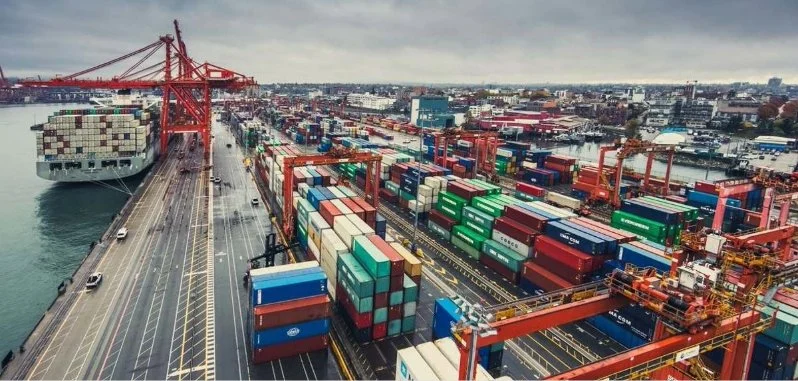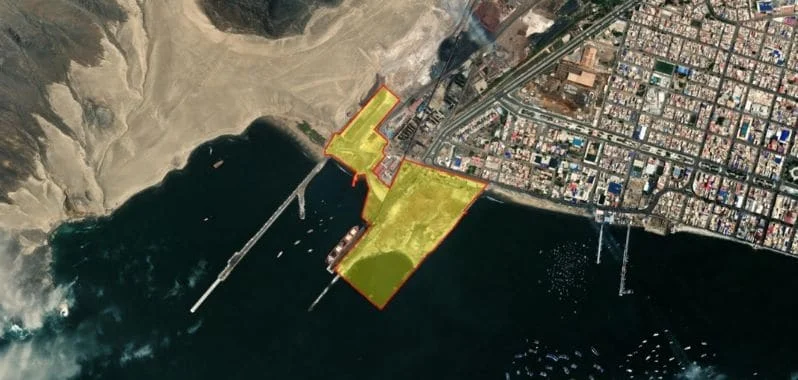
The landscape of northern Peru’s maritime infrastructure is set for a historic transformation. In a move designed to catalyze regional economic growth, the Ministry of Housing, Construction, and Sanitation (MVCS), acting through the National Superintendence of State Assets (SBN), has officially authorized the transfer of over 71,000 square meters of state-owned land to the Ministry of Transport and Communications (MTC). This critical milestone paves the way for the long-awaited modernization of the International Port Terminal of Chimbote in the Ancash region.
The Core Mandate: Unlocking Logistical Potential
The transfer, involving exactly 71,346.74 square meters, is not merely a bureaucratic formality; it is the physical foundation required to turn the Port of Chimbote into a globally competitive maritime hub. By providing the MTC with land that is fully sane, both physically and legally, the government removes one of the most significant bottlenecks in infrastructure development: property uncertainty.
The project, formalized under Resolution No. 2184-2026/SBN-DGPE-SDDI, aligns with the national strategic vision to decentralize Peru’s export capacity. By upgrading the terminal, the government aims to reduce logistics costs, improve export efficiency for regional agricultural and industrial products, and position Chimbote as a primary gateway for international trade in the northern-central corridor.
A Chronology of Progress
The path to this land transfer has been marked by years of legislative and technical preparation. Understanding the timeline is essential to grasp why this specific decision is a turning point:
- Foundation Phase (The Legislative Framework): The initiative is rooted in the broader framework of Legislative Decree No. 1192, which governs the acquisition and appropriation of real estate for public infrastructure projects.
- The Declaratory Milestone: Law No. 30781 played a pivotal role by declaring the modernization of the Port of Chimbote a matter of national interest and public necessity. This provided the legal "green light" for the state to prioritize resources and land allocation.
- Technical Evaluation (2025–2026): Over the past eighteen months, the SBN conducted rigorous site assessments. This process was far from simple; it involved resolving complex overlaps in land ownership, surveying coastal boundaries, and ensuring that no protected environmental zones—specifically beach areas and aquatic domains—were encroached upon.
- The Formalization (October 2026): With the signing of Resolution No. 2184-2026/SBN-DGPE-SDDI, the transfer moved from the planning stage to the execution stage, effectively clearing the path for construction tenders and infrastructure development.
Supporting Data and Technical Scope
The modernization project is not a minor renovation; it is a comprehensive overhaul of terminal capabilities. The technical scope of the project, now supported by the newly acquired land, includes:

- Expansion of Storage Capacity: The 71,346.74 square meters will primarily serve as a staging area for heavy cargo, cold storage facilities for the region’s agricultural exports (such as blueberries and avocados), and general warehousing.
- Increased Draft and Berthing Capacity: The project aims to accommodate larger "Post-Panamax" vessels, which have previously bypassed Chimbote in favor of Callao or northern ports, thereby increasing the port’s throughput volume significantly.
- Environmental Integrity: A critical component of the SBN’s technical evaluation was the exclusion of sensitive ecological zones. The design includes strict protocols for wastewater management and sediment control, ensuring that the port’s expansion does not compromise the local marine biodiversity of the Chimbote bay.
- Operational Efficiency: By consolidating the land footprint, the MTC can now design a more efficient traffic flow for heavy logistics vehicles, reducing waiting times and carbon emissions associated with idling transport fleets.
Official Perspectives: The Government’s Strategy
The Ministry of Housing has positioned this move as a testament to their commitment to "efficient state land management." In official statements, representatives from the SBN emphasized that the transfer is a "strategic lever for regional development."
"Our goal is to ensure that state assets are not sitting idle, but are instead being utilized to bridge the infrastructure gap that has historically hampered our regions," an SBN spokesperson noted. "By resolving the legal status of this land, we are signaling to international investors that the Port of Chimbote is open, ready, and legally stable."
The MTC, now the primary custodian of the land, is expected to initiate the next phase of the project: the finalized procurement process for the modernization works. The ministry has expressed confidence that the project will meet the requirements of modern global shipping, transforming Chimbote into a multimodal transport hub that connects the Ancash mountains with the Pacific Ocean.
Economic Implications: Beyond the Waterfront
The ripple effects of this modernization are expected to extend far beyond the port gates. Economists tracking the Ancash region point to several immediate and long-term benefits:
1. Job Creation
The construction phase alone is expected to generate thousands of direct and indirect jobs in the engineering, logistics, and construction sectors. Once operational, the expanded port will provide a permanent increase in demand for port operations, maritime services, and specialized labor.

2. Boosting the Agricultural and Mining Sectors
The Ancash region is a powerhouse for both mining and agro-exports. Currently, producers often face high transport costs to move goods to other ports. A modern facility in Chimbote offers a "near-shore" solution, significantly reducing the cost-per-ton for local producers and making them more competitive in European and Asian markets.
3. Regional Decentralization
For decades, Peru’s economy has been overly dependent on the Port of Callao. The investment in Chimbote is part of a broader government strategy to distribute maritime traffic more evenly along the coast, reducing the pressure on Lima and fostering a more balanced economic ecosystem across the country.
4. Attracting Private Investment
The state’s initiative acts as a "de-risking" mechanism. Private port operators, construction firms, and shipping lines are far more likely to commit capital when the state has already secured the underlying property rights. This transfer essentially sets the stage for a public-private partnership (PPP) model, which is widely considered the gold standard for long-term port operations.
Challenges and Future Outlook
While the transfer of land is a major success, the path forward is not without challenges. The integration of the new land into the existing port structure will require complex civil engineering, particularly given the seismic activity common in the Ancash region. Furthermore, the MTC must balance the push for modernization with the needs of the local community, including artisanal fishermen who share the bay.
However, the prevailing sentiment among stakeholders is one of cautious optimism. The legal and technical hurdles cleared by the SBN represent the most difficult part of the administrative process. With the land now secured, the focus shifts to execution, timeline management, and ensuring that the project remains on budget.

Conclusion
The decision to transfer 71,346.74 square meters to the MTC is a watershed moment for the Port of Chimbote. It demonstrates a government that is finally aligning its legislative tools with its economic ambitions. As the project transitions from the halls of the SBN to the construction sites of the coast, the region of Ancash stands on the brink of a new era of maritime connectivity. If successful, this modernization will not only elevate the port’s status but will also serve as a blueprint for how state assets can be transformed into engines of national prosperity.
The maritime future of northern Peru is no longer just a vision; with the official legal backing of the state, it has become an actionable reality. As the project unfolds, all eyes will be on the MTC to deliver an infrastructure asset that serves the nation for decades to come.