In the rapidly evolving landscape of the Peruvian energy sector, Kallpa Generación S.A. has emerged as a cornerstone of national stability. By combining robust financial performance with a forward-looking sustainability strategy, the company has solidified its position as a key player in the nation’s power grid. With a current portfolio boasting 2.6 GW of installed capacity—representing a significant 22% of Peru’s total electricity demand—Kallpa is not merely a generator but a critical engine for the country’s industrial development.
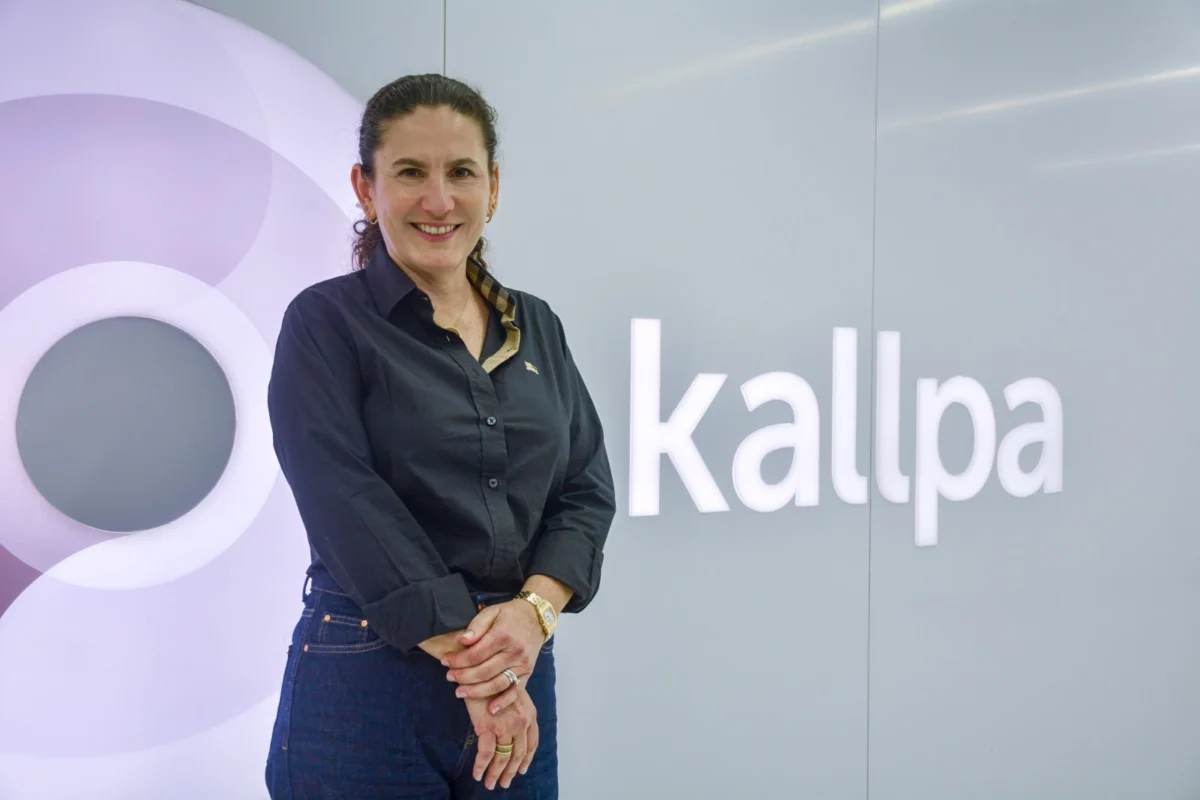
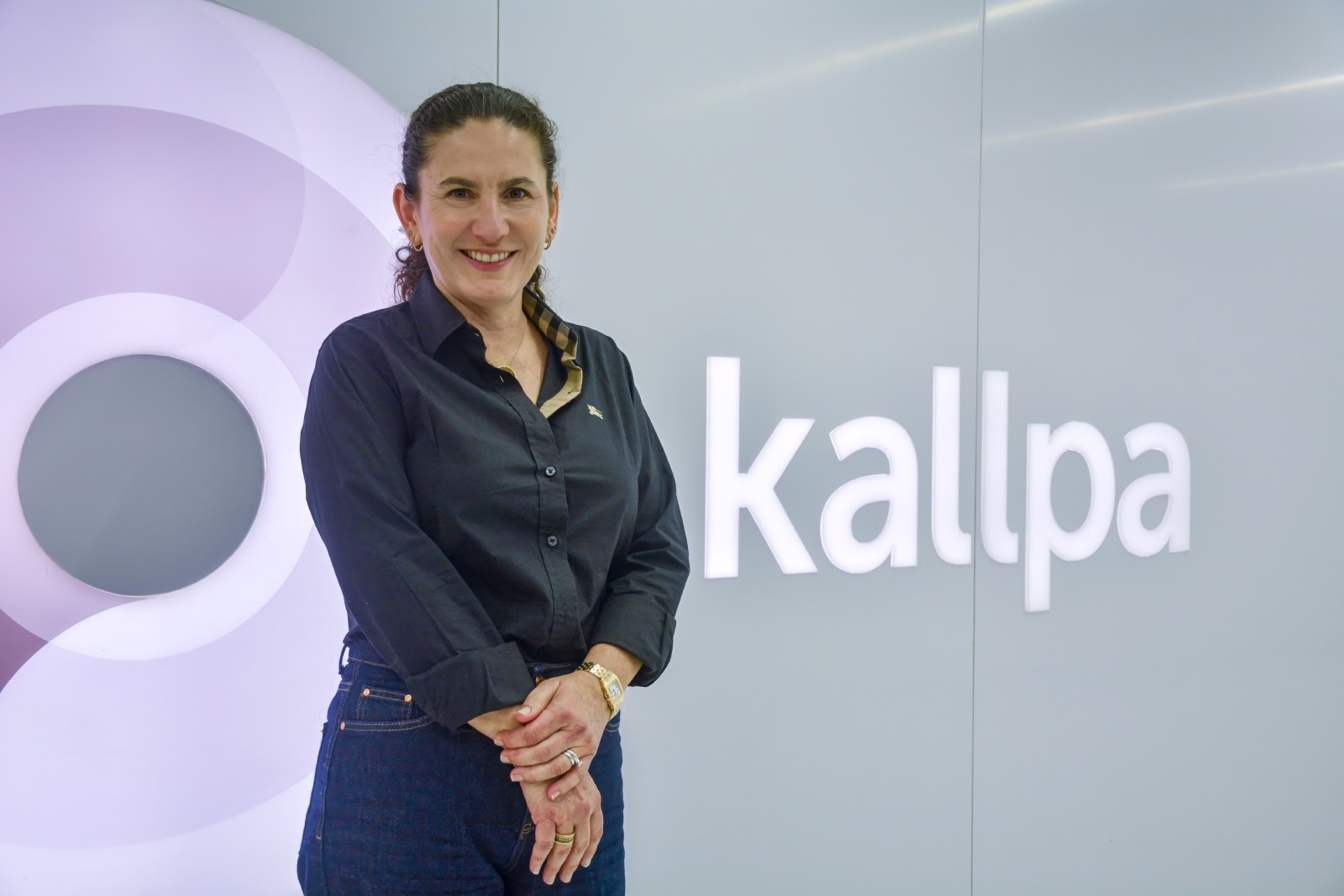
In a recent interview with ProActivo, María Vera, Manager of Governance, Risk, and Compliance at Kallpa, detailed the company’s recent trajectory, emphasizing how a commitment to transparent governance and environmental stewardship has enabled the company to navigate a volatile global economic climate while delivering consistent, reliable energy.
Main Facts: A Year of Financial and Operational Milestones
The year 2025 served as a landmark period for Kallpa. The company successfully executed a series of financial maneuvers that underscored its credibility with international investors. Most notably, Kallpa closed three major bond issuances totaling US$ 1.6 billion. This influx of capital has provided the company with the liquidity and stability required to advance its long-term infrastructure goals.
On the operational front, the company achieved a major victory in the renewable energy sector with the successful expansion of the Sunny Solar Plant in Arequipa. Following the launch of the project’s first stage in 2025, the company finalized the second stage this year, bringing the facility’s total capacity to 300 MW. This milestone reflects Kallpa’s strategic pivot toward a diversified energy matrix that balances traditional reliability with modern, green alternatives.
Chronology: The Path to Market Leadership
Kallpa’s journey to its current status has been one of calculated, incremental growth. A retrospective look at the company’s recent evolution reveals a clear roadmap:
- 2024 (Foundation for Growth): Strengthening internal compliance frameworks and setting the stage for the transition toward high-capacity renewable assets.
- Early 2025: Operational launch of the first phase of the Sunny Solar project in Arequipa, signaling the company’s commitment to large-scale solar integration.
- Mid-2025: Successful execution of three major bond issuances (US$ 1.6 billion), which provided the financial bedrock for future capital expenditures.
- Late 2025/2026: Completion of the second phase of the Sunny Solar project, solidifying the 300 MW capacity benchmark.
- 2026/2027: Continued focus on the "Energy Civic" program and the integration of ESG (Environmental, Social, and Governance) standards across all operational layers.
Supporting Data: The Scale of Impact
Kallpa’s influence on the Peruvian market is quantifiable through several key performance indicators that highlight both its scale and its commitment to transparency:
- Installed Capacity: 2.6 GW, meeting 22% of the national energy demand.
- Renewable Energy Leadership: During 2025, Kallpa issued renewable energy certificates to over 20 corporations, accounting for 2.4 million MWh. These certificates are backed by I-REC (International Renewable Energy Certificate) standards, ensuring that corporate clients can verify the green origin of their power.
- Sustainability Framework: The company utilizes the SASB (Sustainability Accounting Standards Board) framework to manage its ESG challenges, ensuring that every decision is aligned with global best practices for risk management and transparency.
Official Responses: Insights from María Vera
In her dialogue with ProActivo, María Vera underscored that for Kallpa, sustainability is not a marketing exercise but a core business requirement.
On Corporate Transparency and Reporting
"For companies like ours, reporting is a value proposition and a duty of transparency that builds trust," Vera noted. "Our fourth individual sustainability report, released in 2025, goes beyond mere metrics. It provides an honest account of our challenges, our safety indicators, and our environmental impact. Our goal is to remain in the first quartile of the sector, ensuring that the energy we produce translates directly into national progress."
On the "Corporate Citizen" Role
Vera emphasized the need for companies to look beyond the balance sheet. "We must act as corporate citizens. If the environment in which we operate is weakened, our growth becomes limited. Through programs like ‘Energía Cívica,’ we provide our employees with the tools to make informed decisions, extending our standards of conduct beyond the factory gates to include the communities where we operate."
On Navigating National Risks
Addressing how the company manages external threats, such as the El Niño phenomenon, Vera highlighted the importance of inter-sectoral collaboration. "Governance is about the ‘who’ and the ‘how.’ We manage risk through a robust internal regulatory system. When faced with national emergencies, we focus on mapping risks in our areas of influence, working hand-in-hand with the state on logistics and disaster prevention. By fostering a collaborative approach between the community, the state, and the private sector, we create projects that enjoy long-term legitimacy."
Strategic Implications: The Future of Energy in Peru
Kallpa’s leadership highlights several critical lessons for the future of the Peruvian energy sector:
1. The Necessity of Institutional Stability
Vera was clear on the relationship between the private sector and the state: "We need stability in key sectors like Energy and Mines, Environment, and Water. Megaprojects require long-term vision. While the private sector is collaborative, we cannot replace the state’s role. We need strong, consistent institutions to foster the country’s industrial development."
2. Sustainability as a Transversal Culture
One of the most significant takeaways from Kallpa’s organizational structure is that sustainability is not delegated to a siloed department. Instead, it is embedded within the Executive Committee and integrated into the daily processes of every manager and employee. By treating sustainability as a measure of "coherence and consistency," the company has managed to maintain its competitive edge.
3. The Path toward 2027
Looking ahead, Kallpa has set clear objectives for the next few years. The focus remains on maintaining operational stability, consolidating efficiency metrics, and continuing to guarantee a secure energy supply for the nation. The company’s success in securing $1.6 billion in financing demonstrates that when energy companies prioritize ESG standards and transparent communication, they gain the long-term confidence of global markets, which in turn secures the capital necessary to fuel national development.
Conclusion: A Model for the Future
Kallpa Generación has demonstrated that the path forward for major energy producers involves a delicate balance of heavy industrial capacity and agile, responsible governance. By aligning its operations with global standards like SASB and prioritizing the social license to operate through community integration, Kallpa has positioned itself as a blueprint for the modern, resilient corporation. As Peru continues to navigate the complexities of energy transition, the role of players like Kallpa—backed by stable finances and a clear, ethical mandate—will be the defining factor in the nation’s success.