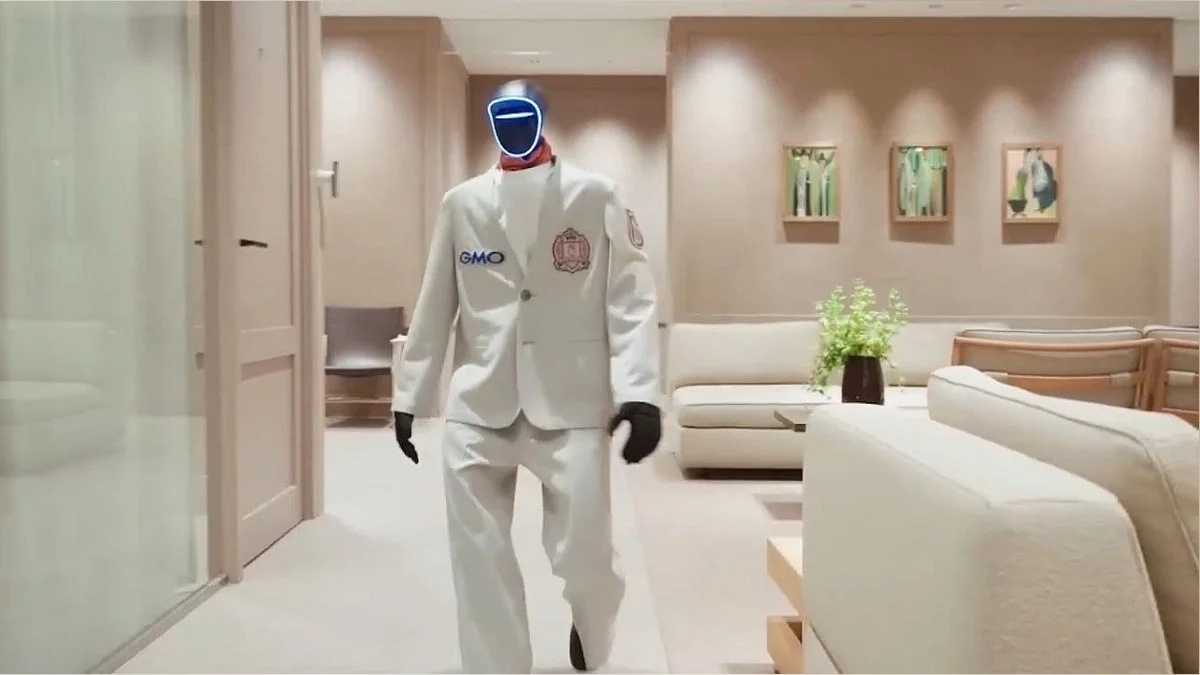
In a landmark intersection of haute couture and cutting-edge engineering, the Japanese tech powerhouse GMO AI & Robotics, a subsidiary of the GMO Internet Group, has unveiled a specialized clothing collection designed exclusively for humanoid robots. This initiative, developed in partnership with the acclaimed fashion label United Arrows, marks a pivotal shift in the integration of robotics into daily human life. As androids begin to transition from laboratory settings to the front lines of retail and public service, the focus has expanded from mere technical proficiency to the aesthetics of human-machine interaction.
Main Facts: Redefining the Android Aesthetic
The collaboration aims to bridge the psychological gap between artificial intelligence and human observers. By dressing robots in stylish, functional apparel, GMO AI & Robotics intends to foster a sense of "familiarity and approachability" in environments where these machines will increasingly interact with the public.
The collection, which debuted this Tuesday, consists of four distinct pieces: a jacket, trousers, a t-shirt, and a signature orange scarf. The design philosophy centers on a minimalist, sophisticated aesthetic, utilizing a color palette of soft, muted grays. According to the design team, these tones were specifically selected to harmonize with the metallic and plastic textures inherent in modern humanoid construction, allowing the clothing to serve as a complementary layer rather than a jarring covering.
Beyond the visual appeal, the clothing serves a critical engineering function. Designing apparel for robots is vastly more complex than for humans; the garments are engineered to accommodate the specific ranges of motion required by the robots’ actuators. Furthermore, the clothes are entirely unlined to prevent heat trapping—a vital consideration, as dissipating heat is essential for maintaining the operational longevity of the machines.
A Chronological Progression of GMO’s Robotics Ambition
To understand the significance of this fashion launch, one must look at the rapid evolution of GMO AI & Robotics’ integration strategies over the last year.
- Early 2024: GMO Internet Group formalized its commitment to robotics, shifting from software-centric operations to hardware deployment.
- May 2024: The company launched a landmark trial with Japan Airlines (JAL). This project sought to test the viability of humanoid robots in logistics, specifically for the handling of airport cargo and luggage. This trial served as the "proof of concept" that robots could handle manual labor, setting the stage for more complex social integration.
- Late 2024: The focus shifted from industrial utility to social presence. Recognizing that robots in retail environments (such as department stores or check-in counters) require a welcoming interface, the company began exploring "soft robotics" and human-centric design.
- October 2026 (The Present): The partnership with United Arrows marks the commercial launch of the "Humanoid Apparel" line, signaling that the company believes these machines are ready to step out of the warehouse and onto the showroom floor.
Supporting Data: The Science Behind the Style
The shift toward dressing robots is not merely a superficial marketing ploy; it is supported by research in human-robot interaction (HRI). Studies in HRI suggest that "social presence" is significantly bolstered when robots display non-threatening, familiar human characteristics.
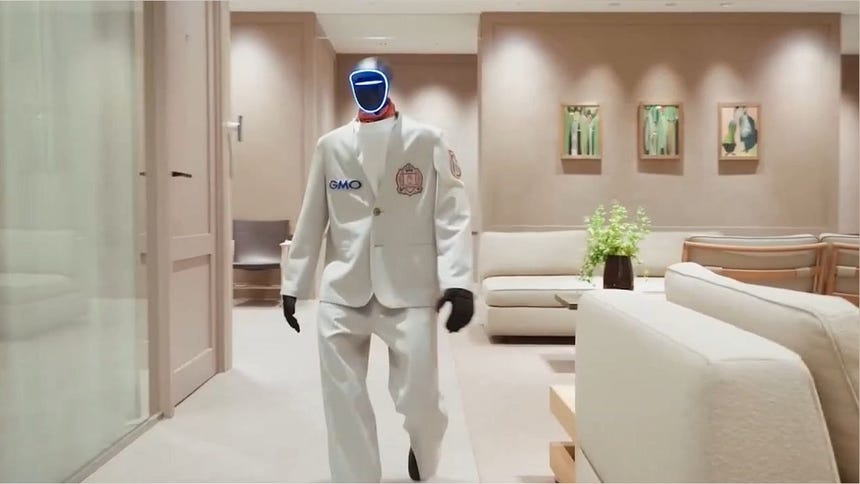
The robots utilized in the promotional material are designed by the Chinese firm Unitree, a global leader in high-performance humanoid robotics. These units are agile and capable, but their skeletal, "bare-metal" appearance can sometimes induce the "uncanny valley" effect—a feeling of unease in human observers when a machine looks almost, but not quite, human.
By introducing textiles, the designers aim to soften the edges of the machine. The technical specifications of the clothing highlight this:
- Thermal Management: The omission of inner linings ensures that the robotic chassis, which often generates significant thermal energy through its internal processors and servo motors, can breathe.
- Kinematic Alignment: The seams of the jackets and trousers are mapped to the robot’s joints, ensuring that fabric bunching does not interfere with sensors or mechanical mobility.
- Material Durability: Given that these robots are intended for high-traffic environments like retail stores, the fabric is treated to be resistant to dust and static, which could otherwise interfere with the robot’s electronic sensors.
Official Responses and Strategic Vision
The official stance of GMO AI & Robotics is that the future of the service industry will be "co-piloted" by AI. In a recent statement, a spokesperson for the company noted: "As we move toward a future where humanoids are a standard feature in public spaces, the way they present themselves is as important as the tasks they perform. Clothing is the primary medium through which humans signal identity, status, and role. By giving our robots a wardrobe, we are defining their role as partners, not just tools."
United Arrows, the fashion house behind the design, expressed that this was a unique challenge in their history. "Designing for a form that does not have human anatomy—yet mimics it—required us to rethink tailoring from the ground up," said the lead designer. "We weren’t just dressing a model; we were dressing a mechanism."
The Societal Implications of "Dressed" Robotics
The introduction of fashion to robotics raises profound questions about the future of the workforce and the psychological impact of automation.
1. The Normalization of Automation
By making robots "fashionable," companies like GMO are effectively lowering the threshold for societal acceptance. If a robot in a department store is wearing a well-tailored suit, it ceases to be a curiosity and begins to blend into the professional environment. This normalization is a necessary step for the widespread adoption of service robots in hospitality, retail, and healthcare.

2. The Professionalization of Machines
Historically, robots were industrial, utilitarian, and distinctly "non-human." By dressing them in business-casual attire, the industry is assigning them a professional identity. This may have implications for how customers interact with them—perhaps treating them with more care or respect, much as humans naturally tend to treat well-dressed individuals with higher levels of courtesy.
3. The Economic Shift
The availability of this clothing through the online store gmo-humanoid.shop and upcoming "pop-up" retail spaces suggests that GMO is creating a new vertical in the fashion economy. As the humanoid market grows, we may see the rise of "Robotic Tailoring," where brands compete to design the "uniforms" of the future workforce.
4. Ethical and Legal Considerations
As the article in our "Te Recomendamos" section regarding the investigation into robot behavior suggests, the integration of robots into society is not without friction. Issues of safety, behavioral boundaries, and even legal liability remain at the forefront of the public discourse. The use of clothing, while aesthetic, also serves as a visual marker that differentiates between "staff" and "customer," potentially helping to clarify the roles of machines in public spaces and reducing confusion.
Conclusion: A New Fabric for the Future
GMO AI & Robotics has successfully captured the world’s attention by treating the humanoid not just as a piece of hardware, but as a potential member of the public sphere. Whether or not this fashion-forward approach will truly bridge the gap between human and machine remains to be seen. However, by acknowledging that robots must look the part if they are to perform the part, GMO has set a precedent that will likely be followed by competitors across the globe.
As we look toward a future where our daily interactions might involve a robot handing us our groceries or helping us navigate an airport, the choice of a gray jacket and an orange scarf may prove to be one of the most important design decisions in the history of human-computer interaction. It is a subtle, yet powerful, signal that the age of the machine is not merely arriving—it is dressing for the occasion.