By [Your Name/Editorial Staff]
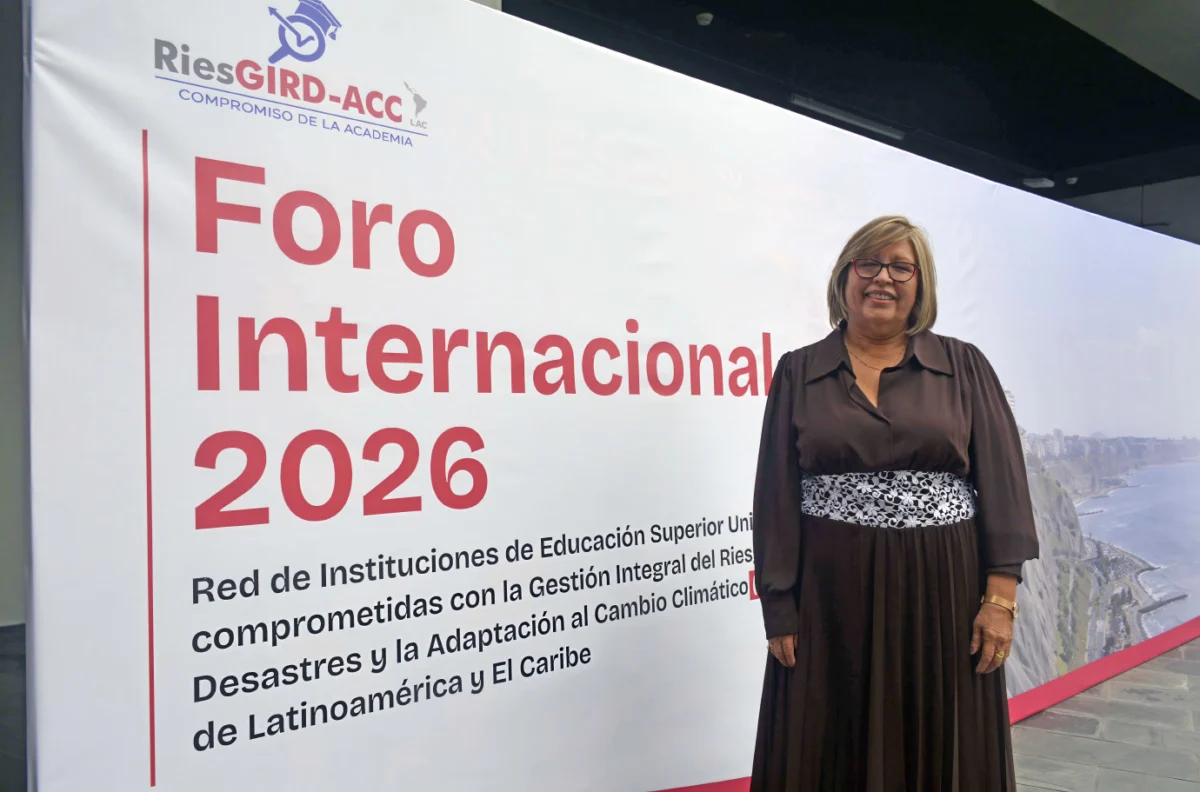
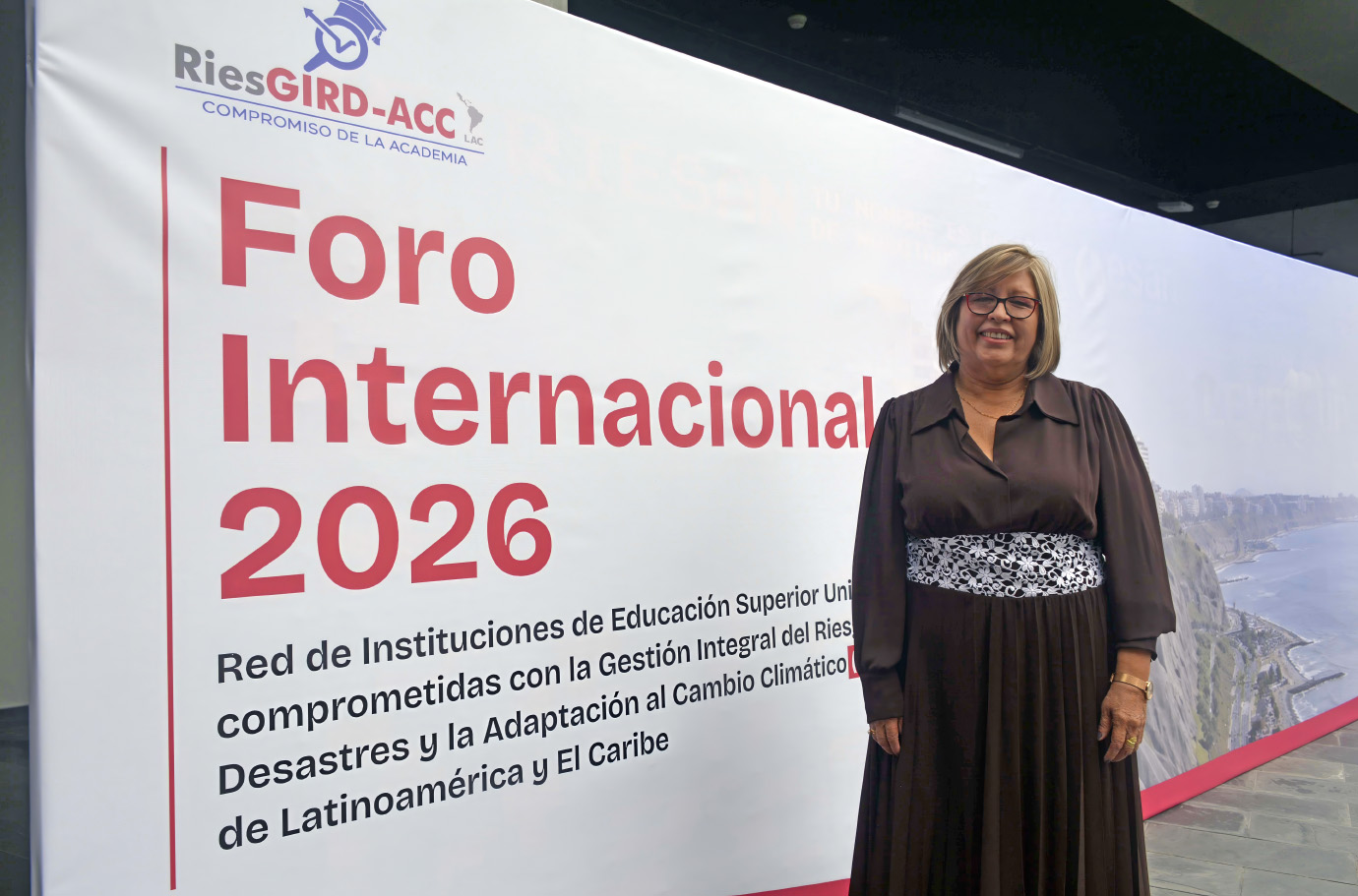
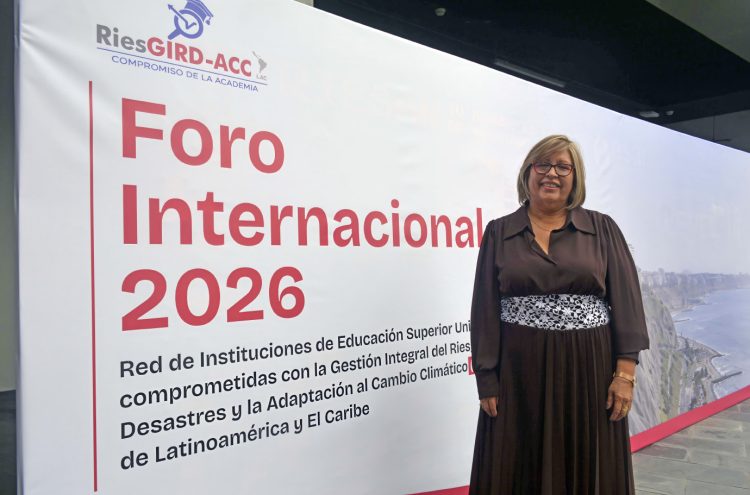
After nearly 15 years of operation, Peru’s National System for Disaster Risk Management (SINAGERD) stands at a critical juncture. While the system was designed to safeguard the nation against natural hazards, experts argue that its current structural design is no longer fit for purpose. Mary Mollo, a distinguished researcher at ESAN University and Secretary-Technical of the RiesGIRD-ACC network for Peru and Latin America and the Caribbean (LAC), has issued a clarion call for a radical institutional transformation.
According to Mollo, the path forward requires moving the system’s leadership from the Ministry of Defense to the highest levels of executive power: the Presidency of the Council of Ministers (PCM) or the Office of the President of the Republic. This elevation is not merely symbolic; it is a prerequisite for shifting the national paradigm from reactive crisis management to proactive risk prevention, urban planning, and sustainable climate adaptation.
The Core Argument: A Need for Institutional Elevation
The central thesis of the proposed reform is that disaster risk is not a military or sector-specific issue; it is a fundamental governance challenge that touches every aspect of social, economic, and political life in Peru.
Currently, SINAGERD operates under a framework that often prioritizes sectoral response. This siloed approach limits the system’s ability to act as a cross-cutting authority capable of enforcing compliance across various government ministries and regional bodies. By elevating the leadership to the PCM, the government could leverage its central authority to command multisectoral cooperation, ensuring that disaster prevention is integrated into the national budget rather than treated as an afterthought.
"The system must revise the institutional architecture that has been constructed in the country," Mollo asserts. "We need to understand that disaster risk management is a social and multisectoral process. That perspective must be incorporated into a legal revision to place the system under the highest mandate within the Executive branch."
Chronology of a System in Flux: 15 Years of SINAGERD
To understand the necessity of this reform, one must look at the trajectory of disaster management in Peru:
- Pre-2011: Disaster response was largely fragmented, characterized by the "Civil Defense" model, which focused almost exclusively on immediate post-disaster humanitarian aid.
- 2011 (The Birth of SINAGERD): The enactment of Law No. 29664 established the National System for Disaster Risk Management. It was a milestone for the region, intending to replace the "emergency" culture with a "risk management" culture.
- 2011–2018: Initial years of implementation focused on creating technical bodies like CENEPRED (National Center for Disaster Risk Estimation, Prevention, and Reduction) and INDECI (National Institute of Civil Defense). However, the systemic gap between planning and implementation began to widen.
- 2019–2023: Increasing climate volatility, including intensified El Niño events and landslides, exposed the limitations of the current architecture. The system struggled to bridge the gap between regional municipal failures and central government oversight.
- 2024–2026 (The Current Debate): Academic and technical circles, spearheaded by experts like Mary Mollo, have begun advocating for a "Second Wave" of reforms, arguing that the 2011 law needs a structural update to handle the complexities of the 21st century.
Supporting Data: The Cost of Inaction
The data surrounding Peru’s current approach to disaster management reveals a troubling fiscal reality. The state consistently allocates a disproportionate amount of its budget to "response" (rebuilding, emergency aid, and recovery) compared to "prevention" (infrastructure reinforcement, early warning systems, and urban planning).
The Urban Planning Deficit
A major pillar of Mollo’s critique involves the lack of technical rigor in local government. With over 190 provinces in Peru, the lack of territorial planning is a systemic vulnerability.
- Less than 30% of these provinces possess a robust, technical process for urban planning that is compatible with safety and sustainability.
- Informal Expansion: The lack of land-use enforcement has led to the proliferation of informal settlements in high-risk areas—riverbanks, seismic-prone slopes, and flood plains—which are effectively "unmitigable" under current conditions.
This statistical reality means that the next major seismic or climatic event is not just a natural disaster; it is a "socially constructed" disaster, as the population has been allowed to settle in death traps due to the absence of state-led urban planning.
Official Responses and Strategic Implications
The push for reform has caught the attention of policy makers, though the transition remains complex. The implications of moving the leadership of SINAGERD to the PCM are significant:
1. The End of the "Reactive" Paradigm
Moving the command structure to the PCM would force ministries—from Housing to Agriculture and Transport—to align their annual investment plans with risk-prevention metrics. Currently, an agency can build a bridge or a school without sufficient integration with the disaster risk maps generated by CENEPRED. Under the proposed new structure, the PCM would hold the power to withhold or direct funding based on risk compliance.
2. Bridging the Gap in Climate Finance
Peru has developed a comprehensive suite of "Adaptation Measures" to combat the effects of climate change. However, these documents often sit in administrative archives. Mollo notes that the primary obstacle is not the lack of plans, but the lack of "articulation."
- The Investment Bottleneck: The national budget system is not currently designed to prioritize climate-resilient infrastructure over short-term political projects.
- The Solution: The PCM would be tasked with overseeing the integration of these climate plans into the National System of Multiannual Programming and Investment (Invierte.pe).
3. Strengthening Local Capacity
The reform aims to move away from a top-down mandate to a supported-decentralization model. If the PCM assumes leadership, it would theoretically possess the political capital to provide the 190+ provinces with the technical assistance needed to develop their own Land Use Plans (Plan de Ordenamiento Territorial).
Addressing the "Culture of Emergency"
Perhaps the most challenging aspect of this proposed reform is not legal or bureaucratic, but cultural. Peru has developed a national psychology centered on the "heroic response." When a tragedy occurs, the media and the public focus on the immediate aftermath: the delivery of blankets, the arrival of helicopters, and the temporary relief efforts.
"We are accustomed to managing the disaster, attending to the emergency, but we are not focused on understanding what prevention is," says Mollo. "We are focused on serving the victims of what has already been damaged. That is what we first have to change throughout the entire system: how we do planning, how we prioritize interventions, and how we assign the budget."
To shift this culture, the reform envisions a long-term educational and political effort. By making disaster prevention a top-tier item on the PCM’s agenda, the government signals to the public that "success" is not measured by how quickly the state responds to a disaster, but by how few disasters occur in the first place.
Conclusion: A Vision for a Resilient Future
The call to restructure SINAGERD is a call for maturity in the Peruvian state. After 15 years, the initial excitement of creating the system has given way to the realization that a system is only as strong as its ability to enforce change.
By elevating the management of disaster risk to the highest level of the executive branch, Peru can finally treat the environment not as a peripheral concern, but as a central pillar of its national development. The transition from a culture of "post-disaster relief" to one of "pre-disaster resilience" is not merely an administrative shift; it is a moral imperative to save lives and protect the future of the nation’s infrastructure and economy.
As Mary Mollo and other experts continue to push for this institutional evolution, the question remains: will the political class seize the opportunity to lead this change, or will they continue to wait for the next disaster to highlight the weaknesses they already know exist? The tools are available, the strategy is clear, and the necessity has never been more urgent.