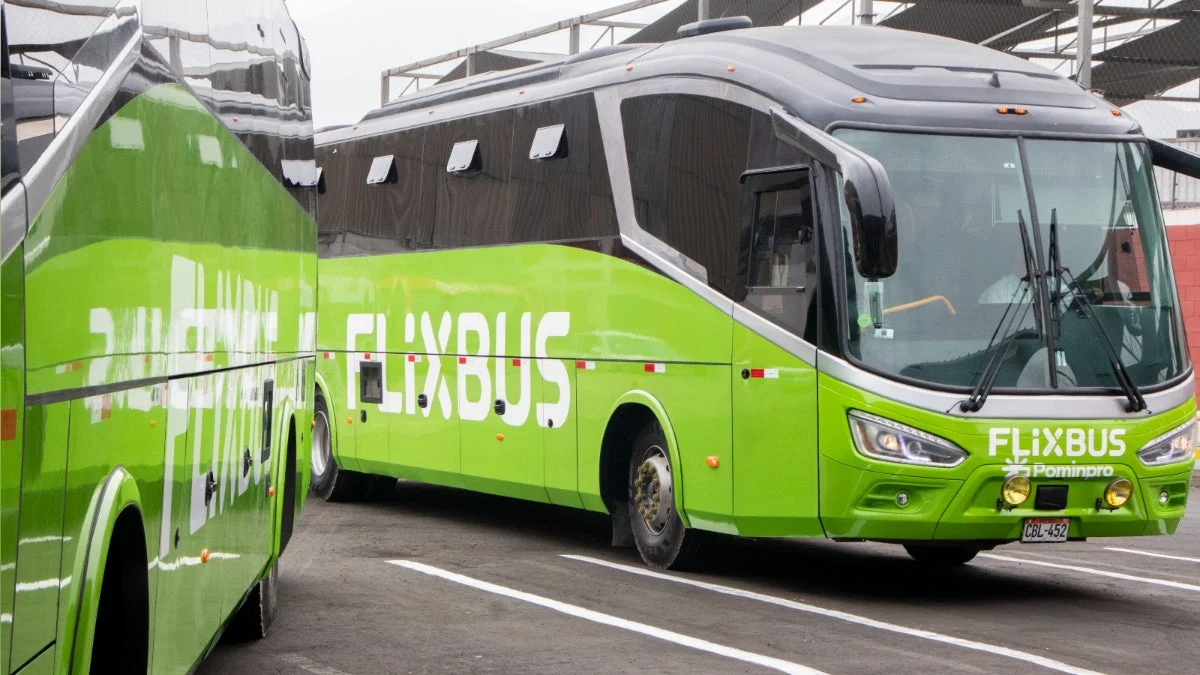
The landscape of interprovincial bus transportation in Peru is undergoing a significant transformation. On September 25, the German global travel giant FlixBus officially commenced operations in the country, marking a strategic entry into the South American market. By partnering with Pominpro, a subsidiary of the local transport powerhouse Grupo Polo, FlixBus aims to leverage its world-renowned digital platform to modernize the Peruvian travel experience.
The inaugural route connects the bustling capital of Lima with the northern city of Trujillo, with a strategic stop in Chimbote. While the launch represents a technological leap forward for local commuters, it has also sparked a debate regarding legal accountability and the operational structure of the "asset-light" business model being introduced to the Peruvian public.
Main Facts: The Intersection of Technology and Transit
The partnership operates on a model that separates physical infrastructure from digital management. Pominpro provides the tangible assets: the buses, the drivers, the maintenance crews, and the legal authorization granted by the Ministry of Transport and Communications (MTC). Conversely, FlixBus provides the "brain" of the operation—a proprietary technology platform that handles ticketing, dynamic pricing, real-time bus tracking, and customer service management.
Passengers departing from the Terminal Terrestre Plaza Los Olivos in Lima now have access to a digital-first booking experience. By utilizing the FlixBus website and mobile application, users can purchase tickets, modify itineraries, and request refunds with a level of digital integration that is relatively novel for the local interprovincial bus sector. Furthermore, the real-time tracking feature allows passengers and their families to monitor bus locations, a move intended to enhance safety and predictability in long-distance travel.
Chronology of the Launch and Future Expansion
The entry into Peru did not happen overnight. FlixBus spent months navigating the regulatory requirements and vetting potential local partners to ensure compliance with Peruvian law.
- Pre-Launch Phase: FlixBus identified Peru as a key market due to the high volume of interprovincial travel and the prevalence of informal transport options that often lack safety and reliability.
- September 25, 2024: The official launch date. The first routes between Lima, Chimbote, and Trujillo were activated.
- The Promotional Period: To capture market share, the company announced an aggressive introductory pricing scheme. Tickets starting at S/5 were made available for purchases made before October 8, valid for travel until October 16.
- Short-Term Roadmap: Management confirmed that the initial fleet of two buses will be rapidly expanded. Future plans include the acquisition of high-capacity double-decker buses and the opening of new lines connecting additional regions across the country.
- Operational Integration: Over the coming weeks, the company expects to complete the rollout of physical counters in the terminal stations of Lima, Chimbote, and Trujillo to complement the digital interface.
Supporting Data: Dynamic Pricing and Market Strategy
A cornerstone of the FlixBus strategy is the implementation of "dynamic pricing," a concept familiar to the airline industry but less common in the bus sector. Pablo Pastega, Vice President of FlixBus for Iberia and South America, explained that this model is designed to optimize bus capacity while keeping costs accessible.
"When you buy a ticket in advance, you get a much better price than if you purchase it a minute before departure," Pastega noted. "These dynamic prices allow us to maximize the occupancy of the bus, which in turn allows us to offer more competitive rates to the public."
Following the promotional S/5 phase, tickets are slated to start at S/30. This pricing structure is intentionally designed to compete with both the formal bus lines and, crucially, the informal sector. By offering a standardized, professional, and affordable alternative, FlixBus intends to draw passengers away from the "combis" and aging, unsafe buses that currently dominate the lower end of the Peruvian market.
Official Responses and Regulatory Clarity
The entry of an international operator has not gone unnoticed by domestic transport unions, who have raised concerns regarding the "fragmentation" of responsibility. The primary question posed by competitors is: Who is legally liable when an accident occurs or a service fails?
The Legal Framework
Faber Toro, Business Manager of Pominpro, addressed these concerns directly. He emphasized that the partnership is strictly defined by the laws of the Ministry of Transport and Communications (MTC). "Pominpro is the company that holds the authorization to provide the service, and as such, it is the entity responsible," Toro clarified. "FlixBus is our commercial and technological partner; we use their software for sales and management, but Pominpro is responsible for the buses, the drivers, passenger safety, and any contingencies that arise during the trip."
Addressing the "Noise"
Pablo Pastega of FlixBus adopted a firm stance against the skepticism of industry rivals. "I don’t listen to the noise of the competition," he stated. "I follow the rules, I follow the laws, and I owe my loyalty to the passengers and the users."
This commitment is backed by the introduction of a 24/7 contingency center, which the company claims will monitor all operations and provide immediate support to passengers in the event of delays or technical issues. The goal is to provide a level of service reliability that distinguishes the partnership from existing, less regulated operators.
Implications: A Shift in the Peruvian Transport Ecosystem
The arrival of FlixBus in Peru is more than just a new bus line; it is a signal of the digitalization of the South American transport sector. The implications are far-reaching for three main stakeholders:
1. For the Peruvian Passenger
The shift toward a digital-first experience promises convenience. The ability to manage bookings via an app and track vehicles in real-time provides a sense of agency that has been largely missing. Furthermore, the push toward dynamic pricing could result in more equitable access to transportation, provided the company can maintain its service quality as the network expands.
2. For the Informal Transport Sector
FlixBus has explicitly stated that its goal is to convert informal travelers into formal ones. By providing a safe, reliable, and reasonably priced service, they aim to erode the market share of the informal, often dangerous, transport operators that plague Peruvian highways. If successful, this could lead to a significant increase in overall passenger safety on major routes.
3. For the Local Transport Industry
The partnership between Pominpro and FlixBus sets a precedent. It demonstrates that local companies can survive and thrive by modernizing their operations through foreign technological partnerships. This could trigger a wave of "technological adoption" among other local operators, who may feel pressured to upgrade their own systems to remain competitive.
4. Broader Regional Context
Peru is now part of a growing South American footprint for FlixBus, joining operations in Brazil and Chile, alongside their existing presence in Mexico. The success of the Lima-Trujillo route will likely serve as a blueprint for further expansion into the Andes and beyond. If the company can navigate the complex regulatory and geographic challenges of the Peruvian landscape, it will likely cement its position as the dominant player in the regional long-distance bus market.
Conclusion
The launch of FlixBus in Peru is a calculated, aggressive move to professionalize a vital but fragmented industry. By combining the local operational expertise of Grupo Polo with the global digital infrastructure of a German tech firm, the partnership aims to solve two of the most persistent issues in Peruvian transit: inefficiency and a lack of reliable service.
While the skepticism from local unions highlights the growing pains of this new model, the commitment from both Pominpro and FlixBus to maintain clear legal boundaries suggests that the service is built for the long haul. As the company prepares to scale its fleet and add new routes, the Peruvian public stands to benefit from a more transparent, predictable, and modern way to travel. The "noise" of the competition may continue, but for the millions of Peruvians who traverse the country’s highways, the arrival of a new, tech-enabled competitor is a welcome development.