Executive Summary: A Catalyst for Economic Transformation
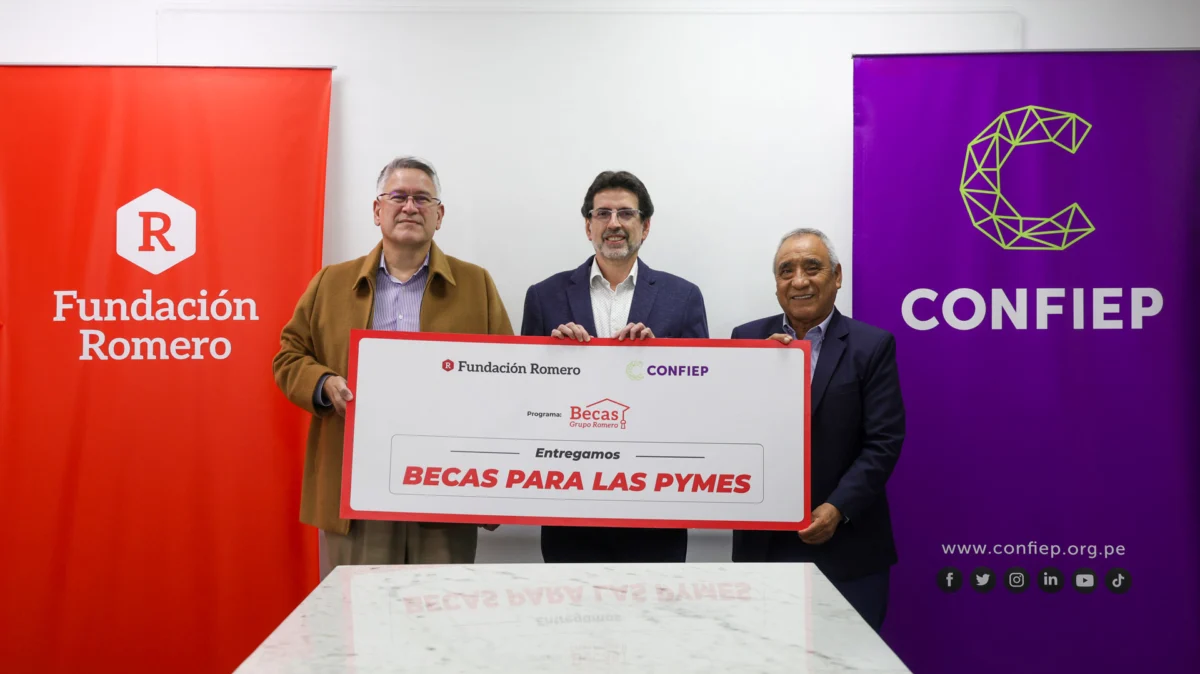
In a landmark move to fortify the Peruvian economy, the Fundación Romero and the Confederation of Private Business Institutions (CONFIEP) have announced a strategic partnership aimed at revolutionizing the landscape for micro and small enterprises (MYPEs). By leveraging the "Becas Grupo Romero" program, this alliance seeks to democratize access to high-quality business education, providing entrepreneurs with the tools necessary to navigate an increasingly complex global market.
The initiative, formalized during the inaugural Annual Forum of the Micro and Small Enterprise of Peru, addresses the structural hurdles that have long plagued the nation’s 99.1% of businesses that constitute the SME sector. By focusing on digital transformation, productivity enhancement, and formalization, the partnership represents a decisive step toward sustainable, inclusive economic growth.
The Genesis of the Initiative: A Chronology of Collaboration
The formalization of this alliance was not an overnight occurrence but the culmination of months of dialogue regarding the state of Peruvian entrepreneurship.
- Early 2026: Preliminary discussions between Fundación Romero and CONFIEP identify a critical gap in professional development for MYPE owners, particularly in rural and semi-urban areas.
- April 2026: The two organizations align their objectives, focusing on the "Becas Grupo Romero" as the primary vehicle for delivering scalable, accessible education.
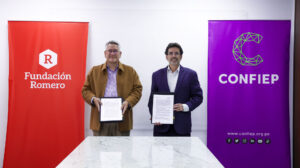
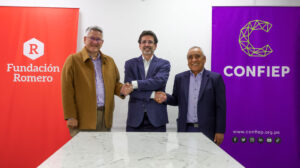
- June 2026: The partnership is formally solidified through the signing of a cooperation agreement by Jorge Zapata, President of CONFIEP, and Martín Pérez, Executive Director of the Fundación Romero.
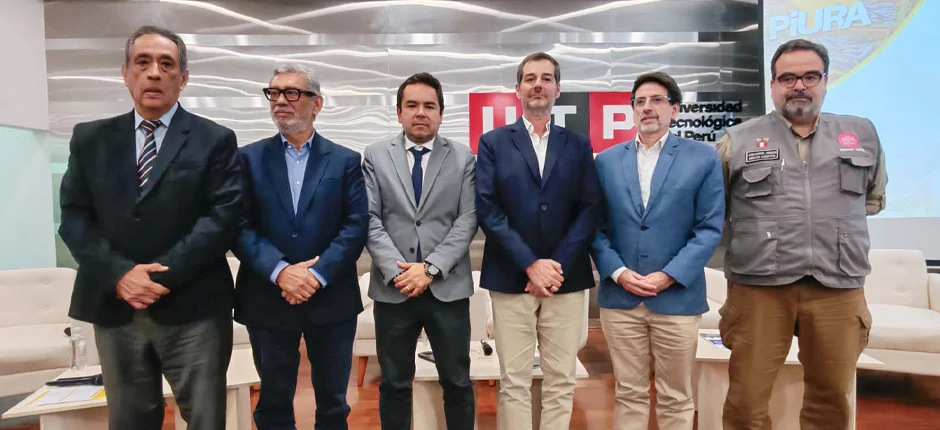
- June 2026 (The Forum): The partnership is officially introduced to the public during the First Annual Forum of the Micro and Small Enterprise of Peru, hosted by the Association PYME Perú.
This chronology highlights a proactive approach by private sector leaders to fill the void in technical capacity building, acknowledging that the traditional business model is under siege by digital disruption and volatile market conditions.

Supporting Data: The Reality of the Peruvian SME Sector
To understand the gravity of this initiative, one must look at the data characterizing the Peruvian business ecosystem. The MYPE sector is not merely a segment of the economy; it is the lifeblood of the nation.
The 99.1% Reality
Statistics indicate that MYPEs represent 99.1% of the entire Peruvian business fabric. Despite their ubiquity, they contribute disproportionately less to the national GDP compared to larger enterprises, a phenomenon primarily attributed to the "productivity trap."
The Multi-Dimensional Challenge
The First Annual Forum highlighted five critical "pain points" that the new educational programs are designed to mitigate:
- Informality: High costs and bureaucratic hurdles often push small businesses into the informal sector, limiting their growth potential and access to credit.
- Productivity Gaps: A lack of standardized processes and modern management techniques prevents SMEs from achieving economies of scale.
- Financial Exclusion: Traditional banking systems often view MYPEs as high-risk, resulting in limited access to capital for expansion or innovation.
- The Digital Divide: Many entrepreneurs remain disconnected from digital sales channels, e-commerce, and cloud-based management tools.
- Market Access: Difficulty in meeting quality standards and logistical requirements prevents smaller players from participating in international supply chains.
Strategic Objectives: Democratizing Business Education
The core of the agreement lies in the "Becas Grupo Romero" program, which provides a structured pathway for learning. Rather than offering generic business advice, the curriculum is partitioned into specific "learning routes" designed to build both hard and soft skills.

Pedagogical Approach
The training is delivered through a digital-first methodology, ensuring that entrepreneurs from Lima to the most remote regions of the Andes can access world-class training. The routes focus on:
- Strategic Planning: Helping owners transition from "firefighting" daily issues to long-term value creation.
- Financial Literacy: Teaching the fundamentals of cash flow management, taxation, and reinvestment.
- Digital Transformation: Training entrepreneurs in the use of social media marketing, digital payment systems, and customer relationship management (CRM) software.
By removing the cost barrier—making these courses free—the Fundación Romero and CONFIEP are effectively removing the "knowledge tax" that often prevents the poor from entering the formal entrepreneurial ecosystem.
Official Responses and Stakeholder Perspectives
Jorge Zapata, President of CONFIEP
During the signing ceremony, Jorge Zapata emphasized that the sustainability of the Peruvian economy is inextricably linked to the success of its smallest participants. "Our goal is to build a bridge between the ambition of the Peruvian entrepreneur and the practical knowledge required to turn that ambition into a formal, thriving business," Zapata remarked. He stressed that CONFIEP views this as a moral imperative to foster a more competitive private sector.
Martín Pérez, Executive Director of Fundación Romero
Martín Pérez highlighted the philosophy of "democratizing education." He noted, "Knowledge is the most powerful tool for social mobility. By providing these scholarships, we are not just teaching business management; we are providing the keys to personal development and economic independence for thousands of Peruvian families."
The Role of Association PYME Perú
The organizers of the Annual Forum, Association PYME Perú, praised the collaboration, noting that for the first time, there is a unified front between the country’s largest business confederation and a foundation with deep educational reach. This synergy, they argued, is exactly what is needed to move the needle on national productivity.
The Broader Implications for the Peruvian Economy
Impact on Formalization
One of the most significant anticipated outcomes of this initiative is the increase in the formalization rate. As entrepreneurs gain knowledge of legal and tax frameworks through the program, they are better equipped to navigate the transition into the formal sector. This shift not only increases tax revenue for the state but also provides the entrepreneurs themselves with the legal protections and creditworthiness needed to grow.
Bridging the Gap
The digital routes within the "Becas Grupo Romero" program are particularly vital. In a post-pandemic world, the ability to manage a business online is no longer a luxury but a prerequisite for survival. By equipping rural and small-scale urban businesses with digital tools, the partnership is effectively flattening the geographic hurdles that have historically favored businesses located in major metropolitan hubs.
A Model for Private Sector Social Responsibility
This partnership serves as a blueprint for how private sector entities can engage in Corporate Social Responsibility (CSR). Instead of traditional philanthropic donations, the Fundación Romero and CONFIEP are investing in the "human capital" of the country. By focusing on capacity building, they are creating a multiplier effect where one trained entrepreneur can, in turn, create jobs and support their local community.
Looking Ahead: The Future of the Partnership
The success of this collaboration will be measured not just by the number of scholarships awarded, but by the tangible growth of the MYPEs that participate. The organizers have expressed a commitment to monitoring progress, tracking metrics such as increased revenue, formalization rates, and the adoption of digital technologies among the scholarship recipients.
As the Peruvian government continues to seek ways to boost its sluggish economic growth, this private-sector-led initiative provides a much-needed injection of optimism. It acknowledges that the path to a prosperous Peru is not through top-down mandates, but through the empowerment of the millions of individuals who wake up every morning to run their own businesses.
Conclusion
The alliance between the Fundación Romero and CONFIEP marks a turning point in the professionalization of the Peruvian MYPE sector. By addressing the fundamental barriers of education, digital connectivity, and business acumen, this partnership is laying the foundation for a more resilient and dynamic economy. As these entrepreneurs scale their businesses, they carry with them the promise of a more competitive, inclusive, and modern Peru—a vision that is now closer to reality thanks to this strategic collaboration.
The initiative stands as a testament to the idea that when the private sector invests in education, it is not merely fulfilling a corporate duty; it is investing in the very future of the nation. As the "Becas Grupo Romero" begin to reach the corners of the country, the impact will be measured in the success stories of thousands of small business owners who, for the first time, have the resources to turn their potential into sustained economic success.