In an era where water security is a primary global concern, the mining industry faces increasing pressure to innovate in resource management. Compañía Minera Antapaccay, a cornerstone of Peru’s copper production located in the high-altitude province of Espinar, has set a new benchmark for environmental stewardship. By achieving an unprecedented 99% rate of water reuse within its operations, the company is demonstrating that large-scale industrial extraction can coexist with the rigorous protection of local hydrological resources.
Core Facts: A Model of Industrial Circularity
The operational framework at Antapaccay is defined by a sophisticated closed-loop system. The company has successfully transitioned from a traditional consumption model to a circular economy approach, where water is treated as a permanent asset rather than a disposable commodity.
Currently, 99% of the water utilized in the plant’s milling and processing circuits is recovered, treated, and recirculated. This massive reduction in dependency on external water sources significantly mitigates the company’s impact on local river basins. The remaining 1% of the water supply is sourced from the Salado River. Crucially, this source is naturally saline and contains mineral compositions that render it unsuitable for human consumption or agricultural irrigation. By utilizing this "marginal" water source, Antapaccay effectively protects high-quality water for the use of local communities in Espinar.
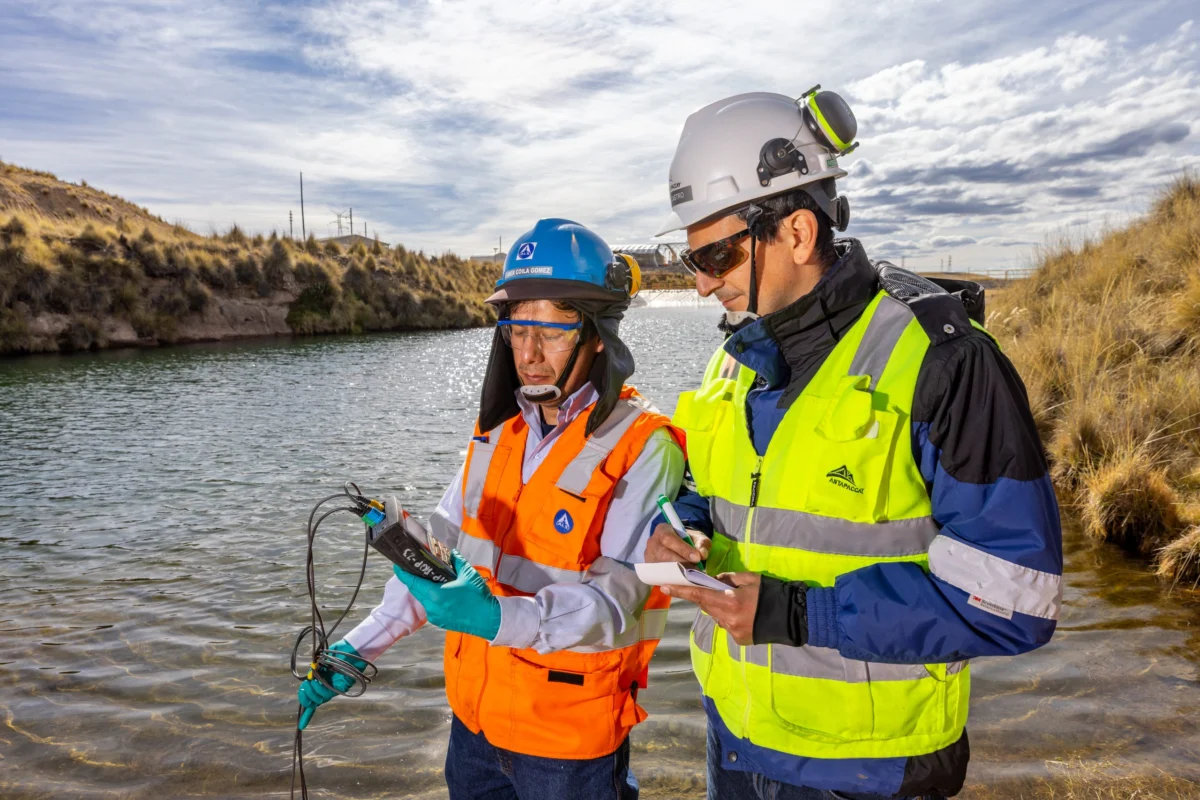
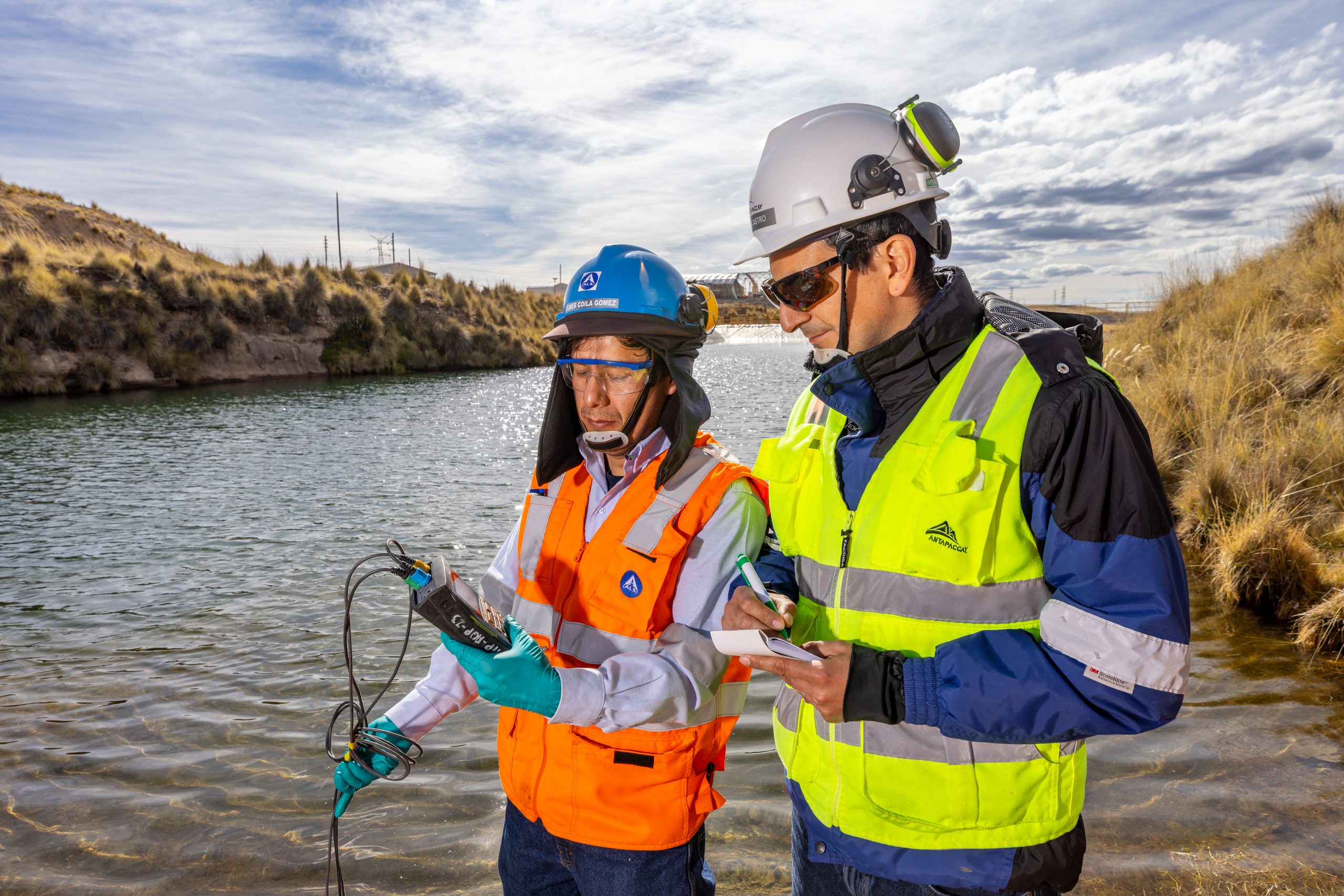
The technical backbone of this achievement is the Planta de Tratamiento de Aguas Excedentes (PTAE). Here, water undergoes a multi-stage purification process, including advanced filtration, ultrafiltration, and reverse osmosis, ensuring that the recycled fluid meets and often exceeds stringent environmental quality standards.
The Chronology of Commitment
The journey toward 99% efficiency did not occur overnight; it is the result of years of strategic investment and engineering evolution.
- Early Operational Years: Initially, the focus was on standard environmental compliance. However, as the mining site expanded in the Espinar province, management recognized that the scarcity of water in the high Andean plateau posed both an operational risk and a social responsibility challenge.
- Infrastructure Investment: The construction of the Tintaya tailings dam served as the primary catalyst for water recovery. By optimizing the decanting processes within the dam, the company began harvesting significant volumes of process water that would have otherwise been lost to evaporation or soil absorption.
- The PTAE Phase: The commissioning of the Surplus Water Treatment Plant (PTAE) marked a turning point. By introducing membrane technologies—specifically reverse osmosis—the company gained the capability to scrub impurities from processed water, allowing it to be reintegrated into the mine’s concentrator circuit at a scale previously deemed unfeasible.
- Current Standing: Today, the operation stands as a case study in "Water Stewardship," moving beyond mere compliance to proactive resource preservation.
Supporting Data: Technical Rigor and Quality Standards
Antapaccay’s commitment is not merely a corporate narrative but a data-driven initiative. The water treated by the company is held to the highest standards, specifically the Environmental Quality Standards (ECA) Category 3.
- ECA 3 Compliance: The water treated at the facility is certified for irrigation of vegetables and livestock consumption. This classification is vital for the local economy of Espinar, which relies heavily on pastoralism and agriculture.
- Advanced Filtration Metrics: The integration of ultrafiltration and reverse osmosis allows the facility to remove dissolved solids and heavy metals, transforming process waste into a high-purity input for the milling process.
- The Salado River Strategy: By focusing extraction efforts on the Salado River—a body of water already compromised by natural mineral springs—the company avoids tapping into pristine aquifers or rivers that sustain the local Andean communities.
Official Responses and Strategic Vision
The leadership at Antapaccay emphasizes that water management is no longer a peripheral environmental concern, but a core component of business sustainability.
Alfio Miraval, the Manager of Water Resources at Antapaccay, noted that the current success is a testament to the viability of "hydric efficiency." In a statement, Miraval noted: "Reutilizing 99% of the water we use in our operations proves that it is entirely possible to conduct mining with a focus on hydric efficiency. Our objective is to extract the maximum value from every single drop, protect the hydrological sources of Espinar, and ensure we contribute to a sustainable development model for future generations."
This philosophy reflects a broader shift in the mining sector in Peru. As the industry faces climate change—manifesting as unpredictable rainfall patterns and prolonged droughts in the Andes—the ability to operate with a minimal water footprint is becoming a competitive advantage, shielding the company from operational shutdowns caused by water shortages.
Environmental and Social Implications
The implications of Antapaccay’s water policy extend far beyond the perimeter of the mine.
Protecting Local Agriculture
One of the most significant social benefits of this policy is the company’s ability to provide water to nearby communities during the dry season. When precipitation levels drop, the treated water—which is now safe for agricultural use—serves as a lifeline for local farmers. This helps stabilize the local economy and fosters a more collaborative relationship between the mining operation and the rural population.
Ecosystem Resilience
By minimizing its intake from natural sources, Antapaccay ensures that the natural hydrological cycle of the Espinar region remains largely undisturbed. Protecting the headwaters and the downstream flows is essential for maintaining the biodiversity of the high Andean grasslands (the Puna), which are sensitive to any fluctuations in water availability.
Setting a Global Benchmark
In the global mining landscape, water consumption is often the most scrutinized aspect of a project’s ESG (Environmental, Social, and Governance) rating. Antapaccay’s 99% efficiency rate provides a blueprint for other mining projects in water-stressed regions of the world, from the copper belts of Chile to the gold mines of Australia. It proves that the "Circular Mine" concept—where waste is minimized and resources are endlessly recovered—is not just an academic theory, but a practical reality.
Conclusion: A Future-Proof Strategy
Compañía Minera Antapaccay has successfully aligned its operational growth with the ecological preservation of the Espinar province. By investing in state-of-the-art treatment technologies and strictly adhering to the principle of circular water use, the company has mitigated the traditional tensions between heavy industry and local environmental health.
As the mining industry continues to grapple with the dual demands of increasing production to meet the global energy transition—which relies heavily on copper—and the imperative to respect local water rights, Antapaccay’s model offers a pathway forward. The 99% recovery rate is not just an impressive statistic; it is a fundamental shift in how the mining industry views its relationship with the natural environment. Through technology, transparency, and a commitment to shared resources, Antapaccay is demonstrating that the future of mining is, above all, defined by the efficiency with which it manages its most precious resource: water.