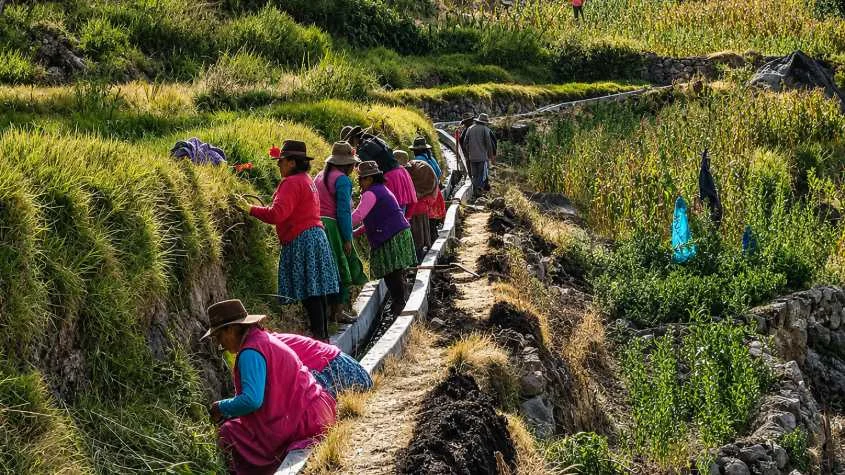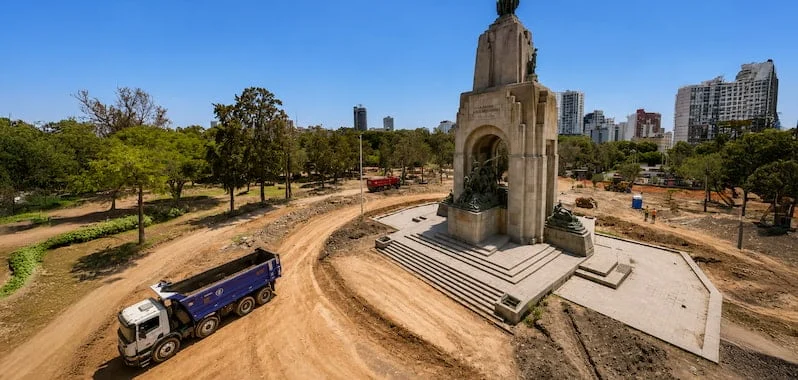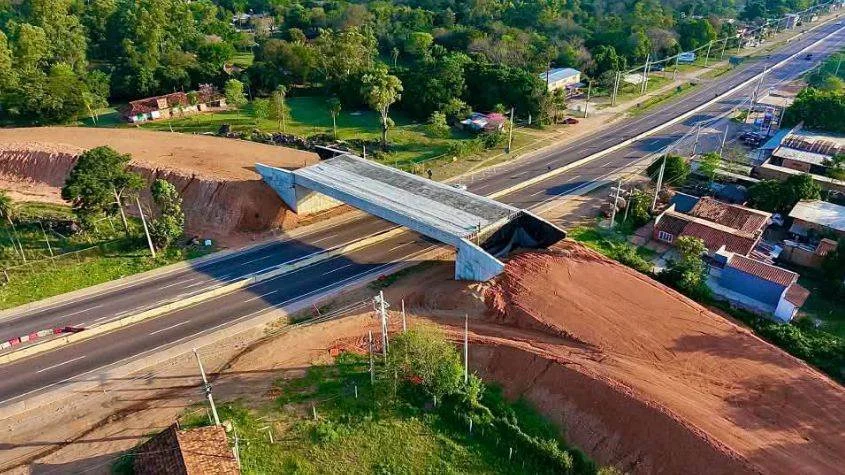
In a landmark initiative for the La Libertad region, the regional government has officially inaugurated the construction of the Markahuamachuco–Sanagorán highway. This ambitious infrastructure project, set to become one of the most technologically advanced road networks in Northern Peru, aims to dismantle the historical barriers to transit that have long hindered the province of Sánchez Carrión. By replacing antiquated dirt paths with a modern, high-durability transit corridor, the project marks a turning point for over 58,000 residents, promising to bridge the gap between rural communities and vital economic centers.
Main Facts: A Blueprint for Regional Modernization
The Markahuamachuco–Sanagorán highway project is defined by its scale and technical specifications, which set a new benchmark for regional road works. The project will span 11.2 kilometers of high-capacity infrastructure, transforming the current precarious trocha (dirt path) into a modern, double-lane highway.
The core of the construction involves the implementation of rigid pavement—a choice specifically engineered to withstand the challenging Andean climate and ensure long-term structural integrity. Beyond the road surface itself, the project is a comprehensive civil engineering effort. It includes the installation of critical drainage systems, such as reinforced culverts and extensive channel work, alongside the construction of robust bridges and protective retaining walls. These elements are designed to mitigate the risks of landslides and soil erosion, which have historically disrupted transit in this mountainous region.
Financed through the "Obras por Impuestos" (OxI) mechanism—a strategic public-private partnership—the project is backed by a total investment exceeding S/ 57 million. This specific financing model, spearheaded by the mining company Summa Gold, highlights the growing importance of private sector engagement in closing the infrastructure gap in provincial Peru.
Chronology: From Long-Standing Need to Concrete Reality
The journey toward this construction has been characterized by years of persistent advocacy from local stakeholders. The necessity for a reliable connection between the district of Sanagorán and the provincial capital, Markahuamachuco, has been a central demand for the local population for decades.

- Pre-Project Phase: For years, the route served as a primary artery for agricultural commerce and student transport, yet remained largely unpaved, leading to frequent closures during the rainy season and excessive maintenance costs for local transport operators.
- Planning and Procurement: Following extensive negotiations between the regional government and private entities, the OxI framework was identified as the most efficient path forward. Technical studies were finalized, ensuring that the road design met national standards for safety and capacity.
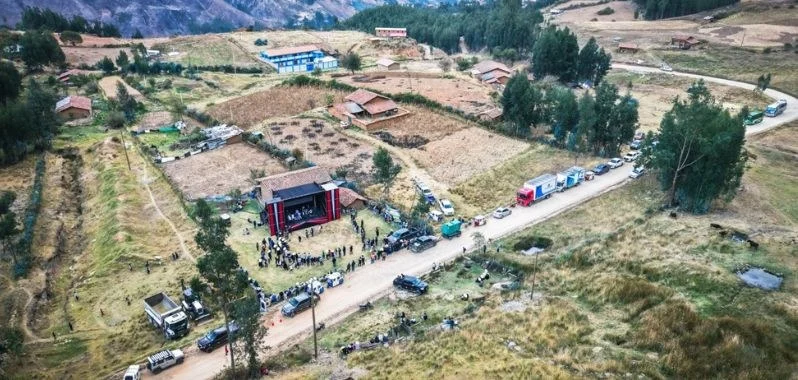
- The Groundbreaking (September 2026): In a ceremony marked by community optimism, regional and municipal authorities gathered to lay the first stone. This event signaled the official commencement of a 360-day construction schedule.
- The Future Milestone: The project holds symbolic weight as it coincides with the 126th anniversary of Sanagorán’s foundation, scheduled for November 3, 2026. The completion of this road is expected to serve as a cornerstone of the region’s long-term development strategy.
Supporting Data and Technical Scope
The technical complexity of this project goes well beyond simple paving. The scope of work involves a multi-disciplinary approach to road safety and environmental sustainability.
Key Project Components:
- Rigid Pavement Technology: The use of concrete slabs ensures lower maintenance requirements over a 20-year lifespan compared to asphalt.
- Hydraulic Infrastructure: The project includes the design and construction of new drainage channels, vital for directing runoff during the intense Andean rains and preventing road degradation.
- River Defense and Stability: The inclusion of "defensa ribereña" (riverbank defense) demonstrates a forward-thinking approach to environmental risk, protecting the road foundation from flooding.
- Integrated Signaling: The project mandates a complete suite of vertical and horizontal signage, enhancing night-time visibility and traffic safety for passenger vehicles and heavy cargo alike.
The 360-day execution window is an aggressive but necessary target. The project managers have emphasized that the logistics involved in transporting materials to the mountainous terrain of Sánchez Carrión represent a significant portion of the initial timeline, but the deployment of heavy machinery is expected to accelerate the paving phase by early 2027.
Official Responses and Public Sentiment
The atmosphere at the groundbreaking ceremony was one of profound relief and anticipation. Local leaders and government officials emphasized that this project is not merely about concrete, but about dignity and equitable access to services.
"This will be the highway with the greatest technology and the highest quality that the La Libertad region will possess," stated the regional manager of Private Investment Promotion. His remarks underscored the regional government’s commitment to providing rural populations with infrastructure equivalent to that of urban centers.

The sentiment was echoed by Teresa Álvarez, a community representative and spokesperson for the local beneficiaries. Her words captured the emotional reality of the project: "For many years, we have waited for what is now a reality. We want to thank the coordinated work being done for the benefit of our people."
For the local population, the road represents more than a shorter commute; it represents the ability to transport agricultural goods to market before they spoil, the ability for emergency vehicles to reach remote villages in record time, and the ability for students to attend school without the interference of inclement weather.
Implications: A Catalyst for Socio-Economic Development
The impact of the Markahuamachuco–Sanagorán highway will likely extend far beyond the 11.2 kilometers of pavement. The socioeconomic implications of this development are multi-fold:
1. Economic Dynamization
Sanagorán is a region with significant agricultural potential. Currently, the high cost of transportation—due to the condition of the roads—diminishes the profit margins of local farmers. By reducing transit times and vehicle wear-and-tear, the new road will lower logistics costs, effectively increasing the competitiveness of local produce in regional markets.
2. Social Integration
Education and healthcare are the primary beneficiaries of improved road infrastructure. The ability to transport patients to higher-level hospitals in Markahuamachuco without the risks posed by a dilapidated road will directly correlate to improved public health outcomes. Similarly, the reliability of the road ensures that the student population in rural sectors can maintain consistent attendance.

3. Sustainability and Governance
The use of the Obras por Impuestos (OxI) model serves as a case study for future regional projects. It demonstrates that when private industry and regional governments align their objectives, large-scale infrastructure can be delivered with greater speed and efficiency than traditional public procurement models often allow.
4. Long-term Development
As Sanagorán approaches its 126th anniversary, the highway acts as a foundation for future urban planning. Reliable infrastructure often invites further investment, potentially paving the way for small-scale industrial processing or expanded tourism, given the rich cultural and natural landscape of the Sánchez Carrión province.
Conclusion
The construction of the Markahuamachuco–Sanagorán highway is a testament to what is possible through collaboration and a clear vision for regional development. As the machinery begins its work, the residents of this province look toward a future where distance is no longer a deterrent to prosperity. With the project slated for completion within a year, the region is poised to witness a transformation that will resonate for generations, proving that strategic infrastructure is the most reliable bridge to a more equitable and connected future for the people of La Libertad.