Introduction
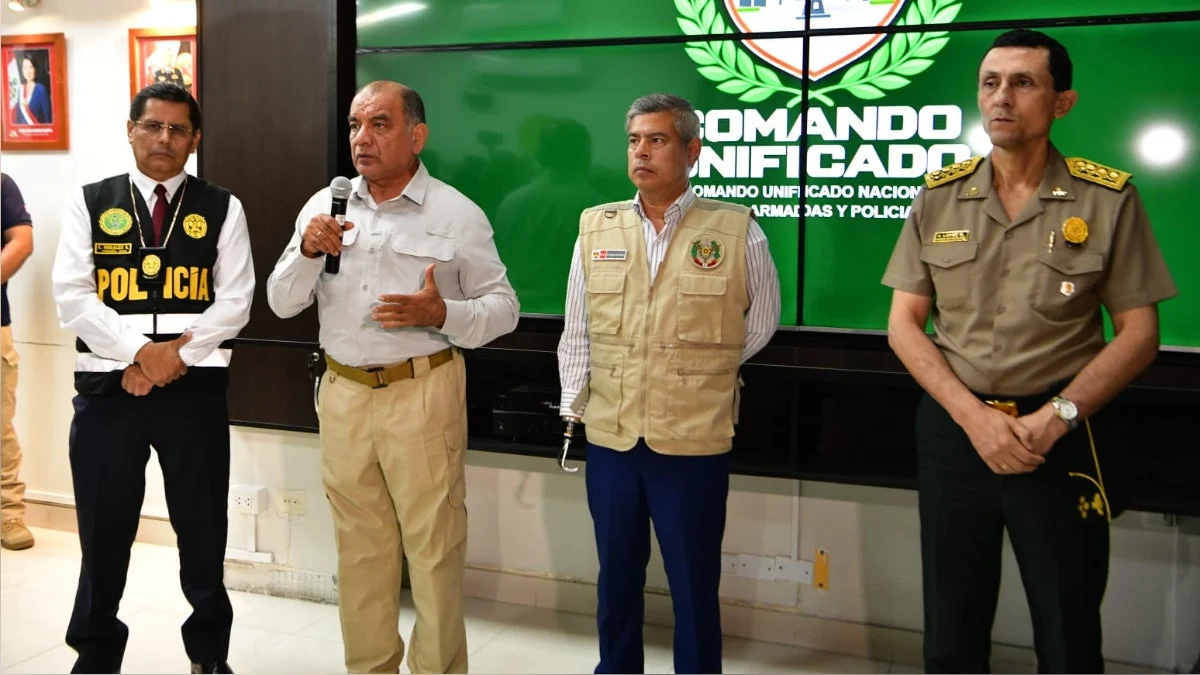
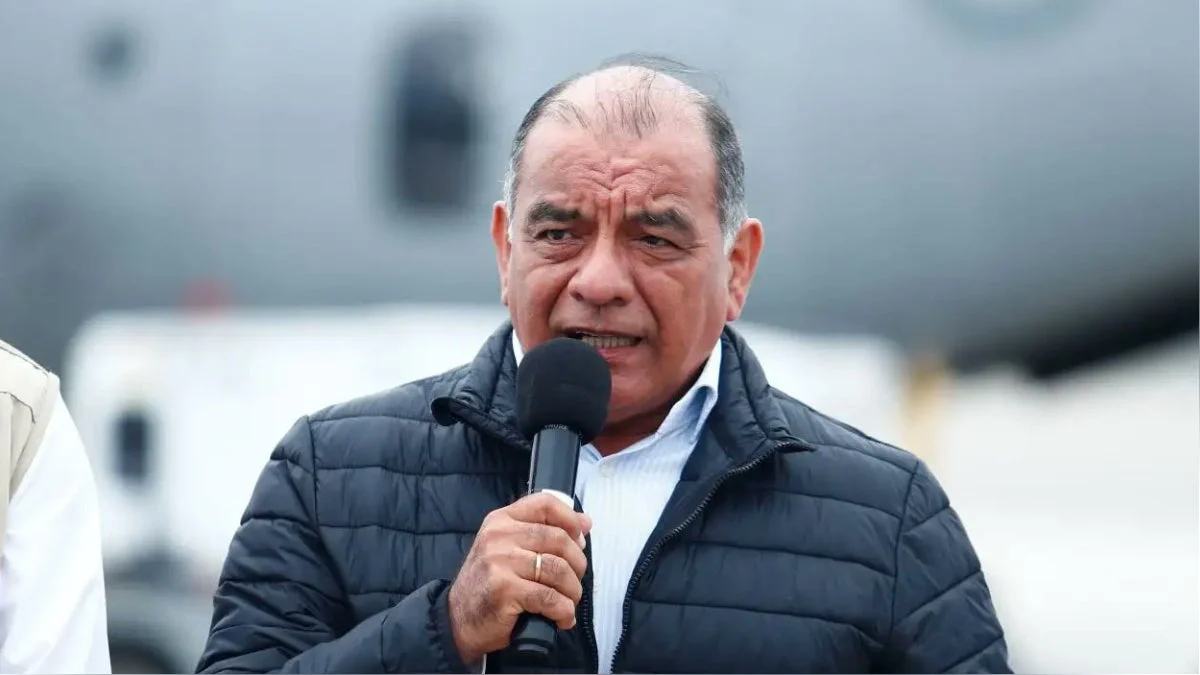
The Peruvian political landscape is bracing for a high-stakes confrontation as the bench of Juntos por el Perú has officially filed a formal interpellation motion against the Minister of the Interior, César Astudillo. This legislative move, which gained significant momentum following a series of security failures, seeks to hold the minister accountable for what lawmakers describe as a systemic "ineptitude" in addressing the country’s escalating wave of criminal activity. As the nation grapples with a surge in extortion, contract killings, and public insecurity, the parliamentary spotlight now turns to the Ministry of the Interior (Mininter) and its leadership, which stands accused of administrative irregularities and strategic failure.
The motion, spearheaded by the first vice president of the Chamber of Deputies, Analí Márquez, encompasses a 12-page document backed by more than the 20 signatures required by congressional regulation. It signals a deepening divide between the Executive branch and the legislative body, reflecting a broader public frustration with the current state of national safety.
The Core Accusations: A Failure of Oversight
The interpellation motion is not merely a political gesture; it is a granular challenge to the Minister’s administrative capacity. The document includes a comprehensive interrogatory consisting of 27 specific questions. These inquiries are broadly categorized into two critical pillars: the perceived collapse of public security policy and the alleged institutional corruption involving questionable personnel appointments.
1. The Security Crisis
Fifteen of the 27 questions are dedicated exclusively to the government’s failure to contain the rising tide of organized crime. Legislators point to the alarming frequency of extortion rackets targeting the transportation and construction sectors, which have led to widespread panic and economic paralysis in several regions. The motion questions whether Minister Astudillo has truly fulfilled a "significant role" in combating the hampa (the criminal underworld), given the climbing statistics of homicides and injuries.
2. Institutional Integrity and Questionable Appointments
A major point of contention within the motion is the appointment of Magali Meza Mundaca as the Director General of Human Resources at the Mininter. Lawmakers contend that her appointment is a significant lapse in judgment, as she is currently under investigation by the Prosecutor’s Office for alleged corruption related to her previous tenure as HR head at the Ministry of Education during the administration of José Jerí. The motion challenges the Minister to explain how a professional with active fiscal investigations into corruption could be entrusted with a sensitive role in the Ministry of the Interior.
Chronology of the Conflict
The road to this interpellation has been paved by a series of events that have eroded public and political confidence in the current security strategy.
- Initial Signs of Friction: The relationship between the Ministry and Congress began to sour as reports of disorganized responses to regional emergencies surfaced.
- The Mining Executive Case: A pivotal moment occurred recently when, during the liberation of a kidnapped mining entrepreneur, it was revealed—and subsequently confirmed by the Minister himself—that the National Police of Peru (PNP) did not participate in the operation. This revelation shattered the government’s narrative of control and sparked outrage among lawmakers who viewed it as evidence of the police force’s marginalization in high-stakes security operations.
- The Ongoing Command Question: The motion also highlights the controversial retention of the General Commander of the National Police, Óscar Arriola. Despite being under investigation for corruption, Arriola has managed to maintain his position across three consecutive presidential administrations, a fact that the Juntos por el Perú bench cites as evidence of institutional decay and a lack of accountability.
- The Filing of the Motion: After weeks of building pressure, the 12-page document was finalized by Deputy Analí Márquez and submitted to the Official Registry of the Congress, marking the official commencement of the interpellation process.
Supporting Data: The Rising Tide of Criminality
The urgency behind the interpellation is rooted in cold, hard data. While the Ministry of the Interior has occasionally highlighted its successes, the statistics regarding extortion and targeted killings paint a grimmer picture.
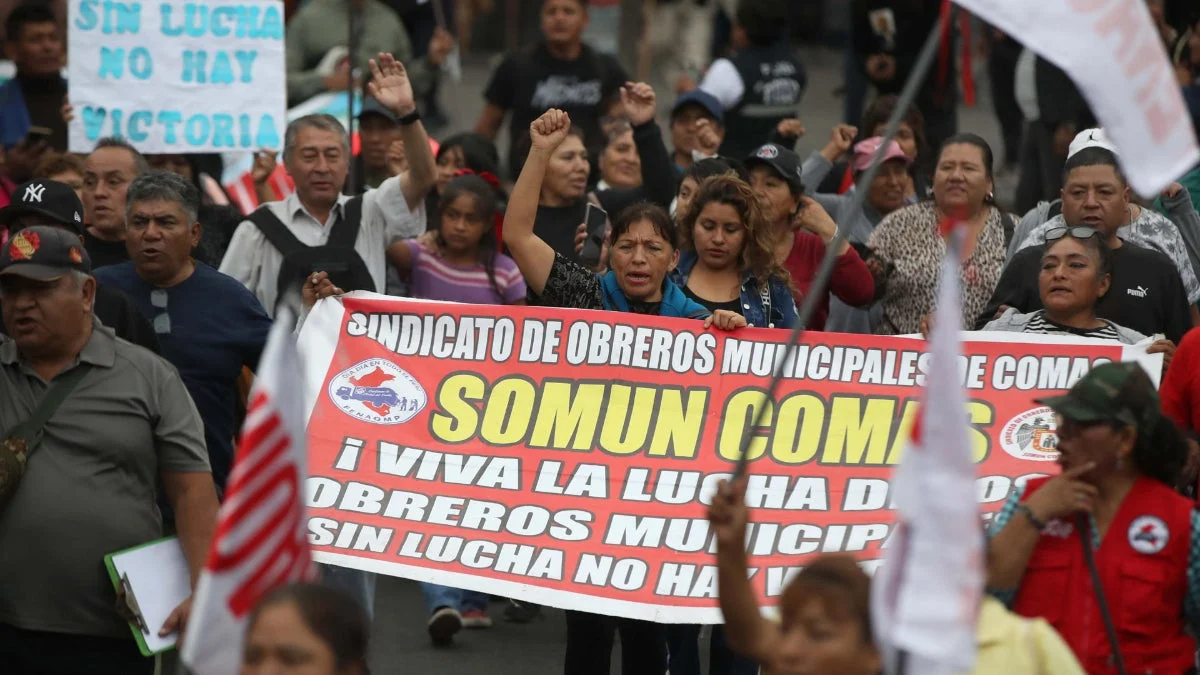
The construction industry, a vital engine of the Peruvian economy, has become a primary target for syndicates demanding "cupos" (extortion payments) under the threat of death. Similarly, the public transport sector has seen a wave of strikes as drivers refuse to operate in areas controlled by criminal gangs. The interpellation document argues that the Ministry’s current policies are reactive rather than preventive, and that the administrative focus has shifted toward patronage rather than professional police management.
Furthermore, the document notes the internal instability caused by "irregular designations," suggesting that the ministry’s internal human resources department is currently paralyzed by the very corruption it is supposed to be filtering out. The presence of personnel with pending fiscal investigations is seen by critics as a clear indicator of a "cronyism culture" that undermines the morale of the rank-and-file police officers.
Official Responses and Political Maneuvering
To date, the Ministry of the Interior has maintained a relatively guarded stance. Minister Astudillo has previously defended his tenure by pointing to systemic challenges inherited from previous administrations and the complexity of modern organized crime. Regarding the recent kidnapping case, the Ministry argued that the outcome (the safe return of the victim) was the primary goal, even if the PNP did not lead the tactical operation.
However, the political opposition is not satisfied with these explanations. In the Chamber of Deputies, the atmosphere is increasingly tense. Miguel Torres and other parliamentary figures have urged the legislative body to act with "celerity" in addressing the government’s request for special powers, but with the caveat that such powers cannot be granted to a ministry that is currently facing a motion of censure.
The government’s response to the interpellation will likely involve a defense based on the argument of "institutional continuity." They are expected to emphasize that removing the Minister or the Police Commander during such a volatile time would create a security vacuum that criminals could exploit further.
Implications for the Future
The interpellation of César Astudillo serves as a litmus test for the current administration’s ability to survive political scrutiny. There are three potential outcomes:
- The Minister Satisfies the House: If Minister Astudillo delivers a compelling, data-driven defense that satisfies the majority of the Chamber, the motion may be dismissed, providing him with a temporary reprieve and a mandate to continue his current policies.
- The Motion Leads to Censure: If the response is deemed insufficient, the path is cleared for a vote of censure. A successful censure would legally require the Minister to resign, forcing the President to reorganize the cabinet. This would likely cause significant political upheaval and uncertainty in the security sector.
- Institutional Reform: Regardless of the political outcome, the interpellation process itself exerts pressure on the government to initiate structural reforms. The public discourse generated by this debate is likely to force the Mininter to re-evaluate its HR practices and, potentially, re-examine the leadership within the National Police.
A Crossroads for Public Safety
As the Chamber of Deputies prepares for the debate, the eyes of the Peruvian public remain fixed on the proceedings. The citizens, weary of the daily news of violence and extortion, are looking for more than just political theater; they are looking for a strategy that restores the authority of the state.
The interpellation of Minister Astudillo represents the intersection of political accountability and the fundamental duty of the state to provide security. Whether or not the current leadership survives this challenge, the event marks a turning point in how the Peruvian legislature intends to monitor the executive’s performance in the face of an existential threat to public order.
The upcoming sessions in the Chamber of Deputies will be decisive. With the motion officially received and the interrogatory questions set, the Minister has a limited window to prepare a defense that must address not only the technical questions of police management but also the broader, more damaging charge of administrative ineptitude. The stability of the cabinet, and perhaps the safety of the streets, hinges on the arguments to be made in the coming weeks.