The construction of the Tarata Bridge, a monumental infrastructure project spanning the Huallaga River in the San Martín region of Peru, has reached a decisive turning point. With the successful pouring of the final "dovela" (segmental bridge section), engineers have achieved the structural union of the bridge, a feat that marks the completion of the most complex phase of the project. This engineering milestone brings the region one step closer to solving a historic logistical challenge that has hindered the socio-economic development of the Juanjuí and Pajarillo provinces for decades.
With an overall progress rate now exceeding 88%, the project stands as a testament to modern engineering and a vital promise of regional integration. Once operational, the bridge will replace the archaic and often dangerous system of river rafts, which currently serve as the primary mode of transit for thousands of residents.
The Engineering Marvel: Project Specifications and Scale
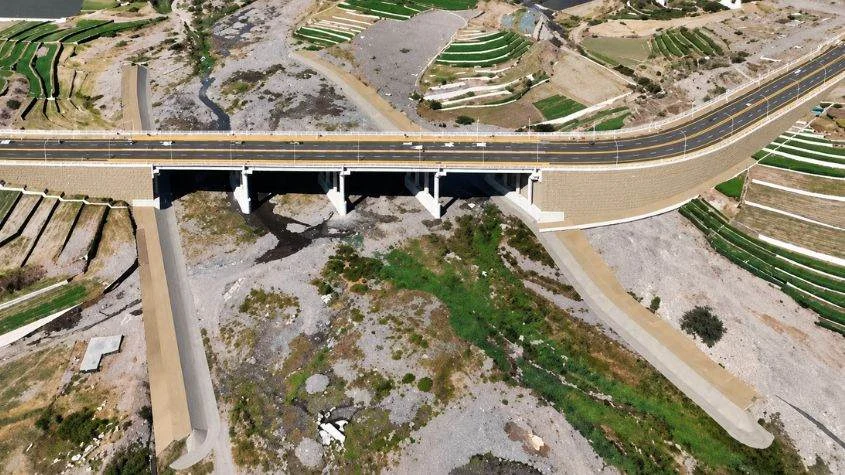
The Tarata Bridge is not merely a transport link; it is a critical piece of infrastructure designed to withstand the volatile conditions of the Amazonian basin. Spanning a total length of 510 meters, the bridge is designed to accommodate heavy transport vehicles, thereby facilitating the efficient movement of agricultural products from the fertile valleys of San Martín to the broader Peruvian market.
The project involves a total investment exceeding S/ 374 million. This budget covers not only the main span across the Huallaga but also extensive approach roads and asphalted access routes on both sides of the river. The "dovela" method used in the construction—a technique involving the assembly of precast or cast-in-place concrete segments held together by internal tension cables—has allowed for precision work over the deep, flowing waters of the Huallaga without the need for excessive temporary scaffolding that could disrupt the river’s ecosystem.

Chronology of Development: From Concept to Connection
The road to this milestone has been characterized by careful planning and rigorous execution.
- Initial Planning and Procurement: The project was identified as a strategic priority to alleviate the isolation of Pajarillo. The tender process was designed to ensure that the winning consortium possessed the specialized expertise required for riverine bridge construction.
- Breaking Ground: Upon the initiation of works, the focus shifted to the stability of the riverbanks and the construction of the deep-foundation caissons required to support the massive piers.
- The Superstructure Phase: The most challenging phase involved the advancement of the bridge deck from both shores toward the center. Engineers had to synchronize the structural integrity of both halves, ensuring that the final "closure" (the last dovela) aligned perfectly with the design specifications.
- The Milestone of October 2026: The successful closure of the structure serves as the psychological and physical turning point for the project, transitioning the site from a construction zone of separate parts into a singular, continuous span of steel and concrete.
Socio-Economic Implications: Beyond the Concrete
The impact of the Tarata Bridge extends far beyond the immediate physical connection of two provinces. For the 32,000 residents of Juanjuí, Pajarillo, and the surrounding rural communities, this bridge represents the end of an era of dependence on river currents and weather conditions.
1. Agricultural Logistics and Market Access
San Martín is a powerhouse of agricultural production, particularly in cacao, coffee, and tropical fruits. Currently, transporting these perishable goods across the Huallaga via rafts is time-consuming and costly, leading to significant post-harvest losses. The bridge will allow trucks to cross in minutes rather than hours, ensuring fresher produce reaches regional markets and significantly lowering transportation overheads for local farmers.
2. Emergency Services and Healthcare
One of the most profound impacts of the bridge will be on emergency healthcare. In the event of medical emergencies, residents currently face the danger of being stranded on the "wrong side" of the river during high water levels. A permanent bridge ensures 24/7 access to the Juanjuí Hospital, which serves as the primary medical hub for the area.

3. Tourism and Regional Integration
By creating a reliable, safe route, the bridge is expected to stimulate tourism. The beauty of the San Martín region is often inaccessible to casual travelers due to the difficulty of navigating river crossings. The new infrastructure will act as an artery for commerce and tourism, integrating the Pajarillo district into the formal regional economy.
Official Perspectives and Oversight
The Ministry of Transport and Communications (MTC) has highlighted the Tarata Bridge as one of the most vital connectivity projects in the Amazonian corridor. Officials have noted that the project is subject to rigorous environmental and structural oversight, ensuring that the construction does not cause long-term harm to the Huallaga River’s riparian zones.
Representatives from the regional government of San Martín have lauded the project for its role in reducing the "inequality of access" that has historically plagued the riverine populations. "This is not just about a bridge; it is about dignity," one regional official stated. "The people of Pajarillo have waited years to be connected to the heart of the region. Today, we are seeing that wait come to an end."
Challenges and Future Outlook
While the structural union is complete, the project remains in the "final stretch." The remaining 12% of the work involves the installation of safety railings, the completion of the asphalted access roads, the implementation of lighting, and rigorous load-bearing tests to ensure the bridge can safely handle the anticipated volume of heavy traffic.

Furthermore, environmental mitigation remains a priority. As the project nears completion, the focus will shift toward land management around the bridge approaches to prevent unauthorized urban encroachment and ensure the bridge remains a safe, efficient conduit for trade.
Conclusion: A New Horizon for San Martín
The completion of the final dovela at the Tarata Bridge is more than an engineering victory; it is a catalyst for regional transformation. It symbolizes the Peruvian government’s commitment to bridging the gap between rural populations and economic centers.
As the construction crews shift their focus to the final paving and safety checks, the anticipation among the residents of Juanjuí and Pajarillo is palpable. The Huallaga River, once a formidable barrier, is becoming a backdrop for progress. When the bridge officially opens for transit, it will solidify the integration of the San Martín region, providing a permanent solution to a problem that has persisted for generations. This structure will stand as a beacon of connectivity, enabling growth, safety, and a better quality of life for all who cross its path.