Executive Summary: Bridging Geological Science and Sustainability
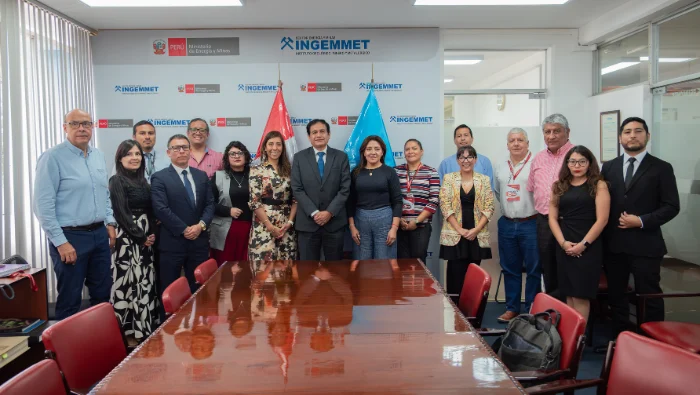
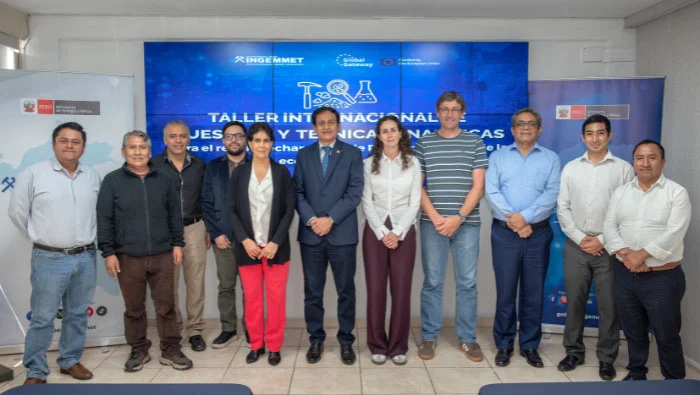
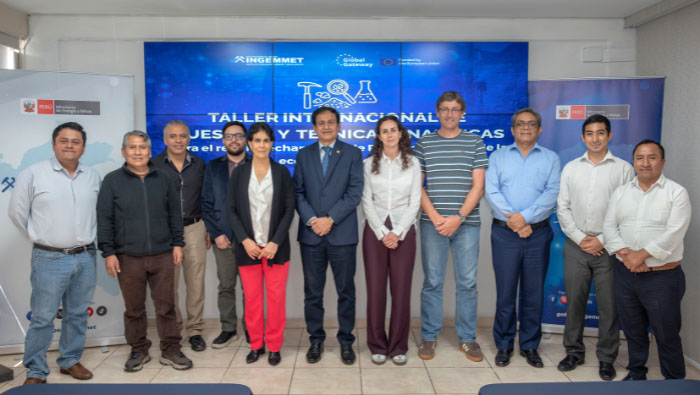
From August 31 to September 4, the Geological, Mining, and Metallurgical Institute of Peru (INGEMMET) hosted a pivotal international forum: the "Workshop on Sampling and Analytical Techniques for the Reprocessing of Mining Waste (PAM)." This high-level technical gathering was organized under the umbrella of the Strengthen Cooperation EU-LAC Geological Surveys (EULAC-RM) project, a strategic initiative funded by the European Union through the DG INTPA, as part of the AL-INVEST Next program.
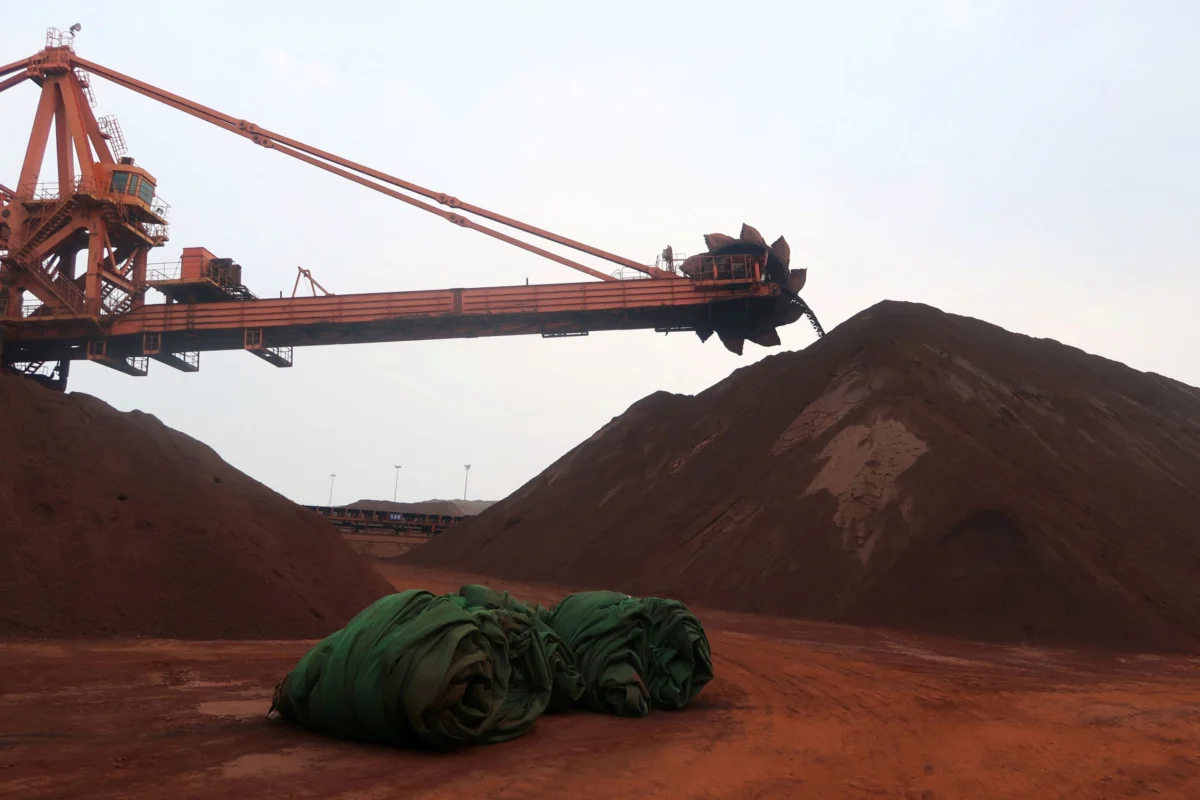
The workshop served as a masterclass in modern geological engineering, focusing on the transformation of "Pasivos Ambientales Mineros" (PAM)—or mining waste—into potential resources. By gathering experts from South America and Europe, the event underscored a global shift toward a circular economy, where tailings are no longer viewed as mere environmental liabilities, but as untapped reservoirs of minerals and materials essential for the global energy transition.
Chronology: A Week of Technical Rigor and Knowledge Exchange
The five-day program was meticulously structured to balance theoretical framework with empirical application, ensuring that participants left with actionable methodologies.
Days 1-2: Theoretical Foundations and International Perspectives
The opening sessions focused on standardizing methodologies across borders. Representatives from Argentina’s SEGEMAR, Mexico’s SGM, Germany’s BGR, and Bolivia’s SERGEOMIN presented their respective national strategies for monitoring and characterizing mining waste. The dialogue focused on the harmonized geochemical and mineralogical standards required to assess the economic viability of reprocessing.
Day 3: Applied Fieldwork at Coayllo
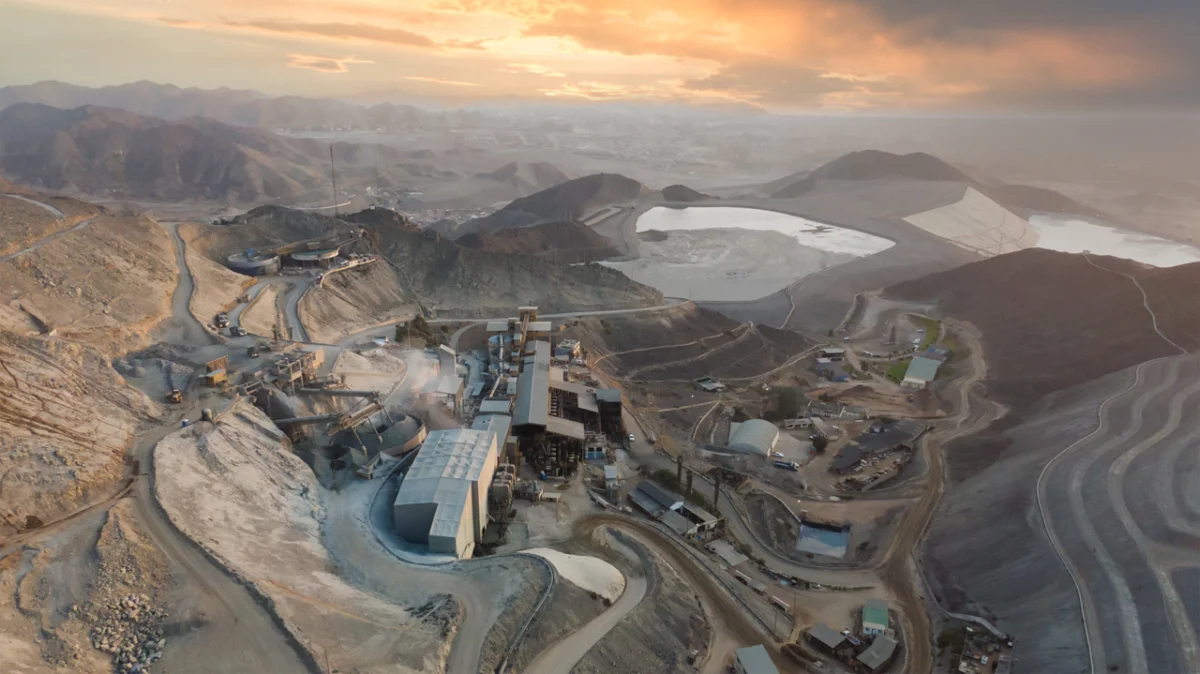
Mid-week, the focus shifted from the lecture hall to the field. Participants traveled to the "Pacific Alliance 45" tailings site in Coayllo. This practical session allowed attendees to observe the deployment of advanced drilling equipment specifically designed for tailings sampling. Furthermore, experts demonstrated the use of Remotely Piloted Aircraft (RPAs) for photogrammetric surveying, a crucial technology for creating high-precision 3D models of waste sites to calculate volumes and identify high-grade zones.
Days 4-5: Laboratory Synthesis and Institutional Synergy
The final days were dedicated to the "applied" aspect of the project. A technical visit to the laboratories and pilot plant of the National University of San Marcos (UNMSM) allowed participants to see the sophisticated machinery required to evaluate mineralogical and metallurgical properties. The week concluded with a series of expert panels featuring the Peruvian Institute of Nuclear Energy (IPEN), DIPROMIN, CERTIMIN, and Strategic Consulting groups, who provided insights into the chemical processes required to extract value from complex mineral matrices.
Supporting Data: The Science Behind the Reprocessing
The core of the workshop revolved around the multi-disciplinary characterization of tailings. For a waste site to be considered a viable source of secondary raw materials, it must pass several stages of rigorous analysis:
- Mineralogical Mapping: Utilizing X-ray diffraction and automated mineralogy to identify the spatial distribution of minerals within the tailings dam.
- Geochemical Profiling: Determining the concentration of metals and deleterious elements, which is vital for both economic recovery and environmental risk mitigation.
- Petromineralogical Assessment: Understanding the texture and liberation of valuable minerals from the gangue (waste) material.
- Metallurgical Testing: Pilot-scale leaching or flotation tests to determine if the targeted elements can be efficiently extracted without creating new, hazardous waste streams.
This scientific rigor is the cornerstone of the EULAC-RM project, ensuring that any attempt to "reprocess" does not compromise the environmental stability of the area.
Official Responses and Strategic Vision
During the closing ceremony, Ing. Walther León, Executive President (e) of INGEMMET, articulated the strategic importance of the workshop. "We are moving beyond the traditional concept of ‘waste management’ and entering the era of ‘resource recovery,’" he stated. León highlighted four pillars that were solidified during the summit:
- Interdisciplinary Cooperation: By integrating the technical expertise of the BGR (Germany) with regional knowledge from Latin American geological surveys, Peru has established a collaborative network that facilitates the transfer of best practices in environmental governance.
- Technological Integration: The adoption of drone-based photogrammetry and modern drilling techniques represents a leap forward in the efficiency and safety of monitoring PAMs.
- Academic-Institutional Linkages: The involvement of the UNMSM demonstrates the necessity of connecting university research with the industrial requirements of the mining sector.
- Project Roadmap: The consensus reached during the final debate sessions established the operational framework for the upcoming phases of the EULAC-RM project (Work Packages 4 and 6), which will dictate the technical path for the participating countries over the coming years.
Implications: The Road Toward a Circular Mining Economy
The implications of this workshop extend far beyond the technical training of the participants. The "reprocessing of mining waste" is a critical component of the global effort to secure critical minerals—such as copper, lithium, and rare earth elements—needed for the decarbonization of the global economy.
Environmental Remediation as an Economic Driver
By incentivizing the reprocessing of legacy tailings, nations like Peru can tackle two problems simultaneously: reducing the footprint of environmental liabilities and generating new economic value from previously discarded material. If a private entity can prove that a tailings site contains sufficient economic value to cover the costs of reprocessing, the state benefits from the remediation of a site that might otherwise remain a long-term environmental threat.
Strengthening EU-LAC Ties
The involvement of the European Union through the DG INTPA highlights the geopolitical importance of this collaboration. For the EU, securing a stable and sustainable supply chain for critical raw materials is a priority. For Latin American nations, this partnership provides the technical assistance and technological access required to modernize their mining legacies.
Future Challenges
Despite the success of the workshop, significant challenges remain. The regulatory frameworks in many Latin American countries are currently designed for "extraction," not "re-extraction." Updating legislation to allow for the legal, safe, and profitable reprocessing of old tailings will be the next major hurdle for the policymakers involved in the EULAC-RM project. Furthermore, achieving public trust—ensuring that communities living near these sites understand the safety and environmental benefits—will be essential to the success of any future commercial ventures.
Conclusion
The INGEMMET-led workshop stands as a landmark event in the integration of geological science, international cooperation, and circular economic principles. By training a new generation of experts and aligning international standards, the participants have laid the groundwork for a future where mining waste is treated as a strategic asset rather than a forgotten liability. As the EULAC-RM project progresses into its next phases, the data gathered at the Coayllo site and the methodologies refined in the UNMSM laboratories will likely serve as the blueprint for similar initiatives across the globe.
The success of this week confirms that through shared knowledge and technological innovation, the mining industry can evolve to meet the high environmental and economic standards required by the 21st century.