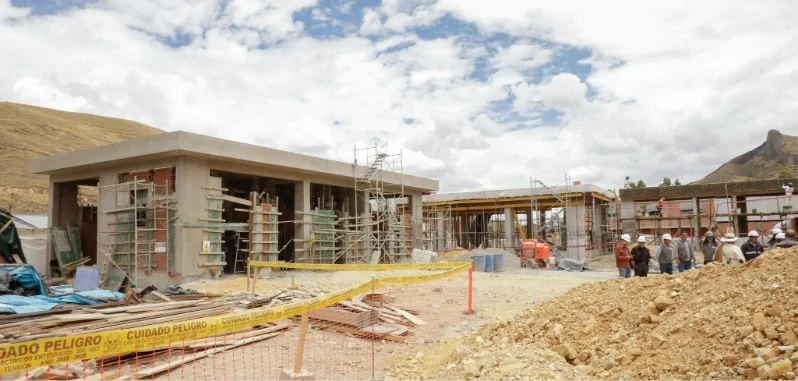
The construction of the new Bambamarca Hospital in the Cajamarca region has reached a pivotal moment. As a vital piece of infrastructure for the province of Hualgayoc, the project currently stands at a 52% physical completion rate. However, recent budget constraints have prompted the National Program for Health Investments (PRONIS), an agency under the Ministry of Health (MINSA), to aggressively evaluate new funding models and budgetary modifications to ensure the facility does not fall into the category of "abandoned works"—a recurring challenge for public health infrastructure in Peru.
The Strategic Importance of the Bambamarca Hospital
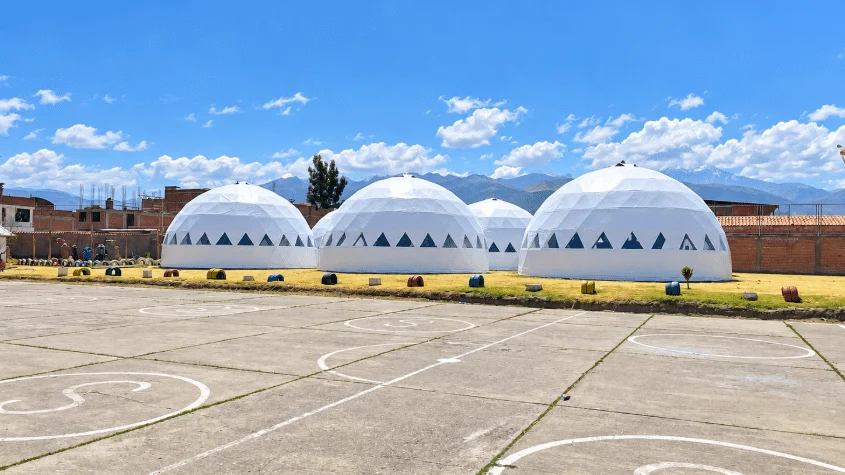
For over 100,000 residents in the Hualgayoc-Bambamarca area, the promise of a modern hospital is not merely a matter of convenience; it is a necessity for survival. Currently, the local health system relies on a provisional contingency structure that functions as the primary referral hub for 58 smaller health centers across the province.
This temporary facility, while functional, lacks the advanced clinical capacity required to manage complex medical emergencies, chronic diseases, and specialized surgeries. The construction of the new hospital represents a qualitative leap in regional healthcare, aiming to decentralize services and reduce the burden on the regional capital, Cajamarca, where patients are often forced to travel for basic specialized care.
Chronology of the Project and Current Status
The road to the current 52% progress mark has been fraught with the typical logistical and administrative hurdles seen in large-scale Peruvian public works.
- Initial Planning and Procurement: The project was conceived to address the long-standing deficit in hospital beds and specialized medical equipment in the northern highlands of Peru.
- Commencement of Works: Following the bidding process and the mobilization of the construction consortium, the project began with high expectations from the local community.
- The 52% Milestone: Despite periods of steady progress, the project hit a plateau due to shifts in national economic conditions and adjustments in the original technical file.
- Current Executive Intervention: David Miranda, the General Coordinator of PRONIS, has recently taken a hands-on approach, prioritizing a series of high-level meetings with local stakeholders to prevent a total work stoppage.
Official Response: The Path Forward
Following a tense meeting with provincial authorities, including Mayor Hernán Vásquez and Segundo Ticlla Rafael, the leadership of PRONIS has signaled that they are moving beyond standard procedural delays.

"This project is a top priority for our administration," stated David Miranda during the recent coordination meeting. "We are currently engaged in a comprehensive mapping of all outstanding investment obligations. Our objective is to optimize the available resources and evaluate every viable financial alternative to honor our commitments to the contractors and, most importantly, to the citizens of Hualgayoc."
The strategy proposed by PRONIS involves a two-pronged approach:
- Budgetary Realignment: Utilizing internal fiscal mechanisms to shift funds from lower-priority areas to fulfill the immediate requirements of the Bambamarca site.
- Strategic Inspection: A high-level technical visit is scheduled to inspect the structural integrity of the work to date and to hold direct negotiations with the contractor to ensure that the current 52% progress is not degraded by inactivity.
Socio-Economic Implications for Cajamarca
The implications of completing the Bambamarca Hospital extend far beyond the healthcare sector. In regions like Cajamarca, infrastructure projects act as engines for local economic development.
1. Public Health Impact
The completion of the facility will allow for the integration of new diagnostic imaging services, expanded surgical suites, and an increased capacity for inpatient care. This shift will directly correlate to a reduction in maternal and infant mortality rates, as well as improved outcomes for patients with respiratory and infectious diseases, which are prevalent in high-altitude environments.
2. Economic Stability
The construction sector is a significant employer in the province. A stoppage would result in the loss of hundreds of direct and indirect jobs, negatively impacting local vendors, transport services, and service providers who rely on the project’s ecosystem.

3. Political Trust
Public confidence in the government is often measured by the timely completion of essential services. Failure to deliver the hospital would represent a significant setback for the Ministry of Health’s credibility in the eyes of the Cajamarca population, who have been vocal in their demands for better infrastructure.
Supporting Data and Sectoral Context
The situation in Bambamarca is not isolated. Across the Peruvian landscape, the Ministry of Health is currently navigating a complex portfolio of hospital projects, many of which are facing similar challenges. For instance, recent reports indicate that the government is also securing budgets for health establishments in Velille and Siete Cuartones in the Cusco region.
This trend highlights a systemic effort by the central government to prioritize the "closing of gaps" in health infrastructure. The data suggests that when PRONIS engages directly with local authorities—as they have in this instance with the representatives of the Tito Villar Cabezas Hospital—there is a higher likelihood of stabilizing the project timeline.
Analyzing the Risks of Delay
The primary risk currently facing the project is "deterioration by exposure." When a construction project is left partially finished for extended periods, the costs associated with rehabilitating the structure can skyrocket. Exposure to the elements, theft of building materials, and the expiration of specialized warranties on equipment are significant financial liabilities.
By announcing a "re-impulse plan," PRONIS is attempting to mitigate these risks. The plan will likely involve:

- Direct Negotiation: Renegotiating terms with the current contractor to avoid the legal quagmire of rescinding the contract, which could lead to years of litigation and total abandonment of the site.
- Phased Delivery: Evaluating the possibility of opening the facility in stages, allowing parts of the hospital to become operational even before the entire complex is 100% finished.
Future Outlook: A Commitment to Completion
The upcoming visit of the PRONIS leadership to Bambamarca is being viewed by local civil society as the "moment of truth." Expectations are high. The community is not only looking for promises of funding but for a tangible, audited schedule of completion.
The role of the local authorities will be crucial in this phase. By maintaining a united front with the representatives of the Red Integrada de Salud, the provincial government of Hualgayoc is positioning itself to hold the central government accountable.
In conclusion, the Bambamarca Hospital project stands as a testament to the challenges of public investment in rural Peru. While the 52% progress mark is significant, the path to the remaining 48% will require fiscal agility, transparent communication, and a robust commitment from the Ministry of Health. If PRONIS successfully implements its budgetary modifications and maintains its current momentum, the hospital could soon transition from a construction site to a vital, lifesaving institution for the people of Cajamarca.
The eyes of the region remain fixed on the upcoming report from the PRONIS technical team, as the health and well-being of over 100,000 residents depend on the successful resolution of these financial negotiations.