The Peruvian cement industry, long characterized by stable regional monopolies and predictable supply chains, is currently undergoing a profound structural metamorphosis. Driven by a blend of global capital influx, intensified competitive pressures, and a resilient demand for housing and infrastructure, the sector is breaking away from its traditional geographic silos. As the nation grapples with a significant infrastructure deficit, the cement market has become a battleground for efficiency, technological integration, and expanded distribution networks.
Main Facts: The End of Regional Dominance
For decades, the Peruvian cement landscape was defined by a tripartite structure. Three major operators dominated the market, each firmly entrenched in its respective territory: the north, the center, and the south. This "regional fiefdom" model was not merely a matter of strategy but a logistical necessity. Given that cement is a high-volume, low-value commodity, the cost of transportation represents a significant portion of the final price. Therefore, proximity to end-users and raw materials dictated market boundaries.
However, this paradigm is shifting. The entrance of transnational players and the aggressive expansion of logistics networks are eroding these historical barriers. The current market is characterized by:
- Increased Competition: The era of protected regional territories is ending as companies push into neighboring zones, forcing competitors to optimize costs and improve service delivery.
- Vertical Integration: Industry leaders are moving beyond simple cement production. Today, the competitive edge lies in the ability to offer a holistic ecosystem of construction materials, including high-performance concrete, pre-cast elements, and specialized aggregates.
- Technological Modernization: To offset the rising costs of energy and labor, firms are investing heavily in digital logistics, advanced kilns, and carbon-efficient production processes.
Chronology: From Stability to Rapid Growth
To understand the current state of the industry, one must look at the recent trajectory of the Peruvian economy.
- Pre-2023: The market remained relatively stagnant, recovering slowly from the global supply chain disruptions of the post-pandemic period. The focus was primarily on sustaining existing production levels amidst fluctuating material costs.
- Early 2024: Market analysts began noting a distinct shift in capital flows. Global investors, attracted by the long-term potential of the Andean region, began increasing their stakes in Peruvian construction entities.
- Mid-2024: A tangible surge in construction activity was recorded. The easing of inflationary pressures on key raw materials allowed for more aggressive project bidding.
- July 2024 (The Turning Point): Data from the National Institute of Statistics and Informatics (INEI) confirmed a robust recovery, with the construction sector growing by 9.85% in a single month—a figure that signaled a broader economic rebound.
- Present Day: The industry is now focused on long-term sustainability, attempting to balance the high demand from the public sector with the constant, steady stream of private autoconstruction.
Supporting Data: The July Surge and Economic Indicators
The resilience of the Peruvian cement market is best illustrated by the latest reports from the INEI, led by Dr. Gaspar Morán Flores. In July, the national production output increased by 3.56%, a performance heavily bolstered by the construction sector’s double-digit growth.
Key metrics from the July report include:

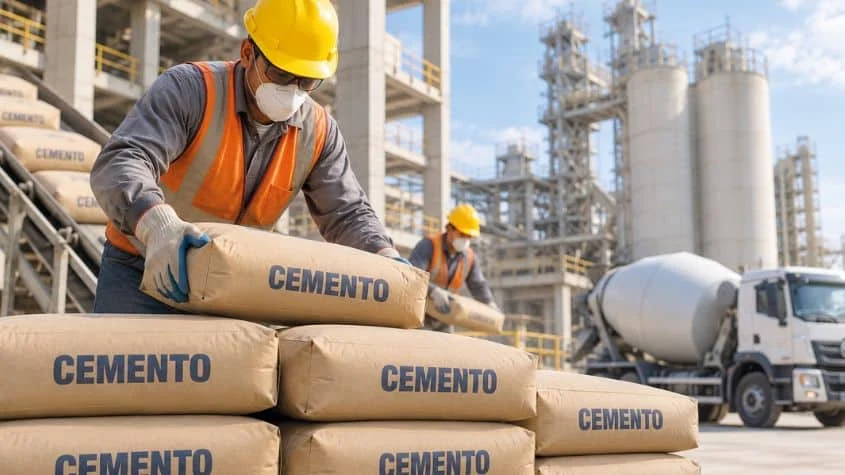
- Cement Consumption: Internal consumption spiked by 10.17%, reflecting a surge in both private residential projects and commercial expansion.
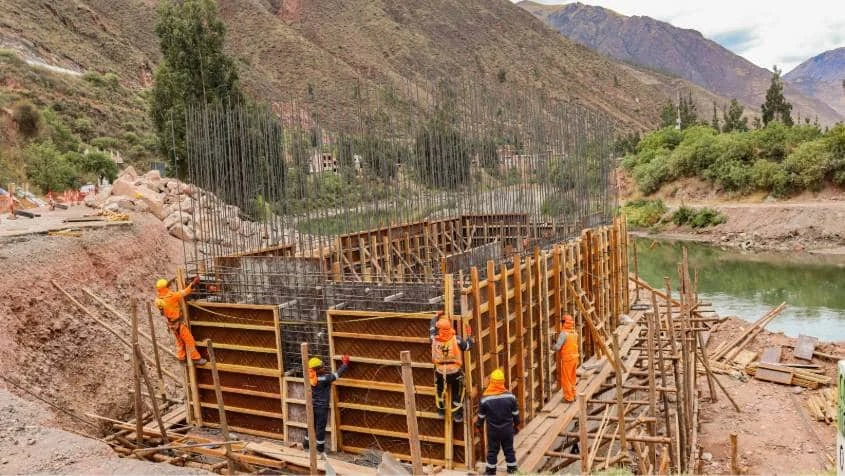
- Public Works Advancement: The physical progress of public infrastructure projects grew by 9.51%. This growth was observed across all three levels of government: national, regional, and local.
- Sectoral Drivers: The consumption of cement was not limited to one area. It was distributed across several key pillars:
- Non-Residential Buildings: Educational facilities, industrial plants, and large-scale manufacturing sites.
- Commercial Infrastructure: Expansion of retail spaces and corporate office remodeling.
- Engineering Projects: Critical support for the mining and energy sectors, which continue to be the backbone of the Peruvian economy.
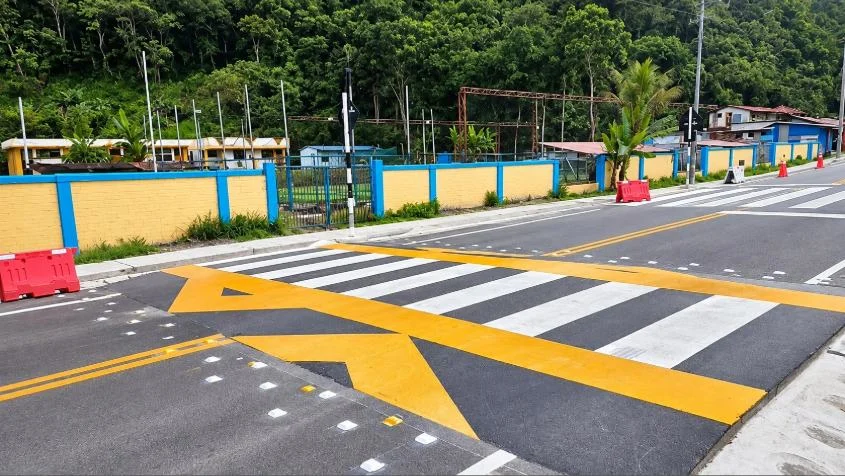
- Social Infrastructure: A significant increase in municipal works, including basic sanitation services, road infrastructure, and disaster risk prevention (a critical factor in a climate-vulnerable country).
Official Responses and Strategic Perspectives
Government officials and industry experts view this growth as a necessary step toward closing the "infrastructure gap." The Ministry of Economy and Finance has consistently emphasized that the development of transport, water, and sanitation networks is the primary engine for GDP growth.
"The growth we observed in the construction sector is not just a statistical anomaly; it is a reflection of a maturing market," says Dr. Morán Flores. "The integration of private sector investment with public works creates a multiplier effect that sustains the entire supply chain."
Industry analysts also highlight the role of the "autoconstrucción" (self-construction) segment. Unlike many developed nations where construction is dominated by massive developers, the Peruvian market is unique in that a significant percentage of cement sales go to individual households building or expanding their homes. This segment provides a consistent, recession-resistant floor for cement demand. Manufacturers are now responding by improving the retail availability of their products and providing better technical support to these small-scale builders.
Implications: A Future Built on Efficiency
The implications of this industry-wide transformation are far-reaching. As the market becomes more integrated and competitive, several trends are expected to define the next five years:
1. Sustainability and ESG Goals
As transnational companies enter the fray, they bring with them global environmental standards. There is a palpable shift toward "Green Cement." Companies are experimenting with calcined clays and industrial by-products to reduce the carbon footprint of their clinker production. This is no longer just a corporate social responsibility initiative; it is a regulatory requirement to compete for large-scale international infrastructure tenders.
2. Digital Transformation
The logistics of cement distribution are being digitized. Companies are adopting AI-driven supply chain management tools to optimize the delivery of cement from factory to site, reducing fuel consumption and wait times. This efficiency is critical for maintaining margins in an environment where the price of energy and transport remains volatile.

3. Consolidation and Expansion
We are likely to see further M&A (Mergers and Acquisitions) activity. Smaller, local players may find it difficult to compete with the economies of scale offered by global giants, leading to a consolidation that could result in more efficient, albeit fewer, market players.
4. Infrastructure as a Social Mandate
The government’s focus on sanitation and disaster prevention projects suggests that the cement sector will continue to enjoy strong state support. As the country faces the constant threat of seismic activity and climate-related damage, the demand for high-quality, resilient materials will only grow.
Conclusion: A Resilient Foundation
The Peruvian cement market is no longer a collection of isolated regional entities. It has become a dynamic, integrated, and highly competitive landscape that is essential to the nation’s development. While the historical challenges of geography and logistics remain, the industry’s response—through technological innovation, diversification, and a focus on both public and private demand—suggests a robust future.
As the country continues to navigate its infrastructure deficit, the cement industry stands as a cornerstone of progress. The recent growth figures are not merely numbers; they represent the construction of schools, hospitals, industrial plants, and the homes of millions of Peruvians. For investors, stakeholders, and the public alike, the reconfigurating market offers a clear signal: Peru is building, and the industry is ready to meet the challenge of a modernizing economy.