Introduction: A Silent Emergency
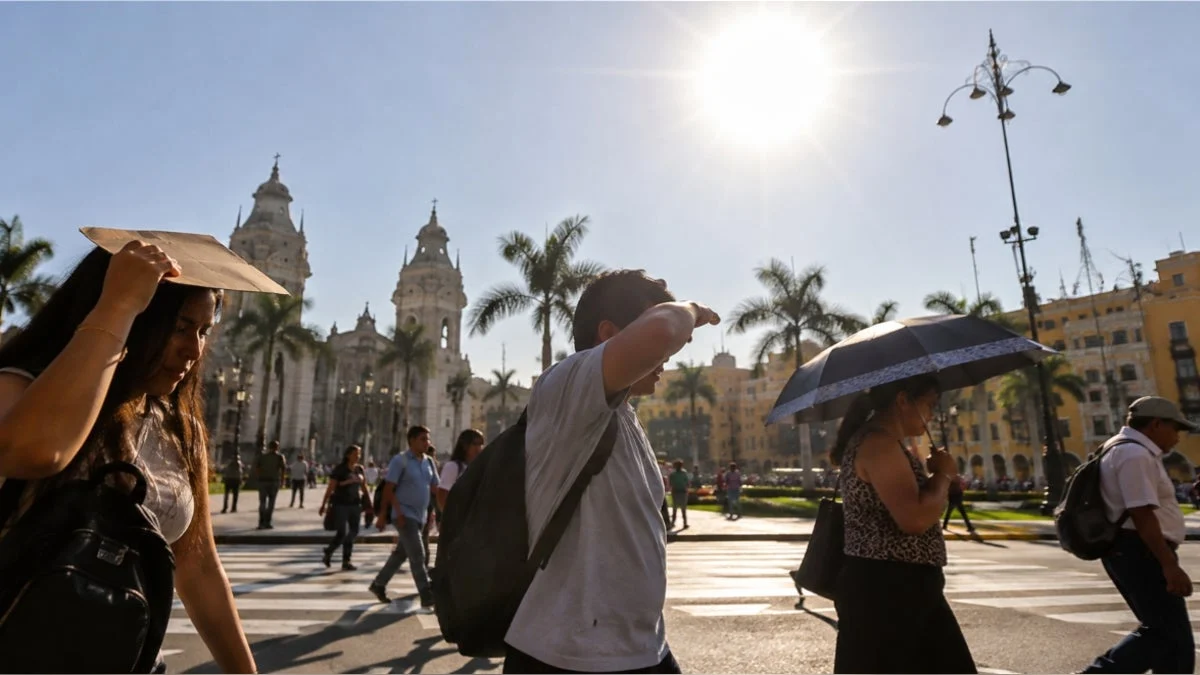
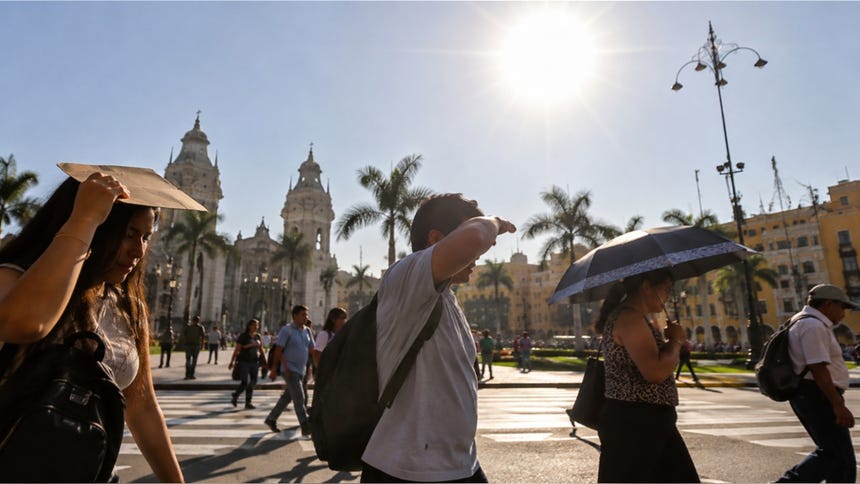
As the Servicio Nacional de Meteorología y Hidrología del Perú (SENAMHI) issues a red alert for surging temperatures across the coast and highlands—a weather event expected to persist from October 6 to 9—the focus of public discourse has largely remained on health risks and heatstroke. However, a deeper, more insidious crisis is unfolding behind the scenes: the silent destruction of economic productivity among Peru’s most vulnerable population.
A recent, comprehensive report by the OECD Development Centre has sounded the alarm on a trend that threatens to derail the financial stability of millions: extreme heat is not just a climate issue; it is an economic barrier that is actively shrinking the working hours and income of informal workers. In a nation where informality remains a structural hurdle, the intersection of rising temperatures and precarious employment is creating a "poverty trap" that traditional labor regulations fail to reach.
The Chronology of the Climate-Economic Intersection
The current climate crisis in Peru is not an isolated anomaly but part of a long-term pattern exacerbated by global phenomena.
- Mid-2026: Scientific bodies, including the Multisectoral Committee in Charge of the National Study of the El Niño Phenomenon (ENFEN), confirm that the current El Niño cycle is not merely a seasonal fluctuation. Projections indicate that its effects, including sustained temperature spikes, are expected to persist until the autumn of 2027.
- October 6–9, 2026: SENAMHI activates a red alert for 20 regions across the Peruvian coast and sierra. The alert signals a dangerous threshold of thermal intensity that goes beyond historical averages, prompting calls for restricted outdoor activity.
- Post-2026 Outlook: The OECD long-term projections suggest that as the climate continues to shift, the economic gap between those in stable, regulated employment and those in the informal sector will widen significantly, with the latter facing a disproportionate loss in annual income and labor capacity by 2055.
Supporting Data: The Disparity Between Formal and Informal Labor
The OECD report utilizes the Database of Informality Indicators (KIIbIH) and cross-references them with the National Household Survey (Enaho). The data, bolstered by econometric research from scholar Minoru Higa, reveals a stark reality: the impact of heat is not evenly distributed.
The Productivity Gap
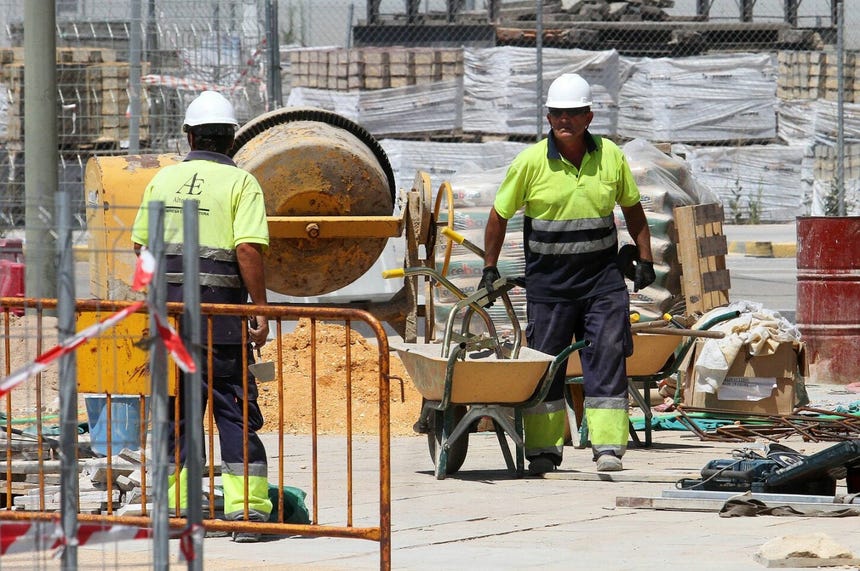
The findings are clear: heat reduces hours worked, but this effect is concentrated heavily within the informal economy. While formal sectors have the luxury of air-conditioned offices, safety protocols, and mandated breaks, the informal worker—often laboring on the streets, in open-air markets, or in unventilated workshops—is left exposed.
- 2025 Projections: Current estimates show a 2.4% loss in working hours for informal laborers due to heat, compared to a 1.4% loss for formal employees.
- 2055 Forecast: By the mid-century, the loss of hours for the informal sector is expected to climb to 3%, while the formal sector will hover at 1.8%.
- The Physical Effort Factor: The disparity is largely driven by the nature of the labor. Approximately 55% of the informal workforce is engaged in heavy or moderate physical labor, compared to only 25% of the formal workforce. In these physically demanding roles, productivity losses attributed to heat often exceed 4%.
The Mechanisms of Economic Erosion
Why does the informal worker bear the brunt of the heat? The OECD identifies three specific "channels of impact" that explain this phenomenon:
1. Demand-Side Shocks
Informal commerce relies on foot traffic. As temperatures soar, urban centers become hostile environments. Consumers avoid street markets, outdoor fairs, and small stalls during peak heat hours. This drop in demand leads to an immediate loss of daily revenue for self-employed vendors, who cannot simply "shift" their work hours to cooler times without losing their client base.
2. The Infrastructure Trap
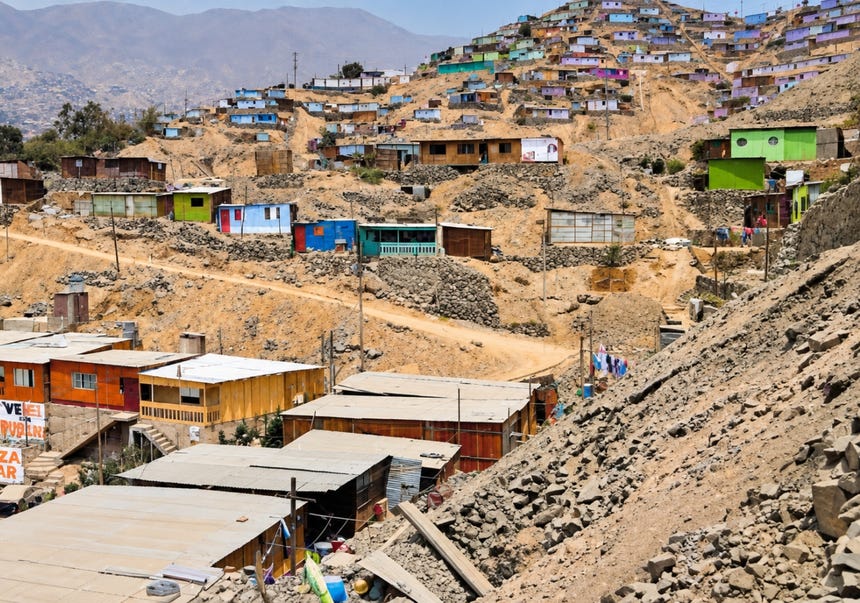
The impact of heat does not stop at the "office" door. Many informal workers reside in precarious housing—structures built with materials that absorb and retain heat, often lacking adequate ventilation. When a worker returns home after a sweltering day, the heat persists, preventing proper rest and recovery. This "double exposure"—at work and at home—compounds the long-term health risks and diminishes the capacity to return to work the following day.
3. The Burden of Care
Extreme heat triggers health issues that disproportionately affect children and the elderly. In the absence of accessible public health infrastructure or affordable childcare, the burden of care falls on household members—most frequently women. Faced with an ill family member and no state support, these workers are forced to suspend their income-generating activities to provide care, further eroding household finances.
Implications: A Call for Structural Reform
The OECD argues that the traditional "regulatory" approach to labor is fundamentally insufficient. Raising the minimum wage or mandating breaks is ineffective if the worker is a street vendor or a self-employed laborer who has no boss to enforce these rules. Instead, the response must shift toward systemic, infrastructure-led, and social protection solutions.
Infrastructure Interventions
The report highlights "cool roofs"—the use of highly reflective, white paint on low-income housing—as a cost-effective method to reduce indoor temperatures by as much as 91%. Furthermore, urban planners are urged to create "shade zones" and public hydration stations in high-traffic market areas to mitigate the immediate physical stress on workers.
Social Protection: Parametric Insurance
Perhaps the most innovative proposal is the adoption of parametric climate insurance. Unlike traditional insurance, which requires a lengthy claims process, parametric insurance pays out automatically when a specific climate threshold is met (e.g., temperatures exceeding a certain degree for three consecutive days). This would provide a guaranteed "floor" of income for independent workers during the most dangerous periods of the year.
Community Health Networks
The OECD recommends strengthening community-led health responses. This includes the establishment of localized "cooling centers" where vulnerable populations can escape the heat, and the professionalization of community health networks to manage heat-related illnesses before they require expensive, acute hospital care.
Conclusion: The Path Ahead
The red alert issued by SENAMHI is more than a weather warning; it is a wake-up call for the Peruvian economy. The data provided by the OECD paints a sobering picture of a workforce caught in a climate-driven squeeze. If the goal of the Peruvian state is to continue its path toward OECD membership and modernization, it must address the vulnerability of its informal sector.
Protecting the informal worker from the effects of climate change is not merely a matter of social justice; it is an economic imperative. By investing in resilient infrastructure and flexible social safety nets, Peru can protect the productivity of the millions who form the backbone of its economy, ensuring that when the temperatures rise, the country’s economic future does not go up in smoke.
The climate crisis is here to stay until at least 2027. The question remains whether the government’s response will be as dynamic and persistent as the heat itself, or if the most vulnerable will be left to weather the storm—and the sun—alone.