Lima, Peru – May 24, 2024 – Southern Peru Copper Corporation (SPCC), a cornerstone of Peru’s vital mining sector, has submitted a comprehensive proposal to the National Environmental Certification Service (Senace) outlining a series of critical upgrades and expansions for its Toquepala mining unit in Tacna. The ambitious plan, detailed in the Fifth Technical Sustaining Report (ITS), encompasses eight distinct modifications to operational processes and infrastructure, collectively representing a substantial investment of approximately US$471.09 million. This strategic initiative aims to bolster efficiency, extend operational life, and ensure the continued robust production of copper, a metal essential for global energy transition and technological advancement.
The Toquepala mine, a significant contributor to Peru’s economy, has demonstrated consistent performance, producing an estimated 113,700 tons of copper in the first half of 2026, with 58,400 tons in the first quarter and 55,300 tons in the second. The proposed enhancements are designed to sustain and potentially increase these output levels in the coming years, solidifying SPCC’s position as a leading copper producer.
Strategic Investments for Enhanced Capacity and Efficiency
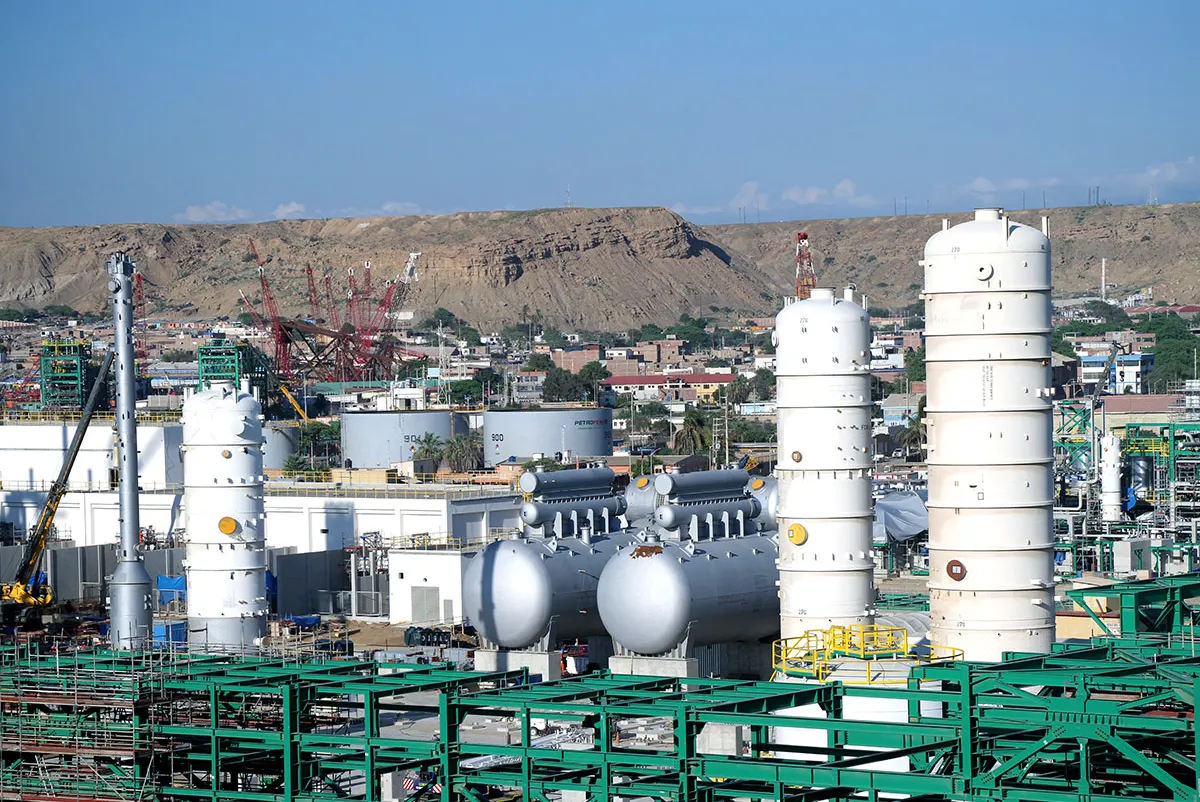
The lion’s share of the proposed investment, a staggering US$396.5 million (84.2% of the total), is earmarked for the crucial expansion of the Quebrada Honda tailings storage facility. This significant allocation will facilitate the raising of the dam’s crest from its current elevation of 1,246.5 meters to 1,256.5 meters above sea level. This ten-meter increase is vital for expanding the facility’s storage capacity for mine tailings – the residual waste material generated during the copper extraction process. Such an expansion is paramount for ensuring the long-term viability of the Toquepala operation, providing the necessary buffer to accommodate processed material and maintain current processing rates for years to come.
Beyond the structural expansion of the tailings facility, SPCC is also dedicating approximately US$4.56 million to implement operational improvements within the Quebrada Honda site itself. These enhancements include the deployment of a dredging system in Poza 3 to effectively remove accumulated solids, thereby optimizing the facility’s operational footprint. Furthermore, the company plans to enhance the efficiency of recovered water pumping in Area 2101A and introduce a thickener system for slurries in Sector 2800. These measures are strategically designed to maximize water recovery and significantly reduce the mine’s reliance on fresh water, a critical consideration in water-scarce regions and a testament to SPCC’s commitment to sustainable water management practices.
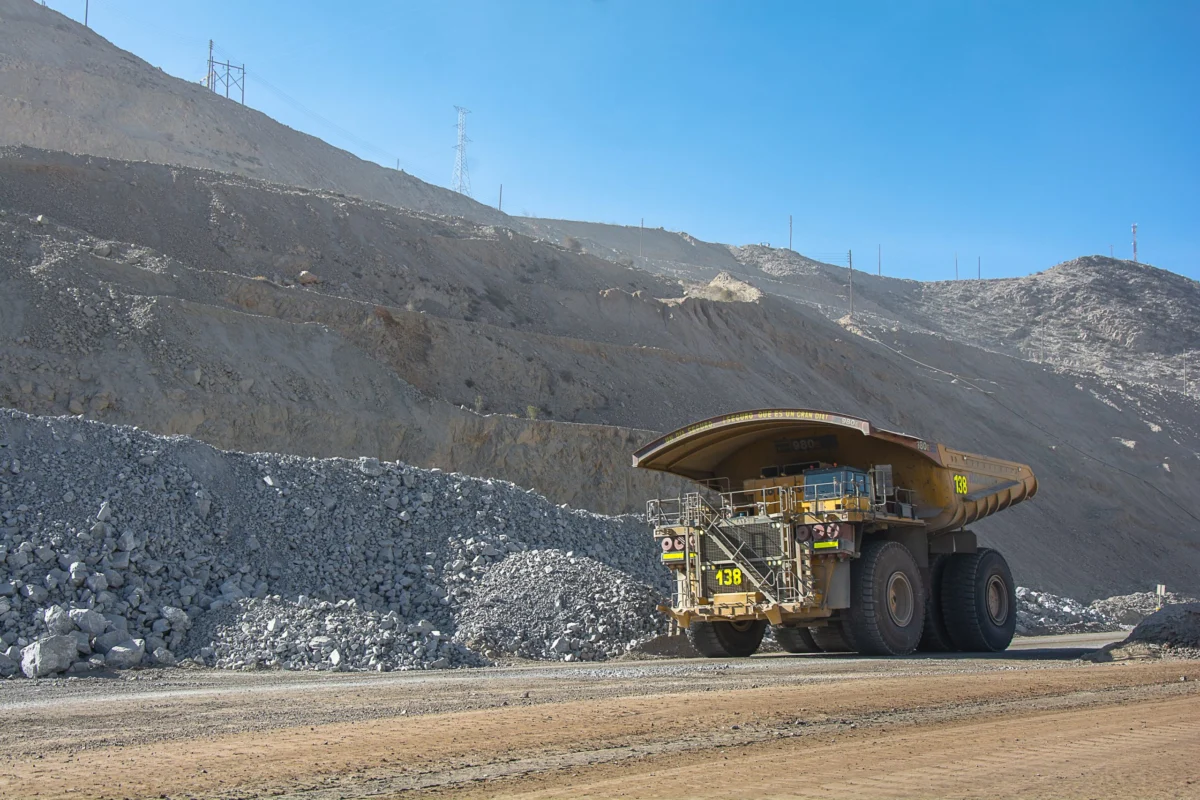
The second largest component of the proposed investment, amounting to US$52.49 million, will be directed towards the expansion of the East waste dump. This project involves increasing the dump’s area from 484.8 hectares to 500.9 hectares, an addition of 16.1 hectares. This expansion is crucial for accommodating the growing volume of sterile material – rock and earth that does not contain economically viable quantities of copper – generated during mining operations. By increasing storage capacity, SPCC aims to optimize material handling logistics, reduce haulage distances for overburden removal, and ensure a continuous flow of ore to the processing plant.
Addressing Operational Bottlenecks and Improving Worker Conditions
The remaining proposed interventions, while individually smaller in financial scope, are equally vital in addressing operational bottlenecks and enhancing the overall efficiency and safety of the Toquepala operation. A total of US$5.61 million will be invested in constructing a covered storage area for spare components, ensuring their protection from environmental degradation and facilitating easier access.
To address domestic waste management needs and improve living conditions for employees, US$5.37 million will be allocated to a new wastewater treatment plant for the Villa Staff camp. This investment underscores SPCC’s commitment to the well-being of its workforce and the surrounding environment.
Furthermore, the company plans to expand the geological core storage facility with an investment of US$3.95 million. This expansion will provide more space for preserving valuable geological samples, which are critical for ongoing exploration and resource evaluation.
In a significant move to enhance maintenance capabilities and worker safety, US$2.41 million will be invested in modernizing the maintenance workshop. This upgrade includes the creation of a dust-free environment, a crucial factor for precision work and employee health, and the installation of a three-ton hoisting system to improve the efficiency and safety of heavy equipment maintenance.
Within the Concentrator Plant 2, the proposal includes the installation of new sanitary facilities, changing rooms, and dining areas in crucial operational zones such as tertiary crushing, grinding, flotation, and filtration. The existing facilities in these high-activity areas are reportedly insufficient to meet the needs of the current workforce, and these upgrades are designed to improve comfort, hygiene, and overall operational efficiency.
Southern Peru’s Broader Investment Horizon: A Portfolio Exceeding US$8.2 Billion
The submission of the Fifth ITS for Toquepala aligns with Southern Peru Copper Corporation’s broader strategic vision and significant ongoing investment commitments in Peru. The company currently boasts a formidable project pipeline valued at over US$8.2 billion, slated for development through 2033. This extensive portfolio includes several large-scale projects, each poised to contribute significantly to Peru’s mining output and economic development.
Key projects within this robust pipeline include:
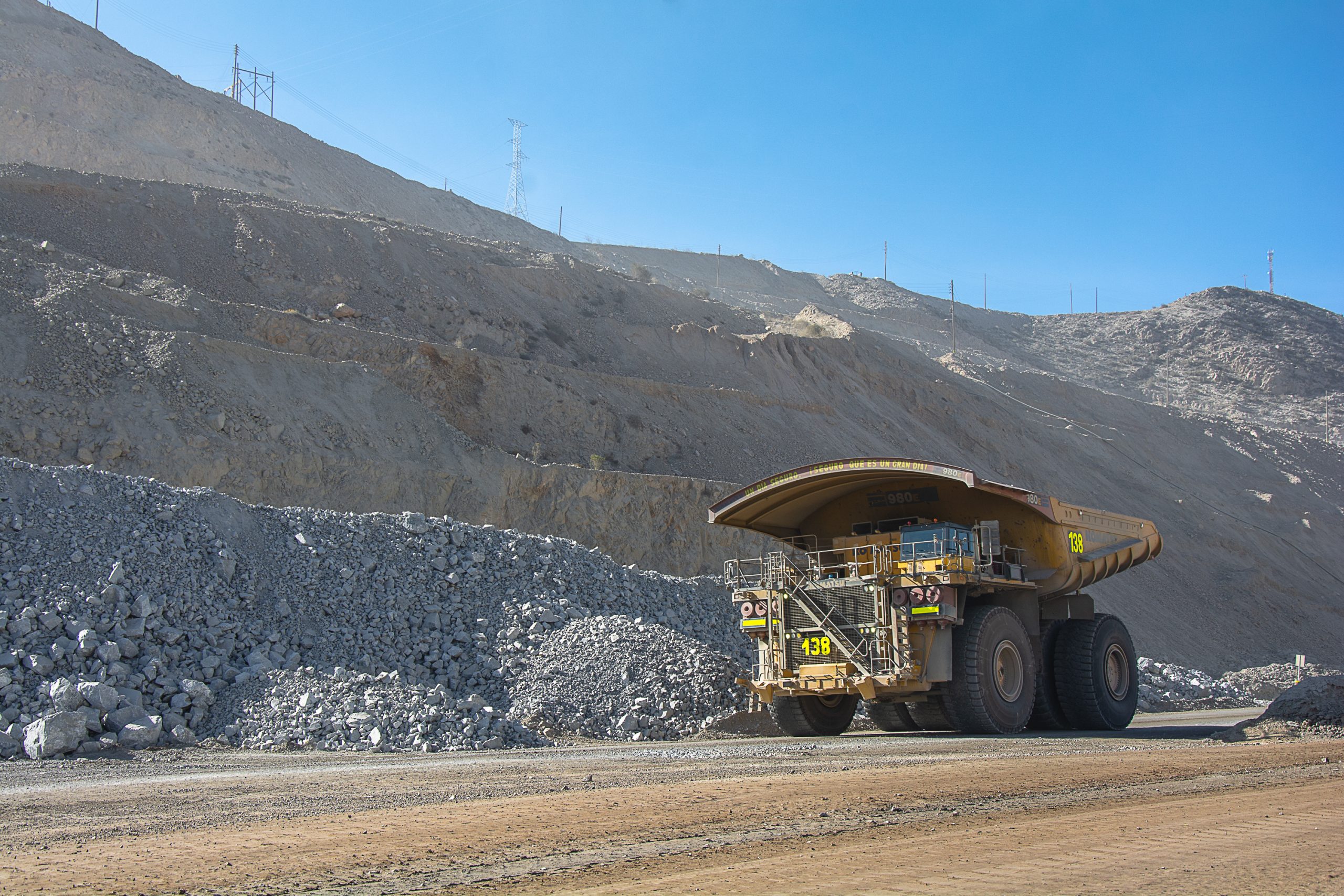
- Tía María: Located in Arequipa, this copper project is the most advanced in SPCC’s portfolio, with over 47% completion and more than US$700 million already invested. Production is anticipated to commence by the end of 2027, with a projected annual capacity of 120,000 tons of copper cathodes. The project has faced environmental and social challenges in the past, but its progress indicates a path forward.
- Los Chancas: Situated in Apurímac, this project’s development has been hampered by the persistent presence of illegal miners within its designated operational area. Addressing this issue remains a critical hurdle for the advancement of Los Chancas.
- Michiquillay: This project is located in Cajamarca, a region known for its rich mineral deposits. The development of Michiquillay represents a significant future investment in the northern part of the country.
- Expansion of the Ilo Smelter: In Moquegua, SPCC plans to expand its existing copper smelter in Ilo. This expansion is crucial for increasing the country’s smelting capacity and processing a greater volume of domestically produced copper concentrate.
Chronology of Development and Regulatory Review
The submission of the Fifth Technical Sustaining Report (ITS) to Senace marks a significant milestone in the ongoing development and operational optimization of the Toquepala mine. This report is the culmination of extensive planning, engineering studies, and environmental impact assessments undertaken by Southern Peru Copper Corporation.
Key Timeline Points:
- Initial Project Conception & Environmental Studies: Prior to the ITS submission, SPCC would have conducted numerous feasibility studies, geological surveys, and preliminary environmental and social impact assessments to identify the need for these operational and infrastructural modifications.
- Development of the Fifth ITS: The detailed technical and financial proposals within the ITS would have been developed over an extended period, involving engineers, geologists, environmental specialists, and financial analysts.
- Submission to Senace: The formal submission of the Fifth ITS to Senace occurred recently, initiating the official review process.
- Senace Evaluation Period: Senace will now undertake a thorough evaluation of the ITS. This process typically involves reviewing the technical feasibility of the proposed modifications, assessing their potential environmental impacts, and ensuring compliance with all relevant Peruvian environmental and mining regulations. This phase may include requests for additional information or clarifications from SPCC.
- Public Consultation (Potentially): Depending on the nature and scale of the proposed modifications, Senace may initiate public consultation processes to gather feedback from local communities, stakeholders, and environmental organizations.
- Decision by Senace: Following its evaluation and any necessary consultations, Senace will issue a decision on whether to approve, approve with conditions, or reject the proposed ITS.
- Commencement of Works (Upon Approval): If approved, SPCC can then proceed with the tendering, procurement, and construction phases for the various projects outlined in the ITS.
The Toquepala mine itself has a long and storied history, commencing operations in the 1960s. Over the decades, it has undergone numerous expansions and upgrades to maintain its operational efficiency and adapt to evolving mining technologies and environmental standards. The current ITS represents the latest chapter in this ongoing evolution.
Supporting Data and Production Figures
The rationale behind Southern Peru Copper Corporation’s significant investment in Toquepala is underpinned by the mine’s historical performance and its strategic importance within the company’s broader portfolio. The figures provided illustrate a consistent and substantial contribution to Peru’s copper output.
- Copper Production (First Half 2026 – Estimated):
- Total: Approximately 113,700 tons
- First Quarter: 58,400 tons
- Second Quarter: 55,300 tons
- Investment Breakdown:
- Total Proposed Investment: US$471.09 million
- Quebrada Honda Tailings Facility Expansion: US$396.5 million (84.2% of total)
- Dam Crest Raise: 10 meters (from 1,246.5m to 1,256.5m above sea level)
- Quebrada Honda Operational Improvements: US$4.56 million
- Dredging system (Poza 3)
- Optimized water pumping (Area 2101A)
- Slurry thickening system (Sector 2800)
- East Waste Dump Expansion: US$52.49 million
- Area Increase: 16.1 hectares (from 484.8 ha to 500.9 ha)
- Auxiliary Improvements:
- Covered Component Storage: US$5.61 million
- Domestic Wastewater Treatment Plant (Villa Staff Camp): US$5.37 million
- Geological Core Storage Expansion: US$3.95 million
- Maintenance Workshop Modernization: US$2.41 million
- Overall Project Pipeline:
- Southern Peru’s total project portfolio in Peru: Over US$8.2 billion
- Projected completion timeline for the pipeline: Through 2033
These figures highlight the scale of the proposed investment and its direct correlation with enhancing the operational capacity and longevity of the Toquepala mine. The emphasis on expanding tailings and waste storage capacity is a common and necessary undertaking in large-scale mining operations to sustain production levels.
Official Responses and Regulatory Framework
The submission of the Fifth Technical Sustaining Report (ITS) to Senace is a critical step within Peru’s established environmental regulatory framework for mining projects. Senace, as the National Environmental Certification Service, plays a pivotal role in ensuring that mining activities are conducted in an environmentally responsible and sustainable manner.
Key Official Aspects:
- Senace’s Mandate: Senace is responsible for evaluating environmental impact assessments and technical sustaining reports for mining projects to ensure compliance with national environmental laws and regulations. Their role is to grant or deny environmental certifications based on the merits of the submitted documentation and potential impacts.
- The ITS Process: A Technical Sustaining Report (ITS) is a mechanism for mining companies to propose modifications or updates to their approved environmental management plans. These modifications can range from minor operational adjustments to significant expansions of infrastructure, as is the case with Toquepala. The ITS allows for a streamlined review process for changes that do not fundamentally alter the scope or impact of the original Environmental Impact Assessment (EIA).
- Public Participation: While the ITS process may involve less extensive public participation than an initial EIA, Senace often incorporates mechanisms for stakeholder engagement, especially when proposed changes could have significant local impacts. This ensures transparency and allows affected communities and environmental organizations to voice their concerns.
- Government Oversight: Beyond Senace, other government bodies, such as the Ministry of Energy and Mines (MINEM) and regional environmental authorities, also play roles in overseeing mining operations and enforcing regulations.
- Southern Peru’s Commitment: Southern Peru Copper Corporation, as a major player in the Peruvian mining industry, is accustomed to navigating these regulatory processes. Their proactive submission of the ITS demonstrates their commitment to operating within the legal and environmental framework established by the Peruvian government. The company’s history of investments and operational compliance suggests an understanding of the requirements for successful project execution.
The approval of this ITS by Senace will be a crucial indicator of the Peruvian government’s ongoing support for the mining sector and its commitment to facilitating responsible resource development.
Implications for the Copper Market and Regional Development
The proposed US$471.09 million investment in the Toquepala mine by Southern Peru Copper Corporation carries significant implications, both for the global copper market and for the regional economic landscape of Tacna and Peru as a whole.
Global Copper Market:
- Sustained Supply: The expansion and efficiency improvements at Toquepala are designed to ensure the continued robust production of copper. In a global market increasingly driven by demand for electrification, renewable energy infrastructure, and electric vehicles, a stable supply of copper is paramount. This investment contributes to meeting that demand and mitigating potential supply shortages.
- Price Stability: By reinforcing production capacity at a major mine, SPCC’s investment can contribute to greater price stability in the copper market, providing predictability for industrial consumers and investors alike.
- Competitive Landscape: As other major copper-producing nations face their own challenges, investments like this in Peru underscore the country’s importance as a reliable source of this critical metal, maintaining its competitive edge in the global market.
Regional and National Development:
- Economic Growth: The substantial investment will undoubtedly stimulate economic activity in the Tacna region. This includes job creation during the construction phase, as well as ongoing employment opportunities once the enhanced operations are fully implemented.
- Infrastructure Development: While not explicitly detailed as direct infrastructure projects for the public, the expansion of mine facilities often indirectly benefits surrounding areas through improved logistics and ancillary services.
- Tax Revenue and Royalties: Increased production and operational efficiency will translate into higher tax revenues and royalty payments for the Peruvian government, providing vital funds for public services and national development initiatives.
- Social Impact: SPCC’s commitment to improving worker conditions, such as the new wastewater treatment plant and upgraded workshop facilities, demonstrates a focus on the well-being of its workforce and the local communities indirectly impacted by the mine’s operations.
- Technological Advancement: The implementation of new technologies, such as the dredging system and optimized pumping, showcases SPCC’s adoption of modern mining practices, potentially setting benchmarks for other operations in the country.
The successful execution of this investment plan at Toquepala, coupled with the advancement of SPCC’s other major projects, underscores Peru’s enduring significance as a global mining powerhouse. It signals confidence in the country’s mining potential and its capacity to attract significant foreign investment, crucial for its continued economic prosperity and its role in supplying the world with essential raw materials.