Main Facts: The Current Currency Snapshot
As of Monday, October 5, the exchange rate in Peru remains anchored at S/3.44 per US dollar, according to the latest data provided by the Central Reserve Bank of Peru (BCRP). This figure represents a period of relative calm in the foreign exchange market, a welcome reprieve for both individual consumers and corporate entities navigating the complexities of a post-pandemic economic environment.
The stability of the Peruvian sol against the world’s primary reserve currency is not merely a statistical curiosity; it is a fundamental pillar of the country’s macroeconomic health. In a global economy often characterized by volatility—driven by geopolitical tensions, fluctuating commodity prices, and shifting interest rate policies—the ability of the BCRP to maintain a predictable exchange rate serves as a buffer against inflationary pressures and economic uncertainty.
Chronology: Navigating the Fluctuations
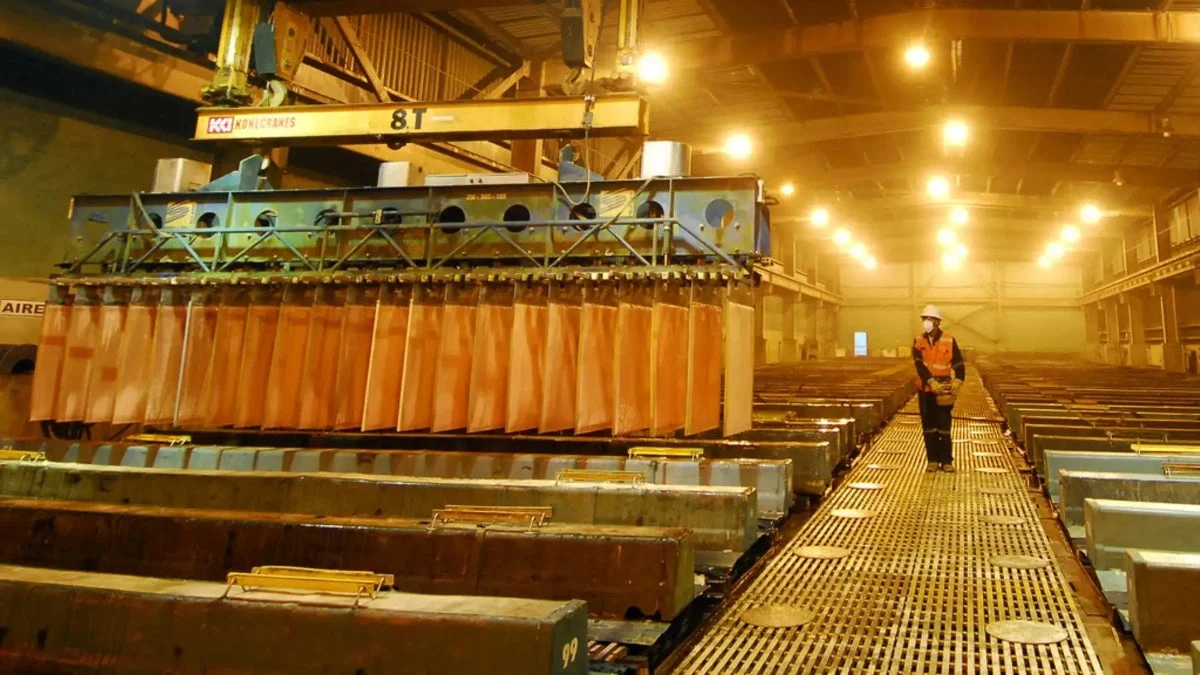
To understand the significance of the S/3.44 rate, one must look at the historical trajectory of the sol over the preceding quarters. The Peruvian currency has faced significant pressure at various intervals, influenced by internal political developments and external shocks, such as the volatility of copper prices—a critical export for Peru—and the shifting monetary policy of the United States Federal Reserve.
- Early Year Outlook: At the beginning of the fiscal year, the sol faced downward pressure as global markets reacted to inflationary surges. The BCRP intervened periodically to prevent speculative attacks, ensuring that the currency remained within a range that would not destabilize the local economy.
- Mid-Year Stabilization: By the second quarter, domestic reforms and a steadying of export revenues allowed the BCRP to adopt a less interventionist stance. This led to a period of consolidation where the exchange rate hovered consistently between S/3.40 and S/3.50.
- The Current Context (October 5): The current price of S/3.44 reflects a market that has priced in both the stability of domestic fiscal policy and the global strength of the dollar. Investors and local businesses are currently operating in a "wait-and-see" mode, awaiting further guidance on global interest rate adjustments.
Supporting Data: The Anatomy of the Dollar in Peru
The importance of the US dollar in Peru cannot be overstated. Unlike some economies that are almost entirely localized in their currency usage, Peru operates under a "bimonetary" system. This phenomenon, known as partial dollarization, is a legacy of periods of hyperinflation in the late 20th century, which led citizens to lose faith in the local currency and hold their assets in dollars.
Key Economic Indicators:
- Dollarized Credit: A significant portion of long-term debt in Peru—particularly mortgages and corporate loans—is denominated in US dollars. A sharp rise in the exchange rate can instantly increase the debt burden of middle-class families and small businesses.
- Import Dependency: Peru relies on the global market for essential goods, including fuel, wheat, and industrial machinery. Because these items are priced in dollars, a stable exchange rate acts as a price stabilizer for the average Peruvian consumer at the supermarket and the gas station.
- The Role of International Reserves: The BCRP manages one of the most robust portfolios of international reserves in Latin America. These reserves are the primary tool used to prevent "runaway" volatility, acting as a rainy-day fund that signals strength to international rating agencies.
Official Responses and Monetary Policy
The Central Reserve Bank of Peru (BCRP) has consistently maintained that its primary objective is the control of inflation, rather than the defense of a specific exchange rate. However, the bank acknowledges that the exchange rate is the most visible transmission mechanism for inflation.
In recent briefings, officials from the BCRP have highlighted the "equilibrium" approach. By allowing the market to determine the rate while stepping in only to curb extreme volatility, the bank has succeeded in maintaining investor confidence. This approach provides a "predictability premium," making Peru an attractive destination for foreign direct investment (FDI) compared to regional peers with more erratic currency regimes.
Furthermore, the Ministry of Economy and Finance (MEF) has emphasized that the current fiscal discipline—characterized by a reduction in the fiscal deficit—complements the BCRP’s monetary policy. When the government spends within its means, the pressure on the local currency to depreciate is significantly reduced.
Implications: How Stability Affects Your Wallet
The stability of the dollar at S/3.44 has profound implications for every level of society. Understanding these impacts is essential for sound financial planning.
For the Individual Consumer
When the exchange rate is stable, the psychological burden on consumers is lifted. Households can budget for recurring expenses—such as rent, car payments, or tuition fees—without the fear of a sudden "price shock" caused by currency devaluation. For those planning to travel or purchase imported goods, the predictability allows for better timing of expenditures.
For the Business Sector
Small and Medium-sized Enterprises (SMEs) are the most vulnerable to currency swings. A stable exchange rate allows these businesses to sign long-term supply contracts with international vendors with confidence. It eliminates the need for expensive hedging instruments that many smaller firms cannot afford, effectively leveling the playing field against larger corporations.
The Savings Dilemma
For many Peruvians, the question remains: "Should I save in Soles or Dollars?"
- Soles: Currently, the interest rates offered by local banks on sol-denominated savings accounts are relatively attractive, reflecting the stability of the currency.
- Dollars: Saving in dollars remains a hedge against long-term political risk, but it comes with the opportunity cost of lower interest rates compared to the local currency.
Strategic Outlook: Beyond the Current Rate
As we move forward into the final quarter of the year, several factors will dictate whether the S/3.44 rate holds. Global energy prices, the trajectory of the US economy, and the political climate within Peru will be the primary drivers.
The BCRP’s strategy remains one of vigilance. By maintaining transparency in their communication and providing clear signals to the market, the bank aims to keep inflation within the target range of 1% to 3%. For the average citizen, this means that while the dollar is a constant companion in the Peruvian economy, the risk of it becoming a source of financial chaos is currently being managed effectively.
Conclusion: Informed Financial Decisions
Knowledge is the best defense against economic uncertainty. Understanding that the dollar is not just a currency but a tool for financial planning allows individuals to make better decisions. Whether one is considering a mortgage, starting a business, or simply managing household savings, the current stability provided by the BCRP offers a window of opportunity.
As the market continues to evolve, staying informed through official channels like the BCRP and credible financial analysis remains paramount. The current exchange rate of S/3.44 is more than a number; it is a testament to the resilience of the Peruvian economy and a call for continued prudence in financial management. By keeping a close watch on these economic variables, Peruvians can ensure that their personal finances remain protected, regardless of the winds of global change.