By Technology Desk
Updated: October 2026
In a move that has sent shockwaves through the consumer electronics and artificial intelligence sectors, Meta has officially unveiled its most daring hardware project to date: Muse Charm. Announced during the keynote address at the Meta Connect 2026 conference, this compact, handheld device represents a fundamental shift in how users interact with artificial intelligence, moving away from the screen-heavy paradigms of smartphones and towards a more ambient, dedicated AI experience.
While Meta has previously focused its hardware efforts on the metaverse and smart eyewear, Muse Charm strikes a different chord. It is a device that marries the nostalgic, tactile appeal of the 1990s Tamagotchi with the raw, agentic power of modern large language models. As Meta’s CEO Mark Zuckerberg took the stage, he positioned the device not merely as a gadget, but as an “AI companion for the real world.”
Main Facts: What is the Muse Charm?
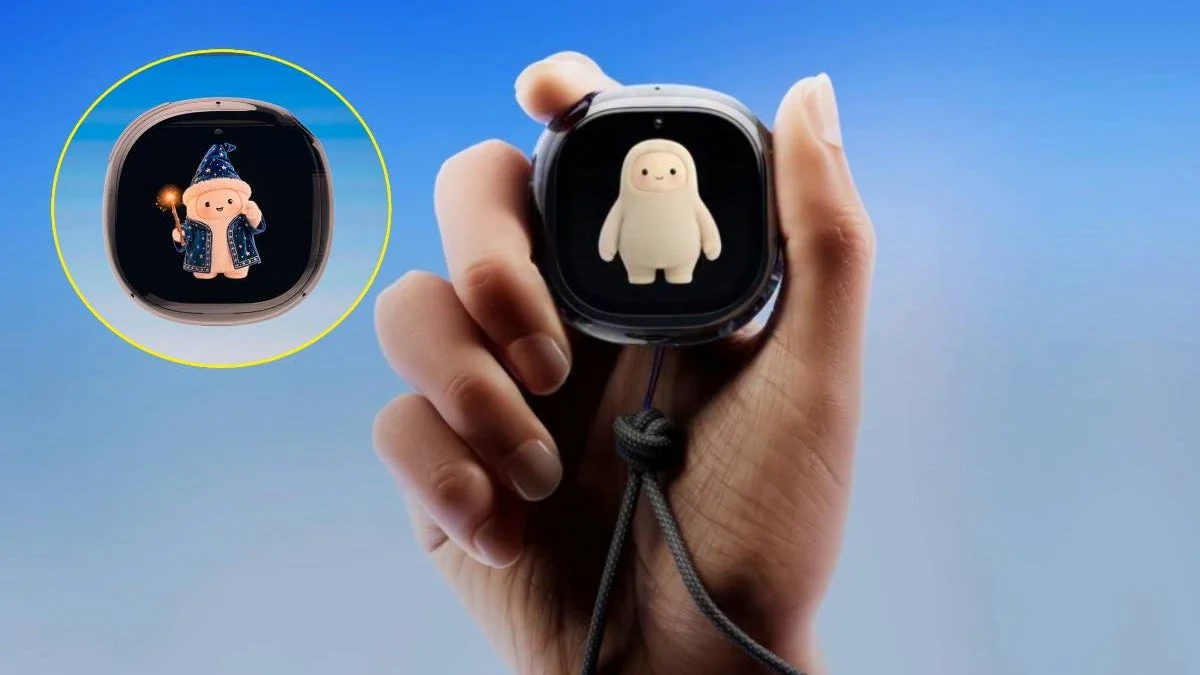
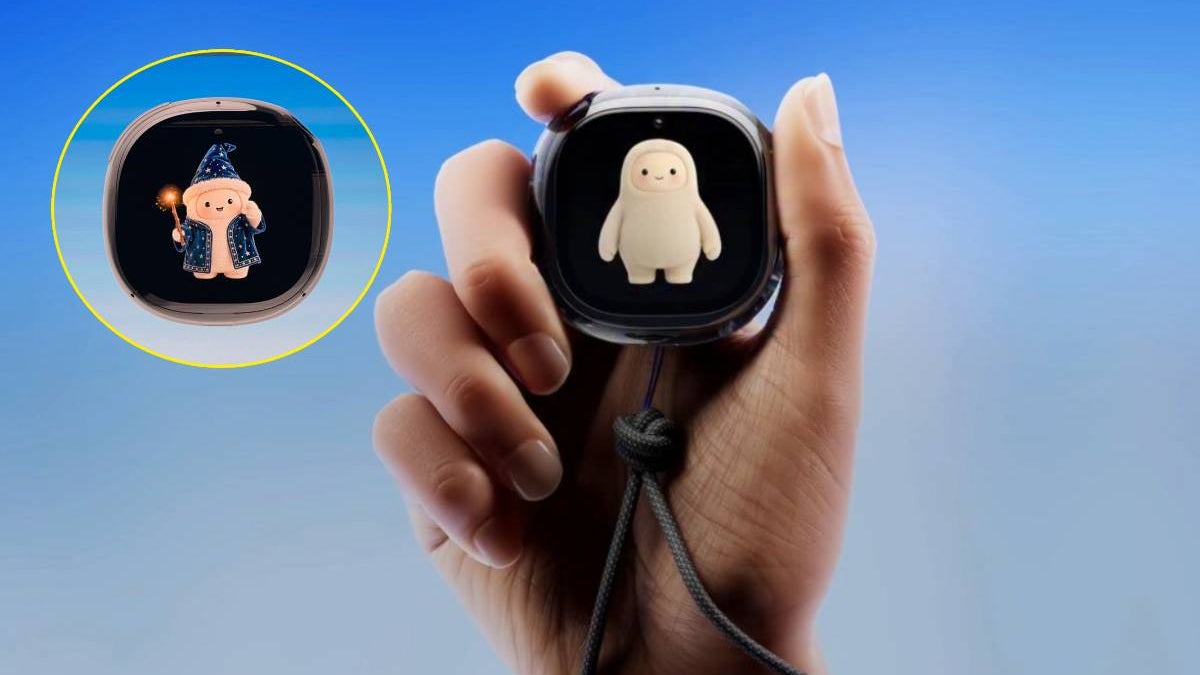
The Muse Charm is a miniaturized, standalone hardware device, roughly the size of a standard keychain fob. Despite its diminutive stature, it serves as the physical vessel for "Muse," Meta’s proprietary generative AI agent.
Core Specifications and Functionality
- Standalone Operation: Unlike previous AI-integrated hardware that required a tethered smartphone connection or heavy cloud-based latency, the Muse Charm is designed to function independently. It utilizes a highly optimized local-and-cloud hybrid architecture.
- The Interface: The device features a small, high-resolution display reminiscent of retro digital pets, but instead of caring for a pixelated creature, the user interacts directly with the Muse avatar.
- Voice and Visual Processing: Meta has managed to pack its entire “Muse stack” into the device, including advanced voice processing and real-time avatar animation.
- Agentic Capabilities: The device is not just a chatbot. Meta emphasizes its “agentic” nature, meaning Muse can evaluate a user’s request, determine the necessary tools to fulfill it, browse the live web, and execute multi-step tasks—such as booking a flight, scheduling a medical appointment, or managing administrative paperwork—without human intervention.
“This is the fastest way to talk to Muse,” Zuckerberg stated during his presentation. “Outside of our smart glasses, this represents the most frictionless interface for intelligence we have ever built.”
Chronology: From Concept to Reality
The journey to Muse Charm was not an overnight success but the culmination of years of iterative development within Meta’s Reality Labs and the Fundamental AI Research (FAIR) team.
The Roadmap of Development
- Early 2024: Meta shifts its focus toward “Agentic AI,” moving beyond simple conversational LLMs toward models capable of taking actions on behalf of the user.
- Late 2025: Internal testing of the “Project Trinket” prototype begins. The goal is to provide AI access that doesn’t feel like "using a computer."
- Q1 2026: Meta refines the voice-to-avatar latency, achieving a conversational speed that mimics human interaction.
- September 2026 (Meta Connect): The official unveiling. Meta demonstrates the device’s ability to navigate complex travel websites to secure a flight booking, marking a significant milestone in agentic reliability.
The timing of the announcement aligns with Meta’s broader strategy to monetize its AI ecosystem. By introducing a dedicated hardware revenue stream, the company aims to diversify away from its reliance on ad-supported social media platforms.
Supporting Data: Why a Hardware Pivot?
Industry analysts suggest that Meta’s move into dedicated AI hardware is a direct response to the "app fatigue" experienced by smartphone users. According to internal reports and industry benchmarks, the average user spends less than 15% of their screen time on productive, AI-assisted tasks, with the remainder consumed by social scrolling and passive media.

The "Frictionless" Hypothesis
Meta’s research suggests that the primary barrier to AI adoption is the "unlock-and-launch" friction. By having a device that sits on a keychain or rests on a desk, the AI becomes an ambient utility.
- Performance Metrics: Meta claims that the Muse Charm reduces the time-to-query by 60% compared to launching a mobile app.
- Market Positioning: The device targets a demographic that values minimalism. By stripping away the distractions of the smartphone—no notifications, no social media feeds, no email clutter—Meta is banking on the success of "calm technology."
Official Responses and Strategic Vision
Meta has maintained a tight lid on the device’s manufacturing costs and final retail price, though sources close to the company suggest a "subsidized premium" model, where the hardware is sold at a modest margin to ensure mass-market penetration during the upcoming holiday season.
Mark Zuckerberg’s Perspective
During the post-keynote press briefing, Zuckerberg defended the necessity of the Muse Charm. "We believe that the future of computing isn’t just bigger screens; it’s about better, more portable, and more proactive intelligence. We are moving from AI that answers questions to AI that does work for you. Muse Charm is the realization of that mission."
Critics have raised concerns about the privacy implications of a device that is always "listening" for commands. Meta responded by noting that the device includes a physical "privacy shutter" for the microphone and utilizes edge-based processing for sensitive requests, ensuring that data is encrypted before it ever touches a Meta server.

Implications: A New Era for AI Hardware?
The introduction of the Muse Charm poses a significant challenge to both Apple and Google. By bypassing the smartphone ecosystem, Meta is attempting to create a new "platform" that it fully controls.
The Industry Shift
- Decline of the Smartphone-as-Center: If the Muse Charm succeeds, it could signal the beginning of a post-smartphone era where users carry multiple specialized, AI-driven devices rather than one "do-it-all" slab of glass.
- The Rise of Agentic Economies: If Muse can successfully navigate travel sites, perform banking tasks, and schedule life events, the digital economy will have to adapt. Companies will need to optimize their web interfaces not just for human users, but for AI agents that "read" and "act" on those pages.
- Societal Impact: Much like the Tamagotchi craze of the 90s, the Muse Charm could influence social dynamics. Meta is already exploring "shared experiences," where two Muse devices can interact or exchange information, potentially leading to a new form of AI-mediated social connectivity.
Risks and Challenges
Despite the excitement, several hurdles remain:
- Battery Life: Managing a power-hungry AI model in such a small form factor remains a significant engineering hurdle. Early reports indicate a battery life of roughly 8–10 hours of active use.
- Reliability: The "agentic" promise—that the AI can truly finish a task—is the most difficult aspect of the project. Should the AI fail to book a flight or make a critical error in a calendar entry, user trust could evaporate rapidly.
- Competitive Landscape: With competitors like OpenAI and Google developing their own hardware initiatives, Meta must ensure that the Muse ecosystem remains the most attractive for developers and users alike.
Conclusion: The Path Forward
As the holiday season approaches, all eyes will be on the launch of the Muse Charm. Meta has set the stage for a new form of digital companionship—one that is proactive, helpful, and perpetually by your side. Whether the Muse Charm becomes a staple of modern life or a cautionary tale of over-ambitious hardware, one thing is certain: the era of static AI is over. We have entered the era of the agent, and it is small enough to fit on your keyring.
The company has promised further updates in the coming weeks, including detailed regional availability and pre-order pricing. For now, the tech world waits to see if Meta’s bold, retro-inspired experiment will redefine our relationship with the machines that serve us.