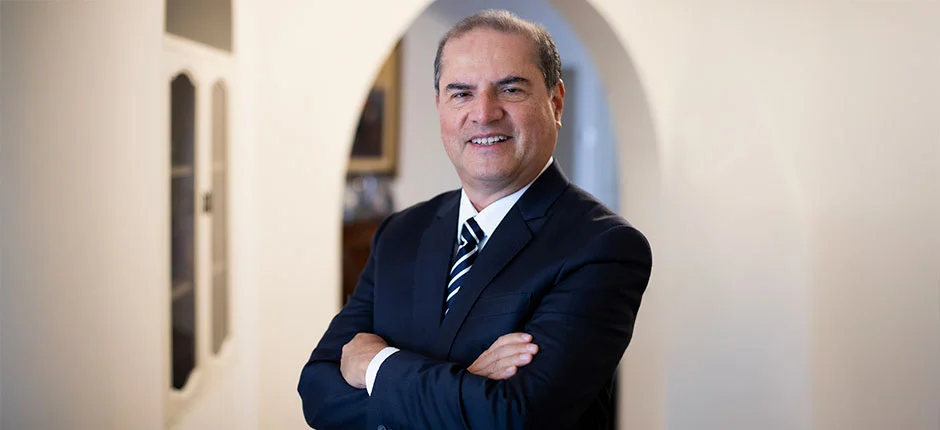
Lima, Peru – September 4, 2026 – In a significant move that signals a renewed focus on multilateral engagement, the Peruvian government, under the administration of President Keiko Fujimori, has officially announced the candidacy of former Minister of Foreign Affairs, Javier González-Olaechea, for the position of Director-General of the International Labour Organization (ILO) for the 2027–2032 term.
The announcement has garnered immediate and robust support from the private sector. The National Confederation of Private Business Institutions (CONFIEP), the leading umbrella organization for businesses in Peru, issued a formal statement endorsing the nomination, describing it as a pivotal opportunity to place a Peruvian at the helm of the United Nations’ oldest specialized agency.
The Significance of the Candidacy: A Global Stage for Peru
The position of Director-General of the ILO is one of the most influential roles in the global labor architecture. The organization, which oversees the implementation of labor standards across 187 member states, acts as the primary international forum for balancing the interests of governments, workers, and employers.
If successful, González-Olaechea would become the first Peruvian—and one of the few Latin Americans in history—to lead the Geneva-based body. For Peru, this is not merely a diplomatic exercise; it represents a strategic bid to influence the global discourse on labor formalization, the transition to green economies, and the challenges posed by artificial intelligence in the workplace.
“Javier González-Olaechea possesses the rare combination of high-level diplomatic expertise, a deep technical understanding of the ILO’s mechanisms, and an unwavering commitment to tripartite dialogue,” a spokesperson for the Ministry of Foreign Affairs noted during the official press briefing.
Chronology of a Diplomatic Pursuit
The journey toward this nomination did not occur in a vacuum. It is the culmination of months of behind-the-scenes alignment between the Peruvian executive branch and key international stakeholders.
- Early 2026: Informal consultations begin within the Peruvian diplomatic corps regarding the upcoming vacancy for the ILO’s top office.
- May 2026: The Peruvian government identifies the need for a candidate who possesses both domestic political weight and a strong international profile. Javier González-Olaechea, following his tenure as Chancellor, emerges as the consensus choice.
- July 2026: President Keiko Fujimori meets with representatives of the ILO Governing Body during a regional summit in Geneva to outline Peru’s vision for the future of international labor standards.
- August 2026: The Peruvian Cabinet formally approves the candidacy, citing the need for a “bridge-builder” in an increasingly polarized global labor environment.
- September 4, 2026: Official announcement of the candidacy, followed by the immediate endorsement from CONFIEP, marking the beginning of an aggressive international campaign.
Profile of a Candidate: Expertise and Experience
Javier González-Olaechea is widely recognized for his analytical rigor and his history of bridging the gap between state policy and the private sector. His resume, which includes extensive service in multilateral forums, makes him a formidable contender in the eyes of international observers.
Technical Proficiency
Unlike many political appointees, González-Olaechea has spent significant portions of his career working within the mechanics of international law and labor regulation. His understanding of the ILO’s "tripartite" structure—which requires the director to negotiate simultaneously with government representatives, labor unions, and employer associations—is considered his strongest asset.
Diplomatic Acumen
During his time as Minister of Foreign Affairs, González-Olaechea was credited with revitalizing Peru’s presence in global institutions. He managed complex negotiations regarding trade agreements and human rights compliance, often navigating conflicting interests with a neutral, data-driven approach. His supporters argue that this experience is exactly what the ILO needs to navigate the complexities of the 2027–2032 period.
The Role of the Private Sector: CONFIEP’s Stance
The endorsement from CONFIEP is critical, as it underscores a unified national front. In its official statement, the organization highlighted that the candidacy transcends local political divisions.
"We believe that the professional trajectory of Dr. González-Olaechea is the right fit for the challenges of the modern era," said a representative from CONFIEP. "The ILO needs a leader who understands that labor progress is inextricably linked to economic productivity and private sector sustainability. We call upon all sectors of our country—regardless of political orientation—to support this endeavor, as it elevates the reputation of Peru on the global stage."
This cross-sectoral support is intended to send a signal to the international community that the Peruvian government and its private sector are in alignment regarding the fundamental importance of labor reform and global competitiveness.
Implications for the ILO and the Global Labor Market
The 2027–2032 term will be a defining period for the ILO. The organization is currently grappling with several existential challenges that will define the future of work for generations to come.
1. The Digital Transformation and AI
The rapid integration of Artificial Intelligence into the workforce has created a need for new regulatory frameworks. A Director-General from a developing nation, such as Peru, could provide a more nuanced perspective on how AI affects emerging economies compared to the traditional, industrialized nations of the Global North.
2. The Informal Economy
In many parts of the world, particularly in Latin America, the majority of workers operate within the informal sector. González-Olaechea has long been an advocate for formalization, arguing that it is the only path toward long-term social security and poverty reduction. His leadership could pivot the ILO’s focus toward more practical, scalable models of formalization.
3. Strengthening Multilateralism
In an era of rising protectionism and geopolitical tension, the ILO is one of the few places where nations can still engage in constructive dialogue. A leader capable of maintaining neutrality while pushing for bold reforms is essential. Proponents of the Peruvian candidate suggest that his background as a diplomat makes him uniquely suited to navigate these high-stakes negotiations.
The Path Forward: Strategy and Challenges
The road to the ILO Director-General’s office is complex. The election process involves intensive lobbying, the building of regional coalitions, and the demonstration of "broad-based support" from both government and non-government sectors.
The Peruvian government has indicated that it will launch a global tour to meet with representatives from the 187 member states. The strategy will focus on emphasizing the importance of "inclusive growth" and the need for a leader who represents the interests of the Global South while maintaining the respect of the G7 nations.
Challenges remain, however. Other nations are expected to field their own candidates, and the ILO’s internal politics are notoriously opaque. The "tripartite" nature of the organization means that the candidate must convince not just governments, but also the major international trade unions and global employer federations.
Conclusion: A Turning Point for Peru
The nomination of Javier González-Olaechea is a bold step that reflects Peru’s ambition to move beyond regional politics and engage deeply in the architecture of global governance. By backing a candidate with a focus on dialogue, technical competence, and economic reality, the government is attempting to reposition the nation as a key architect of the future of work.
As the international community prepares for the 2027 election, all eyes will be on Lima. Whether or not the bid is successful, the process has already achieved one significant goal: it has sparked a national conversation about the role of Peru in the international arena and the necessity of aligning domestic economic interests with global labor standards.
For now, the focus shifts to the upcoming summits in Geneva and New York, where the diplomatic machinery will begin its work in earnest. With the full weight of the Peruvian government and the business sector behind him, González-Olaechea enters the race as a candidate with a distinct, modern vision for the world’s most important labor institution.