Introduction: A Commitment to Healthcare Equity
In the high-altitude province of Espinar, Cusco, the challenges of accessing specialized medical care are often exacerbated by geographic isolation and economic constraints. Addressing this critical gap, the mining company Antapaccay has successfully concluded the latest cycle of its flagship social initiative, "Transformando Vidas 2026" (Transforming Lives 2026). This program has provided life-changing medical interventions, diagnostics, and assistive technology to thirty individuals living in conditions of extreme vulnerability, reaffirming the company’s role as a catalyst for social development in its area of influence.
The program, which represents a significant investment of S/ 177,608, is not merely a charitable gesture but a structured effort to bridge the inequality gap in healthcare. By mobilizing medical specialists and providing custom-fitted biomedical equipment, Antapaccay has restored the autonomy and dignity of citizens who otherwise would have remained outside the reach of the national healthcare system.
Main Facts: A Comprehensive Healthcare Model
The "Transformando Vidas 2026" initiative is built upon a multi-disciplinary approach to public health. Unlike traditional medical campaigns that offer one-off consultations, this program follows a lifecycle approach: identification, diagnosis, specialized treatment, and the provision of long-term assistive equipment.
Key Highlights of the 2026 Cycle:
- Beneficiaries: 30 individuals identified as living in high-vulnerability conditions.
- Specialties Covered: Traumatology, Ophthalmology, Otorhinolaryngology, and Pediatrics.
- Collaborative Ecosystem: The program was executed in close coordination with the CFC (Comprehensive Family Care), the Hospital of Espinar, and OMAPED (Municipal Office for the Care of People with Disabilities).
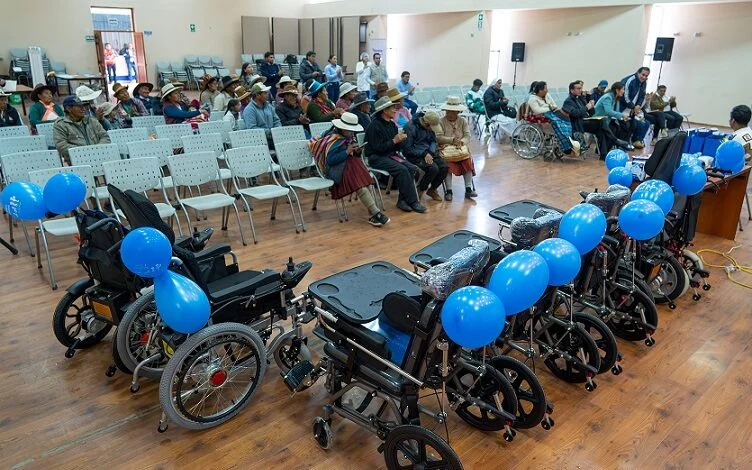
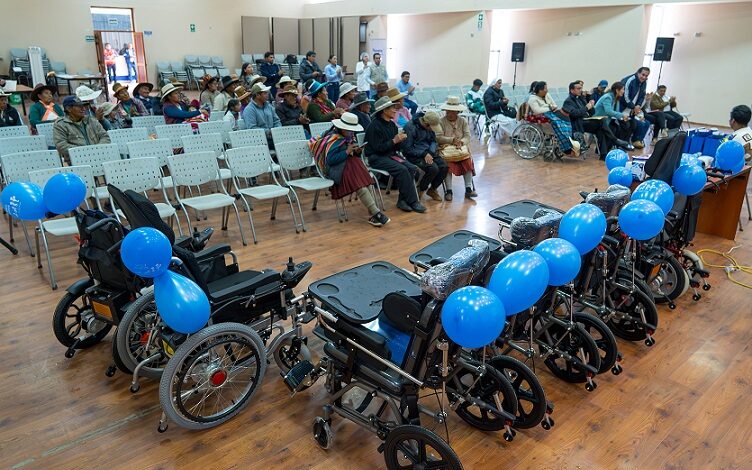
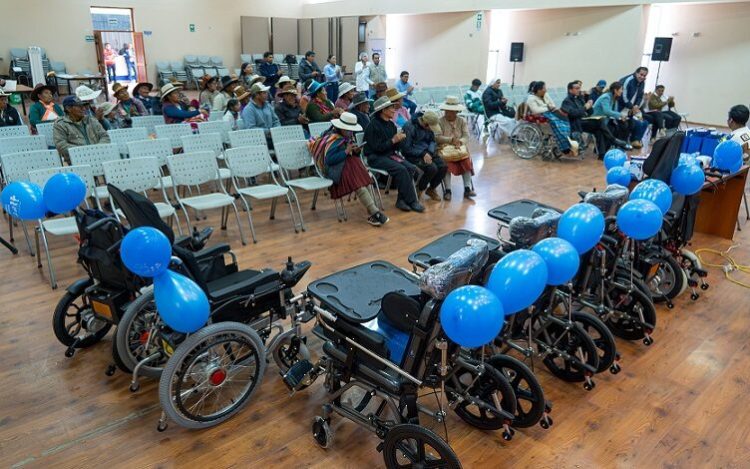
- Strategic Hub: The final stage of the program culminated at the Central de Recursos Educativos Especializados de Espinar (CREE), where patients received their personalized medical equipment.
- Financial Scope: A total investment of S/ 177,608, ensuring that both the professional medical services and the physical devices were provided at no cost to the participants.
Chronology: From Identification to Empowerment
The success of such a complex program requires meticulous planning and execution. The 2026 cycle followed a rigorous timeline to ensure that the most deserving and needy individuals were reached.
Phase 1: Institutional Articulation (Early 2026)
Before the first patient was seen, Antapaccay’s social management team spent months building a network of institutional support. Recognizing that the company cannot act as a healthcare provider in isolation, they established formal partnerships with regional health authorities and municipal entities like OMAPED. This ensured that the selection process was transparent and prioritized those with the most urgent medical needs.
Phase 2: Diagnostic and Specialized Care (Mid-2026)
Once the beneficiaries were identified, they underwent a series of specialized diagnostic evaluations. Depending on the complexity of their conditions, patients were transported to specialized medical facilities in both Espinar and the city of Cusco. This phase was crucial for determining the specific medical devices—such as specialized wheelchairs, visual aids, or hearing devices—required to improve each individual’s daily life.
Phase 3: Delivery and Rehabilitation (Q4 2026)
The culmination of the project took place at the CREE facility. Here, the focus shifted from clinical diagnosis to the integration of the patients back into their communities. By providing custom-fitted equipment, the program aimed to improve the mobility and sensory capabilities of the beneficiaries, thereby enhancing their quality of life and their ability to participate in social and economic activities.
Supporting Data: A History of Consistent Impact
Antapaccay’s commitment to healthcare is not a new development, but rather a continuation of a multi-year strategy. The 2026 iteration of "Transformando Vidas" stands on the foundation of previous successful interventions.
- Year-on-Year Continuity: In 2025, the program also assisted 30 individuals, providing a blueprint for the 2026 effort. By maintaining a steady annual commitment, the company has created a predictable support structure for the community.
- Evolution of Services: In years prior to 2025, Antapaccay focused on broad-spectrum medical campaigns. While effective at treating acute issues, the company evolved its model to address chronic and disability-related needs, which require higher investments but offer more permanent, life-altering results for the beneficiaries.
- Investment Efficiency: The consistent funding of over S/ 170,000 annually demonstrates a disciplined approach to CSR (Corporate Social Responsibility), where funds are directly allocated to tangible outcomes—specialized equipment and professional fees—rather than overhead or administrative bloat.
Official Responses: Voices of Leadership
The human impact of the program was summarized by Artemio Pérez, Senior Manager of Social Management at Antapaccay, during the closing ceremony at the CREE center.
"Today we are delighted to be together, delivering these biomedical devices to those who need them most in Espinar," said Pérez. "It has been a constant effort, from searching for the beneficiaries and coordinating with different institutions—such as the CFC, the Hospital of Espinar, and OMAPED—to culminating in this delivery, which fills us with emotion and commits us to continue working for the province of Espinar."
Pérez’s statement highlights a critical aspect of modern mining-community relations: the transition from "mining company as patron" to "mining company as institutional partner." By working with the Hospital of Espinar and OMAPED, Antapaccay is strengthening the existing public infrastructure rather than replacing it.
Implications: The Future of Mining and Regional Development
The success of "Transformando Vidas 2026" has profound implications for the future of the Espinar province and the mining sector in Peru.
1. Social License and Operational Sustainability
Antapaccay’s management is clear about the connection between community development and operational stability. The social license to operate in regions like Cusco is increasingly tied to the company’s ability to deliver tangible, long-term social benefits. As the company looks toward the future, the sustainability of these programs is inextricably linked to the ongoing viability of the mine.
2. The Role of the Coroccohuayco Project
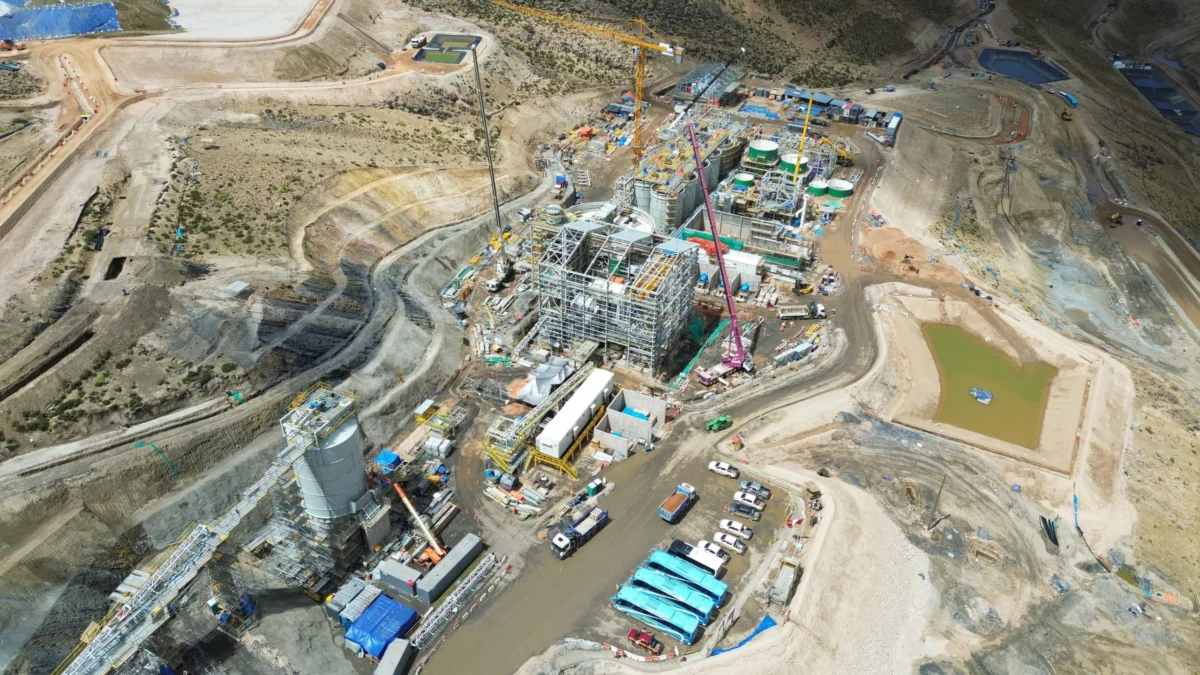
A pivotal point in the company’s long-term strategy is the development of the Coroccohuayco project. This initiative is essential to extending the life of the Antapaccay mine. The company views the success of social programs like "Transformando Vidas" as evidence of the positive externalities that mining projects bring to their host regions. The message is clear: the continued operation of the mine, and specifically the approval and development of new projects like Coroccohuayco, directly funds the social stability and health initiatives that the local population relies upon.
3. A Model for Integrated Healthcare
The "Transformando Vidas" model offers a blueprint for other extractive industries in Peru. By identifying the specific gaps in the public health system—such as the lack of specialized equipment or the difficulty of accessing specialized care in urban centers—and filling those gaps through private-public partnerships, companies can achieve higher impact with their social budgets.
Conclusion: Bridging the Gap
The "Transformando Vidas 2026" program is a microcosm of the potential for private enterprise to support human development. By ensuring that thirty of the most vulnerable members of the Espinar community are not left behind, Antapaccay is not just fulfilling a corporate social responsibility quota; it is demonstrating a long-term commitment to the people of the region.
As the program looks toward the future, the challenge will remain in scaling these efforts while ensuring the quality of care remains high. However, with a proven track record of consistency and a strategic link to the expansion of operations, Antapaccay is well-positioned to continue serving as a pillar of the Espinar community, proving that responsible mining can and should be a cornerstone of regional health and prosperity.
The images of the beneficiaries at the CREE facility, now equipped with the tools to live more independently, stand as a testament to the fact that when industrial operations prioritize the needs of their neighbors, the result is a more resilient, healthier, and more equitable society. The 2026 cycle is closed, but the impact of these thirty lives transformed will echo through the community for years to come.