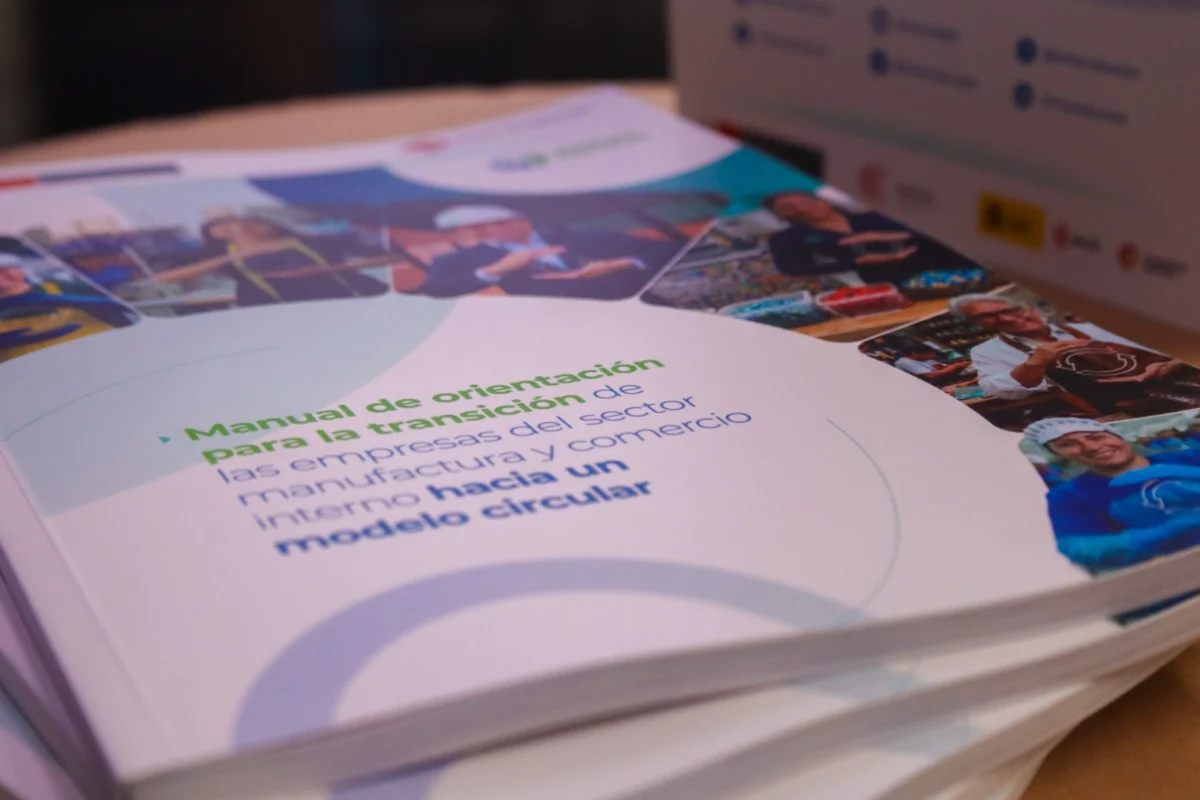
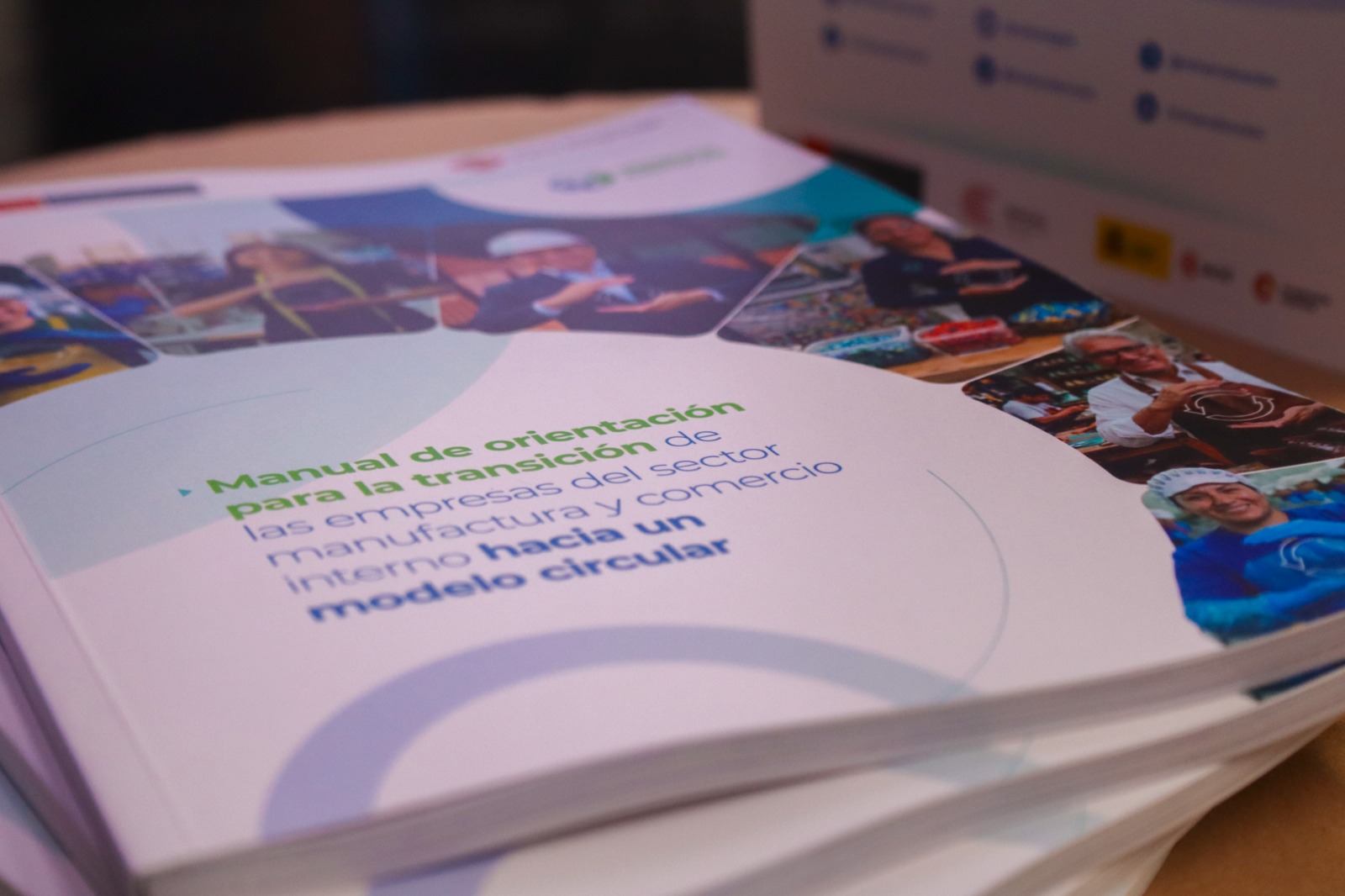
In a landmark move to modernize its industrial sector, the Peruvian Ministry of Production (PRODUCE) has officially unveiled the "Guidance Manual for the Transition of Manufacturing and Internal Trade Companies Toward a Circular Model." Approved under Ministerial Resolution N° 0349-2026-PRODUCE, this strategic document serves as a critical bridge between traditional linear production methods and the sustainable, resource-efficient future required by global markets and local ecological imperatives.
The launch represents a significant milestone in Peru’s ongoing commitment to sustainable development, aiming to transform how businesses view waste, resource consumption, and long-term profitability.
Main Facts: A Blueprint for Industrial Evolution
The manual is designed as an adaptable, practical toolkit for businesses of all sizes. Rather than imposing rigid mandates, it provides a flexible framework that allows enterprises to assess their current operational maturity—categorized as initial, developing, or mature—and chart a personalized course toward circularity.
At its core, the manual emphasizes that circularity is not merely an environmental obligation but a robust business strategy. By optimizing processes, companies can significantly reduce overhead costs associated with raw material procurement and waste management. The initiative encourages firms to pivot away from the "take-make-dispose" model toward one that prioritizes resource recovery, energy efficiency, and the extended lifespan of manufactured goods.
Key support mechanisms integrated into this transition include:
- Technical Assistance: Access to the Red CITE network to improve production standards.
- Financial Support: Funding opportunities through the ProInnóvate program.
- Digital Resources: Integration with the Mi Empresa Circular web portal for continuous monitoring and knowledge exchange.
Chronology: The Road to a Sustainable 2030
The introduction of this manual is not an isolated event but the latest step in a carefully orchestrated policy trajectory. The timeline of this transformation reflects a deep-seated government focus on long-term industrial competitiveness:
- 2025 – The Foundation: The publication of Supreme Decree N° 018-2025-PRODUCE established the "Roadmap for the Circular Economy of the Manufacturing Industry and Internal Trade to 2030." This decree set the legal and visionary groundwork for the sector’s evolution.
- Early 2026 – Capacity Building: Collaborative efforts between the National Institute of Quality (INACAL) and the Spanish Agency for International Development Cooperation (AECID) began focusing on strengthening the "quality infrastructure" required to support circular standards.
- October 2026 – Operational Implementation: The Ministry of Production officially releases the Guidance Manual, moving from high-level policy to actionable, ground-level implementation for Peruvian businesses.
- The Future (Post-2026): Ongoing adoption of ISO 59000 series standards will continue to align Peruvian manufacturing with international best practices, ensuring that local products remain competitive in an increasingly eco-conscious global market.
Supporting Data: The Nine Pillars of Circularity
To ensure the transition is comprehensive, the manual delineates nine distinct lines of action, providing a granular approach to operational change. These pillars are designed to touch every aspect of a business, from the design phase to end-of-life management:
- Circular Design: Rethinking products to be modular, durable, and easily recyclable from the outset.
- Circular Sourcing: Prioritizing the use of renewable or recovered materials.
- Sustainable Purchasing: Ensuring supply chains adhere to circular principles.
- Process Optimization: Utilizing technology to reduce water, energy, and raw material intensity.
- Industrial Symbiosis: Creating networks where the waste or byproduct of one industry becomes the input for another.
- Extension of Product Life: Focusing on repairability, remanufacturing, and refurbishment.
- Waste Valorization: Transforming waste streams into new revenue sources.
- Reverse Logistics: Establishing systems to retrieve products from consumers for recycling or repurposing.
- Regenerative Practices: Actively working to restore natural systems impacted by industrial operations.
Supporting these pillars are "six enabling conditions," which include strategic communication, the adoption of international certifications (ISO 59000 family), transparent consumer reporting, and access to specialized financing.
Official Responses: A Unified Vision for Growth
The launch event drew representatives from over 120 companies across diverse sectors—including textiles, food and beverage, metalworking, chemicals, and construction materials.
Eloy Durán Cervantes, the Deputy Minister of MYPE and Industry, underscored the transformative potential of the initiative. "This manual is about more than just waste reduction; it is about strengthening the profitability of our businesses. By generating higher value-added products, we are opening doors to new market opportunities that were previously untapped," said Durán.
He further emphasized the necessity of a multi-stakeholder approach. "To truly shift the needle, we must move beyond government mandates. We need a robust synergy between the private sector, academia, and international development partners. By leveraging the technological and financial capabilities of our collaborators, we can reduce the costs of environmental remediation while simultaneously boosting employment and national competitiveness."
The project, which was bolstered by international funding from AECID and technical expertise from INACAL, represents a successful model of how international cooperation can translate into tangible local economic improvements.
Implications: The Competitive Edge of Circularity
The implications of adopting this manual are profound for the Peruvian economy. In an era where ESG (Environmental, Social, and Governance) criteria are becoming prerequisites for international investment and trade, this manual provides Peruvian firms with a standardized, credible pathway to demonstrate their commitment to sustainability.
Impact on SMEs and Large Enterprises
For Small and Medium Enterprises (SMEs), which form the backbone of the Peruvian economy, the manual demystifies circularity. By breaking down the transition into manageable steps, it removes the "fear of the unknown" and provides a clear ROI for green investments. For larger corporations, the integration of ISO 59000 standards provides a framework to align with global supply chain demands, ensuring that Peruvian goods are not excluded from international markets that demand circularity documentation.
The Macroeconomic View
The move towards a circular economy directly addresses the "remediation cost" issue. By preventing pollution and waste at the source, the industry saves significant capital that would otherwise be spent on clean-up or regulatory fines. Furthermore, by fostering innovation in materials and logistics, the country is positioning itself as a hub for green manufacturing in the Andean region.
A Call to Action
The Ministry of Production has made the manual freely accessible via the official government portal. This accessibility signals the government’s intent to democratize industrial modernization, ensuring that the transition to a circular model is an inclusive process that benefits the entire national industrial ecosystem.
As Peru moves toward 2030, the success of this manual will be measured not just by the number of downloads, but by the tangible shifts in production metrics: lower energy consumption, higher utilization rates for recycled inputs, and the emergence of new, circular-focused businesses. The roadmap is set; the challenge now lies in the hands of the entrepreneurs and industrial leaders to turn these guidelines into a reality that secures both profit and the planet.