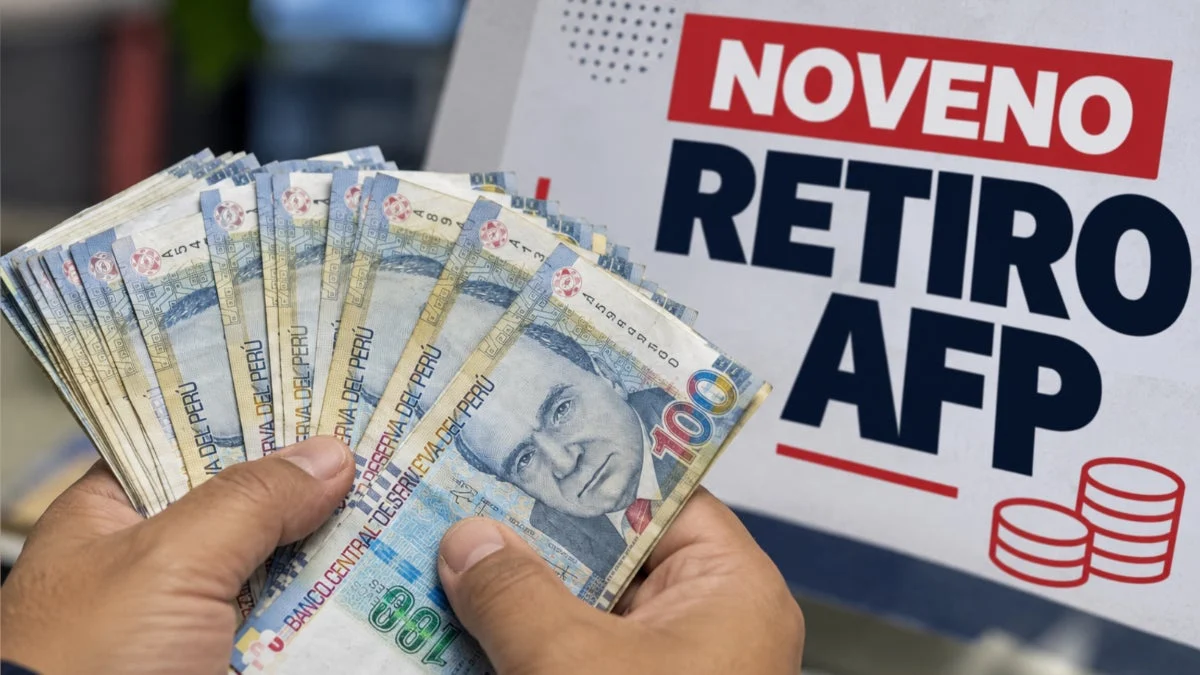
In a move that could reshape the landscape of the Peruvian pension system once again, a new legislative proposal has been introduced in Congress aiming to authorize an extraordinary, facultative withdrawal of up to 4 Tax Units (UIT) for affiliates of the Private Pension System (SPP). With the current UIT value set for 2026, this proposal would allow eligible citizens to access up to S/22,000 from their individual retirement accounts.
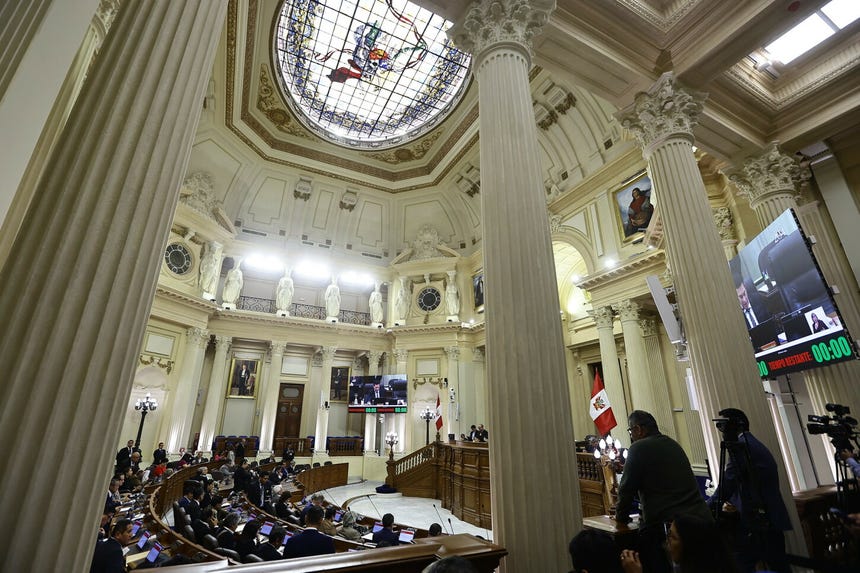
The initiative, championed by Congresswoman Catherine Palomino (Juntos por El Perú), arrives at a critical juncture for the Peruvian economy, citing the looming threat of the "Niño Costero" climate phenomenon as the primary justification for granting citizens immediate liquidity.
The Core Proposal: Mechanism and Eligibility
The proposed legislation seeks to create a specific, temporary exception to the overarching mandate established by the 2024 Pension Reform (Law 32123), which strictly prohibits the total or partial withdrawal of mandatory pension contributions. If passed, this would represent the ninth time such a measure has been enacted since 2020.
The Disbursement Schedule
To mitigate the potential shock to the financial markets and ensure orderly liquidity management by the Pension Fund Administrators (AFPs), the proposal mandates a staggered payment structure:
- Total Amount: Up to 4 UIT (S/22,000).
- Payment Intervals: The funds would be disbursed in installments of up to 1 UIT every 30 calendar days.
- Initial Disbursement: The first payment would be processed within 30 days following the formal submission of the application.
- Flexibility: The bill includes a "desistment clause," allowing an affiliate to halt subsequent disbursements by providing notice within the designated timeframe, a mechanism designed to offer participants control over their financial planning.
The window for applications would remain open for 90 calendar days following the enactment of the corresponding operating regulations by the Superintendency of Banking, Insurance, and Private Pension Funds (SBS).
Chronology of Pension Withdrawals (2020–2026)
The debate surrounding the "unlocking" of pension funds has been a persistent feature of Peruvian politics for over half a decade. The following timeline illustrates the evolution of these extraordinary measures:
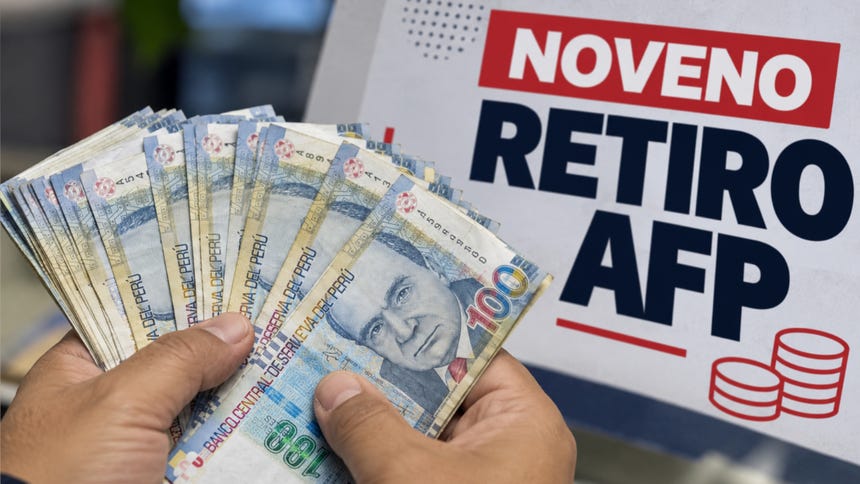
- 2020–2024: During this four-year period, the Peruvian government and Congress authorized eight distinct rounds of pension withdrawals in response to the COVID-19 pandemic and subsequent economic crises. Cumulatively, these measures resulted in the outflow of over S/115 billion from the SPP, leaving more than 7 million affiliates with empty or near-empty individual accounts.
- September 2025: The enactment of Law 32445 marked the eighth authorized withdrawal, allowing for another round of up to 4 UIT. This law served as a template for the current proposal put forward by Congresswoman Palomino.
- October 2026: The current proposal is introduced, citing the potential macroeconomic devastation of the "Niño Costero" as the primary catalyst for further intervention.
Supporting Data and Economic Context
The rationale behind the proposal is deeply rooted in the warnings issued by the Central Reserve Bank of Peru (BCR) regarding the fiscal and social impact of climate-related disasters.
Economic Vulnerability
According to the legislative exposition of motives, the "Niño Costero" is expected to cause significant volatility in the agricultural and fishing sectors—the pillars of the Peruvian economy. The BCR noted that in 2023, similar weather events stripped 1.1 percentage points from the annual GDP. The proposed bill argues that by allowing individuals to access their savings, households can better absorb shocks related to:
- Supply Chain Disruptions: Increased transport costs and logistics failures.
- Inflationary Pressure: Sharp spikes in food and basic commodity prices.
- Employment Instability: Potential layoffs or reduction in hours due to damaged infrastructure.
The Profitability of the AFPs
While the public debate focuses on the hardship of the families, the financial performance of the AFPs remains a point of contention. Data for the first eight months of 2026 indicates that the system remains highly profitable, with AFPs accumulating total earnings of S/354 million—an 18.4% increase compared to the previous year. AFP Integra and Prima AFP have led the market, each reporting profits exceeding S/100 million. Critics of the current pension model point to this data to argue that while the system remains solvent, the individuals who funded it are increasingly forced to treat their retirement savings as an emergency "emergency fund" rather than a long-term investment.
Official Responses and Institutional Resistance
The proposal faces significant headwinds from both economic analysts and fiscal authorities. The primary arguments against the bill are twofold: the erosion of long-term retirement security and the potential for long-term fiscal liability.
Impact on Retirement Security
The bill’s own authors acknowledge that the measure will directly reduce the capital available for future retirement. In a country where the population is aging, the reduction of long-term savings poses a significant challenge to the sustainability of the social security system. The "cashing out" of individual accounts effectively shifts the burden of future social welfare onto the state.
The Fiscal Contingency Argument
While the proponents of the bill claim there is "no direct or immediate public expenditure" because the money originates from private accounts, the legislative document acknowledges a "contingent fiscal impact." This refers to the state’s guarantee of minimum pension payments. If millions of citizens reach retirement age without sufficient funds in their accounts, the state will be legally obligated to cover the gap to provide a subsistence-level pension, effectively creating a future fiscal bomb for the Treasury.
Implications for the Future of the SPP
The introduction of this ninth withdrawal proposal highlights the ongoing tension between short-term survival and long-term financial stability in Peru.
The Breakdown of the "Pension Lock"
The 2024 Pension Reform was explicitly designed to solidify the "lock" on mandatory contributions, ensuring they would remain untouched until the age of retirement. By attempting to force yet another legislative exception, the current Congress is effectively testing the durability of that reform. If this bill passes, it would signal that in the Peruvian political culture, retirement savings remain a liquid asset available to the public whenever a national crisis occurs.
A Shifting Social Contract
The recurrent nature of these withdrawals suggests a fundamental shift in the social contract between the state and the worker. Many contributors no longer view the AFP system as a reliable mechanism for old-age security, but rather as a forced savings account that the government periodically permits them to access.
As the debate moves toward committee discussions, the focus will likely shift to whether the government can provide alternative relief measures—such as direct subsidies or credit facilities—that do not involve the permanent depletion of retirement assets. However, given the political popularity of these withdrawals, the path of least resistance remains the continued "cracking" of the pension system’s foundation.
For the average affiliate, the wait for a decision is tense. If approved, the process will require the SBS to draft new regulations, potentially delaying the first disbursements until early 2027. Until then, the proposal remains a symbol of the fragile balance between protecting the nation’s future economic stability and addressing the immediate, desperate needs of its citizens.