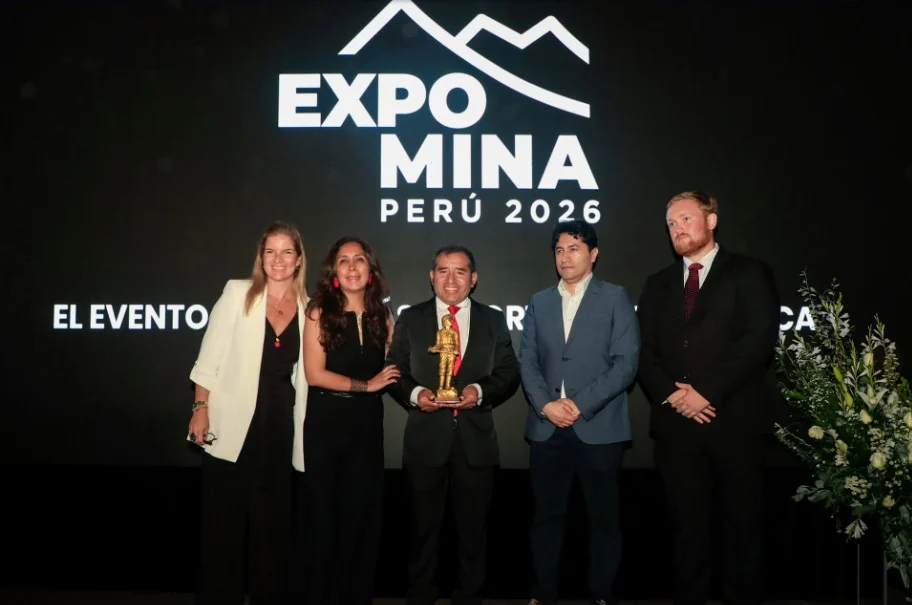
Pisco, Peru – In a significant stride towards environmental stewardship and sustainable development, Minsur, a leading mining company, has been spearheading a comprehensive initiative since 2023 to protect and restore the vital Pisco Playa-San Andrés wetland. This crucial ecosystem, spanning an impressive 387 hectares, plays an indispensable role in bolstering regional biodiversity and enhancing water resilience in the Pisco province. The project, lauded for its impactful results and collaborative approach, recently received an honorable mention at the prestigious Premio Legado de Expomina 2026, recognizing its contribution to generating sustainable value within the local territories.
Unveiling the Scope of Restoration: A Hands-On Approach to Ecological Recovery
The Minsur-led restoration efforts have yielded tangible and impressive outcomes, demonstrating a deep commitment to the ecological health of the Pisco Playa-San Andrés wetland. Through meticulous and targeted interventions, the project has successfully revitalized key areas within the ecosystem.
A substantial 16,000 square meters of wetland area have undergone direct restoration. This process likely involved the removal of invasive species, the replanting of native vegetation crucial for wetland health, and the reintroduction of natural hydrological flows. The careful selection and implementation of these techniques are paramount to ensuring the long-term viability and ecological integrity of the restored zones.
Furthermore, the project has focused on rehabilitating the water bodies that form the lifeblood of the wetland. Eight water bodies have been meticulously restored, signifying a commitment to re-establishing healthy aquatic environments. This likely involved clearing sedimentation, improving water quality, and ensuring appropriate water levels, all of which are critical for supporting the diverse flora and fauna that depend on these aquatic habitats.
Complementing the restoration of static water bodies, the initiative has also addressed the vital network of natural waterways. An impressive 1.6 kilometers of natural channels have been recuperated. These channels are essential for the natural movement of water, sediment, and nutrients throughout the wetland, playing a critical role in maintaining its ecological processes and connectivity. Their rehabilitation ensures that water can flow freely, supporting the entire wetland ecosystem and preventing stagnation.
Perhaps one of the most striking and scientifically significant achievements reported by Minsur is the rediscovery of the hummingbird damselfly ( Megaloprepus caeruleatus ) within the Pisco Playa-San Andrés wetland. This remarkable finding is particularly noteworthy as the company states that this species had not been previously reported in Peru. The presence of such a specialized and potentially rare insect is a strong indicator of the wetland’s recovering health and its capacity to support a rich and diverse array of life. The damselfly, known for its vibrant coloration and agile flight, serves as a beautiful and potent symbol of the success of the restoration efforts. Its re-establishment suggests that the delicate balance of the ecosystem, including its food sources and breeding grounds, is being effectively restored.
A Collaborative Endeavor: Forging Partnerships for Sustainable Impact
The profound success of the Pisco Playa-San Andrés wetland restoration project is not solely attributable to Minsur’s dedicated efforts; it is a testament to the power of robust collaboration and the shared vision of numerous stakeholders. The initiative is strategically spearheaded by the Social Management Area of the Fundación de Pisco, underscoring the project’s commitment to community engagement and long-term social benefit.
The project’s development has been meticulously coordinated with a broad spectrum of governmental and non-governmental organizations, creating a synergistic network dedicated to environmental protection. Key partners include:
- Municipalities of Pisco Province and San Andrés District: Their local governance and understanding of the regional context are invaluable. Their active participation ensures that the project aligns with local needs and priorities, fostering community buy-in and support.
- Autoridad Nacional del Agua (ANA) – National Water Authority: As the primary regulatory body for water resources in Peru, ANA’s involvement is crucial for ensuring compliance with water management policies and for providing technical expertise on hydrological aspects of the restoration.
- Servicio Nacional de Áreas Naturales Protegidas por el Estado (Sernanp) – National Service of Natural Protected Areas: Sernanp’s mandate to conserve Peru’s natural heritage makes them a vital partner in safeguarding the biodiversity of the Pisco Playa-San Andrés wetland, which likely falls under or is adjacent to areas of conservation interest.
- Servicio Nacional Forestal y de Fauna Silvestre (Serfor) – National Forest and Wildlife Service: Serfor’s expertise in forest and wildlife management contributes to the comprehensive conservation strategy, ensuring the protection of both plant and animal species within and around the wetland.
- Dirección General de Capitanías y Guardacostas (Dicapi) – General Directorate of Captaincies and Coast Guard: Dicapi’s role in maritime and coastal security and management is important, particularly if the wetland has any connection to coastal waters or navigation, ensuring responsible use of adjacent areas.
- German Cooperation (GIZ): The involvement of GIZ, a German development agency, signifies international support and the application of global best practices in environmental management and sustainable development. Their technical and financial contributions can significantly enhance the project’s scope and impact.
- ACOREMA (Asociación de Conservación de la Biodiversidad) – Biodiversity Conservation Association: As a dedicated conservation organization, ACOREMA likely brings specialized knowledge in ecological restoration, biodiversity monitoring, and community engagement strategies, further strengthening the project’s scientific and social dimensions.
- Grupo Aves del Perú – Birds of Peru Group: This specialized group’s involvement is particularly relevant given the importance of wetlands as critical habitats for avian species. Their expertise in ornithology can provide invaluable insights into bird populations, migration patterns, and the impact of restoration efforts on birdlife.
This multi-faceted collaboration creates a robust framework for the project, ensuring that a wide range of expertise, resources, and perspectives are integrated into the restoration process. It also fosters a sense of collective ownership and responsibility, which is crucial for the long-term sustainability of the Pisco Playa-San Andrés wetland.
Recognition and Validation: The Premio Legado de Expomina 2026
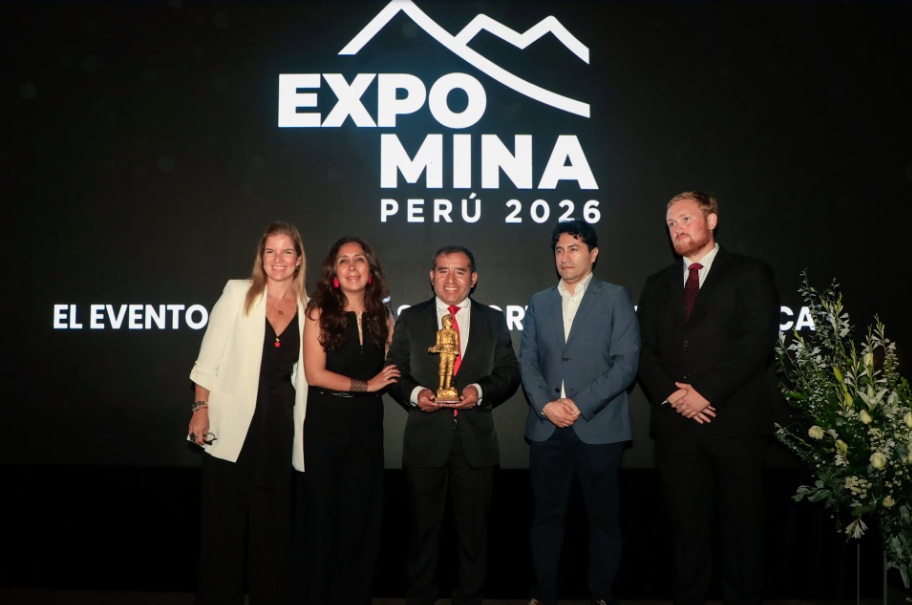
The significant achievements of the Pisco Playa-San Andrés wetland restoration project have not gone unnoticed. The initiative recently garnered an honorable mention at the Premio Legado de Expomina 2026. This prestigious award specifically recognizes projects that are intrinsically linked to the generation of sustainable value within the territories where they are implemented.
Receiving an honorable mention from such a renowned award signifies that Minsur’s project has been identified as a model of best practice, demonstrating a deep understanding of the interconnectedness between economic development, social well-being, and environmental preservation. The Expomina awards are a benchmark for excellence in the mining and related industries, and this recognition highlights Minsur’s commitment to responsible mining practices that extend beyond operational efficiency to encompass profound ecological and social benefits.
The award underscores the project’s success in not only restoring a critical natural resource but also in creating lasting positive impacts for the local communities and the broader region. It validates the collaborative approach taken and the tangible results achieved, positioning the Pisco Playa-San Andrés wetland restoration as a leading example of corporate social responsibility and environmental stewardship in Peru.
The Broader Implications: Biodiversity, Resilience, and a Sustainable Future
The restoration of the Pisco Playa-San Andrés wetland by Minsur carries profound implications that extend far beyond the immediate ecological recovery of the site. This initiative serves as a powerful beacon, illuminating the potential for synergistic development where industry and environmental preservation can not only coexist but actively enhance one another.
Biodiversity Enrichment: The successful rehabilitation of 16,000 m² of wetland, eight water bodies, and 1.6 km of natural channels has undoubtedly created a more hospitable and thriving environment for a multitude of species. The re-emergence of the hummingbird damselfly is a compelling indicator of this ecological resurgence. Wetlands are renowned biodiversity hotspots, supporting a complex web of life from microscopic organisms to large fauna. As the Pisco Playa-San Andrés wetland recovers, it is likely to attract and sustain a greater diversity of plant life, insects, amphibians, reptiles, fish, and a wide array of migratory and resident bird species. This increased biodiversity contributes to a more robust and resilient ecosystem, capable of withstanding environmental pressures and maintaining essential ecological functions.
Water Resilience and Security: Wetlands play a critical role in the water cycle. They act as natural sponges, absorbing excess rainwater and floodwaters, thereby mitigating the severity of floods downstream. Conversely, during dry periods, they release stored water, helping to maintain water levels in rivers and groundwater sources. The restoration of the Pisco Playa-San Andrés wetland, therefore, directly contributes to enhancing water resilience in the region. This is particularly significant in areas susceptible to drought or irregular rainfall patterns, ensuring a more stable and reliable water supply for both ecological needs and human consumption, agriculture, and industry. The improved water quality within the rehabilitated water bodies further adds to this resilience, providing cleaner water resources.
Climate Change Adaptation: In an era of increasing climate uncertainty, the role of healthy ecosystems in climate change adaptation cannot be overstated. Wetlands are vital carbon sinks, sequestering atmospheric carbon dioxide and storing it in their soils and vegetation. By restoring and protecting the Pisco Playa-San Andrés wetland, Minsur is contributing to the mitigation of climate change by enhancing its carbon sequestration capacity. Furthermore, the improved flood and drought regulation provided by a healthy wetland directly enhances the region’s resilience to the impacts of climate change, such as extreme weather events.
Community Well-being and Economic Opportunities: The Pisco Playa-San Andrés wetland is not merely an ecological asset; it is intrinsically linked to the livelihoods and well-being of the local communities. Traditional practices, such as fishing and the sustainable harvesting of certain plant resources, are often dependent on the health of these ecosystems. The restoration efforts can revitalize these traditional livelihoods, ensuring their long-term viability. Moreover, a thriving wetland can foster new economic opportunities, such as ecotourism. The presence of diverse wildlife, including the newly reported damselfly, can attract birdwatchers and nature enthusiasts, creating jobs in guiding, hospitality, and local craft production. The involvement of local communities in the restoration process, through employment and participation, also fosters a sense of ownership and stewardship, further ensuring the project’s sustainability.
A Model for Sustainable Development: The Pisco Playa-San Andrés wetland restoration project, championed by Minsur and executed in collaboration with a broad coalition of partners, serves as a compelling model for how extractive industries can contribute positively to environmental and social development. It demonstrates a commitment to moving beyond mere compliance and embracing a proactive approach to environmental stewardship. The recognition at the Premio Legado de Expomina 2026 further solidifies this standing, showcasing that economic success and ecological responsibility are not mutually exclusive but rather mutually reinforcing. This initiative sets a high bar for future projects, encouraging other organizations to adopt similar holistic and collaborative strategies that prioritize the long-term health of ecosystems and the prosperity of the communities that depend on them. The future of Pisco, and indeed many regions facing similar environmental challenges, looks brighter with such dedicated efforts towards ecological revival and sustainable progress.