Date: September 25, 2026
The Peruvian landscape is currently defined by a palpable sense of urgency. As the nation grapples with a multifaceted crisis involving escalating crime rates, the looming threat of the El Niño climate phenomenon, and a sluggish economic recovery, the private sector has issued a stern call to action. CONFIEP (Confederación Nacional de Instituciones Empresariales Privadas), the nation’s leading business confederation, has formally urged the Congress of the Republic to expedite the approval of legislative powers requested by the Executive Branch, emphasizing that the time for political posturing has long since passed.
Main Facts: The Demand for Executive Authority
The central issue at stake is the request for extraordinary legislative powers by the administration. For the business sector, this is not merely a bureaucratic preference but a survival mechanism for the national economy.
CONFIEP’s stance is unequivocal: the status quo is unsustainable. The organization argues that the Executive Branch requires specific, time-bound, and transparent legislative tools to bypass the gridlock that has stalled progress in critical areas. These areas include:
- Public Safety: A comprehensive overhaul of security policies to combat the rising tide of organized crime and urban delinquency that has paralyzed small and medium-sized enterprises (SMEs).
- Climate Resilience: Immediate funding and regulatory agility to mitigate the catastrophic potential of the El Niño phenomenon, which threatens infrastructure, agriculture, and lives.
- Economic Reactivation: A robust framework to incentivize private investment, restore investor confidence, and catalyze job creation in a stagnant labor market.
The confederation stresses that the requested powers must be "clear, delimited, and subject to control." They are not advocating for an unfettered mandate—a "blank check"—but rather a calibrated instrument that demands verifiable results and public accountability.
Chronology: A Trajectory of Stagnation
To understand the current urgency, one must look at the timeline of events that led to this impasse:
- Early 2026: Economic indicators began to signal a prolonged contraction. Investor confidence reached historic lows as political instability hampered long-term planning.
- May 2026: The onset of early climate warnings regarding the El Niño cycle placed the government under pressure to allocate budget and legal tools for preventative infrastructure.
- July 2026: Security concerns reached a boiling point, with urban crime rates hitting record highs, directly impacting the operations of thousands of businesses and the safety of the workforce.
- August 2026: The Executive Branch formally submitted a request for legislative powers to the Congress, seeking to bypass the legislative logjam to implement emergency decrees.
- September 2026: As congressional debates stalled due to partisan maneuvering, CONFIEP issued its latest, most forceful communique, highlighting the human and economic cost of continued inaction.
Supporting Data: The Human and Economic Cost
The urgency expressed by the business sector is rooted in hard data. The ripple effect of legislative inaction is felt acutely by the most vulnerable segments of the Peruvian population.
1. The Economic Contraction
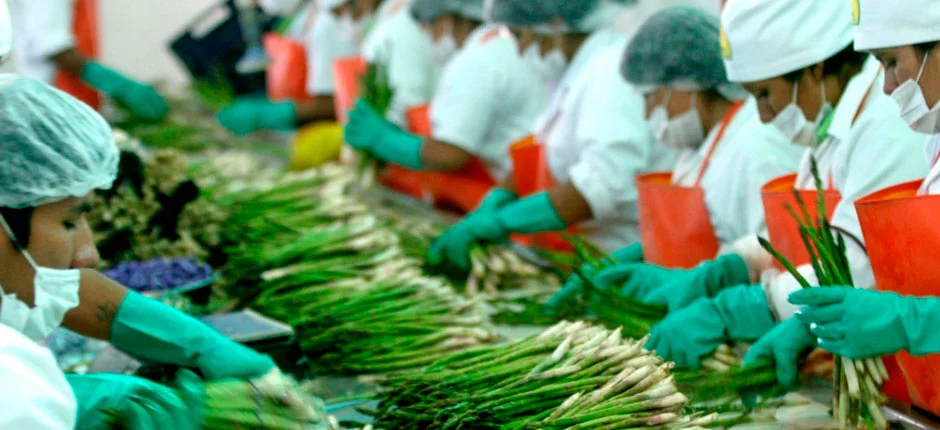
Recent reports indicate that the lack of public and private investment has led to a significant contraction in formal employment. Small and medium-sized enterprises, which represent the backbone of the Peruvian economy, are operating at reduced capacity due to the twin pressures of high inflation and physical security threats.
2. The Climate Risk Factor
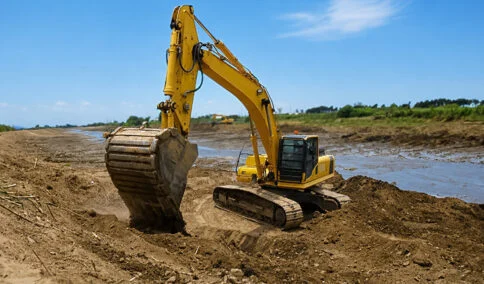
Meteorological data suggests that the next El Niño could exceed the intensity of the 2017 and 2023 events. Without the legislative authority to accelerate public works—such as riverbed dredging, road reinforcements, and drainage improvements—the country faces a potential catastrophe that could wipe out years of GDP growth in a matter of weeks.
3. The Security Gap
The rising tide of extortion targeting street vendors and local businesses has created a "tax" on survival. Data from the Chamber of Commerce reveals that a significant percentage of SMEs have considered closing permanently due to the inability of the state to guarantee basic security, leading to a rise in informal employment and a drop in tax revenue.
Official Responses and Political Friction
The call from CONFIEP has reignited the debate between the Executive and Legislative branches.
The Government’s Perspective: The Executive maintains that without these powers, the state is effectively paralyzed. They argue that the speed required to counter natural disasters and organized crime is incompatible with the standard legislative process, which often takes months to navigate through committee stages.
The Congressional Stance: Some factions within the Congress remain skeptical, citing concerns over the abuse of executive authority. They argue that the government has failed to provide a sufficiently detailed roadmap for how these powers would be used. They contend that any delegation of power must be accompanied by rigorous oversight mechanisms to prevent corruption or misuse of public funds.
The Business Sector’s Mediation: CONFIEP has positioned itself as a technical partner, offering to assist in the drafting of these measures to ensure they are both effective and transparent. By positioning themselves as a bridge, they hope to neutralize the "us vs. them" narrative that has characterized Peruvian politics in recent years.
Implications: The High Cost of Inaction
The failure to grant these powers—or, conversely, the failure of the government to use them effectively—carries profound implications for the future of the nation.
The Erosion of Trust
Should the deadlock continue, the primary casualty will be institutional trust. The public is increasingly disillusioned with the democratic process, viewing both the Executive and the Legislative branches as indifferent to their immediate needs. This erosion of faith is a precursor to social unrest and political volatility.
A Lost Decade?
Economists warn that Peru is at risk of falling into a "lost decade" of growth. Without decisive action to reform the investment climate and secure the country’s infrastructure, Peru will lose its competitive edge in the Andean region. Investors are already looking to more stable emerging markets, and once capital flight begins in earnest, it is notoriously difficult to reverse.
The Humanitarian Imperative
Beyond the balance sheets, there is a humanitarian dimension. Every day that the government remains stalled is a day that a small business owner is extorted, a day that a vulnerable family remains unprotected from the looming floods, and a day that a worker remains without formal, protected employment. The "cálculos políticos" (political calculations) that CONFIEP condemns are, in reality, being paid for by the average citizen.
Conclusion: A Demand for Results
As of September 25, 2026, the message from the business sector is clear: the time for debate has been exhausted by the reality of the crisis. Peru finds itself in a state of precarious balance, where the next series of decisions will determine whether the nation enters a period of stabilization or one of further decline.
The call for "decisions, execution, and results" is a direct challenge to the political class to prove that they are capable of governing in the interest of the public rather than the party. The legislative powers requested are not the end goal; they are merely the tools required to perform the surgery that the Peruvian state so desperately needs.
Whether the Congress will rise to the occasion and provide these tools—and whether the Executive will utilize them with the promised transparency and efficacy—remains the most significant question facing the country. For now, the private sector, the workforce, and the families of Peru remain in a state of anxious observation, waiting for the political machinery to finally shift from friction to function. The country cannot afford another delay; the price of inaction is a cost that the nation is no longer in a position to pay.