Lima, Peru – October 26, 2026 – Peru’s infrastructure landscape is undergoing a profound and accelerated structural transformation. In an environment frequently characterized by political volatility and recurrent institutional shifts, the Agency for the Promotion of Private Investment (PROINVERSIÓN) has strategically pivoted towards a more direct approach in managing public infrastructure projects. This new paradigm involves taking direct ownership of projects, dispelling long-held myths surrounding contractual addenda, and activating robust financing mechanisms that are already injecting vital momentum into the national economy.
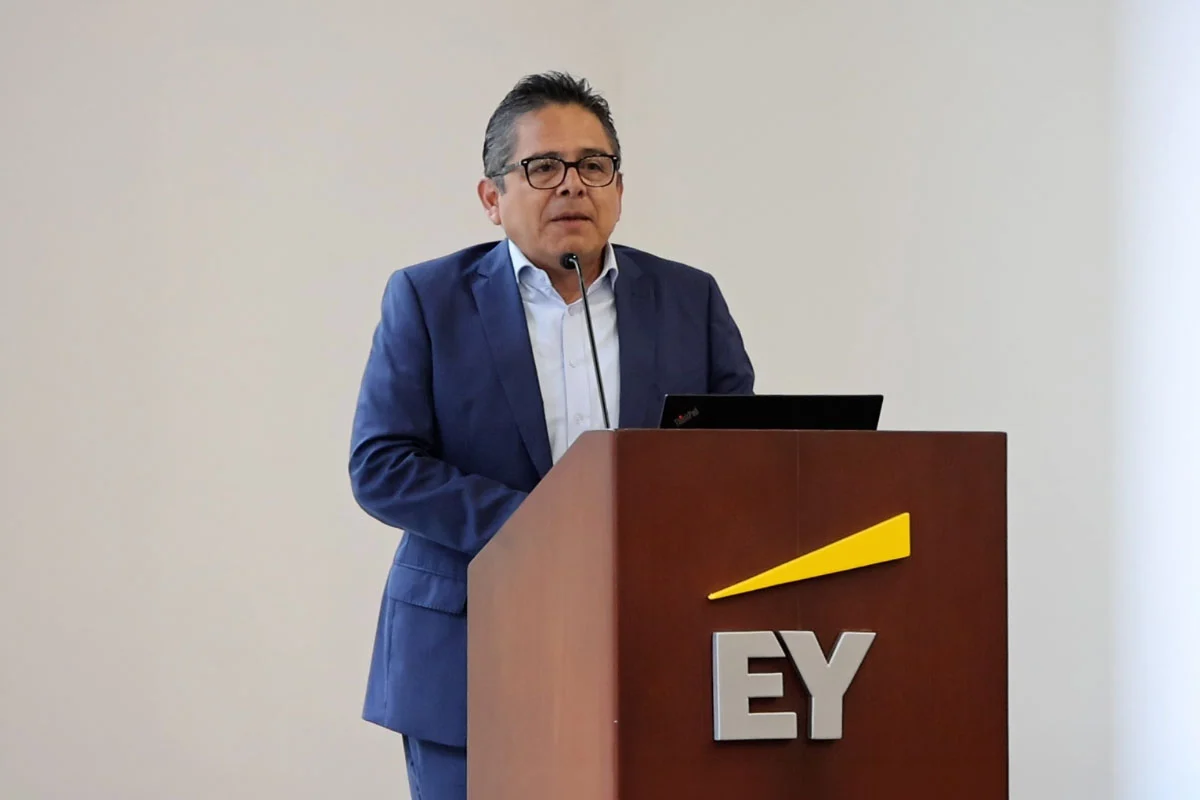
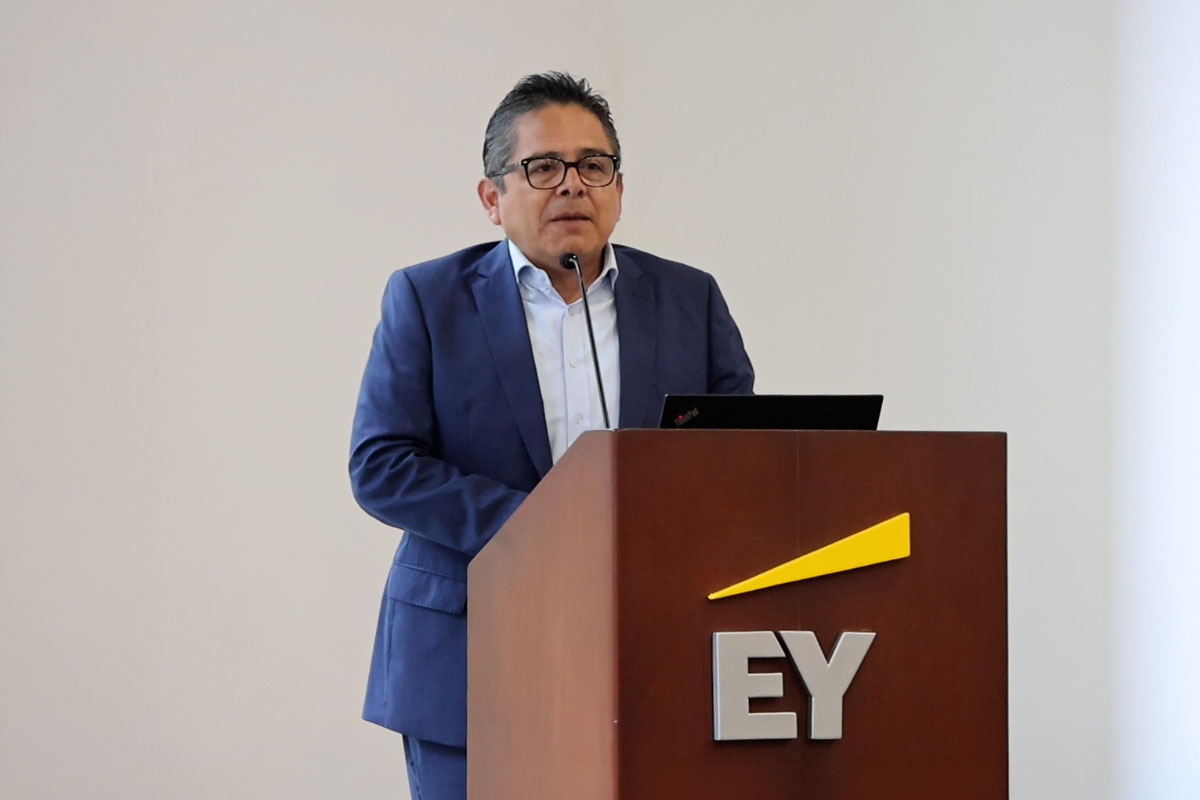
This strategic recalibration was underscored during the recent event, "Where are the next infrastructure opportunities? Perspectives for investing in Peru 2026-2027," organized by the esteemed consultancy EY Peru. Luis Del Carpio, Executive Director of PROINVERSIÓN, articulated this renewed institutional focus, marking 35 years since the establishment of COPRI in 1991. Public-Private Partnerships (APPs) have emerged as the primary large-scale catalyst, underpinning more than 10 consecutive quarters of private investment expansion in the country and successfully leveraging global capital to invigorate critical sectors of the Peruvian economy.
The Quantitative Leap in "Obras por Impuestos": S/ 9,500 Million Underway
The most compelling indicator of this operational renaissance is evident in the "Obras por Impuestos" (OxI) – Works for Taxes – scheme. Following recent regulatory adjustments and enhanced coordination among the Ministry of Economy and Finance (MEF), PROINVERSIÓN, subnational governments, and the private sector, this mechanism has achieved an unprecedented milestone in the Peruvian market.
"This particular mechanism has radically transformed in scale, reaching a record figure of 9,500 million soles allocated so far this year," stated Luis Del Carpio, PROINVERSIÓN’s Executive Director, during the EY Peru forum. This substantial influx of private capital is not merely financing traditional infrastructure projects in water, sanitation, and road construction. It is also actively addressing critical gaps in the State’s institutional infrastructure, supporting the development of facilities for the Comptroller General of the Republic, the Judiciary, and the Superintendence of Securities Market (SMV). This diversification signifies a maturing understanding of how private investment can address a broader spectrum of national development needs.
Mass Hydric and Gas Expansion: Seven Southern Regions on the Strategic Agenda
Within PROINVERSIÓN’s portfolio of contract addenda and extensions, meticulously orchestrated under the new regulatory framework, a paramount achievement is the agreement finalized with the gas distribution company Cálidda. This addendum is poised to concretely finance and accelerate the expansion of natural gas access to seven regions in southern Peru, marking a significant turning point in energy decentralization efforts.
PROINVERSIÓN’s senior leadership emphasized the imperative to shed outdated stigmas associated with contract addenda to bolster national competitiveness. "In previous years, the mere mention of the word ‘addendum’ generated scrutiny… In multiple scenarios, the best cost-benefit alternative for Peru is to reach an investment extension agreement," Del Carpio remarked. This pragmatic approach acknowledges that contractual adjustments, when transparent and beneficial to the public interest, are vital tools for project advancement and economic growth.
Complementing this energy deployment is the activation of crucial water infrastructure mega-projects for the capital city. The "Obras de Cabecera" (Headworks Projects), aimed at addressing the potable water deficit for 1.6 million inhabitants in Lima, has already attracted three qualified international consortia for its initial phase.
In parallel, the healthcare sector has seen the unblocking of the iconic Torre Trecca project on Avenida Arenales in Lima, a project that had been stalled for nearly 40 years. This development paves the way for the commencement of construction on what will be the country’s largest health and outpatient care complex, and one of the most significant in Latin America. Furthermore, a package of 13 public schools and new hospitals under the APP modality is currently being awarded.
Regional Corridors, Port Infrastructure, and a Projection of US$ 14 Billion
Peru’s vision for national development has evolved from promoting isolated projects to consolidating "Strategic Regional Development Corridors." Within the Transversal Callao-Chancay Corridor, the port mega-phase is gaining significant traction. The Chancay port is nearing the execution of approximately US$ 1.5 billion in investments, while the Port Terminal of Callao anticipates investments exceeding US$ 3 billion through its Muelle Sur (South Pier), operated by DP World. Contract addenda for this facility, surpassing US$ 1.266 billion, are set to position Callao as a major container logistics hub in Latin America.
For the Southern Corridor, the strategy includes the construction of the Dry Port in San Román (Juliaca). This facility is designed to capture cargo from Bolivia and Brazil, channeling it towards the Pacific Ocean via the southern railway network (Ferrocarril del Sur). This initiative aims to seamlessly integrate the terminals of Matarani, Ilo, and Tacna, alongside the long-term project in Corío.
PROINVERSIÓN’s macroeconomic outlook projects a progressive acceleration in the value of awarded projects. Following adjudications totaling US$ 3.144 billion in the current fiscal year, the agency is preparing a pipeline of 32 projects and four contract extensions for the upcoming period. This includes a significant addendum for Line 1 of the Lima Metro, valued at a global US$ 6.546 billion, encompassing both capital expenditure (CAPEX) and operational costs.
Looking further ahead, the potential portfolio for the 2029-2030 quinquennium surpasses US$ 14 billion. This ambitious pipeline features mega-projects such as Lines 3 and 4 of the Lima Metro, the Lima-Ica Railway, and critical irrigation projects like Chavimochic, Chinecas, and Majes Siguas.
PROINVERSIÓN’s enduring legacy began in 1992 under the banner of COPRI. To date, the agency has overseen the successful implementation of emblematic projects that are now operational cornerstones of Peru’s economy, including the Camisea natural gas project, the Jorge Chávez International Airport, and the Port Terminal of Matarani. This historical context provides a robust foundation for the current surge in infrastructure development, demonstrating a sustained commitment to leveraging private investment for national progress.
Responding to Your Questions
-
What are the key changes in PROINVERSIÓN’s strategy?
PROINVERSIÓN has shifted to a more direct role in project ownership and management, moved away from older models of contract addenda, and is actively pursuing large-scale financing through Public-Private Partnerships (APPs) and the Works for Taxes (OxI) scheme. -
How has the "Obras por Impuestos" (OxI) scheme evolved?
Recent regulatory adjustments and improved inter-agency coordination have dramatically increased the scale of OxI projects. This year, a record 9,500 million soles have been allocated, funding not only traditional infrastructure but also state institutional buildings. -
What are the major energy infrastructure developments?
A key development is the addendum with Cálidda to bring natural gas to seven southern regions. Additionally, the "Obras de Cabecera" project is advancing to address Lima’s water deficit, with international consortia qualified for its first phase. -
What are the significant port and transportation projects?
The Callao-Chancay corridor is seeing major port investments. Chancay port is nearing US$ 1.5 billion in executed investments, while Callao’s Muelle Sur is projected for over US$ 3 billion. The Southern Corridor includes plans for a Dry Port in San Román, connecting to existing and future terminals. -
What is the projected investment pipeline for PROINVERSIÓN?
PROINVERSIÓN has already secured adjudications of US$ 3.144 billion this year and is preparing a pipeline of 32 projects and four contract extensions for the next period, including a significant addendum for the Lima Metro Line 1 (US$ 6.546 billion). The potential portfolio for 2029-2030 exceeds US$ 14 billion, encompassing major projects like Lima Metro Lines 3 and 4, the Lima-Ica Railway, and large-scale irrigation schemes. -
What is the significance of the Torre Trecca project?
The Torre Trecca project, after nearly 40 years of dormancy, has been reactivated and will become Peru’s largest health and outpatient care complex, representing a major advancement in the country’s healthcare infrastructure. -
How does PROINVERSIÓN view contract addenda?
PROINVERSIÓN now views addenda as a pragmatic tool for project advancement, emphasizing that in many cases, an investment extension agreement represents the best cost-benefit outcome for Peru, dispelling previous negative connotations associated with the term.
Implications for Peru’s Economic Future
PROINVERSIÓN’s strategic shift and the resultant acceleration in infrastructure development carry profound implications for Peru’s economic future. By taking a more proactive stance, streamlining regulatory processes, and actively fostering Public-Private Partnerships, the agency is not only addressing critical infrastructure deficits but also creating a more attractive environment for both domestic and international investment. The successful execution of these ambitious projects, from expanding natural gas access to developing key port infrastructure and improving public services, is poised to boost national productivity, create employment opportunities, and enhance the overall quality of life for Peruvian citizens. This renewed vigor in infrastructure development, even amidst a challenging political climate, signals a commitment to long-term growth and a more resilient, connected, and prosperous Peru.