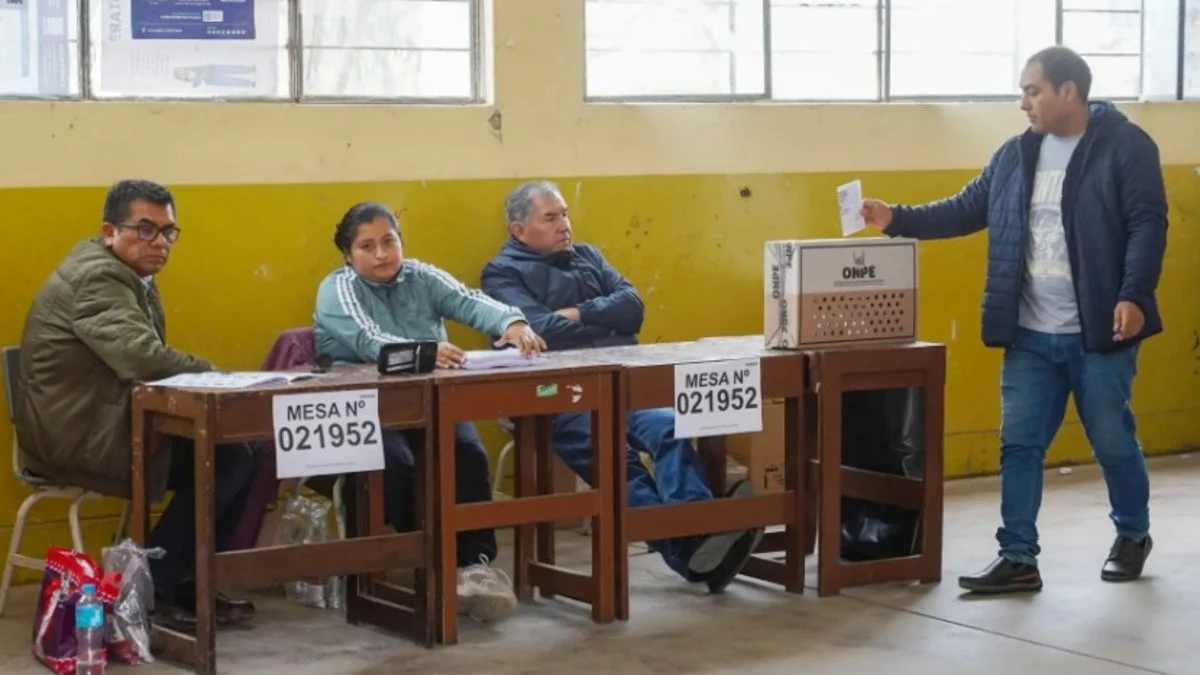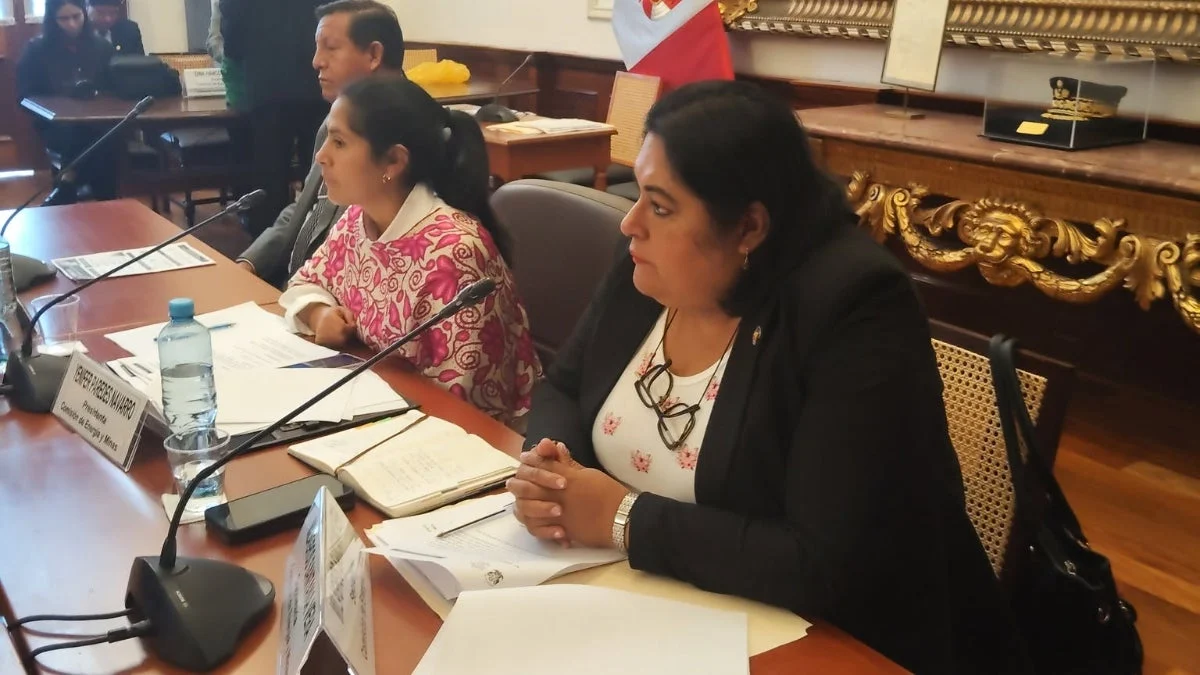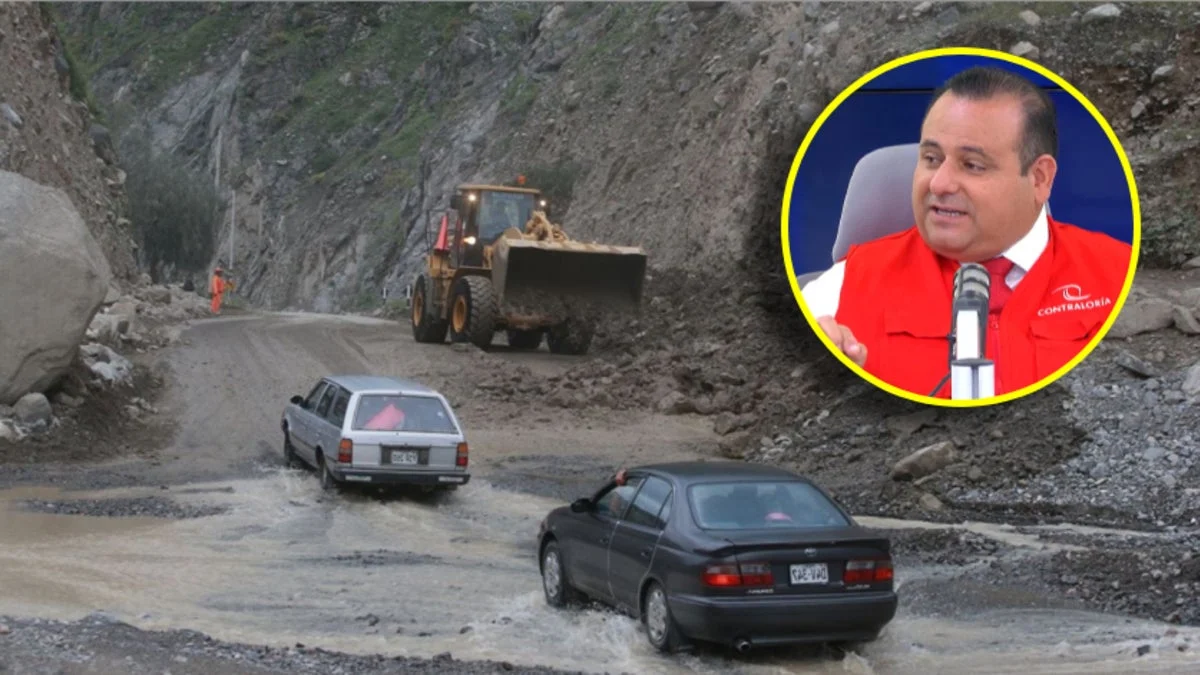
The dust has begun to settle following the intense electoral jornada of October 5, 2026, but for the National Office of Electoral Processes (ONPE), the work has only just begun. As Peru transitions from the excitement of casting ballots to the precision of the official count, the nation remains glued to the real-time updates provided by the electoral authority. With the future of regional governments and local municipalities hanging in the balance, the ongoing processing of electoral acts is the focal point of the country’s political landscape.
The Current State of the Count
As of today, October 5, 2026, the ONPE continues the arduous task of processing and tallying the votes cast across the country. The official platform, accessible at resultadoelectoral.onpe.gob.pe, serves as the definitive source for citizens, political organizations, and international observers to track the progress of the results in real-time.
The count is not merely a statistical exercise; it is the fundamental pillar of Peru’s democratic legitimacy. While preliminary exit polls provided an initial glimpse into potential winners, the official ONPE count is the only data that carries legal weight, determining the final distribution of power in both regional governorships and district mayoralties.
Chronology of the Electoral Process
The 2026 Regional and Municipal Elections have been marked by high participation rates and a complex logistical operation.
- Pre-Election Phase: The months leading up to the election saw intense debates, the signing of ethical pacts, and extensive voter education campaigns aimed at curbing absenteeism.
- Election Day (October 4): Citizens across the nation headed to the polls. Despite minor logistical challenges, the jornada was largely characterized by peace and order.
- The Tallying Phase (Ongoing): Immediately following the close of polling stations, the "actas de votación" (voting minutes) were transported under strict security protocols to the Decentralized Offices of Electoral Processes (ODPE).
- The Current Count (October 5): ONPE officials are currently verifying signatures, tallying figures, and addressing any observed "actas observadas" (challenged records) to ensure complete transparency.
Regional Snapshots: A Tale of Two Realities
The electoral map of 2026 is revealing a starkly divided landscape. In some regions, the results show clear mandates, while in others, the margins are so thin that a second round of voting appears inevitable.
The Clear Leads
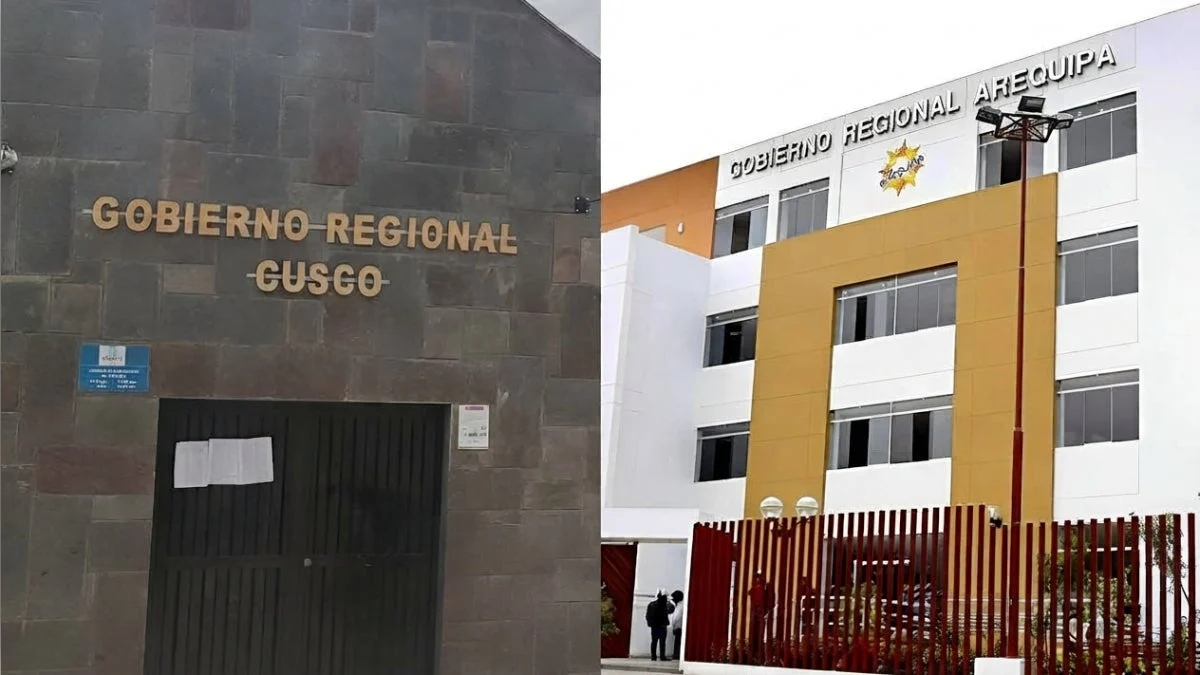
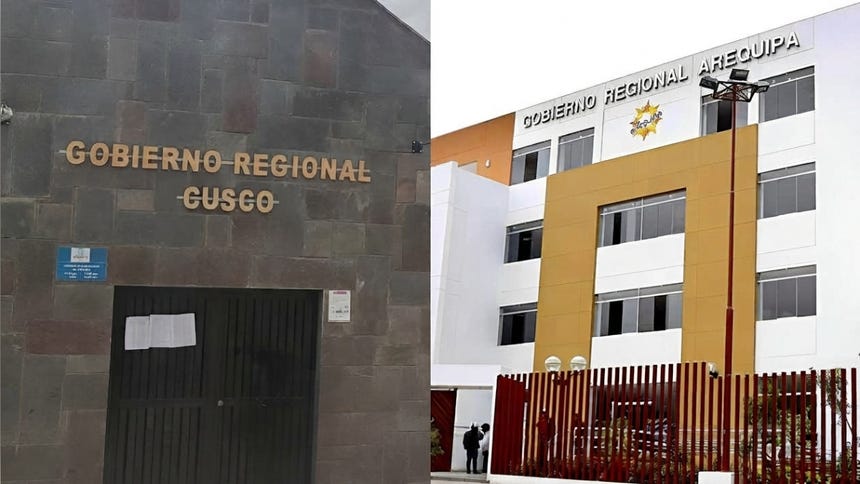
In the Cusco region, the electoral landscape appears to be crystallizing around a frontrunner. With 93.518% of the acts processed, the "Alianza Electoral Venceremos" holds a commanding lead of 31.118%. Given the significant gap between them and the "Partido Político PRIN," which sits at 16.298%, it is highly probable that the governorship will be decided without the need for a run-off.
The Tight Races and Potential Second Rounds
Conversely, other regions are witnessing high-stakes nail-biters. The competition in Arequipa remains fluid. With 99.094% of the votes counted, "Fuerza Arequipa" leads with 25.221%, but the proximity of "Ahora Nación" at 14.460%—alongside other splintering votes—creates a scenario of technical uncertainty that keeps the electorate on edge.
Perhaps the most dramatic contest is taking place in La Libertad. The competition between "Somos Perú" (24.792%) and "Podemos Perú" (24.491%) is remarkably tight. With 97.735% of the tally completed, both political forces are bracing for a potential second round, as neither has managed to consolidate the necessary momentum to bypass the constitutional threshold.

Understanding the Rules of the Game
A central question for voters across the country is: Why are some regions heading to a second round while others are not?
According to Article 5 of the Law of Regional Elections (Law N° 27683), the threshold for winning a regional governorship in the first round is 30% of valid votes. If no candidate reaches this milestone, the two candidates with the highest number of votes must face each other in a run-off election. This mechanism is designed to ensure that those who lead the regional governments have a significant mandate of popular support, rather than winning by a mere plurality in a crowded field of candidates.
Official Responses and Transparency
The ONPE has reiterated its commitment to transparency throughout this process. Chief of ONPE, Piero Corvetto, has urged the citizenry to remain calm and to rely exclusively on official channels for information. "The democratic process does not end when the ballot is cast; it ends when the last vote is verified and the will of the people is accurately represented," stated an official spokesperson earlier today.
To maintain public trust, the ONPE has implemented a system where every citizen can view the scanned copies of the physical voting records (actas) from their own voting tables. This "open data" approach allows for independent verification, minimizing the potential for disinformation or unsubstantiated claims of fraud.
Implications for the Future of Governance
The results of the 2026 elections carry significant implications for the next four years of local and regional management.
- Policy Continuity vs. Change: In regions where current administrations have maintained high approval ratings, the trend has been toward continuity. In areas where voters have expressed dissatisfaction, there is a clear preference for new, often outsider, political movements.
- The Shift in Local Power: District mayoralties serve as the frontline for citizen services. The shift in these offices will determine the pace of urban development, security policy, and infrastructure investment in local communities.
- National Stability: While these are regional and municipal elections, the performance of national political parties in these contests is often viewed as a "thermometer" for the next general elections. Parties that struggle to win significant governorships may find themselves needing to rebrand or reorganize their national strategy.
What Should Citizens Do Now?
As the count continues, citizens are encouraged to take the following steps:
- Stay Informed: Regularly check the ONPE official website for updates. Avoid sharing unverified screenshots from social media that may not reflect the latest data.
- Understand Your Duties: If you served as a poll worker (miembro de mesa), ensure you have fulfilled all your post-election requirements.
- Check for Penalties: For those who were unable to vote or did not fulfill their role as poll workers, it is essential to review the official information regarding fines. Being aware of the "Multas" (fines) is part of responsible citizenship.
- Exercise Patience: The counting process is manual and meticulous. As the percentage of processed acts increases, the results will naturally fluctuate. Patience is a key component of the democratic process.
Conclusion
The 2026 Regional and Municipal Elections are a testament to the resilience of Peru’s democratic institutions. While the electoral process can be exhausting and the results sometimes divisive, the methodical counting of every ballot is the bedrock of the nation’s stability. As the ONPE works toward the final 100% of the tally, the focus remains on the peaceful transition of power and the eventual inauguration of new authorities who will be tasked with shaping the future of Peru’s regions and districts.
Whether through a decisive first-round victory or a hard-fought second-round campaign, the final outcomes will define the political agenda for the next four years. For now, the eyes of the nation remain fixed on the screens, waiting for the final numbers that will decide the path forward.