Introduction: A New Paradigm in Regional Security
In a significant shift toward multilateral security cooperation, the President of Peru, Keiko Fujimori, has officially solidified the nation’s integration into the "Shield of the Americas," a strategic security coalition spearheaded by the United States. Following her high-profile participation in the 81st session of the United Nations General Assembly (UNGA) in New York, the Peruvian head of state emphasized that the partnership marks a definitive turning point in the country’s domestic and regional struggle against transnational organized crime.
During her visit to the United States, President Fujimori underscored that modern security threats—ranging from illegal mining and extortion to human trafficking—require a unified, non-isolated response. By aligning Peru with the "Shield of the Americas," the government seeks to leverage intelligence sharing, collaborative law enforcement operations, and technological support from international partners to dismantle criminal networks that have increasingly undermined local stability.
Chronology: A Diplomatic Mission to New York
The diplomatic engagement spanned from September 21 to September 25, during which President Fujimori executed a rigorous agenda aimed at elevating Peru’s standing on the global stage.
- September 21: Arrival in New York and initial meetings with regional counterparts to discuss the burgeoning crisis of transnational crime.
- September 23: Formal address to the 81st United Nations General Assembly. President Fujimori used this platform to characterize the fight against criminal organizations as an existential "war" for the region, drawing a sharp distinction between traditional territorial conflicts and the asymmetric threats posed by non-state criminal actors.
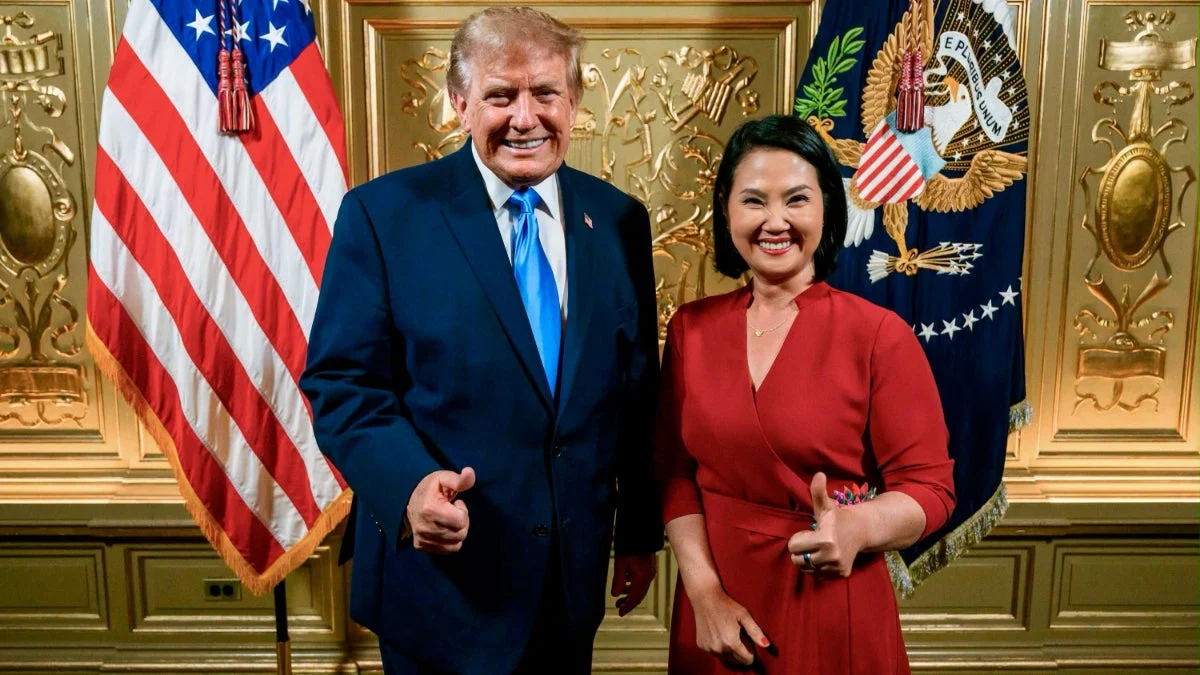
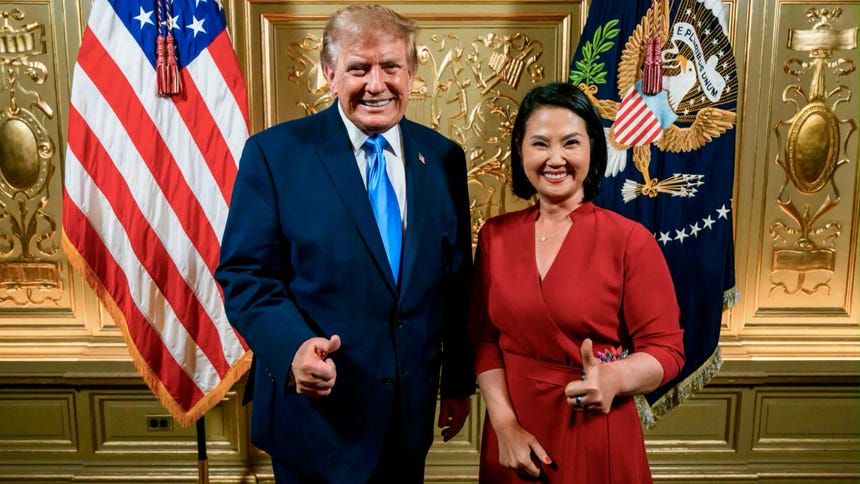
- September 24: High-level meeting with U.S. President Donald Trump. This encounter served as the final catalyst for formalizing Peru’s entry into the "Shield of the Americas." The meeting also facilitated discussions on foreign direct investment (FDI) and the promotion of the Peruvian market to global investors.
- September 25: Conclusion of the summit, with the President issuing a public statement via social media confirming the activation of the "Shield of the Americas" protocols and expressing her gratitude to the U.S. administration for the collaborative reception.
The "Shield of the Americas": Strategic Context
The "Shield of the Americas" is an evolving security architecture designed to bridge the gap between national law enforcement agencies across the Western Hemisphere. As criminal organizations have become increasingly globalized, their ability to exploit jurisdictional boundaries has grown. The coalition aims to mitigate this by:
- Enhanced Intelligence Sharing: Establishing real-time conduits for police and intelligence agencies to track the movement of illicit funds and criminal operatives.
- Harmonization of Legal Frameworks: Working toward legislative consistency among member states to ensure that crimes like human trafficking and extortion are met with uniform penalties and procedural efficiency.
- Technological Integration: Utilizing advanced satellite monitoring and digital surveillance tools provided under the umbrella of the coalition to disrupt the supply chains of illegal mining and drug trafficking.
President Fujimori’s assertion that "our security is a common objective that knows no borders" reflects the core philosophy of this coalition: the recognition that a weakness in one nation’s border or legal system is a vulnerability for the entire hemisphere.
The "Other War": Addressing Transnational Criminality
One of the most compelling aspects of the President’s address to the UN was her refusal to mince words regarding the nature of the current threat. By labeling these groups as "enemies of the state" and comparing their impact to that of terrorists, she sought to shift the public narrative from "law and order" to "national security."
"In this war, there are no battlefronts or defined borders; these groups do not follow international rules," the President stated. "The enemy has no uniform and hides among our own people. There is no possibility of surrender or signing peace treaties with those who sow terror."
Her remarks highlighted the frustration of a government dealing with highly adaptive criminal enterprises. Unlike traditional adversaries, these organizations possess deep financial resources derived from illegal mining—which has caused significant environmental destruction in the Amazon—and extortion rings that target small businesses, effectively taxing the informal and formal economies alike.
Economic Implications and Investor Confidence
Beyond the realm of security, the President’s trip was fundamentally tied to economic stabilization. Peru has long relied on its reputation as a reliable destination for foreign investment. By tackling the rise of organized crime, the administration is attempting to secure the "social license" and physical safety required for large-scale mining, agricultural, and infrastructure projects to thrive.
During her meetings with investors, the President emphasized that the "Shield of the Americas" is not merely a military or police initiative, but an economic one. Investors seek stability; by demonstrating a firm commitment to dismantling extortion networks, the Peruvian government is attempting to lower the "risk premium" associated with operating in the country. The success of these initiatives will be measured by the government’s ability to curb the influence of illegal economies that compete directly with legitimate industries.

Official Responses and Public Sentiment
The reception of the President’s announcement has been largely positive within the government and among security hawks, who have long advocated for a more aggressive, internationally backed stance against crime. However, the move has also sparked a national debate regarding the limits of sovereignty and the potential for over-reliance on U.S.-led security architectures.
- Government Stance: The Ministry of Interior has signaled that the integration will be immediate. New protocols are already being drafted to allow for seamless cooperation with U.S. counterparts, particularly in the area of cyber-intelligence and financial tracking.
- Opposition and Critical Perspectives: Some political analysts have questioned the long-term sustainability of the coalition, asking whether a change in U.S. administration or regional priorities could leave Peru vulnerable. There is also an ongoing discussion about ensuring that the influx of foreign security support respects local constitutional norms and human rights safeguards.
- Public Perception: Public sentiment, as gauged by recent discourse, remains divided. While the citizenry is largely supportive of any measure that promises a reduction in violent crime and extortion, there is a lingering skepticism regarding whether international agreements will translate into tangible changes in their daily lives.
Implications for Future Regional Dynamics
The alignment of Peru with the "Shield of the Americas" could have a ripple effect across South America. If the model proves successful in Peru, other nations grappling with similar challenges—such as Ecuador, Chile, and Colombia—may find it politically and strategically advantageous to seek closer ties to this security bloc.
However, the path forward is not without risks. Transnational criminal organizations are notoriously resilient. As the state increases its pressure, these groups often evolve, adopting more sophisticated methods of corruption or shifting their geographical focus. The effectiveness of the "Shield" will depend on the sustainability of the commitment and the ability of the Peruvian state to build its own institutional capacity rather than relying solely on external assistance.
Conclusion: A Turning Point for Peruvian Security
President Keiko Fujimori’s participation in the 81st UNGA and the subsequent integration into the "Shield of the Americas" represent a bold attempt to redefine the Peruvian state’s approach to security. By moving away from the paradigm of "isolated domestic efforts" and toward a model of "hemispheric partnership," the government is acknowledging the realities of a globalized criminal landscape.
The coming months will be critical. The transition from diplomatic announcements to tangible results—such as the dismantling of major criminal syndicates, a reduction in the reach of illegal mining, and the stabilization of regions plagued by extortion—will determine the legacy of this initiative. For now, the administration has successfully framed the fight against organized crime as the central pillar of its national policy, signaling to both its citizens and its international partners that the "only blow" to be delivered in the coming years will be the one aimed squarely at those who threaten the rule of law.