By Technology Desk
September 29, 2026
If you found yourself unable to access your favorite playlists or encountered an unexpected "offline" notification while commuting this Tuesday morning, rest assured: the problem was not your internet connection, nor was it a glitch in your mobile data plan. On September 29, 2026, the world’s leading music streaming platform, Spotify, experienced a significant service disruption that left millions of listeners across the globe without access to its core features.
The outage, which began early in the morning and persisted for several hours, impacted users in Peru, Argentina, Colombia, Spain, the United States, and several other regions, highlighting the vulnerability of global digital infrastructure and the immense reliance users place on cloud-based entertainment services.
The Scope of the Disruption: What Happened?
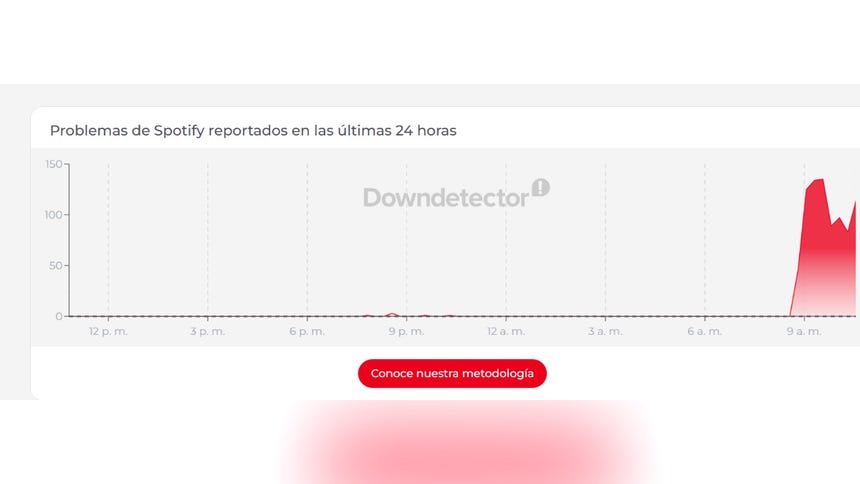
The issues reported by users were multifaceted. According to data aggregated by Downdetector, a platform that monitors real-time service status, reports of outages began surfacing around 8:30 a.m. (Peruvian time).
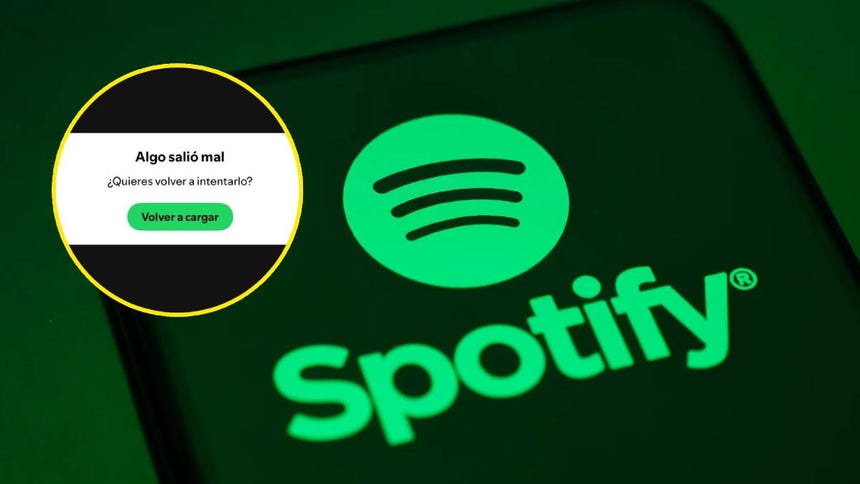
The technical difficulties were not uniform, suggesting a complex failure in the platform’s backend infrastructure. Users reported four primary points of failure:
- Authentication Errors: Many users were logged out of their accounts automatically and found themselves unable to log back in. The "Login" portal appeared to time out or return server-side error messages, preventing access to saved libraries.
- Streaming Interruptions: For those already logged in, the music player frequently stopped mid-track. This "stuttering" or sudden cessation of audio suggests that the platform’s content delivery networks (CDNs) were struggling to relay files from the servers to the end-user devices.
- Search Functionality Failure: Users attempting to look up new artists, albums, or specific podcasts were met with empty results or error screens, indicating that the platform’s indexing databases were failing to respond to queries.
- Syncing Issues: Premium users who had downloaded tracks for offline listening reported that the application failed to recognize their premium status, reverting the app to a limited-feature state.
Chronology of a Digital Blackout
The timeline of the disruption paints a picture of a widespread systemic failure that required immediate intervention from Spotify’s engineering teams.
- 08:30 AM (PET): The first spike in reports appears on Downdetector. Social media platforms, particularly X (formerly Twitter), begin to see a surge in posts using the hashtag #SpotifyDown.
- 09:15 AM (PET): The volume of complaints reaches critical mass. Users from multiple time zones confirm that the outage is not restricted to a specific region or ISP, suggesting a central server issue.
- 10:00 AM (PET): Spotify officially acknowledges the issue. Through their official status account on X, the company posts: "We are aware of some issues right now and are investigating them."
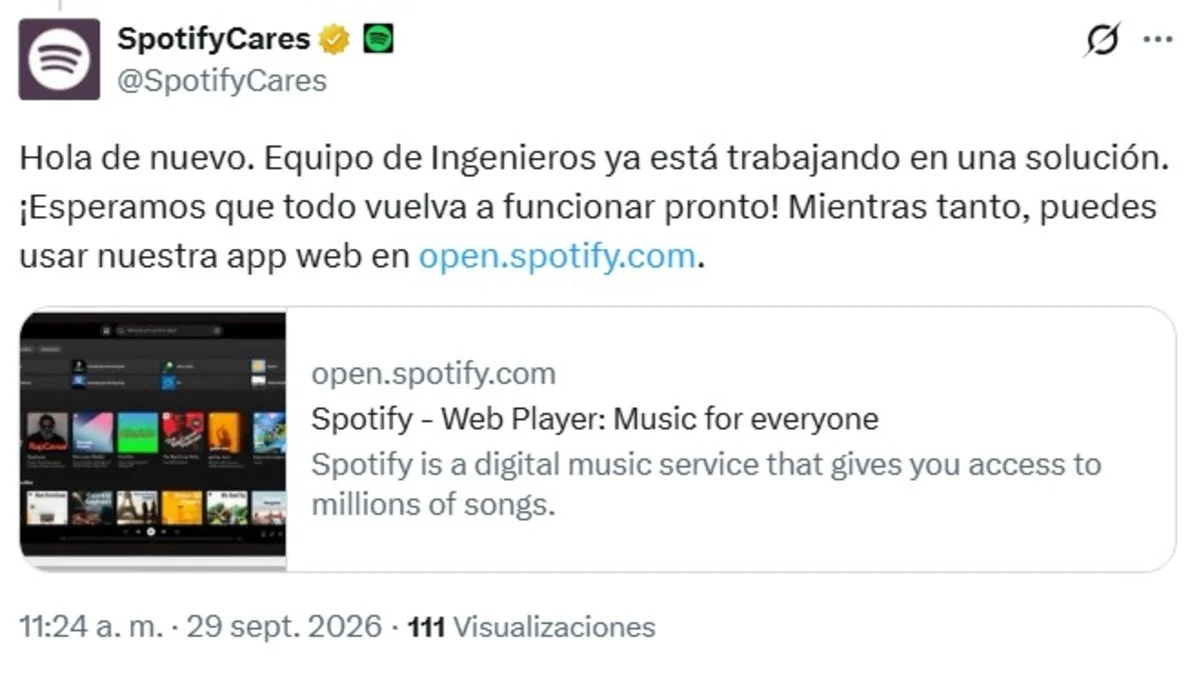
- 11:30 AM (PET): Three hours into the outage, the company provides an update, stating, "The engineering team is already working on a fix. We hope everything is back to normal soon!" During this time, they suggest that users try the web-based version of the platform as an alternative, though many reported that the web version was also plagued by similar latency and connection errors.
Supporting Data: The Anatomy of the Outage
While Spotify has not yet released a detailed technical post-mortem, the scale of the incident provides insight into the complexity of modern streaming services. Spotify currently boasts over 600 million monthly active users. When a service of this magnitude encounters a "server-side error," it usually points to a failure in the microservices architecture that handles user authentication and session management.
Industry analysts note that cloud-based platforms often rely on redundant systems. However, if the authentication gateway fails—the "gatekeeper" that checks if a user is a valid subscriber—it effectively locks the entire user base out of the service, regardless of whether the music streaming servers themselves are functional.

According to metrics from Downdetector, the outage saw a peak of over 50,000 reports in under an hour, a significant number even for a platform of Spotify’s size. The geographic distribution was widespread, indicating that the failure likely occurred at the primary data center level rather than at a localized edge-server point.
Official Responses and Communication Strategy
In the age of social media, the speed at which a company responds to an outage is critical to maintaining user trust. Spotify opted for a transparent, albeit brief, communication strategy. By using their official X account, they were able to reach millions of users in seconds.
However, the response was met with mixed reactions. While power users appreciated the confirmation that the fault lay with the company and not their personal hardware, others expressed frustration at the lack of a clear estimated time for restoration. The suggestion to "try the web version" was criticized by users who noted that if the backend authentication server is down, the web version is just as inaccessible as the mobile app.
Broader Implications: Why We Care
The incident serves as a poignant reminder of our transition to a purely "subscription-based" and "cloud-dependent" digital life. Unlike the era of physical media—CDs, vinyl, or locally stored MP3 files—the modern consumer is entirely dependent on the uptime of a third-party server.

1. The Fragility of Digital Ownership
When Spotify goes down, the music collection you have curated over a decade vanishes. This creates a psychological and practical inconvenience, particularly for those who use the platform for professional work, such as DJs, podcasters, or businesses that use Spotify for background ambiance.
2. Trust and Subscription Value
For Premium subscribers who pay a monthly fee, an outage is more than just an inconvenience; it is a breach of the service-level agreement. While outages are a reality of the digital age, recurring issues can lead to "subscription fatigue," where users begin to question the value of paying for a service that can be rendered useless by a server error.
3. The Cybersecurity Landscape
Whenever a major tech outage occurs, speculation regarding cyberattacks often follows. While there is no evidence at this time to suggest that the September 29th outage was the result of a DDoS (Distributed Denial of Service) attack or a malicious hack, the incident highlights the importance of robust cybersecurity measures for platforms that hold vast amounts of personal user data.
Looking Forward: Lessons for the Tech Giants
As the dust settles and Spotify works to ensure that their services are fully restored, the tech industry is likely to focus on several key areas of improvement:
- Improved Failover Mechanisms: Companies are moving toward "multi-cloud" strategies, where services are distributed across different cloud providers (e.g., AWS, Google Cloud, and Azure). This ensures that if one provider or data center fails, the service can switch to another without user-facing disruption.
- Enhanced Status Communication: Users demand real-time, granular status updates. Moving forward, platforms like Spotify may implement in-app status dashboards that provide more detailed information than a simple social media post.
- Offline-First Architecture: While mobile apps have offline modes, the authentication process often still requires a "handshake" with the server. Future development may focus on allowing longer durations of offline access, ensuring that users can at least enjoy their local cache without needing to ping the server for verification every few hours.
For now, the music has returned to the millions of devices that went silent this Tuesday. However, the event remains a stark reminder that in our hyper-connected world, the "cloud" is only as reliable as the engineers keeping it aloft. As we continue to integrate these services into every facet of our daily lives, the demand for "five-nines" reliability—99.999% uptime—becomes not just a goal, but a necessity for the giants of the tech industry.