LIMA, Peru — Today, Sunday, October 4, 2026, the Peruvian nation engages in a critical democratic exercise. More than 26 million citizens are eligible to participate in the Regional and Municipal Elections, a pivotal event that will determine the leadership of local governments and regional administrations across the country for the next term. As the sun rises over the Andes and the coast, the electoral machinery of the Oficina Nacional de Procesos Electorales (ONPE) has been fully deployed to ensure that the voice of every voter is captured with integrity and transparency.
The importance of this day cannot be overstated. These elections serve as the bedrock of local governance, dictating the trajectory of infrastructure, public safety, and social programs at the grassroots level. With the polls officially open, the country is currently navigating a marathon of civic duty that began in the early hours of the morning.
The Chronology of a Civic Milestone
The logistical success of an election of this magnitude depends on precise timing and rigorous organization. For the citizens and the volunteers serving as members of the polling stations, the schedule for October 4 was set with absolute clarity.
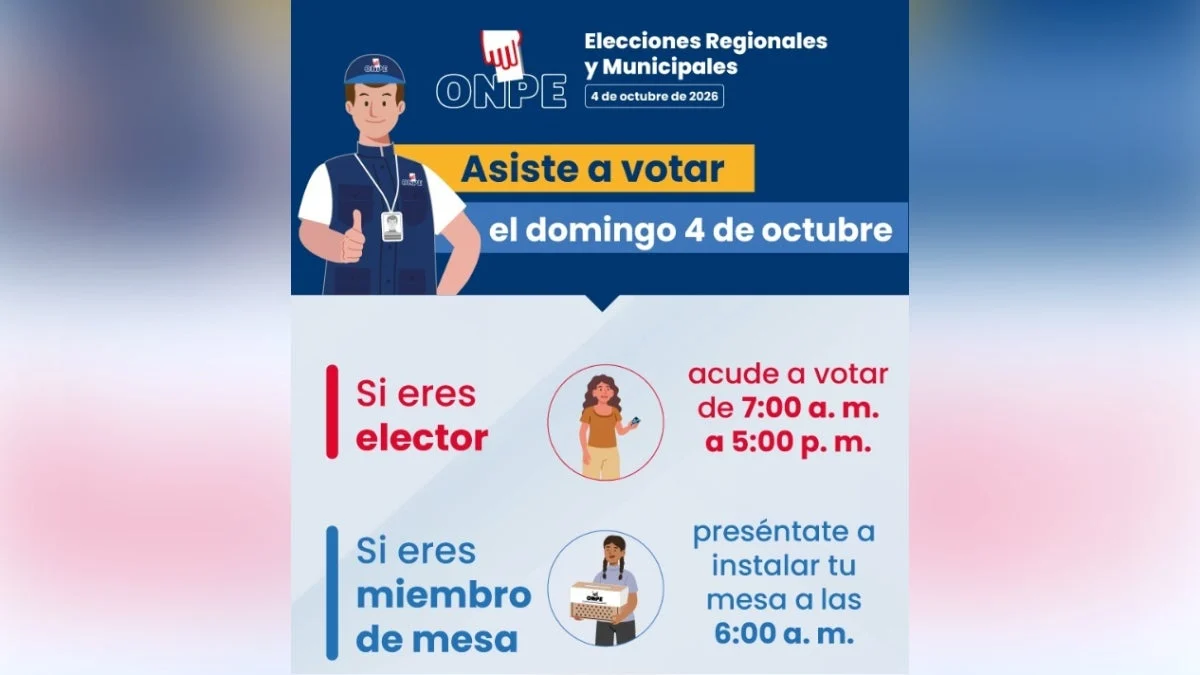
The Dawn of Democracy: 6:00 a.m.
The day began long before the first voter cast a ballot. At 6:00 a.m., the designated members of the polling stations—citizens selected by the ONPE through a rigorous lottery process—arrived at their assigned voting centers. This initial window was dedicated to the installation of the polling stations, a critical procedure that involves verifying the presence of electoral material, securing ballot boxes, and ensuring that the voting booths are set up to maintain the secrecy of the vote.
Opening the Polls: 7:00 a.m.
By 7:00 a.m., the doors of the voting centers swung open to the public. Across the nation, the democratic process officially commenced. From the bustling urban centers of Lima to the remote districts in the Amazon rainforest, citizens began lining up to exercise their right and fulfill their mandatory duty to vote. The ONPE reported that, by and large, the vast majority of polling stations achieved timely installation, allowing for a smooth start to the day’s activities.
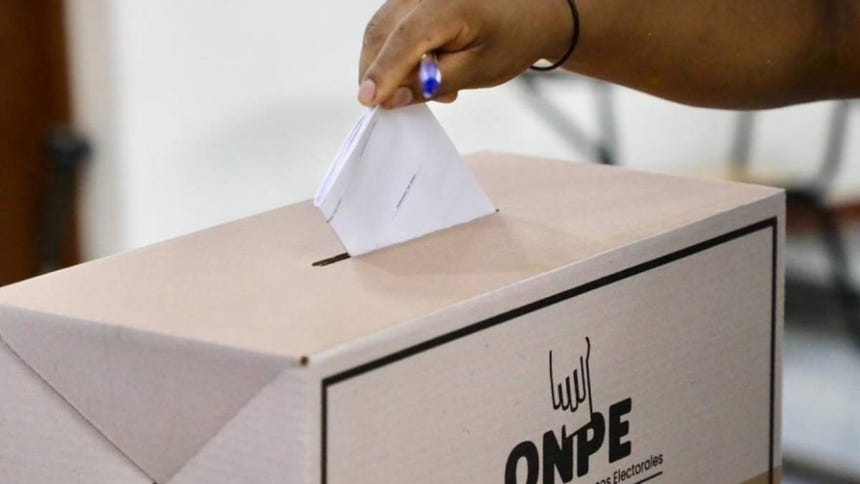
The Closing Window: 5:00 p.m.
As the day progresses, the ONPE has reminded the electorate that the voting centers will remain open until 5:00 p.m. It is imperative for citizens to plan their arrival accordingly. Those who arrive after the deadline will not be permitted to enter the voting centers. The commission has urged voters to avoid the "last-minute rush," noting that congestion in the final hour often leads to unnecessary stress and longer wait times for everyone involved.
Understanding the Electoral Requirements: Supporting Data
With over 26 million people expected to participate, the ONPE has implemented a series of guidelines to facilitate the process and minimize barriers to entry. Among the most frequent questions from the public are those regarding identification and location.
The Validity of Identification
One of the most significant measures taken by the National Registry of Identification and Civil Status (RENIEC) for this election is the authorization of expired documents. In a display of flexibility intended to maximize voter turnout, authorities have confirmed that citizens may exercise their right to vote even if their Documento Nacional de Identidad (DNI) has expired.
This special provision applies to:
- The DNI Azul (Blue): The traditional identification document for adults.
- The DNI Amarillo (Yellow): Including cases where adults may still be using their childhood version.
- The DNI Electrónico (DNIe): Including all versions (1.0, 2.0, and 3.0).
It is crucial to note that this is a temporary concession limited exclusively to the act of voting. The expired document will not be valid for any other civil, legal, or administrative procedures. This measure ensures that the logistical barrier of document renewal does not disenfranchise any eligible voter during this critical election.

Consultation and Localization
For those who remain uncertain about their specific polling station, the ONPE has provided a centralized online portal. By inputting their DNI number, citizens can access their exact polling location, table number, and whether they have been selected to serve as poll workers. This digital infrastructure is designed to reduce confusion and streamline the flow of voters at the centers, preventing the overcrowding that often plagues large-scale elections.
Official Responses and Institutional Readiness
The preparation for these elections has been months in the making. The ONPE has faced the monumental task of distributing electoral materials—ballots, indelible ink, voting screens, and act forms—to every corner of the country.
In a recent statement, the head of the ONPE emphasized that all electoral materials reached their intended destinations well before the polls opened. "We have deployed a robust distribution network to reach even the most challenging geographical locations," the spokesperson noted. "Our staff and the national security forces have worked in tandem to guarantee that the material is secure and ready for the citizens."
Furthermore, the government has called for a peaceful and orderly day. The presence of the National Police and the Armed Forces is visible across the country, serving a dual purpose: ensuring the security of the electoral material and maintaining public order to allow citizens to vote without intimidation or disruption.
Implications for the Future of Peru
The results of these elections, which will likely begin to trickle in late this evening, will have profound implications for the nation’s political landscape. Regional and municipal governments are the primary providers of basic services, including local waste management, urban planning, and the maintenance of local roads.

Decentralization and Accountability
As Peru continues its path toward deeper decentralization, the candidates elected today will hold significant power over regional budgets. The electorate is expected to hold these new officials to high standards of transparency and efficiency. The issues dominating the current electoral discourse—economic recovery, public safety, and infrastructure development—are not just national concerns; they are the specific responsibilities of the mayors and regional governors to be elected today.
The Civic Duty
Participation in these elections is mandatory for all citizens between the ages of 18 and 70. Failure to vote results in a fine, a policy designed to ensure that the electoral outcome reflects the will of the majority of the population. However, the ONPE has consistently framed the vote not just as a legal requirement, but as a moral imperative. By casting their ballots, citizens are effectively participating in the ongoing project of building a more robust and responsive local government.
Recommendations for a Successful Voting Experience
As the day continues, electoral authorities have issued several recommendations to ensure that the process remains efficient:
- Check your location: Do not rely on memory; use the official ONPE website to verify your polling center, as locations may change from previous elections.
- Plan your route: Be aware of potential traffic disruptions near polling centers and account for travel time.
- Dress appropriately: Weather conditions can vary, and lines may be outdoors.
- Stay informed: Follow the official channels of the ONPE for real-time updates and any announcements regarding the electoral process.
- Respect the process: Follow the instructions of the members of the polling stations and security personnel. Their role is to ensure that the vote remains fair and secret.
Conclusion: A Day for Democracy
As of this writing, the 2026 Regional and Municipal Elections are proceeding as planned. The scale of the event is a testament to the resilience and commitment of the Peruvian people to their democratic institutions. While the challenges of organizing an election for 26 million people are vast, the collaborative effort between the ONPE, the RENIEC, and the citizenry ensures that today is a day defined by civic participation.
As the polls close at 5:00 p.m., the focus will shift from the act of voting to the counting of the ballots. This transition marks the beginning of a new chapter for cities and regions across Peru. Whether in the high altitudes of the Andes or the bustling coastal metropolises, the collective decisions made today will shape the lives of millions for years to come. The message from the electoral authorities is clear: this is a time for reflection, responsibility, and the exercise of a fundamental right that keeps the gears of democracy turning.