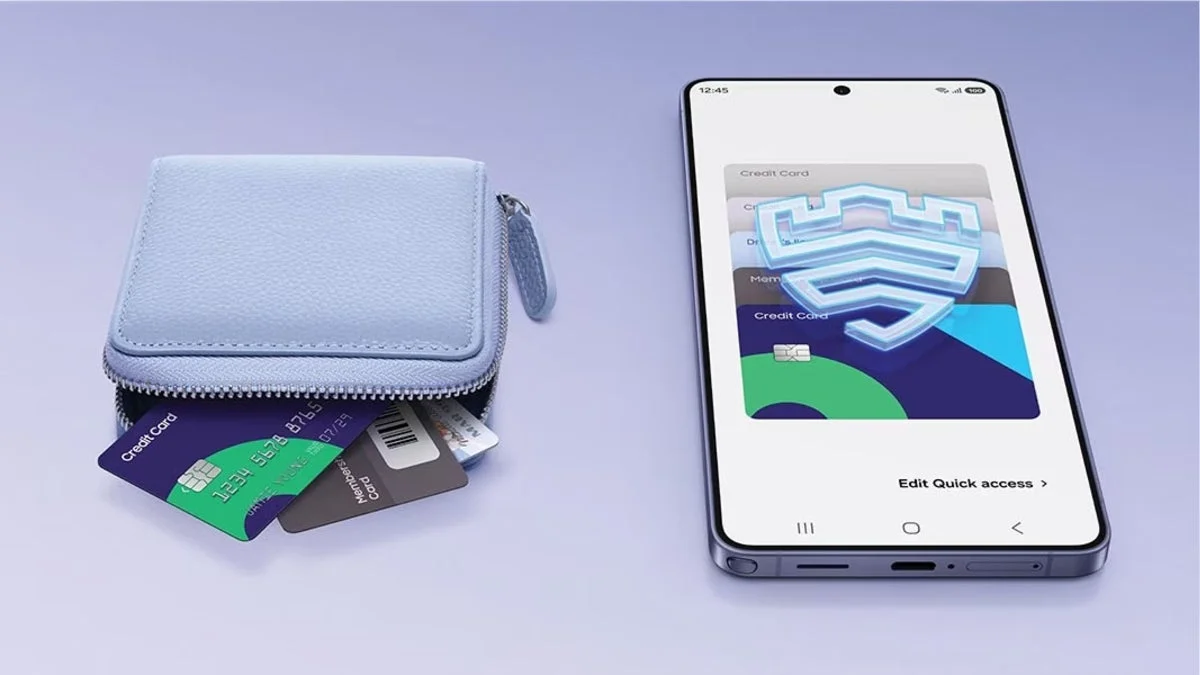
The landscape of digital finance in Peru has undergone a significant transformation this week. Samsung Electronics has officially launched Samsung Wallet in the Peruvian market, a comprehensive ecosystem that consolidates payment cards, loyalty programs, and security credentials into a single, seamless mobile application. By integrating NFC (Near Field Communication) technology with high-level biometric encryption, Samsung is positioning its Galaxy ecosystem as a direct competitor to traditional physical wallets and burgeoning digital banking alternatives.
This launch represents more than just a software update; it is a strategic move to standardize mobile contactless payments in a region where digital transformation in the retail sector is accelerating at an unprecedented pace.
The Core Transformation: From Samsung Pass to a Digital Hub
For years, Samsung users in Peru were familiar with "Samsung Pass," a utility primarily focused on password management and biometric authentication. Samsung Wallet is the evolutionary successor to this platform. It effectively merges the security features of Samsung Pass with the transactional capabilities of Samsung Pay, creating a unified interface where users can manage their financial lives with a simple swipe.
The transition is designed to be intuitive. Users who already have Samsung Pass installed will find that updating the application via the Galaxy Store automatically migrates their existing credentials and unlocks the new wallet features. This transition reflects a broader global shift toward the "super-app" model, where a single application serves as a gateway to multiple essential daily functions.
The Technological Leap: ‘Tap to Enroll’
One of the most notable features introduced with the Peruvian rollout is the ‘Tap to Enroll’ functionality. Historically, digitizing a payment card required manual entry of long credit card numbers, expiration dates, and CVV codes, or taking a photograph of the card, which often resulted in scanning errors.
‘Tap to Enroll’ revolutionizes this user experience (UX) by leveraging the NFC chip embedded in the smartphone. By simply bringing a contactless-enabled physical card into proximity with the back of the device, the phone’s NFC antenna reads the encrypted data from the card’s EMV chip. The information is instantly parsed, verified, and tokenized. This process reduces the enrollment time from minutes to mere seconds, removing the friction that often discouraged users from adopting mobile payment solutions.
Security Architecture: Beyond the Physical Card
In an era where digital fraud is a primary concern for consumers, Samsung has anchored its Wallet platform in Samsung Knox. Knox is the company’s proprietary security platform, which operates at both the hardware and software levels.
Multi-Layered Protection
- Biometric Authentication: No transaction can be initiated without the user’s explicit consent via fingerprint or facial recognition. This ensures that even if a device is stolen, the wallet remains inaccessible.
- Tokenization: This is the cornerstone of the system’s security. When a user adds a card, the actual card number (PAN) is not stored on the device or Samsung’s servers. Instead, the system generates a unique "token"—a randomized string of numbers that represents the card. When a payment is made, the merchant receives this token rather than the actual account details. Even if a point-of-sale (POS) terminal is compromised, the intercepted data is useless to hackers.
- Isolated Execution: The sensitive payment credentials are stored in an isolated, tamper-resistant environment within the device’s processor, effectively shielding them from malware or operating system vulnerabilities.
Chronology: The Road to the Peruvian Launch
The introduction of Samsung Wallet in Peru is the culmination of a multi-year effort to align local banking infrastructure with global standards.
- Early 2022: Samsung begins the global rollout of the consolidated "Samsung Wallet" in key markets like the United States, South Korea, and Germany.
- Late 2023: Initial discussions begin between Samsung and major Peruvian financial institutions to integrate the local banking switch (the network that processes card transactions) with Samsung’s tokenization servers.
- Mid-2024: Pilot programs are initiated to test the stability of the ‘Tap to Enroll’ feature with local debit and credit card issuers.
- October 2026: The official public release. The rollout is phased, starting with major urban centers like Lima, Arequipa, and Trujillo, where contactless POS penetration is highest.
Implications for the Peruvian Financial Ecosystem
The arrival of Samsung Wallet holds profound implications for the Peruvian economy.
1. Accelerating the Move to a Cashless Society
Peru has historically been a cash-heavy economy, but the rapid adoption of apps like Yape and Plin has primed the population for digital transactions. Samsung Wallet pushes this further by integrating international card networks (Visa/Mastercard) directly into the phone, allowing for payments at any terminal that supports contactless technology, including international travel.
2. Retailer Efficiency
For merchants, mobile payments are faster and safer than cash. They reduce the time spent on manual handling, counting, and the risks associated with storing cash on-site. As more consumers adopt Samsung Wallet, retailers are expected to upgrade their POS hardware, further digitizing the commerce sector.
3. Financial Inclusion and Digital Literacy
While Samsung Wallet is currently limited to premium and mid-range Galaxy devices, the sheer volume of these phones in the Peruvian market ensures a significant user base. This encourages banks to improve their digital interfaces and offer more flexible, "mobile-first" banking products.
Official Responses and Strategic Partnerships
In the weeks leading up to the launch, Samsung engaged in intense negotiations with Peru’s financial giants. While the company has not yet released the full list of every compatible card, they have confirmed that the first phase of the rollout includes key partnerships with the country’s leading banks.
"Our goal is to provide a seamless, secure, and intuitive payment experience that adapts to the modern Peruvian lifestyle," stated a spokesperson for Samsung Peru. "By bringing Samsung Wallet to the country, we are not just launching an app; we are building a foundation for the future of digital commerce in the region."
Industry analysts suggest that the delay in the launch, compared to other Latin American countries like Brazil or Mexico, was primarily due to the necessary regulatory alignment with local banking authorities to ensure that tokenization protocols met strict Peruvian financial security standards.
How to Get Started: A Step-by-Step Guide
For Samsung Galaxy users eager to adopt this technology, the process is streamlined:
- Check Device Compatibility: Ensure your device is running the latest version of the Samsung firmware and that it supports NFC (found in most Galaxy A, S, and Z series devices).
- Update the Application: Open the Galaxy Store and search for "Samsung Wallet." If you previously had Samsung Pass, the update will automatically trigger the migration.
- Sign In: Access the wallet using your Samsung Account credentials.
- Configure Biometrics: Set up or verify your fingerprint or PIN for payment authorization.
- Add Your Card: Tap the "+" button. You can now use the ‘Tap to Enroll’ feature by placing your physical card against the back of the phone, or input the card details manually if preferred.
- Verification: The bank will send a one-time password (OTP) via SMS or email to confirm your identity. Once confirmed, your digital card is ready for use.
The Future Landscape: What Comes Next?
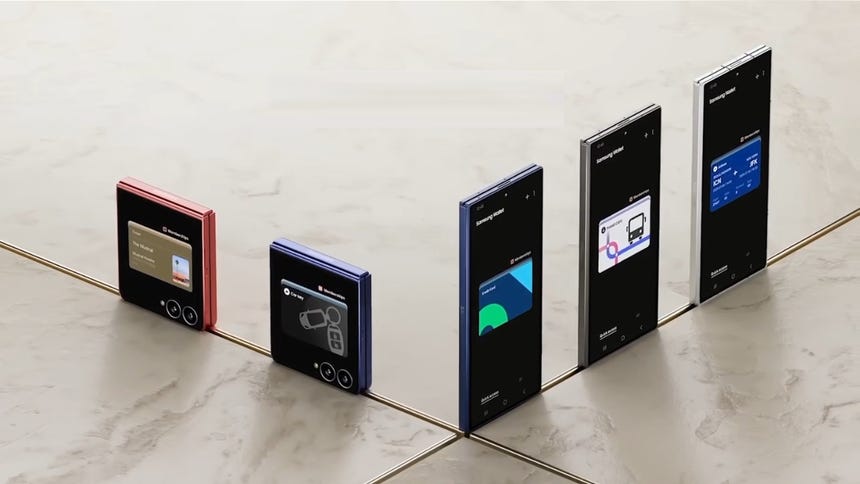
While the current focus is on payment cards, the Samsung Wallet ecosystem is designed to be expandable. In other markets, the app includes support for digital boarding passes, concert tickets, cryptocurrency wallets, and even digital car keys. As the Peruvian rollout stabilizes, it is expected that Samsung will expand these features, potentially integrating with local transit systems or event ticketing platforms.
The introduction of Samsung Wallet is a testament to the maturation of the Peruvian mobile market. It signals a shift where the smartphone is no longer just a communication tool, but the primary instrument for financial management. As Peru continues to digitize its economy, platforms like Samsung Wallet will play a crucial role in shaping the habits of consumers and the strategies of financial institutions for years to come.