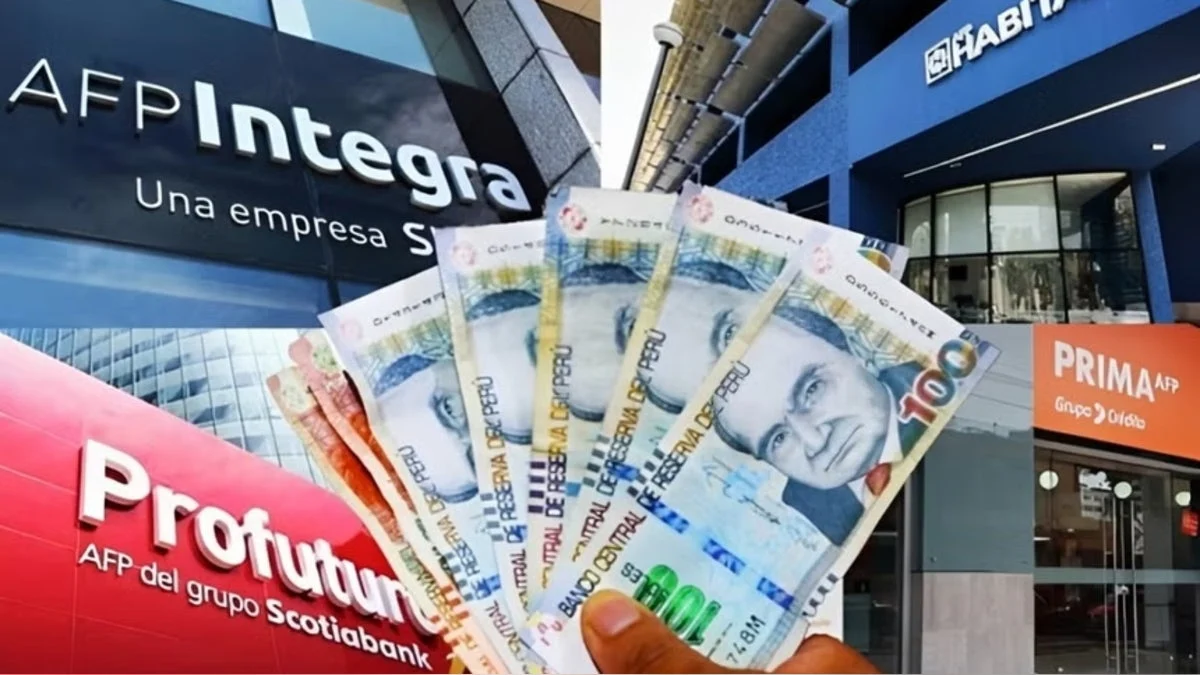
The landscape of the Peruvian Private Pension System (SPP) is undergoing a significant structural transformation. The Superintendency of Banking, Insurance, and Private Pension Fund Administrators (SBS) has officially authorized a window for over 1.8 million affiliates—currently operating under the "commission-on-flow" (percentage of salary) model—to transition to the "commission-on-balance" (percentage of total managed assets) model.
This regulatory adjustment, while seemingly technical, represents a fundamental shift in how retirement savings are managed and how the administrative costs of the pension system are distributed. For millions of Peruvian workers, the decision to migrate is not merely administrative; it is a long-term financial choice that requires a deep understanding of investment horizons, salary stability, and the mechanics of compound interest.
Main Facts: The New Pension Landscape
At the core of this policy is the choice between two distinct cost structures. Currently, the "commission-on-flow" model charges a percentage of the worker’s monthly salary. Under this system, the administrative fee is paid regardless of whether the fund’s performance is positive or negative, effectively acting as a tax on labor income.
The "commission-on-balance" model, conversely, aligns the interests of the Administrator (AFP) with the participant. By charging a percentage of the total accumulated fund, the administrator is incentivized to maximize the returns on the account, as their revenue increases only when the worker’s wealth grows.
The Migration Window
The SBS has set a precise calendar for this transition:
- Announcement and Preparation Phase: From now until late 2026, administrators are required to build the necessary technological and informational infrastructure.
- The Election Period: Affiliates will have a formal window to choose between December 14, 2026, and May 14, 2027.
- Default Mechanism: Crucially, if an affiliate fails to take action during this five-month window, the current status quo prevails. They will remain under the commission-on-flow scheme by default.
It is vital for the public to understand that this is a one-way street. Once an affiliate decides to migrate to the commission-on-balance model, there is no regulatory path to revert to the commission-on-flow model.
Chronology of the Transition
The implementation of this transition is not instantaneous; it is designed as a multi-year phased integration to avoid market shocks and ensure stability for both the administrators and the pension funds themselves.
Phase 1: The Preparatory Period (2025–2026)
During the next 18 months, the SBS will oversee the development of digital tools. The most significant of these is the "Personalized Simulator," which is mandated to be available by December 14, 2026. This tool must provide neutral, transparent projections comparing the long-term impact of both fee structures based on the specific salary and age profile of the user.
Phase 2: The Election Window (Dec 2026 – May 2027)
This is the critical decision-making period for the 1.8 million eligible affiliates. During this time, the AFPs are required to conduct an intensive communication campaign to explain the nuances of the transition, the seven-year hybrid phase, and the implications for future retirement totals.
Phase 3: The Hybrid Transition (2027–2034)
Beginning in June 2027, those who opt for the migration will enter a seven-year "mixed commission" period. This is the most complex aspect of the reform. During these seven years, the administrative fee will be split into two parts:
- A diminishing percentage based on the monthly salary.
- An increasing percentage based on the accumulated balance.
By the end of this seven-year transition period, the commission on salary will reach zero, leaving only the commission on the accumulated balance as the sole administrative fee.
The Technical Reality: What Actually Changes?
A common misconception regarding this migration is that the new commission will apply to the entire historical fund. This is false.
The SBS has explicitly stated that for those who migrate, the commission-on-balance will apply only to:
- New contributions made after the migration becomes effective in June 2027.
- The profitability generated by those specific new contributions.
The "legacy fund"—the total savings accumulated up to May 2027—remains "inafecto" (unaffected) by the new commission structure. This protective measure ensures that the transition does not lead to a sudden, massive reduction in the existing wealth of long-term contributors.
Official Responses and Regulatory Intent
The SBS, under its mandate to ensure the solvency of the financial system and protect the rights of consumers, has emphasized that the information provided to the public must be "neutral, transparent, and non-inductive."
Regulators are aware of the "nudge" effect; if an AFP pushes a client toward one model over the other, they could be accused of bias. Therefore, the SBS is implementing strict oversight of the mandatory simulators. The objective is to prevent the "mis-selling" of financial products, ensuring that workers make decisions based on mathematical projections rather than marketing campaigns.
The shift also aligns with the broader legislative framework under Law 32123, which aims to modernize the SPP to accommodate new competitors and ensure that pension providers are focused on long-term capital appreciation rather than just the collection of monthly dues.
Implications: Who Benefits?
The decision to migrate is heavily dependent on the worker’s career stage.
The Case for Younger Workers
For workers in the early stages of their careers, the commission-on-balance model is often viewed as more beneficial. Since their current balances are low, the commission on the balance is minimal, while the commission on their salary (which may be rising over time) might be higher. By starting early on the balance model, they benefit from the long-term compound interest of their investments with lower initial fee impacts.
The Case for Older Workers
For those nearing retirement, the calculus is different. An individual with a large, accumulated balance might find that a percentage-based fee on a high balance costs more than a flat fee on their current salary. These workers must use the 2026 simulators to run a "break-even" analysis to determine which path preserves more of their capital in the final stretch of their working lives.
Broader Market Impacts
The migration also signals a maturing of the Peruvian financial market. As three new competitors prepare to enter the pension space in 2027, the shift to a balance-based fee structure creates a more competitive environment. When fees are tied to assets under management, providers must compete on their ability to generate higher returns (net of fees) rather than simply acting as collection agents for salary-based commissions.
Furthermore, the integration of banking groups with pension providers—a trend noted by recent market movements—suggests that the industry is moving toward a "wealth management" model. In this ecosystem, the pension fund is just one component of a broader financial plan, and the fee structure must reflect the value provided in investment management rather than administrative processing.
Conclusion: Preparing for the Decision
As December 2026 approaches, the responsibility shifts to the individual affiliate. The SBS has provided the regulatory framework, and the AFPs will provide the tools, but the decision is personal.
To prepare, affiliates should:
- Monitor their current AFP statements: Understand exactly what percentage of their salary is currently being deducted as a commission.
- Project career trajectories: Consider expected salary growth and total time until retirement.
- Stay Informed: Avoid relying on hearsay. The official communications from the SBS and the respective AFPs will be the only sources of accurate, verified information regarding the migration process.
The move to a commission-on-balance model is a major step toward a more sophisticated, investor-centric pension system in Peru. While it requires a period of adaptation, it offers a pathway for better alignment between the interests of the Peruvian workforce and the financial institutions that steward their retirement futures. By carefully analyzing the simulator data once it becomes available, workers can take a proactive step toward securing a more prosperous retirement.