As the October 4th Regional and Municipal Elections approach, the democratic process in Peru faces a critical juncture. For millions of citizens, the act of voting is not merely a civic duty but a profound responsibility to shape the future of their communities. However, in an electoral landscape often cluttered with political rhetoric, empty promises, and a revolving door of candidates, the essential question remains: How can a voter make an informed decision amidst the noise?
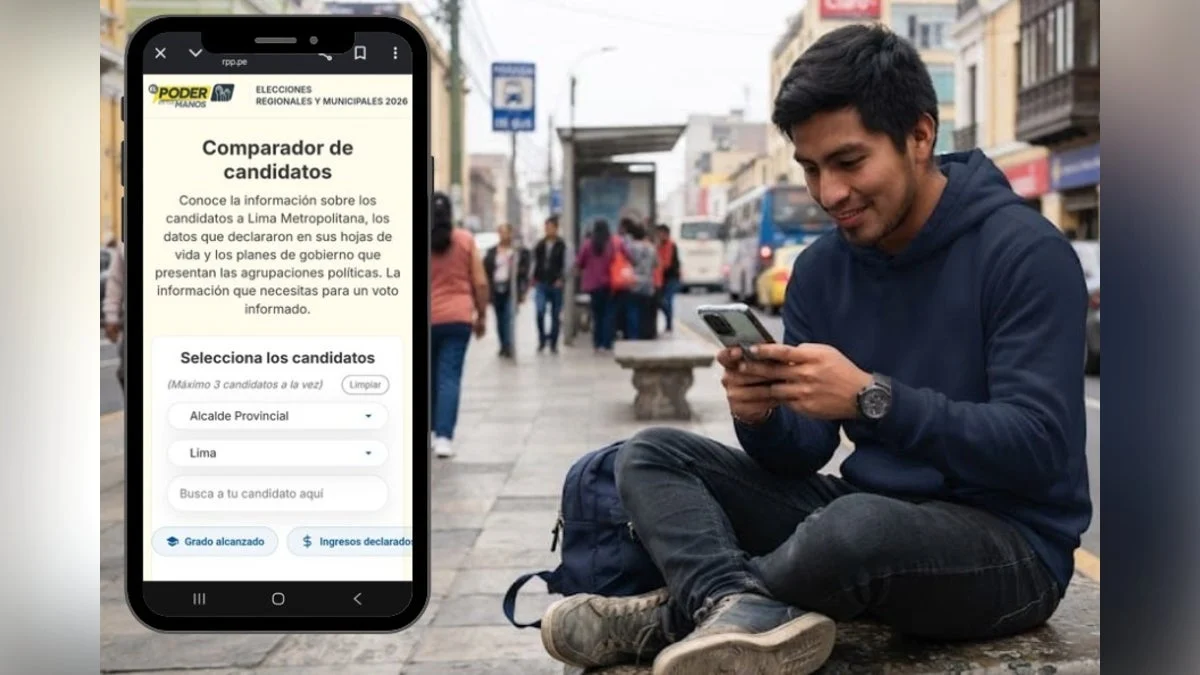
Recognizing this challenge, RPP—through its specialized electoral coverage initiative, El Poder en tus Manos (The Power in Your Hands)—has launched an innovative digital tool: "Conoce y Compara a tus Candidatos" (Know and Compare Your Candidates). This platform is designed to demystify the electoral process, stripping away the surface-level marketing of campaigns to reveal the substance—or lack thereof—behind those seeking public office.
The Core Objective: Transparency Through Technology
The initiative stems from a fundamental belief: a democracy is only as strong as the information available to its constituents. Often, voters identify a candidate solely by their party symbol or a recognizable name. RPP’s new tool aims to shift this paradigm by providing a centralized, user-friendly, and objective interface that allows voters to place up to three candidates side-by-side for a direct comparison.
By leveraging data from the National Jury of Elections (JNE) and augmenting it with AI-driven insights, the platform transforms dense bureaucratic documents into accessible, actionable knowledge. Whether it is a candidate’s academic background, their declared assets, or their history of criminal convictions, the data is now at the fingertips of every citizen.
Chronology of the Electoral Landscape
The road to the 2026 elections has been marked by significant turbulence. Following the initial registration period, the electoral landscape witnessed a series of shifts that altered the composition of the ballots.
- Initial Filing: Political organizations submitted their lists, including primary and secondary candidates for regional and municipal roles.
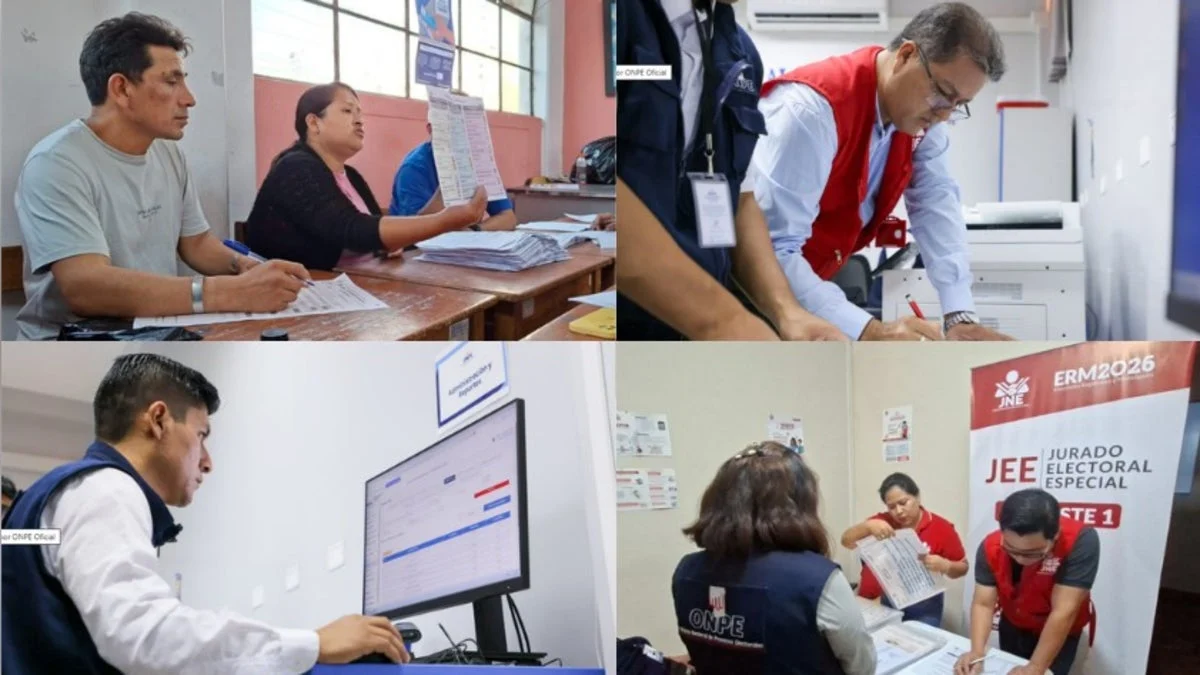
- The Vetting Process: Throughout the intervening months, the JNE conducted rigorous reviews of these submissions. This period saw numerous exclusions, resignations, and disqualifications based on technicalities or legal hurdles.
- The "Sin Candidato" Phenomenon: A recurring status on the RPP platform is "Sin Candidato" (No Candidate). This indicates that the original candidate for a specific seat was either disqualified, resigned, or excluded by the JNE, leaving a vacuum in the representation of that party.
- The Lima Metropolitan Case: A particularly complex scenario has emerged in the capital. High-profile resignations from Renovación Popular and Perú Libre have pushed their respective first councilor candidates—Rafael López Aliaga and Yuri Castro—to the forefront of their tickets. This has created a legal limbo, as the JNE has yet to definitively rule on whether a first councilor can be sworn in as mayor if their party wins, setting the stage for potential post-election litigation.
Supporting Data: What the Tool Reveals
The power of the "Conoce y Compara" tool lies in its ability to synthesize complex, public information into four key pillars of evaluation:
1. Educational and Professional Background
A candidate’s preparation is often cited as a proxy for their ability to manage a city’s bureaucracy. The platform highlights degrees, certifications, and professional history, allowing voters to determine if a candidate’s expertise aligns with the complex challenges of urban management.
2. Economic Transparency: Assets and Income
One of the most critical aspects of any public official’s profile is their financial status. The tool displays assets—real estate, vehicles, and business interests—declared in sworn statements. By comparing these across candidates, voters can identify potential conflicts of interest or significant wealth discrepancies that warrant further scrutiny.
3. Ethical Integrity: Criminal Records
Integrity is the bedrock of governance. The platform explicitly presents whether a candidate has declared any criminal convictions. While the law mandates the disclosure of these records, having them clearly highlighted in a comparison format forces candidates to be accountable for their past actions before they reach the ballot box.
4. Policy Platforms: The AI-Driven Analysis
Perhaps the most ambitious feature of the tool is its section on government plans. Using AI, the platform categorizes the often-verbose, hundreds-of-pages-long plans into four essential buckets: Economy, Social Issues, Political Reform, and Environment. This allows voters to quickly see if a candidate is prioritizing infrastructure, public safety, social equity, or climate resilience, facilitating a comparison of vision rather than just personality.
Official Responses and Regulatory Challenges
The JNE has faced an uphill battle in maintaining the integrity of this election. Official responses to the various exclusions and the ongoing legal uncertainty regarding mayoral successions highlight the fragility of the current framework.
Electoral experts argue that the high number of exclusions reflects both a lack of internal candidate-vetting processes within political parties and an overly rigid regulatory environment that punishes minor administrative errors with extreme sanctions. RPP’s role in this context has been to act as a watchdog, ensuring that the JNE’s official data is translated into a language the public can understand, thereby putting pressure on institutions to remain transparent and consistent in their rulings.
The Implications for Democracy
The implications of this initiative extend far beyond the October 4th election. By providing this tool, RPP is effectively setting a new standard for media coverage in Peru.
Moving Beyond Populism
In a political climate prone to populism, the ability to compare concrete plans helps temper emotional voting. When a voter can see that one candidate has a detailed, costed plan for the environment while another focuses only on broad, vague slogans, the nature of the public discourse changes.
Accountability as a Habit
The "Conoce y Compara" platform reinforces the idea that the relationship between a candidate and a voter does not end at the ballot box. By making the sworn statements of candidates public and easily searchable, it encourages ongoing monitoring. If a candidate wins, their future declarations can be compared against the initial ones, creating a longitudinal record of their financial and professional growth while in office.
Accessing the Tool
Citizens are encouraged to visit the RPP portal to begin their research. The platform is designed to be mobile-responsive, recognizing that most voters will access this information while on the move or in the moments leading up to their arrival at the polling station.
Conclusion: A Call to Informed Action
As the clock ticks down to the October 4th elections, the choice is ultimately in the hands of the electorate. The complexity of the information available can be overwhelming, yet the tools to simplify it now exist.
RPP’s El Poder en tus Manos initiative is a crucial bridge between the raw, sometimes chaotic, data of the electoral process and the informed decision-making required for a functioning democracy. By utilizing these resources, voters are not just casting a ballot; they are actively participating in a process of accountability.
In the final analysis, democracy is not merely about the number of votes cast, but about the quality of the choice behind each vote. Whether the issue is local economic recovery, public safety, or urban environmental reform, the solutions lie in the hands of those who are willing to look past the symbols and study the substance. As you prepare to head to the polls, the message from RPP is clear: know your candidates, compare their platforms, and make your vote count. The future of your city depends on the information you choose to possess today.