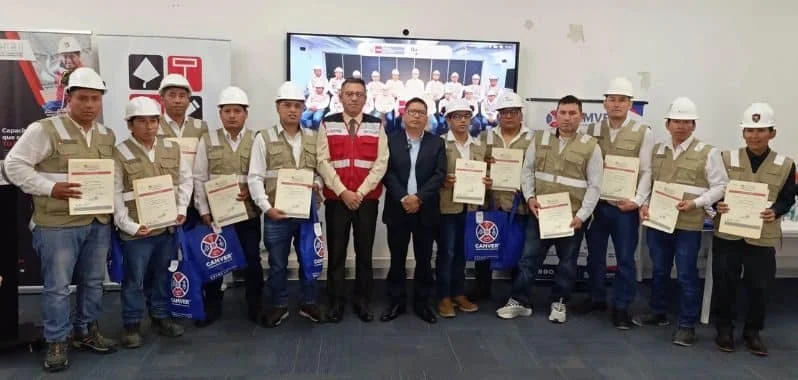
In a significant stride toward professionalizing the construction sector in Peru, the National Training Service for the Construction Industry (SENCICO) has officially certified 20 new graduates from its intensive "Master of Works in Edifications" program. This milestone represents a strategic investment in human capital, aimed at bridging the gap between traditional craftsmanship and modern engineering standards.
The graduation ceremony, held at SENCICO’s central headquarters in San Borja, marks the culmination of 250 hours of rigorous theoretical and practical training. As the construction industry faces increasing pressure to deliver projects that are not only aesthetically pleasing but also structurally sound, energy-efficient, and safe, these newly minted professionals are prepared to step into supervisory roles that are critical to the integrity of Peru’s built environment.
The Core Mandate: Bridging Theory and Site Reality
The curriculum of the Master of Works program is designed to move beyond basic labor skills, focusing instead on the comprehensive management of construction sites. The certification validates that each graduate has achieved a high level of competency in executing, organizing, and supervising complex construction processes.
According to SENCICO officials, the primary objective is to ensure that every stage of a construction project—from the foundation to the final electrical and sanitary finishes—adheres to strict quality and safety protocols. By formalizing these skills, SENCICO aims to reduce site errors, optimize resource usage, and improve the long-term durability of edifices across the country.
A Chronology of the 250-Hour Training Program
The journey for these 20 graduates was characterized by an intensive pedagogical structure that balanced classroom instruction with hands-on field simulation.

- Phase I: Structural Fundamentals: The initial weeks of the program were dedicated to the structural integrity of buildings. Participants were trained in the sophisticated habilitation and placement of steel armatures, as well as the precision required for the construction of formwork for columns and staircases.
- Phase II: Finishing and Aesthetic Execution: Recognizing that the "Master of Works" must oversee the final appearance of a structure, the curriculum transitioned into interior finishing. This included advanced techniques in wall plastering (tarrajeo) and the precise installation of high-end materials such as porcelanato, ensuring that visual appeal aligns with structural stability.
- Phase III: Mechanical, Electrical, and Plumbing (MEP): A critical component of the program focused on the internal life-support systems of a building. Graduates were immersed in the technical installation of electrical circuits, including the strategic placement of luminaries, switches, and tomacorrientes. Simultaneously, the program addressed hydraulic systems, covering the intricacies of drainage, ventilation, and the installation of sanitary fixtures like lavatories and toilets.
- Phase IV: Management and Quality Assurance: In the final stages, the training shifted toward the administrative and supervisory side of the trade. Students were taught how to read blueprints, interpret architectural directives, and implement safety protocols that protect both the workers and the future inhabitants of the structure.
Technical Competencies and Industry Implications
The certification of these 20 professionals carries significant implications for the Peruvian construction sector. In an era where building codes are becoming increasingly stringent, having a "Master of Works" who possesses a certified understanding of both structural engineering requirements and sanitary installation norms is a major competitive advantage for any construction firm.
Strengthening Safety Standards
Safety is the cornerstone of the construction industry. The training provided by SENCICO emphasizes that a site manager is responsible for the lives of their crew. By instilling a culture of "safety-first" during the training process, SENCICO is actively working to lower the rate of occupational accidents on construction sites nationwide.
Improving Project Efficiency
One of the most frequent causes of budget overruns in construction is the "re-work" caused by poorly executed installations. By training masters who understand the entire ecosystem of a build—how a drainpipe interacts with an electrical conduit or how a wall’s alignment affects the flooring—SENCICO is helping contractors finish projects on time and within budget.
Official Perspectives and Institutional Commitment
SENCICO, an institution under the umbrella of the Ministry of Housing, Construction, and Sanitation, continues to play a pivotal role in the professionalization of the labor force. The institution’s commitment is not merely to "teach a trade," but to create a career path that offers social mobility and economic stability for its students.
During the certification ceremony, representatives from SENCICO highlighted that these graduates represent the "backbone of the industry." As urban centers like Lima continue to expand, the demand for qualified supervisors who can manage complex projects has never been higher.

The program also aligns with the broader national objective of promoting "Formalization in Construction." By providing a recognized certification, SENCICO helps transition workers from informal, often risky, labor practices into the formal economy, where they are protected by labor laws and recognized for their specialized skills.
The Broader Context: Construction Growth in Peru
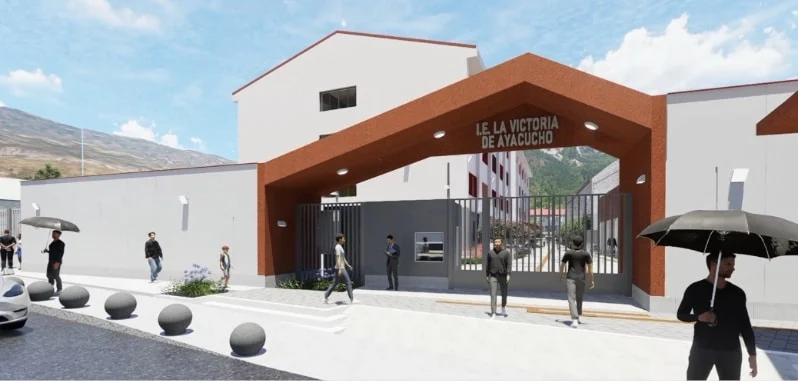
While this specific cohort of 20 graduates is a focused achievement, it must be viewed in the context of broader infrastructure developments across Peru. For instance, recent projects, such as the construction of the Juan Pedro Flores Dávila educational institution in the Ucayali region, underscore the constant demand for skilled labor.
The complexity of modern infrastructure—which often requires integration with advanced technological systems—means that the traditional, "on-the-job" learning methods of the past are no longer sufficient. Formal education and certification, such as that provided by SENCICO, act as the bridge between the simple masonry of the past and the intelligent, resilient buildings of the future.
Implications for the Future Workforce
What does this mean for the future of construction in Peru?
- Increased Professionalization: As these masters enter the workforce, they act as mentors for the next generation of laborers. This trickle-down effect of professional knowledge will naturally raise the standards of construction projects across the board.
- Economic Impact: A workforce that is certified and competent is more productive. This productivity boost is essential for a sector that contributes significantly to the national GDP.
- Sustainability and Quality: With training that includes modern systems for water and electricity, these masters are better equipped to integrate sustainable technologies, such as water-saving fixtures or energy-efficient lighting, into their projects.
Conclusion
The graduation of these 20 Masters of Works is more than just a ceremony; it is a signal of the evolution of the Peruvian construction industry. By successfully completing a 250-hour program that demands technical prowess, administrative acumen, and a deep understanding of safety protocols, these individuals have set a new benchmark for excellence.

As they move forward into their careers, these professionals will take their places at the head of construction sites, transforming architectural plans into the tangible reality of schools, homes, and offices. Through its ongoing commitment to education, SENCICO ensures that the foundations of Peru—both literal and professional—are built on expertise, precision, and an unwavering commitment to quality.
For those interested in the construction sector, the path demonstrated by these graduates serves as a blueprint for success. Whether it is through digital newsletters or community engagement platforms, the exchange of knowledge in this field remains the most valuable tool for continued growth and progress in the years to come.